
Sudden organ failure often begins quietly.

Dogs can seem completely fine, then suddenly stop eating, vomit, or collapse within days. Acute kidney disease moves fast because kidneys handle blood filtration every minute. When something disrupts that flow, damage compounds quickly. Emergency veterinarians across the U.S. see spikes after heat waves, storms, and seasonal toxin exposure. The danger is not drama, it is silence. Early signs look minor, but the internal damage accelerates. Knowing how these failures start helps owners act before the window for recovery closes.
1. Toxic exposures can overwhelm kidneys within hours.
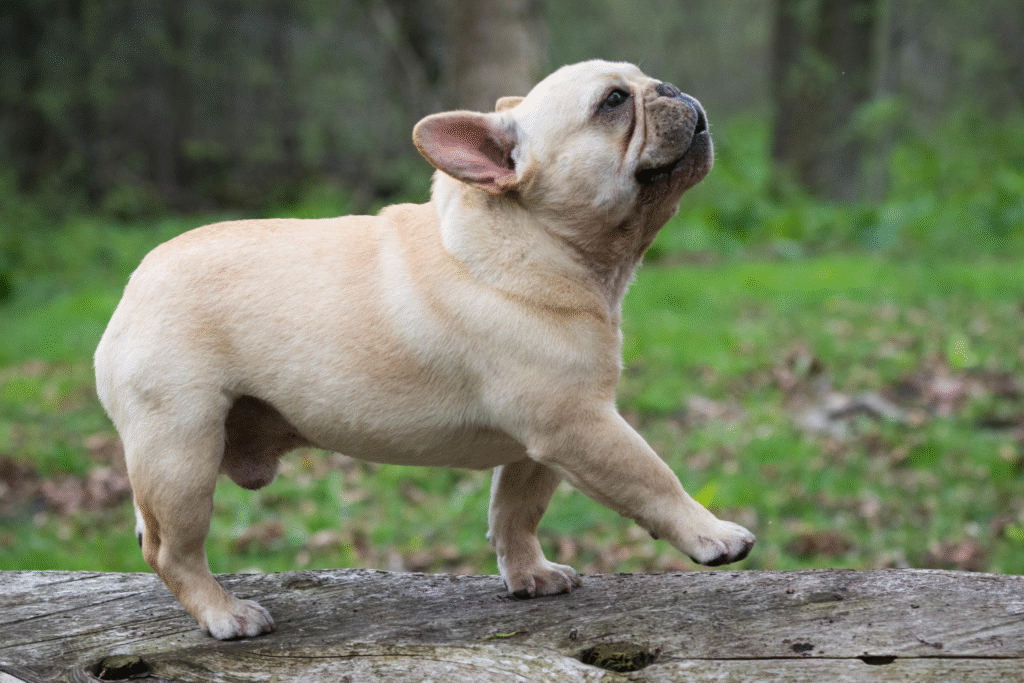
Dogs encounter kidney toxins in places owners assume are safe, including garages, sidewalks, and backyards. Antifreeze leaks, rat poison, and even certain lilies can destroy kidney cells rapidly. In northern states, antifreeze remains one of the most common causes of sudden kidney failure according to the ASPCA Animal Poison Control Center.
Clinical signs often appear a full day later, long after exposure. Vomiting, wobbliness, and intense thirst follow. Immediate treatment with antidotes and fluids can sometimes reverse damage if started quickly enough.
2. Dehydration quietly reduces kidney blood flow.
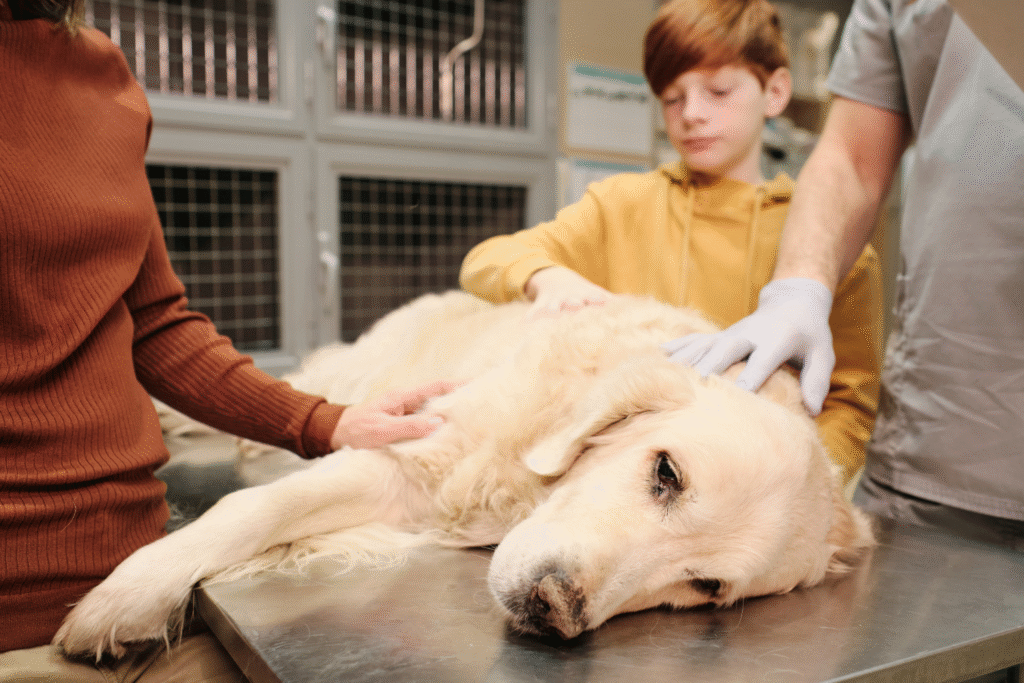
Kidneys depend on steady circulation to filter waste. When dehydration hits, blood volume drops and filtration collapses. This often happens during heat waves, stomach illness, or after surgery. Emergency clinics in Texas and Southern California report dehydration related kidney injury every summer.
Once circulation falls, toxins accumulate rapidly. Dark urine, dry gums, and weakness are early clues. Aggressive fluid therapy restores blood flow and can prevent permanent injury, as stated by the Merck Veterinary Manual.
3. Infections sometimes attack kidneys directly.
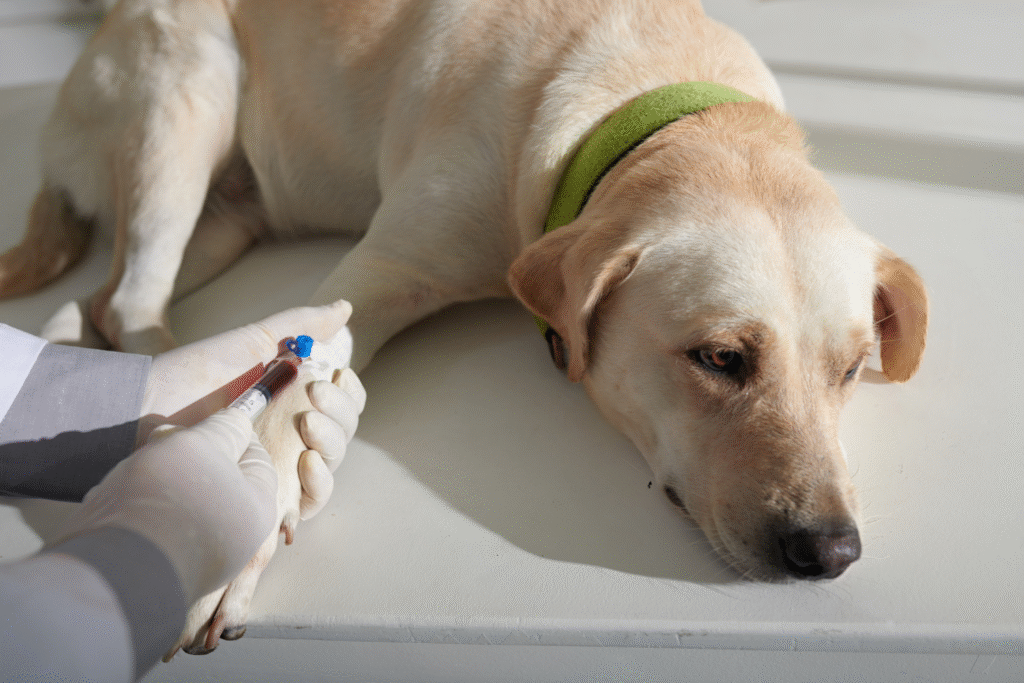
Some infections bypass obvious symptoms and head straight for the kidneys. Leptospirosis spreads through wildlife urine in puddles, flooded yards, and irrigation runoff. Cases surge after storms in the Midwest and Southeast. Dogs may seem mildly tired before crashing suddenly.
Kidney inflammation escalates fast, often alongside fever and muscle pain. Early antibiotics dramatically improve survival rates, as reported by the Centers for Disease Control and Prevention. Vaccination reduces risk in high exposure regions.
4. Medications can strain vulnerable kidneys unexpectedly.

Certain medications reduce blood flow to the kidneys, especially during illness or dehydration. Pain relievers, some antibiotics, and anesthesia drugs are common triggers. Older dogs face higher risk because kidney reserve naturally declines with age.
Problems often emerge days after treatment ends. Appetite loss and lethargy may be the only clues. Routine bloodwork and hydration monitoring during medication use helps veterinarians adjust dosing before damage escalates.
5. Heat stress accelerates kidney damage rapidly.

High temperatures force the body to prioritize cooling over organ perfusion. As blood pressure drops, kidneys lose oxygen and filtration falters. This pattern appears frequently during summer emergencies in Nevada, Arizona, and inland California.
Even brief heat exposure can trigger delayed kidney failure. Collapse may resolve, but kidney damage continues silently. Rapid cooling and intravenous fluids remain critical, followed by repeat blood tests over several days.
6. Hidden kidney weakness can collapse under mild stress.

Some dogs live for years with reduced kidney reserve and show no outward signs. Aging, genetics, or past infections quietly limit how much stress the kidneys can tolerate. When something minor hits, a skipped meal, a hot day, or a stomach bug, the remaining function can fail abruptly.
This pattern explains why older dogs often crash after routine events. Bloodwork from months earlier may look only slightly abnormal. Regular screening allows vets to flag these dogs early and recommend diet changes and closer monitoring before sudden failure occurs.
7. Certain foods and supplements cause unpredictable kidney injury.

A small list of foods can trigger kidney failure with no safe dose. Grapes, raisins, and some herbal supplements damage kidney cells unpredictably, even in otherwise healthy dogs. Emergency cases appear nationwide, often after accidental ingestion at home or during holidays.
Symptoms may lag behind exposure, creating false reassurance. Vomiting, lethargy, and reduced urination often arrive later. Fast treatment improves outcomes, but prevention matters most. Storing risky foods securely and avoiding unverified supplements significantly lowers the chance of sudden injury.
8. Urinary blockages can shut kidneys down suddenly.

When urine cannot leave the body, pressure builds backward into the kidneys. Stones, inflammation, or clots can block flow with little warning. Male dogs face higher risk due to narrower anatomy, especially during dehydration.
Early signs include straining, vocalizing, or producing only drops of urine. Left untreated, toxins surge and kidney tissue suffers permanent damage. Emergency relief of the blockage often restores function if done quickly, followed by monitoring to prevent recurrence.
9. Shock and blood loss starve kidneys of oxygen.
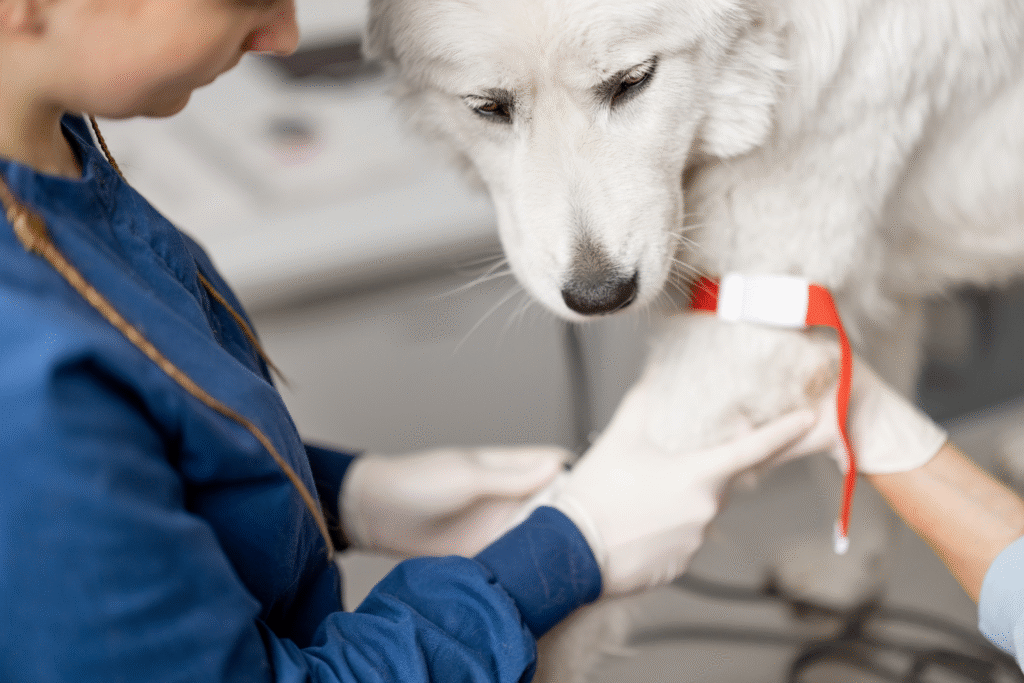
Kidneys need constant oxygen rich blood to function. Trauma, internal bleeding, severe allergic reactions, or overwhelming infection can drop blood pressure abruptly. When circulation falters, kidney cells begin to fail within minutes.
This scenario follows car accidents, surgical complications, or severe infections. Rapid stabilization with fluids and blood products protects kidney tissue. Even after recovery, delayed kidney injury may appear days later, making follow up testing essential.
10. Fast action often determines whether recovery is possible.

Kidney tissue has limited ability to regenerate, but early intervention can halt progression. Fluids, toxin removal, and supportive care work best when started at the first sign of change. Waiting allows waste products to compound damage.
Owners who act quickly when appetite, urination, or energy shifts often preserve kidney function. Trusting instincts and seeking care early consistently improves survival and long term quality of life for affected dogs.