
Everyday heat changes plastic more than we realized.
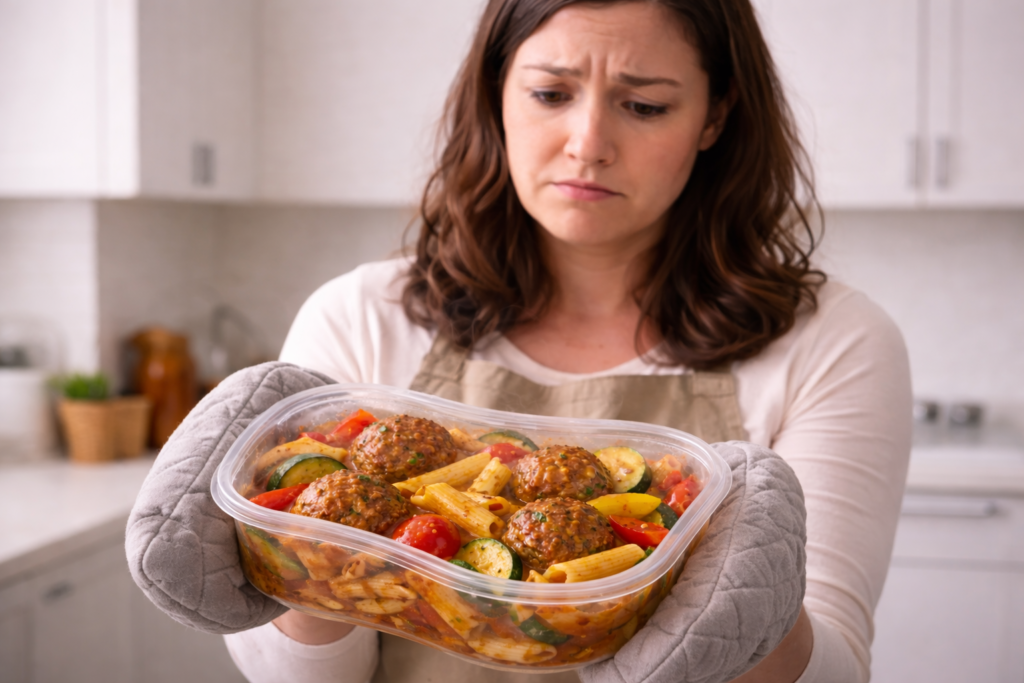
Reheating leftovers in plastic has become so routine that few people pause to question it. Yet a growing body of research shows that heat fundamentally alters how plastic behaves when it touches food. These changes are not dramatic or visible. They happen quietly, at the chemical and microscopic level, shaped by temperature, moisture, fat content, and repetition. Scientists studying food contact materials are now able to trace what transfers during heating, and the results point to exposure pathways that were previously underestimated.
1. Heat dramatically increases chemical movement into meals.

Once plastic warms, its tightly bound polymer structure becomes more flexible. This flexibility allows additives used during manufacturing to migrate toward the food surface. Substances meant to stabilize, color, or soften plastic are no longer locked in place once heat is applied. Liquids and acidic foods accelerate this process by weakening surface barriers during heating.
Uneven heating further complicates the issue. Hot spots form along container walls, corners, and lids, increasing localized transfer. Laboratory testing consistently shows higher migration rates during heating than during storage, according to the Food and Drug Administration. The concern is cumulative exposure. Small amounts transferred repeatedly can build meaningful intake over weeks and months of regular use.
2. Invisible plastic particles can shed into food.
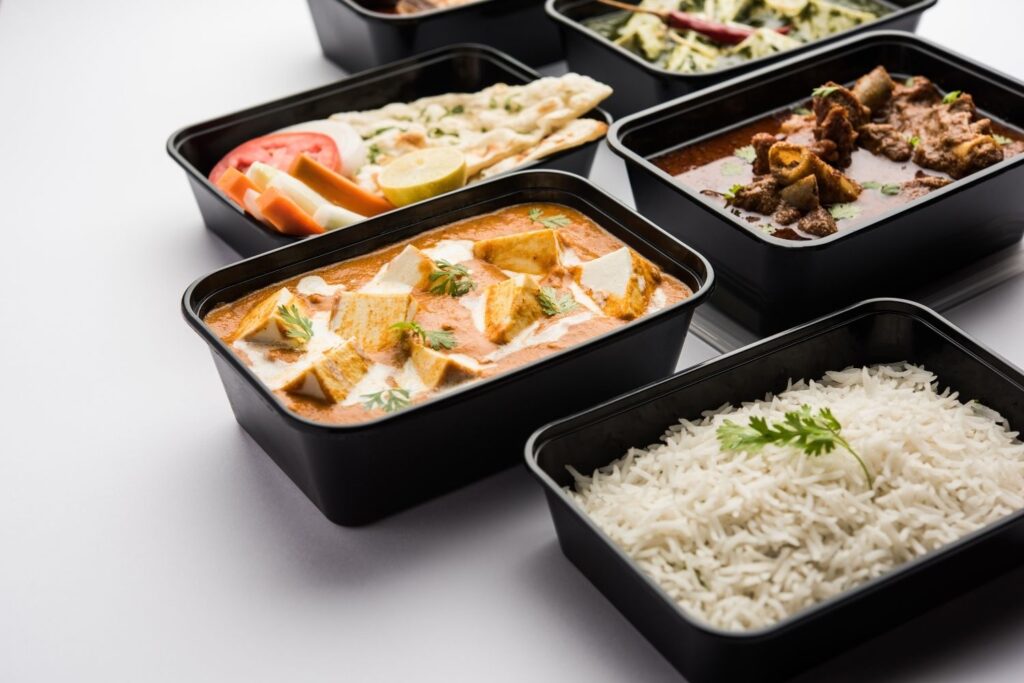
Physical stress plays a major role when plastic is heated. Expansion and contraction at the surface can cause microscopic fragments to detach. These fragments disperse into food without altering taste, smell, or texture, making their presence easy to miss entirely.
Controlled experiments analyzing heated food contact containers have detected millions of microplastic and nanoplastic particles released in short heating periods, as reported by researchers at Columbia University. Liquid and semi liquid foods distribute these particles evenly, increasing ingestion. While many particles pass through the body, some interact with tissues along the way, raising questions about long term exposure that does not depend on misuse or extreme heat.
3. Safety labels focus on shape, not chemistry.
Packaging labeled microwave safe often creates a sense of reassurance. That designation primarily evaluates whether a container maintains its shape under brief heating. It does not require testing for chemical migration, particle shedding, or repeated use under real kitchen conditions.
Independent evaluations have shown that some labeled plastics still release additives when heated, as stated by Consumer Reports. Reuse, food composition, and container age all affect results. The label signals resistance to melting, not biological neutrality. This distinction matters, especially when takeout containers become long term storage and reheating solutions in everyday households.
4. Oils and fats actively pull compounds from plastic.
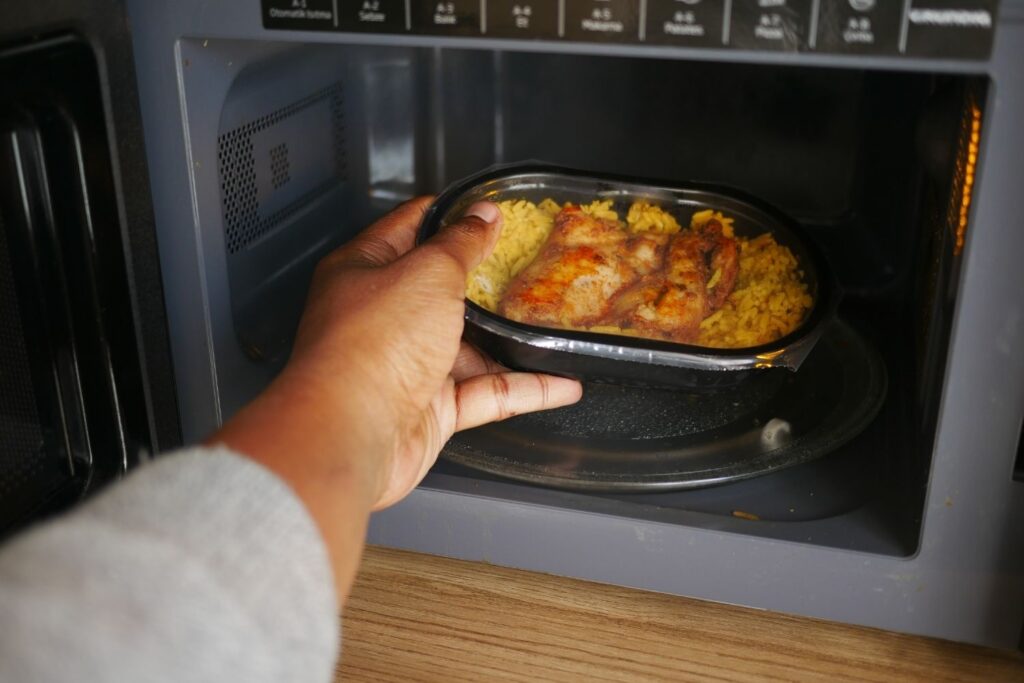
Food chemistry strongly influences exposure risk. Fats interact with plastic far more aggressively than water based foods. When heated, oils act as solvents at the container surface, dissolving certain additives and carrying them directly into meals.
This is why greasy leftovers behave differently than steamed vegetables. Cheese, meat, and creamy sauces create especially effective extraction conditions. Each reheating cycle intensifies the interaction. The transfer happens at the contact surface, not in the air, meaning even brief heating can produce higher migration when fat content is high.
5. Repeated heating weakens containers long before failure.

Plastic degradation does not happen all at once. Each heating cycle slightly alters the material. Expansion during heating and contraction during cooling create internal stress. Over time, this stress forms microscopic cracks and roughened surfaces invisible to the eye.
These changes matter chemically. Roughened surfaces release additives more easily and trap food residues that heat unevenly later. A container that performed acceptably when new may behave very differently months later. Familiarity becomes misleading. The most reused container is often the one with the greatest structural breakdown, increasing transfer risk without visible warning signs.
6. Trapped steam intensifies surface contact during heating.
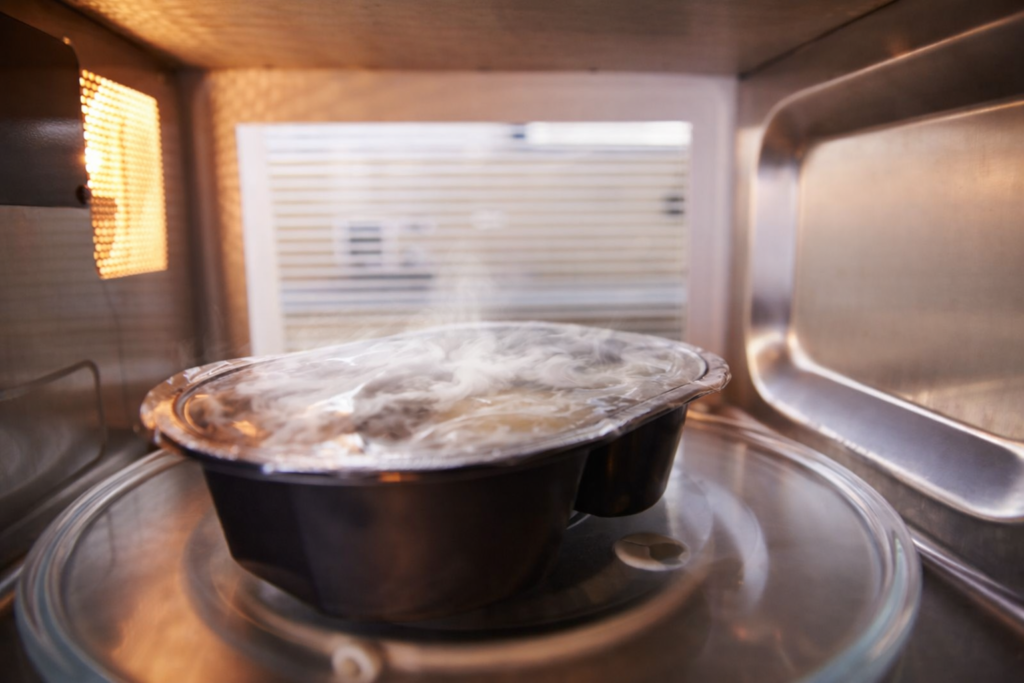
Covered containers introduce another layer of interaction. Moisture released during heating condenses on lids and walls, then cycles back onto food repeatedly. This condensed steam dissolves substances from plastic surfaces and redistributes them.
The result is a closed loop of contact. Compounds released from the container do not escape. They remain in circulation within the food environment throughout heating. Pressure and condensation also shift where heat concentrates, often along rims and lids, increasing transfer at those points. Venting reduces pressure but does not eliminate repeated chemical contact.
7. Wear marks change how plastic behaves under heat.

Scratches, cloudiness, and dull surfaces are more than cosmetic issues. They expose deeper polymer layers not intended for food contact. These altered surfaces increase surface area and create channels that release compounds more readily when heated.
Even minor wear from utensils or dishwashers changes thermal behavior. Scratched areas heat unevenly and retain residues that amplify chemical interaction. Containers can appear intact while acting as far more efficient transfer surfaces. Damage accumulates gradually, meaning older containers often pose higher risk than newer ones despite looking serviceable.
8. Hormone active additives respond strongly to warmth.
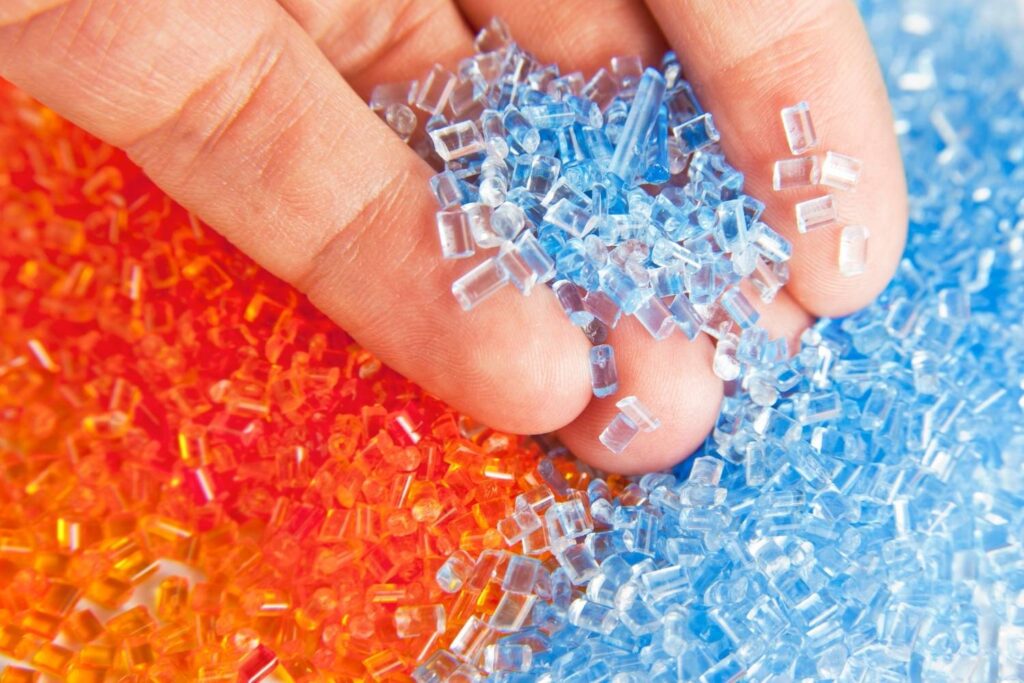
Many plastics rely on additives to maintain flexibility and durability. Some of these substances can interfere with hormone signaling at very low doses. Heat increases their mobility, making warming a key trigger for release.
Hormonal systems operate on precise timing and balance. Repeated small exposures matter more than rare high ones. Children and pregnant individuals are particularly sensitive to disruption. Heating plastic food containers creates a consistent exposure pathway that bypasses obvious warning signs, reinforcing why temperature matters as much as material choice.
9. Dark takeout plastics introduce separate exposure concerns.

Black plastic trays are often made from recycled material, which can contain a wider mix of chemicals from previous uses. These containers feel sturdy and reusable, encouraging repeated heating despite less predictable composition.
Thin black trays heat unevenly, especially along edges and corners. Warping, whitening, or plastic odor indicate breakdown already underway. Reheating food directly in these containers combines recycled chemistry with thermal stress. Transferring meals to glass or ceramic removes an exposure pathway unique to this type of packaging without changing eating habits.