
Subtle asymmetry can signal deeper physical trouble.
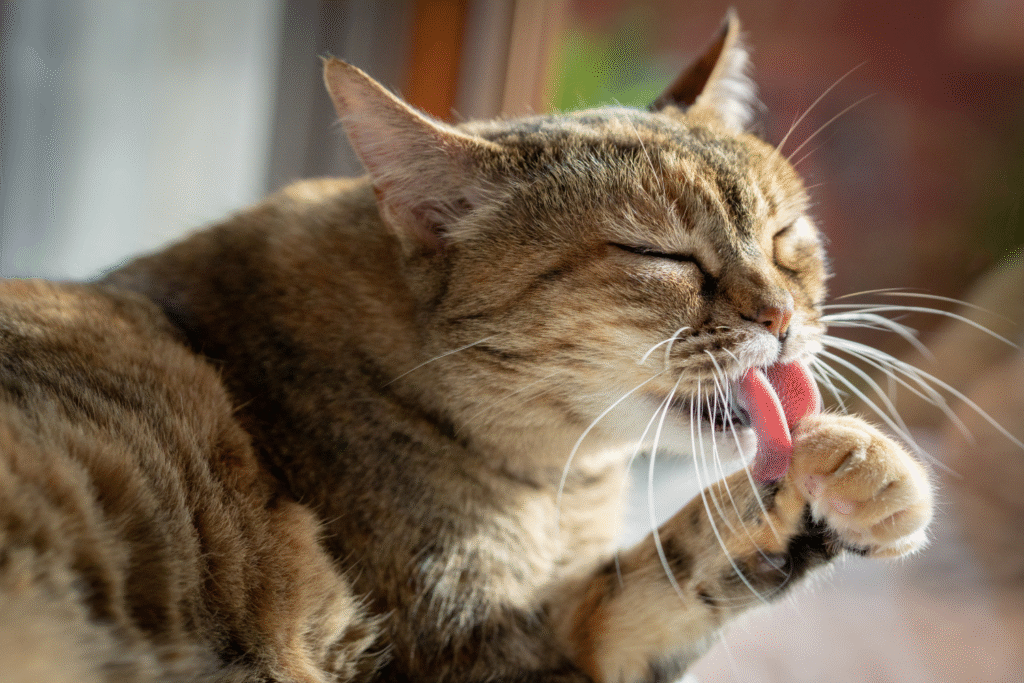
Cats groom with precision, rhythm, and purpose, often spending hours each day maintaining their coats. When that behavior changes, especially in an uneven way, veterinarians take notice. A cat that suddenly ignores one side of its body is not being careless. It is responding to something internal. These changes often appear before limping, vocalizing, or appetite loss. Grooming asymmetry acts like an early warning system, quietly pointing to pain, neurological shifts, or physical limitation. Watching these small changes closely can reveal serious issues while they are still treatable.
1. Pain often limits movement on one side.
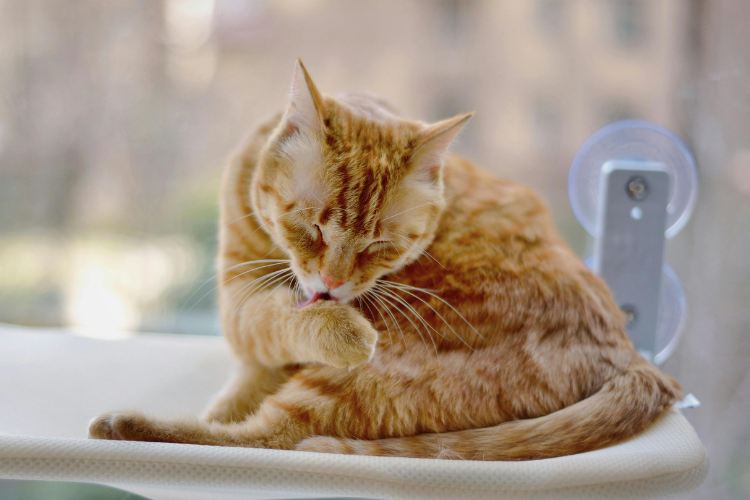
Pain is the most common driver behind one sided grooming changes. A strained muscle, inflamed joint, or bruised rib can make bending or twisting uncomfortable. Rather than cry or limp, cats simply stop performing movements that hurt. Grooming requires flexibility, especially when reaching flanks or hips. When pain lives on one side, grooming avoidance follows the same pattern.
Over time, fur on the neglected side becomes oily or matted, while the opposite side remains clean. This asymmetry develops gradually and is easy to dismiss. According to the Cornell University College of Veterinary Medicine, cats frequently mask musculoskeletal pain by quietly altering grooming behavior instead of showing obvious signs of discomfort.
2. Dental disease can alter grooming posture unevenly.
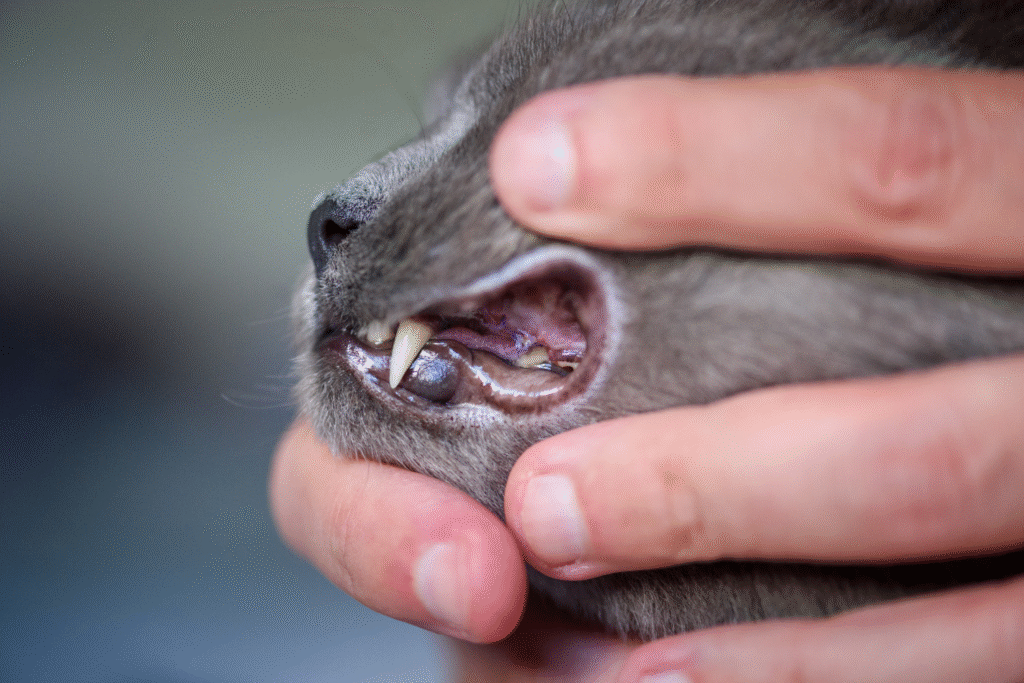
Dental pain rarely stays confined to the mouth. Inflammation affecting one side of the jaw can radiate into the neck and shoulder, making certain head movements uncomfortable. Grooming requires repetitive jaw motion and neck rotation, which can aggravate oral pain.
Cats adapt by favoring the side that hurts less. They may groom only one flank or shoulder while ignoring the other entirely. This pattern often appears before bad breath or drooling is noticed. As stated by the American Veterinary Dental College, behavioral changes such as altered grooming are often the earliest indicators of painful dental disease in cats.
3. Neurological changes may reduce awareness on one side.
When grooming stops completely on one side, neurological causes must be considered. Conditions affecting the brain, spinal cord, or peripheral nerves can reduce sensation or coordination on one side of the body. The cat may not feel the fur or may struggle to control the tongue and neck muscles needed to groom.
This lack of awareness is often subtle at first. Owners may notice uneven grooming before balance problems or head tilt appear. Such unilateral changes are well documented in veterinary neurology. These presentations are discussed in detail in the Merck Veterinary Manual when describing sensory deficits and focal neurological conditions in cats.
4. Arthritis often progresses unevenly before becoming obvious.

Arthritis rarely affects the body symmetrically in its early stages. One hip, shoulder, or section of the spine may become inflamed long before the opposite side. Grooming requires spinal flexibility that arthritic joints resist.
Cats adjust by avoiding movements that trigger discomfort. They may continue grooming areas they can reach easily while neglecting the painful side. This change can persist for months before mobility loss becomes obvious. Uneven grooming is often one of the earliest visible signs of developing joint disease in adult and senior cats.
5. Skin infections can discourage localized grooming.
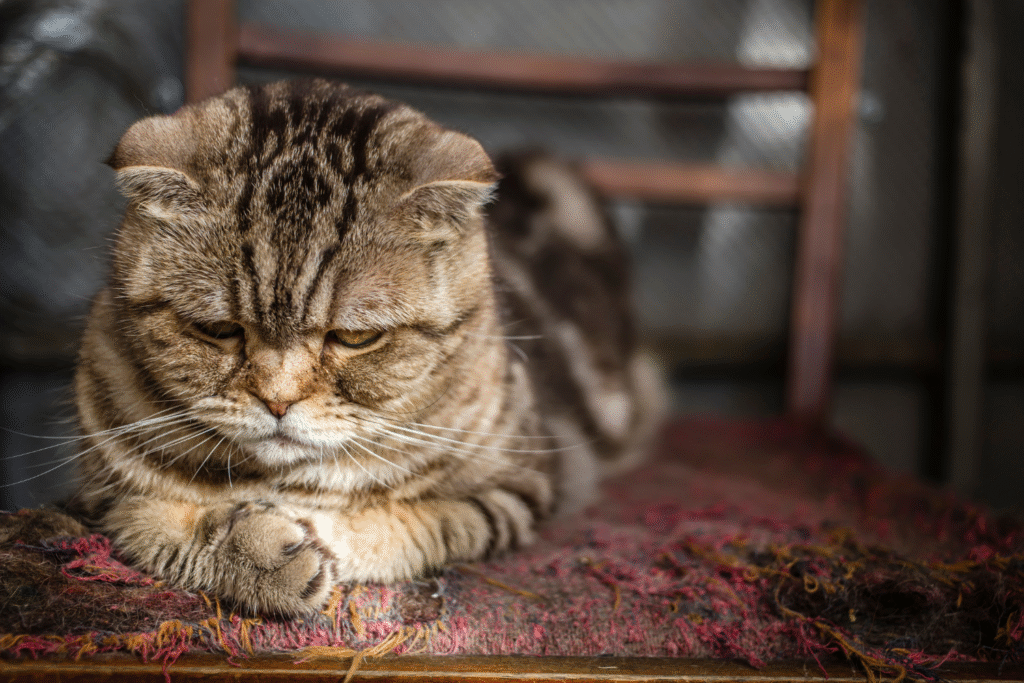
Localized skin infections such as abscesses, dermatitis, or fungal growth can make grooming painful. Licking inflamed skin often intensifies discomfort, so cats instinctively avoid the area.
Because fur hides redness and swelling, the infection may go unnoticed. Grooming asymmetry becomes the first visible clue that something is wrong. Once treated, many cats resume normal grooming quickly, confirming pain rather than habit as the cause. This makes uneven grooming an important early indicator of skin level disease.6. Obesity restricts reach unevenly across the body.
6. Obesity restricts reach unevenly across the body.
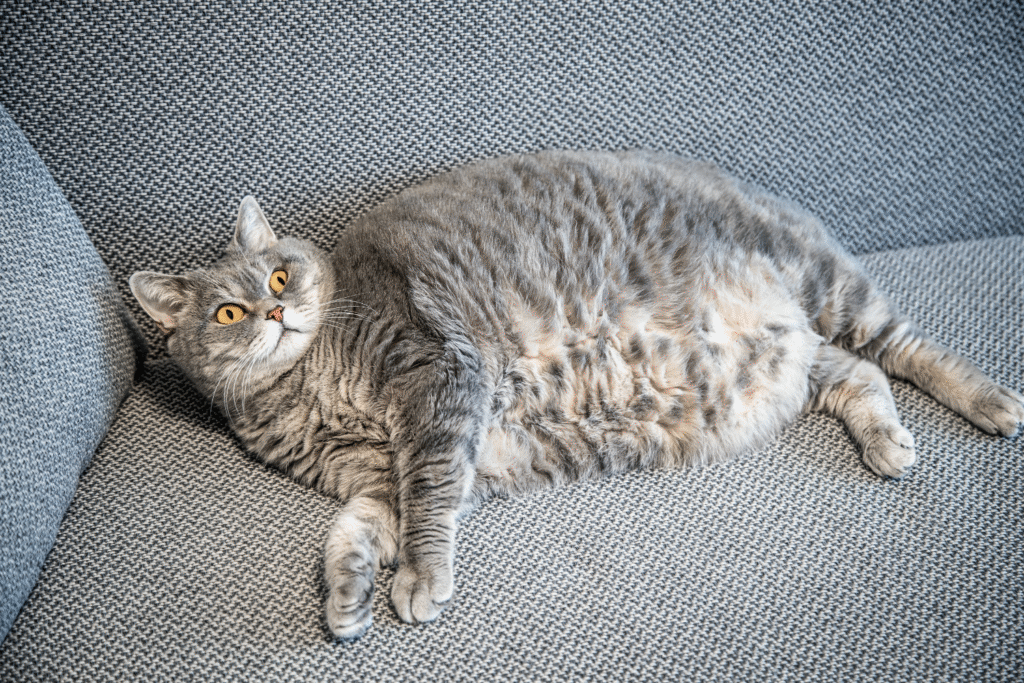
Excess body weight changes how a cat moves long before owners notice obvious mobility issues. Fat accumulation along the abdomen and chest limits spinal rotation, which is essential for thorough grooming. If flexibility is reduced more on one side due to posture or muscle imbalance, grooming becomes uneven.
Cats compensate quietly. They clean what they can reach comfortably and abandon what they cannot. Over time, one side of the coat appears dull or clumped while the other looks normal. This pattern often precedes visible signs of obesity related pain, making grooming asymmetry an early physical warning.
7. Old injuries can create lasting movement avoidance.
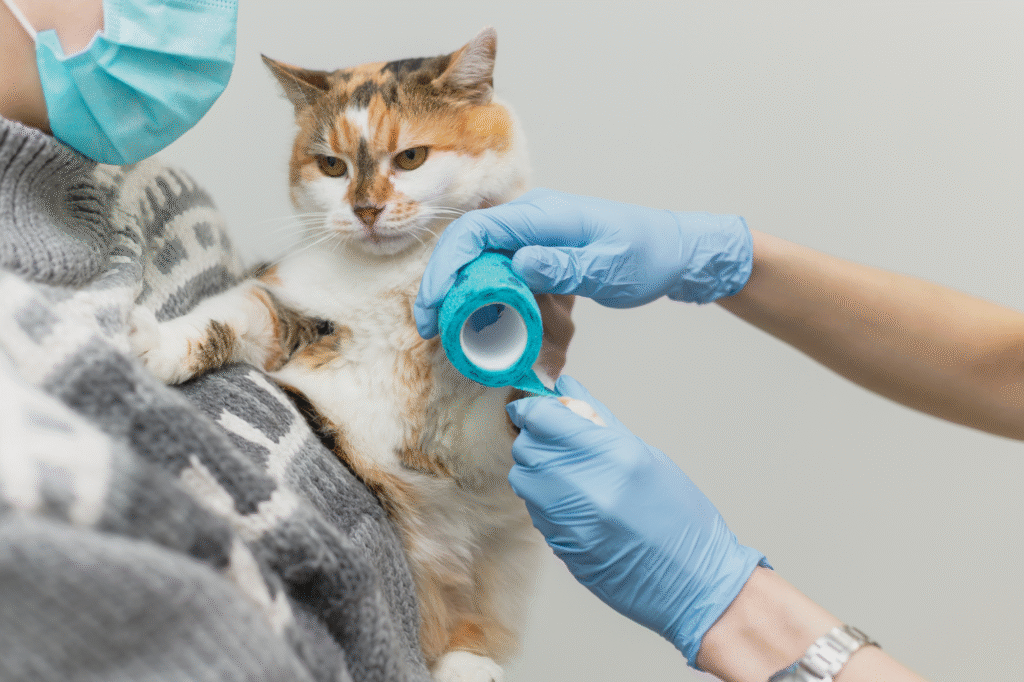
Past injuries do not always fade from a cat’s body memory. A healed fracture, surgical incision, or deep tissue injury can leave residual stiffness or sensitivity. Even years later, certain movements may feel wrong.
Cats respond by avoiding those motions entirely. Grooming routines adjust permanently, often centered on the injured side. Owners may forget the original trauma, but the cat has not. Persistent one sided grooming gaps frequently trace back to injuries long assumed resolved.
8. Cognitive decline disrupts grooming sequence and focus.
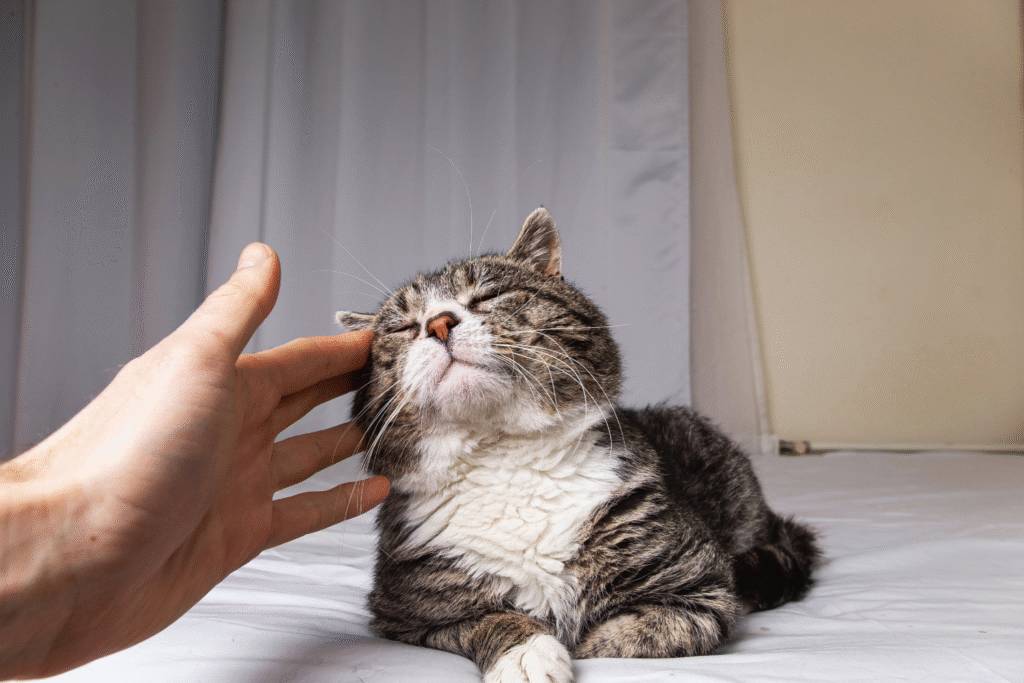
Senior cats experiencing cognitive dysfunction may struggle with routine behaviors. Grooming is complex, requiring memory, coordination, and sequencing. When these processes falter, grooming becomes incomplete or uneven.
Rather than evenly cleaning the body, the cat may fixate on certain areas while neglecting others. One side can be consistently missed. This is not laziness but neurological aging. Grooming asymmetry paired with disorientation, altered sleep cycles, or vocalization often signals cognitive change.
9. Chronic stress reshapes grooming priorities subtly.
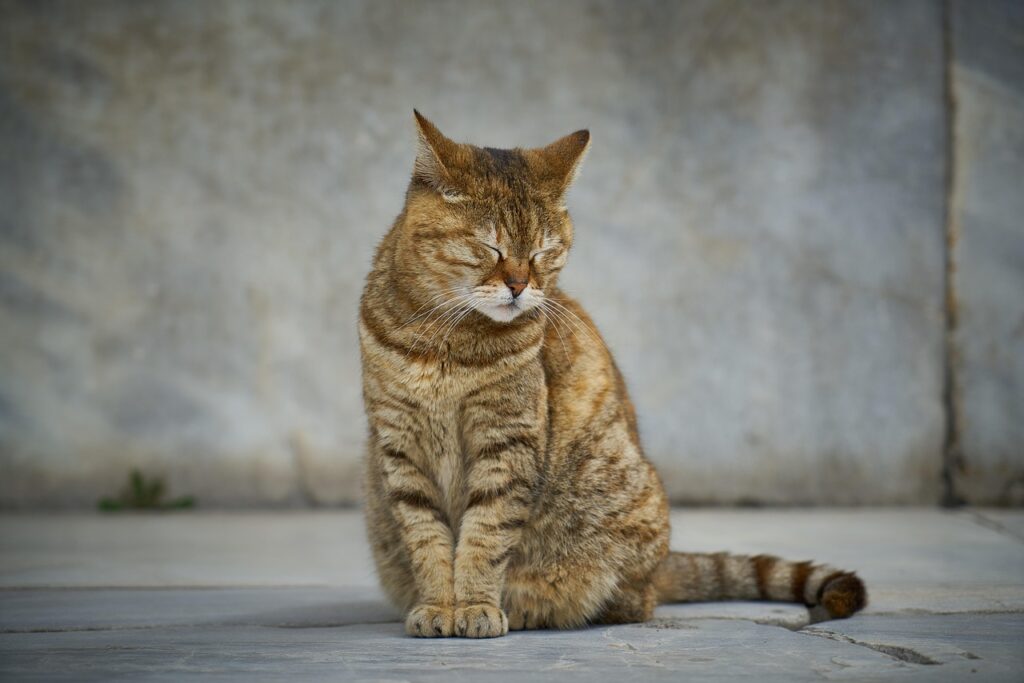
Emotional stress affects physical behavior in cats more than many owners realize. When a cat feels threatened or insecure, grooming can become restricted. Twisting to expose one side may feel unsafe in tense environments.
Cats may limit grooming to positions that allow constant awareness of surroundings. One side becomes neglected not due to pain, but vigilance. Changes in household dynamics, territory disputes, or environmental disruption often underlie this pattern. Once stress stabilizes, balanced grooming frequently returns.