
What it recorded beneath the ice surprised researchers.
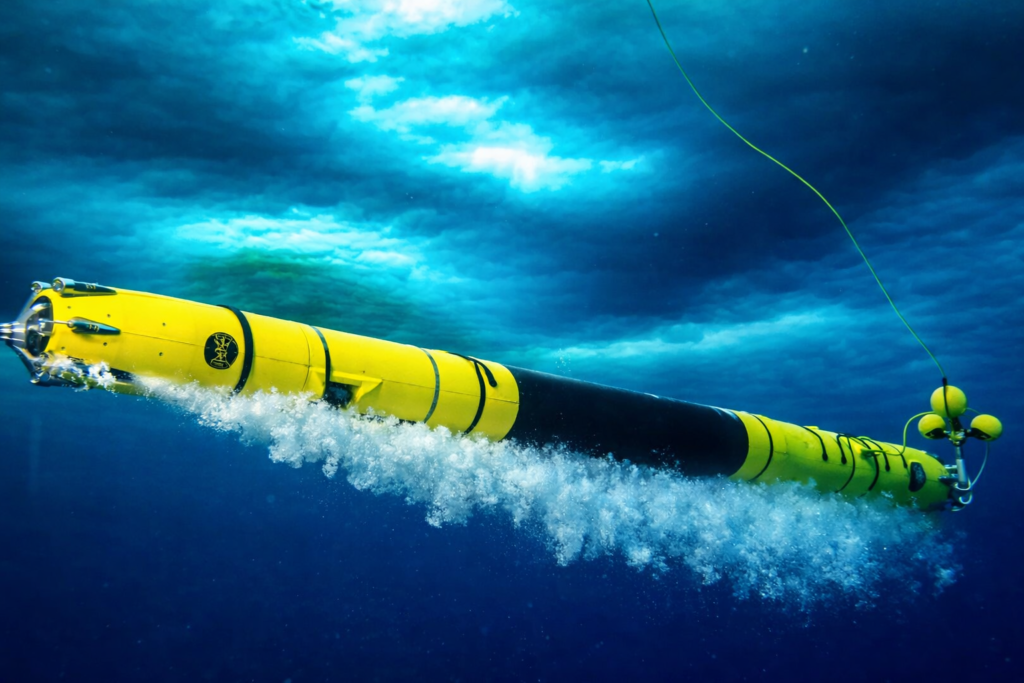
For nearly a year, an autonomous underwater robot wandered beneath an Antarctic ice shelf without any contact. Engineers assumed it was lost in one of Earth’s harshest and hostile environments. When the vehicle was eventually recovered and its data retrieved, scientists realized they had unknowingly captured something rare. The robot logged uninterrupted changes beneath the ice, hour by hour, season by season. What emerged was not a frozen, stable system but one in constant motion, reacting faster to warming oceans than most models had predicted.
1. The robot vanished beneath ice far longer.
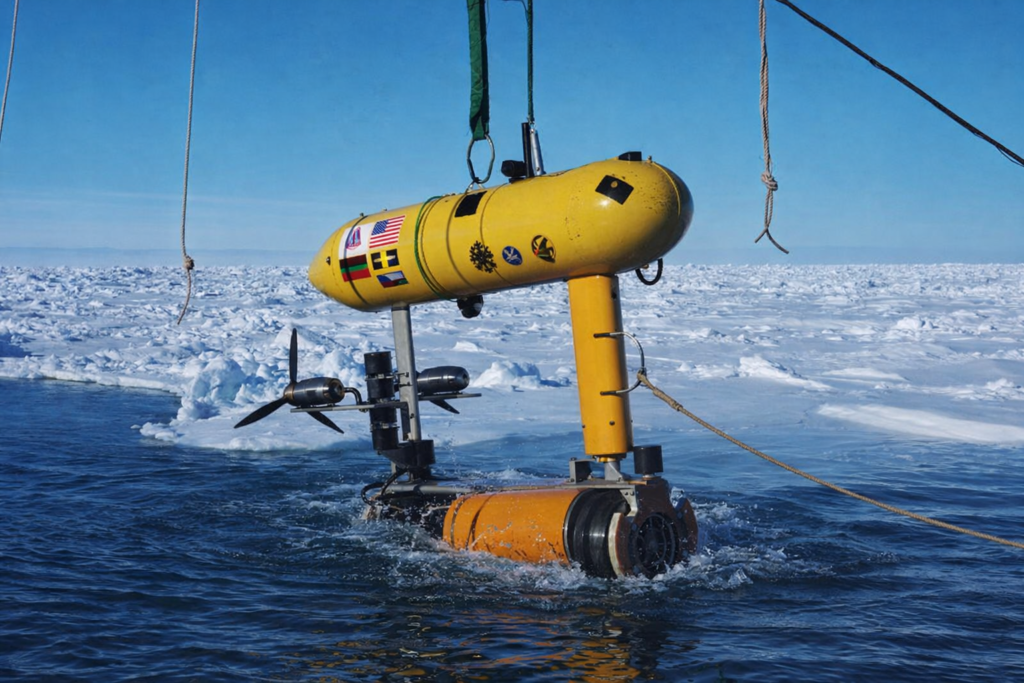
The robot was originally designed for a short mission beneath an Antarctic ice shelf, collecting temperature, salinity, and current data. Communication dropped earlier than planned, and recovery efforts were suspended as conditions worsened. Most teams assumed the vehicle had succumbed to pressure or power failure.
Instead, internal systems continued recording autonomously for months. When contact was restored, scientists realized the robot had quietly logged one of the longest continuous sub ice datasets ever captured, according to NASA. That extended timeline revealed changes unfolding gradually, offering insight impossible to obtain during brief expeditions or seasonal surveys.
2. Sensors recorded unexpected warmth near ice bases.
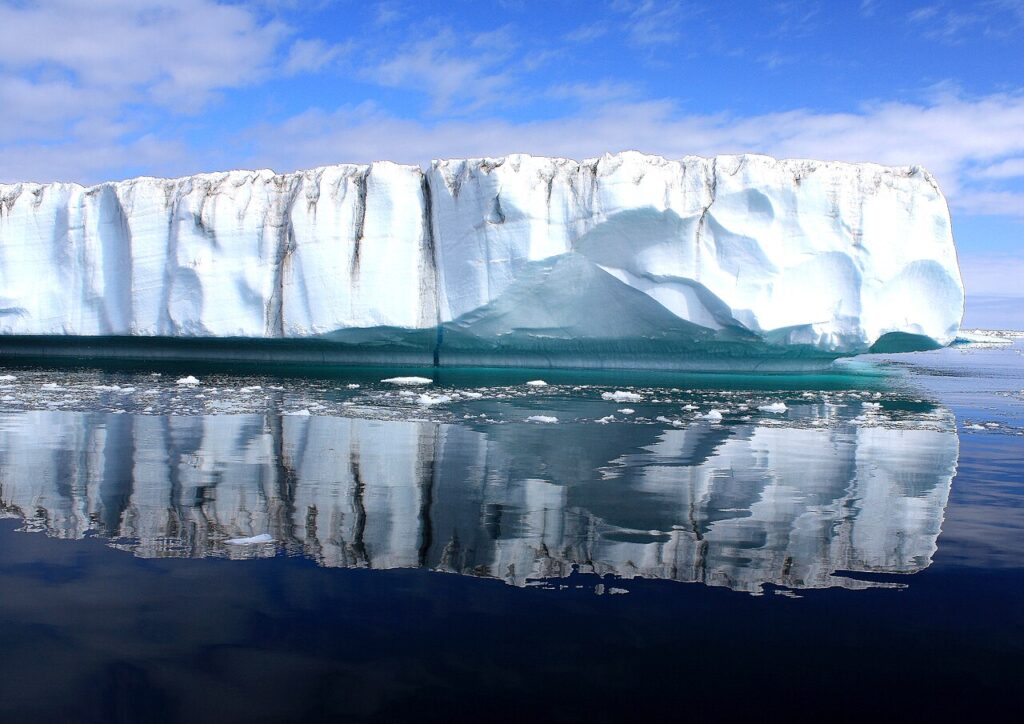
Temperature readings showed repeated intrusions of warmer ocean water flowing beneath the ice shelf. These were not isolated spikes but sustained pulses reaching the ice base, particularly near grounding zones where ice meets bedrock.
The warmth was sufficient to accelerate melting from below, challenging assumptions that colder layers protect the ice underside. Similar patterns have raised concern in recent field studies, as reported by the British Antarctic Survey. The robot confirmed that heat delivery beneath the ice is both frequent and persistent, reshaping melt dynamics long before surface changes become visible.
3. Ice shelf melting proved uneven and aggressive.
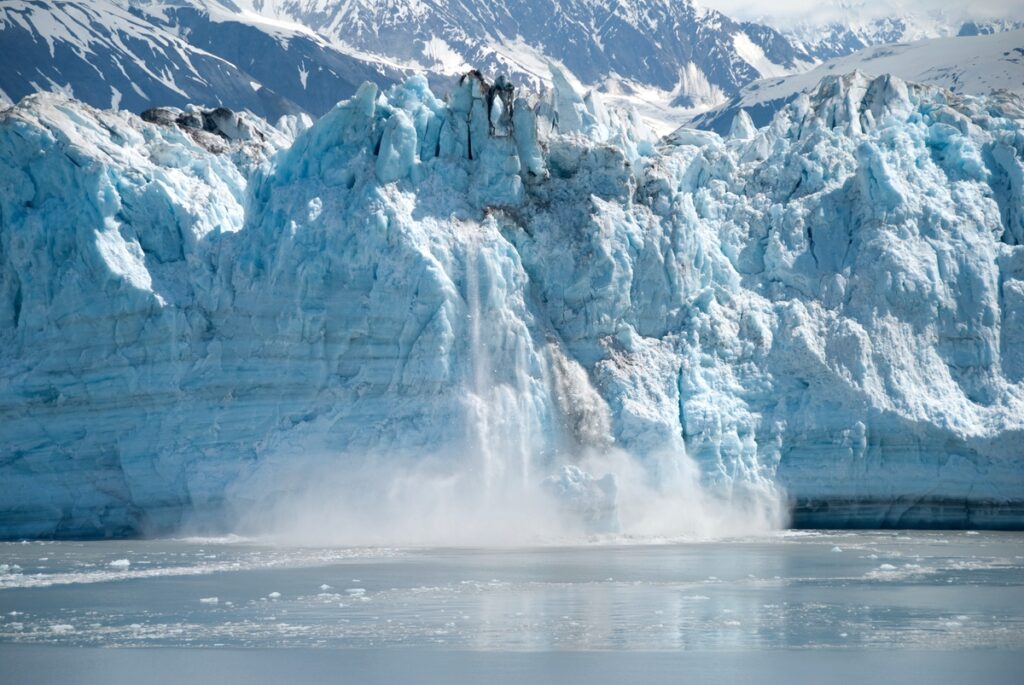
Instead of slow, uniform thinning, the robot detected concentrated melt zones forming narrow channels under the ice. Warm currents focused energy into specific areas, carving pathways upward into the shelf.
This uneven erosion weakens ice faster than gradual thinning because stress concentrates around vulnerable points. Once these zones expand, collapse risk increases sharply. Researchers have theorized this process for years, but continuous confirmation was limited, as discovered by scientists publishing in Nature. The recovered data showed these melt hotspots were actively forming during the robot’s isolation period.
4. Currents beneath the ice moved faster.
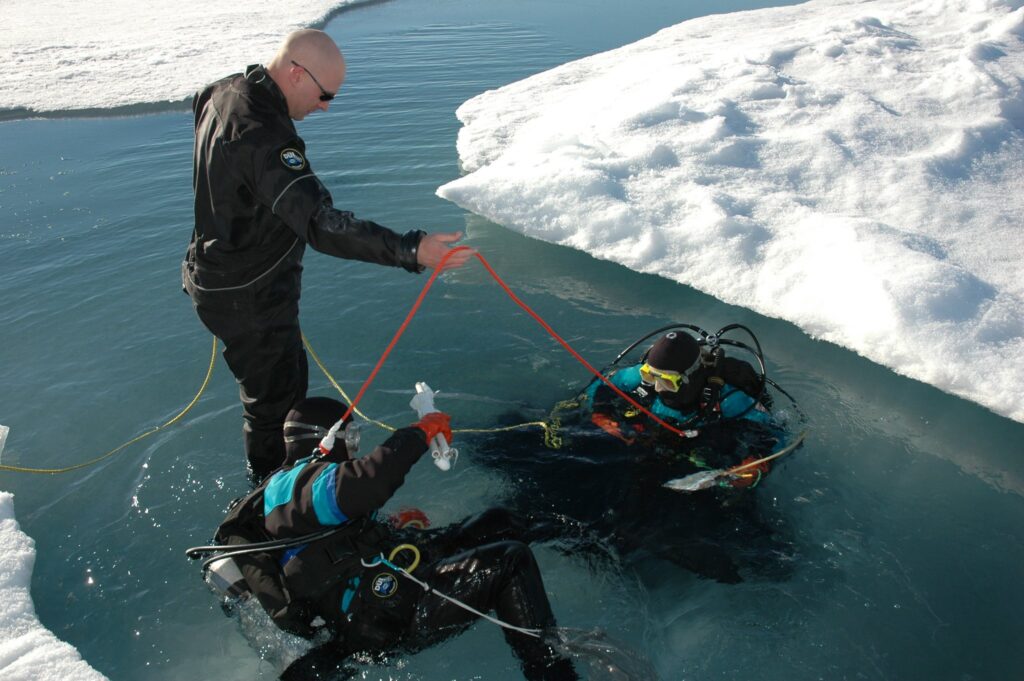
Flow sensors revealed currents beneath the ice shelf were stronger and more variable than models predicted. Rather than slow circulation, water moved in pulses tied to tides, seasonal shifts, and pressure gradients.
Faster currents transport heat efficiently, spreading warmth across large sections of the ice base. This mobility explains why melting can accelerate rapidly once conditions change. The robot’s long deployment captured transitions that short missions miss, revealing how dynamic sub ice circulation redistributes ocean heat in ways satellites cannot observe.
5. Freshwater layers altered ocean behavior locally.
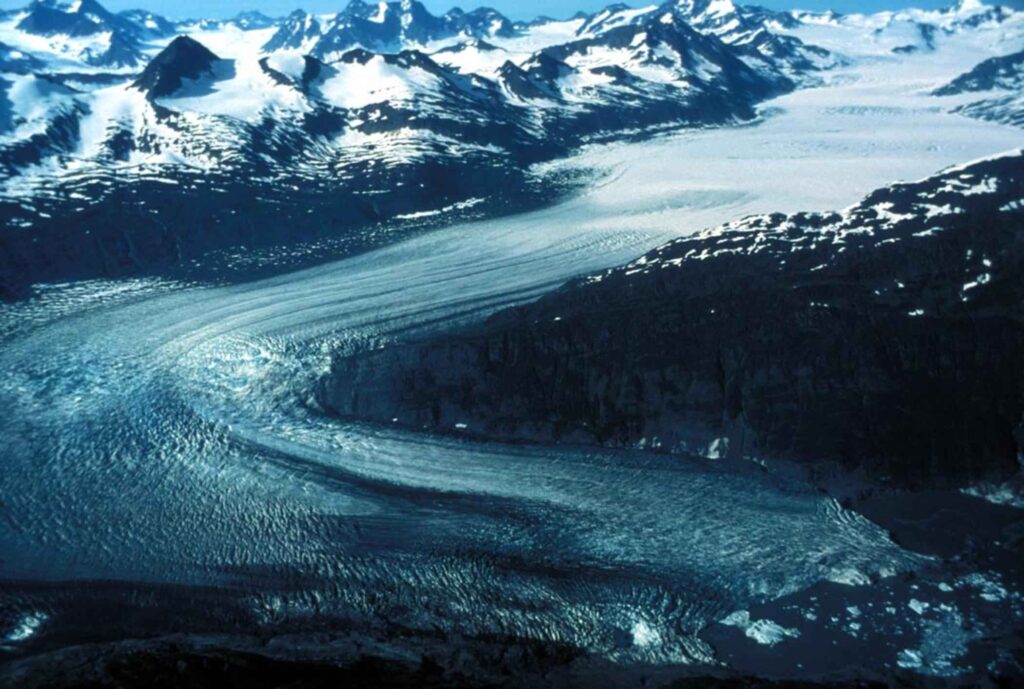
Melting ice released freshwater that pooled beneath the shelf, creating distinct layers of differing density. The robot recorded persistent stratification that disrupted normal vertical mixing.
Instead of cooling the system, freshwater trapped warmer seawater below, intensifying contact with the ice. This feedback loop allows melting to sustain itself. Without direct measurements, these interactions remain hidden. The robot’s data showed how meltwater does not simply disperse but actively reshapes the sub ice environment in ways that accelerate further ice loss.
6. Ice shelf vibrations revealed structural stress.
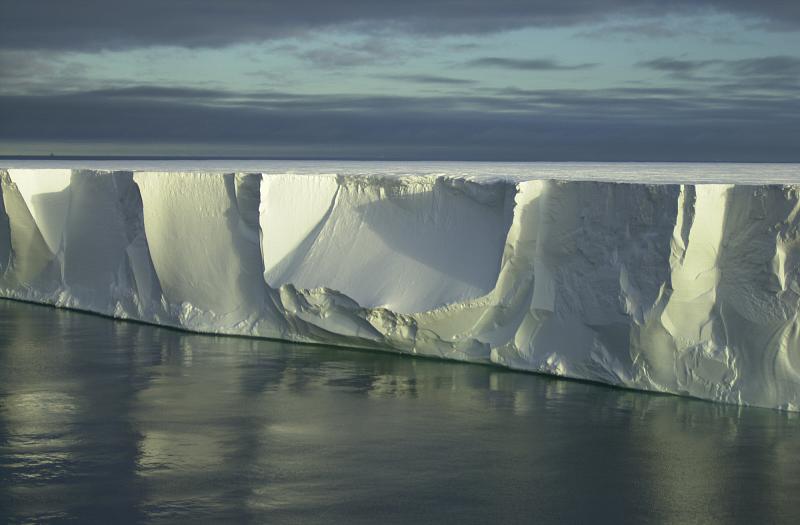
Motion sensors detected subtle flexing and vibrations within the ice shelf above. These movements followed tidal cycles and intensified during warm water intrusions beneath the ice.
Though invisible from the surface, repeated stress weakens internal structure over time. Microfractures can expand quietly until failure accelerates. The robot showed that thermal erosion and mechanical stress operate together. Ice shelves behave less like rigid platforms and more like living structures responding constantly to ocean forces below them.
7. Seasonal transitions occurred faster than expected.
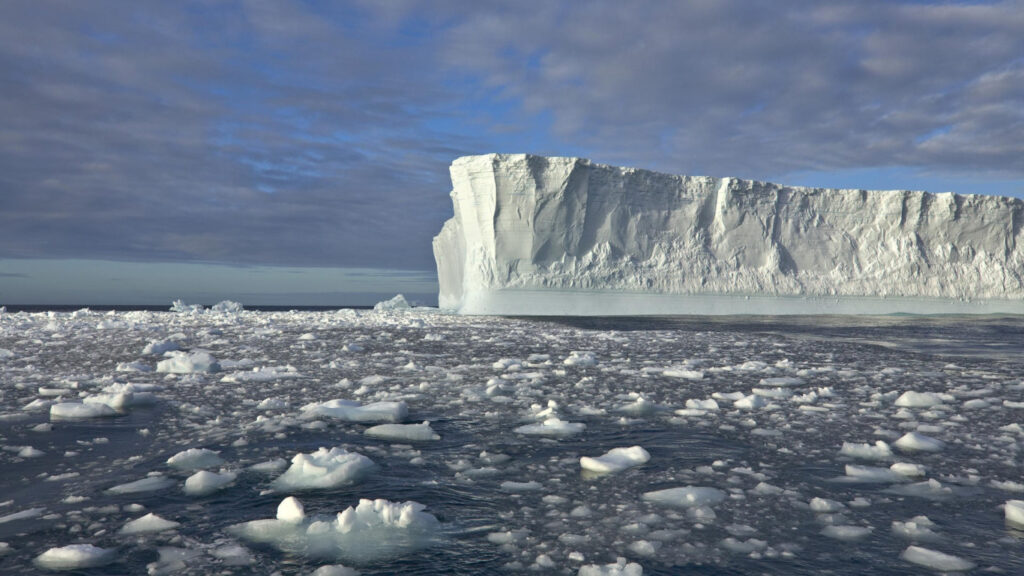
Data revealed sharp shifts between winter and summer conditions beneath the ice. Temperature and current changes unfolded over days rather than weeks.
Such rapid transitions limit recovery time for ice shelves between melt periods. Instead of gradual adjustment, the system experiences repeated stress shocks. This compression of seasonal cycles places added strain on ice already weakened by warming oceans. The robot’s continuous monitoring captured timing details that seasonal expeditions routinely miss.
8. Model assumptions failed against real measurements.
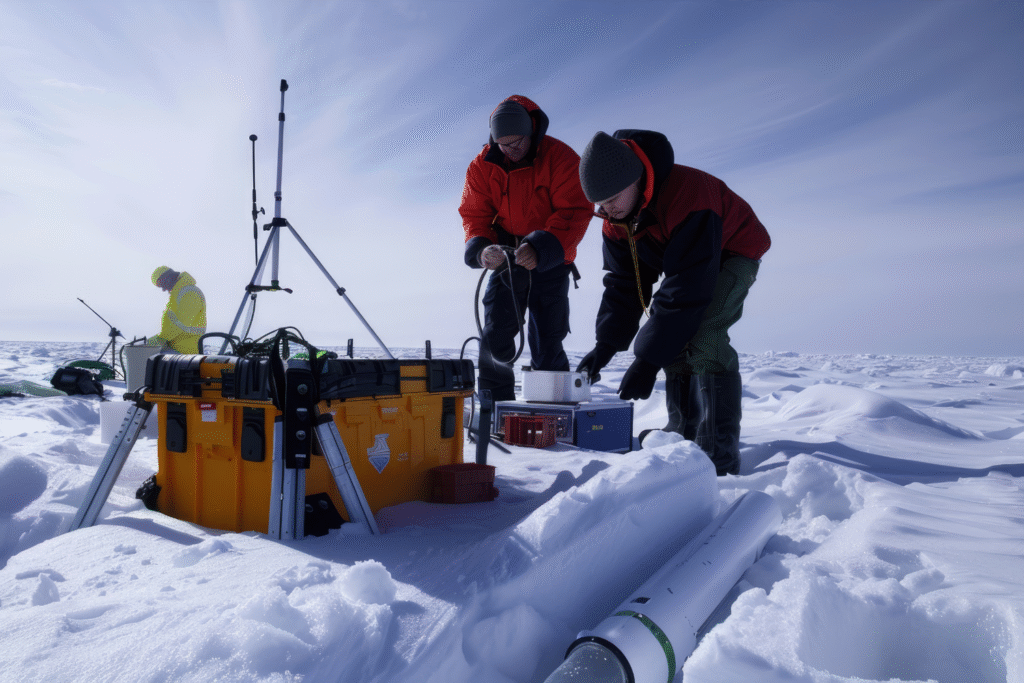
Comparing recorded data with existing climate models exposed significant gaps. Models underestimated how often warm water reached the ice base and how strongly currents responded.
These discrepancies matter because they affect sea level rise projections. Small underestimations compound across Antarctica’s vast ice shelves. The recovered dataset offers a rare calibration tool, highlighting processes that remote sensing cannot resolve and underscoring the need for more direct under ice observation.
9. Extended autonomy transformed scientific value.
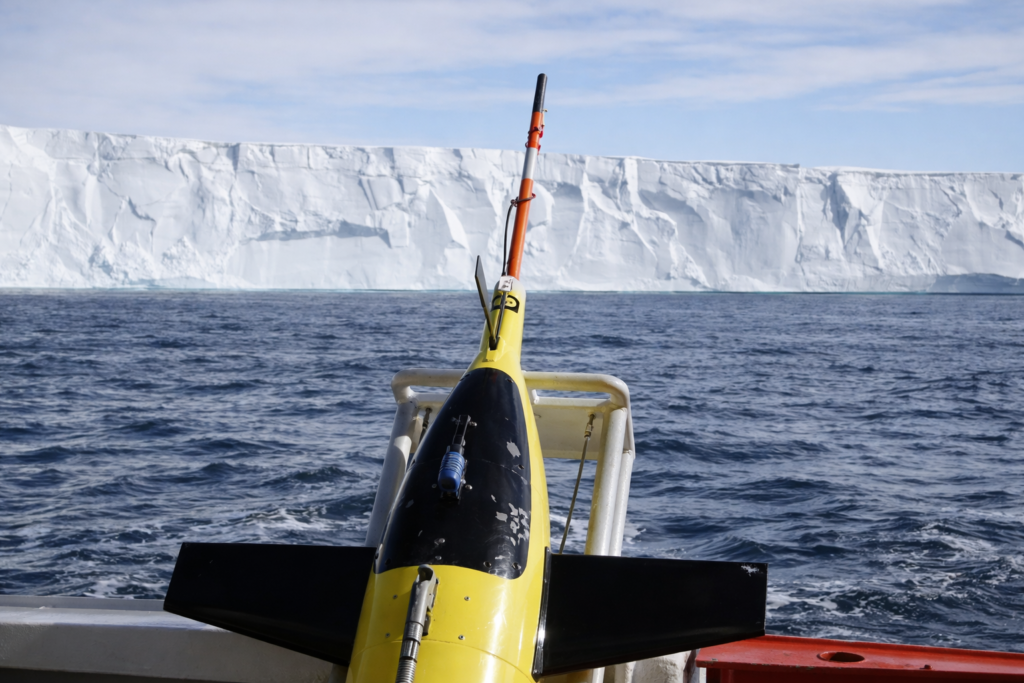
Because the robot operated far longer than planned, it captured slow feedback processes rarely observed continuously. Short missions often miss cumulative interactions between melt, circulation, and stress.
The unintended endurance revealed trends only visible over months. These include reinforcing loops that accelerate ice loss gradually before rapid change. What was assumed lost became one of the most informative sub ice records ever collected, reshaping how scientists think about mission duration.
10. Deeper instability zones are now priority targets.
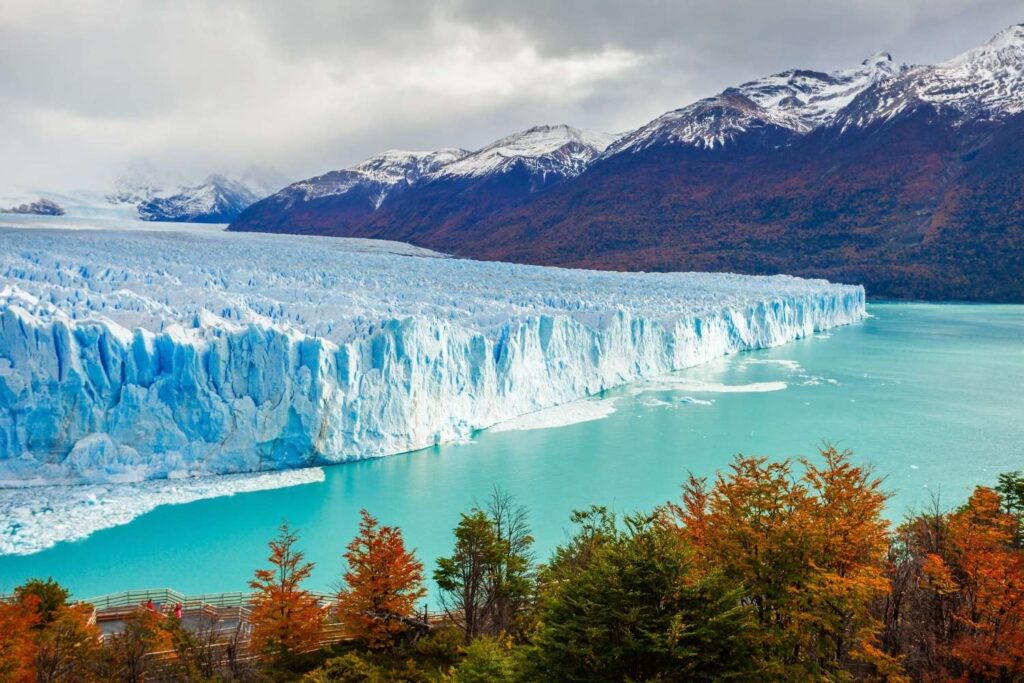
The recovered data redirected attention toward deeper grounding lines and hidden channel networks beneath ice shelves. These areas appear critical for detecting early instability.
Future robots are now being designed to linger longer and navigate more complex under ice terrain. The findings suggest destabilization begins well below the surface, long before visible collapse. Monitoring these zones may determine how quickly Antarctica contributes to global sea level rise in coming decades.