
Tiny sensory threads quietly recording emotional history.
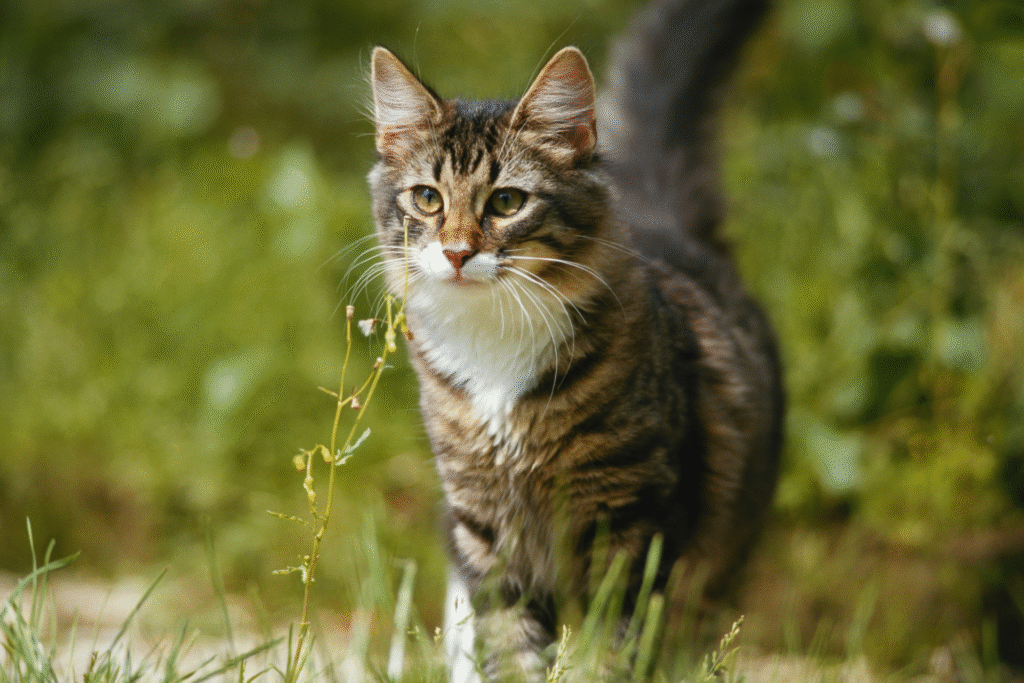
Stress in cats often hides beneath calm appearances. Long before behavior changes, the body records strain in subtle ways. Whiskers, deeply connected to nerves and blood supply, quietly capture these signals. As they grow, they absorb hormones linked to emotional and physical stress. Over weeks and months, whiskers preserve a timeline of what a cat experiences. Scientists now study these fibers to understand chronic stress patterns that once went unnoticed. The result is a biological record that reveals tension long before outward signs emerge.
1. Whiskers grow in biological layers over time.
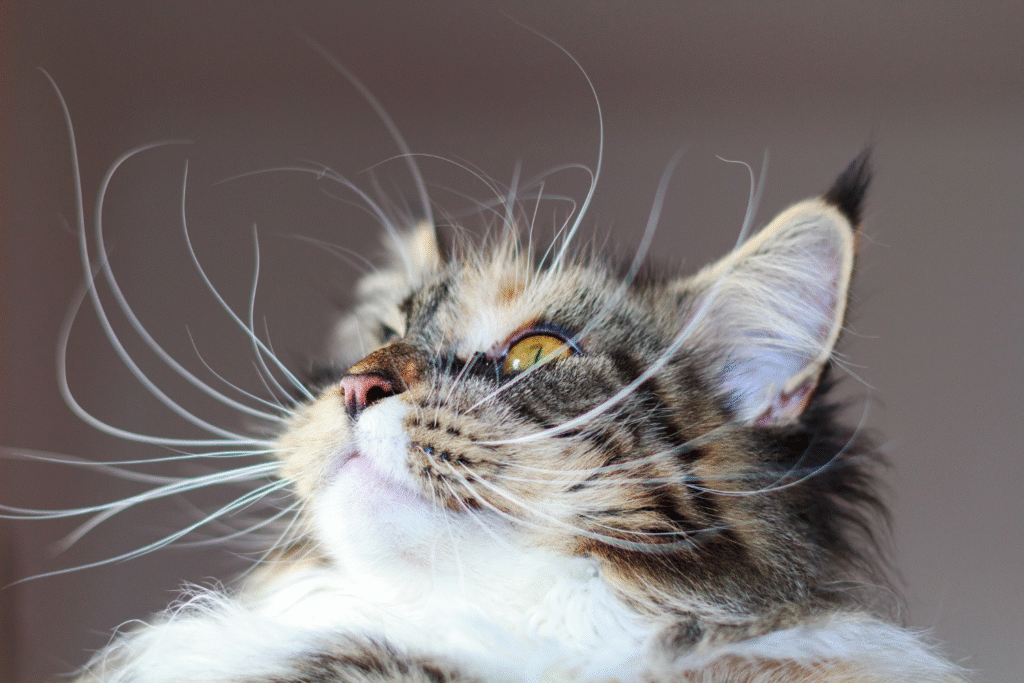
A cat’s whiskers grow slowly from follicles supplied with blood and nerves. As they lengthen, stress hormones circulating in the bloodstream become incorporated into the keratin structure. Cortisol does not appear evenly. It forms bands that correspond to periods of elevated physiological stress.
Because whiskers grow at a steady rate, each segment reflects a different window of time. Researchers analyzing whisker samples can reconstruct stress histories spanning weeks, according to research conducted by the University of Lincoln Animal Behaviour Cognition and Welfare Group.
2. Texture changes signal prolonged hormonal strain.
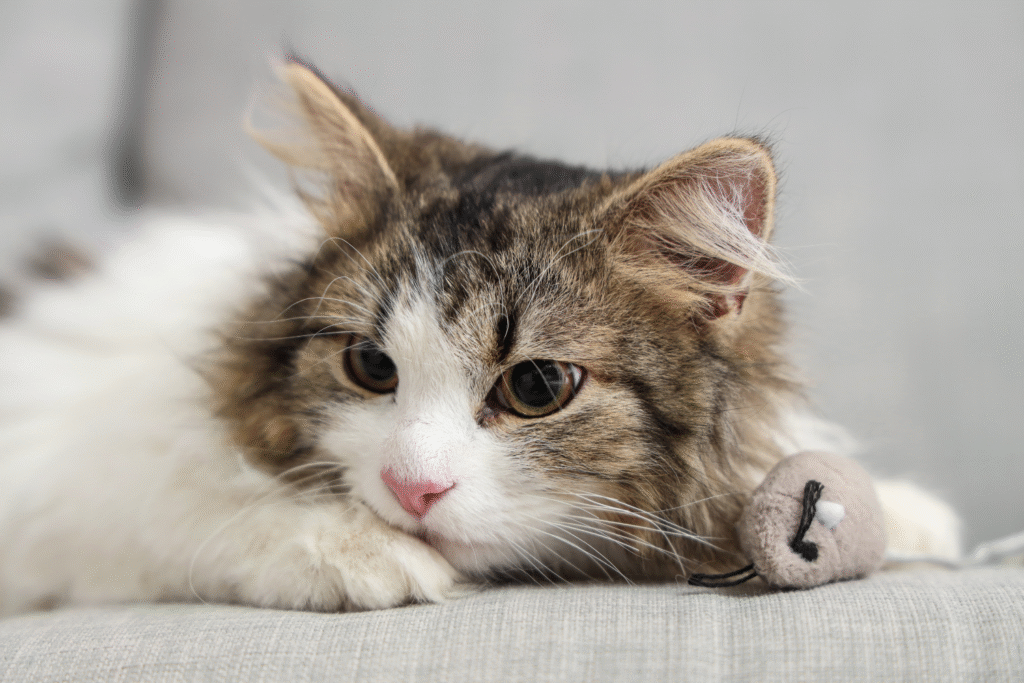
Under chronic stress, whiskers often lose uniform smoothness. They may feel coarse, develop subtle bends, or snap more easily. These physical changes are linked to cortisol disrupting keratin synthesis and mineral balance over extended periods.
Unlike sudden trauma, long term stress reshapes whiskers gradually. Veterinary studies connecting hair structure and stress hormones show similar effects across species. This link between persistent cortisol exposure and hair fragility has been documented, as reported by the American Veterinary Medical Association.
3. Whisker follicles respond directly to nervous system stress.

Each whisker sits inside a follicle packed with mechanoreceptors wired to the brain. Chronic stress keeps these nerves activated longer than intended, altering normal growth cycles.
Sustained neurological stimulation changes how follicles function and how whiskers regenerate. Research examining feline sensory pathways observed measurable follicle alterations in cats exposed to ongoing stressors, including environmental unpredictability and social tension, as discovered by researchers at the University of California Davis School of Veterinary Medicine.
4. Environmental instability leaves physical whisker records.

Household disruption affects cats even when behavior appears unchanged. Moving homes, rearranging furniture, or introducing unfamiliar animals repeatedly activates stress responses beneath the surface.
These hormonal fluctuations interrupt normal whisker growth. Subtle bands form along the shaft during stressful periods. When examined closely, these bands align with instability rather than illness, offering a physical record of environmental stress that can persist long after conditions stabilize.
5. Social tension reshapes whisker posture and wear.
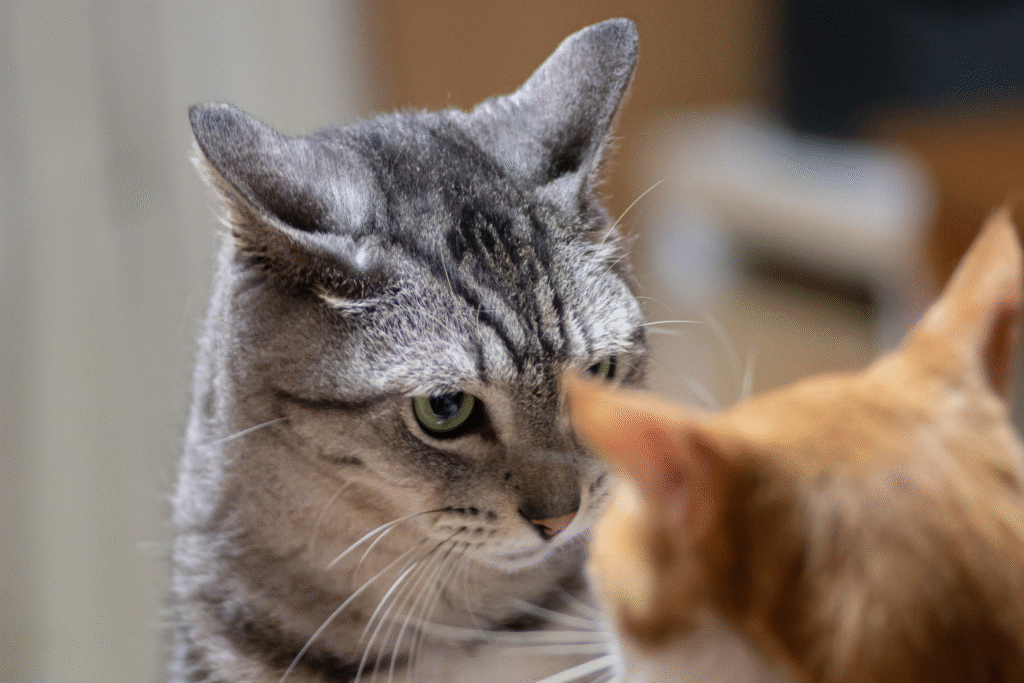
Cats living with unresolved social pressure often adjust their whisker position defensively. Whiskers are held closer to the face, limiting sensory exposure during prolonged anxiety.
Maintained over time, this posture increases friction against walls, bowls, and bedding. The result is uneven wear or breakage patterns. These changes reflect ongoing emotional strain rather than temporary discomfort, particularly in crowded multi cat environments where tension quietly lingers.
6. Chronic pain quietly alters whisker growth cycles.

Long term pain keeps a cat’s stress system activated even during rest. Conditions like arthritis, dental disease, or digestive disorders raise cortisol continuously without dramatic outward signs.
That hormonal pressure shortens whisker growth cycles. Whiskers may shed more frequently or regrow thinner and uneven. These changes often appear before owners recognize discomfort, making whiskers an early physical indicator of pain related stress developing beneath the surface.
7. Indoor confinement produces subtle but lasting stress signals.

Indoor living reduces exposure to danger but can introduce chronic low grade stress. Limited territory, repetitive routines, and restricted stimulation gradually affect stress regulation.
Over time, cortisol influences whisker growth speed and thickness. Compared with cats in enriched environments, confined cats often develop slower growing, finer whiskers. These changes reflect persistent emotional strain rather than boredom, capturing stress patterns that quietly accumulate indoors.
8. Traumatic events leave sharp markers within whiskers.
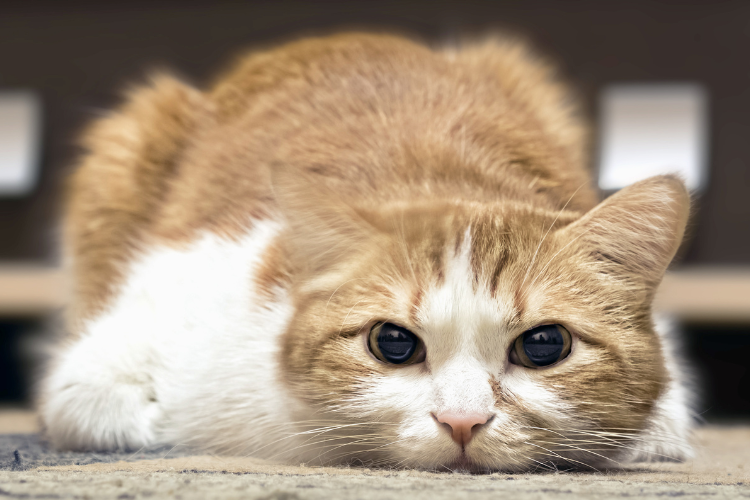
Sudden frightening experiences trigger intense cortisol spikes. Unlike chronic stress, these events imprint narrow, concentrated bands along the whisker shaft.
If anxiety continues afterward, those bands widen as stress becomes prolonged. Whiskers preserve this transition clearly. Even when behavior stabilizes, the physical record remains, offering evidence of trauma that occurred weeks or months earlier.
9. Aging amplifies stress patterns preserved in whiskers.
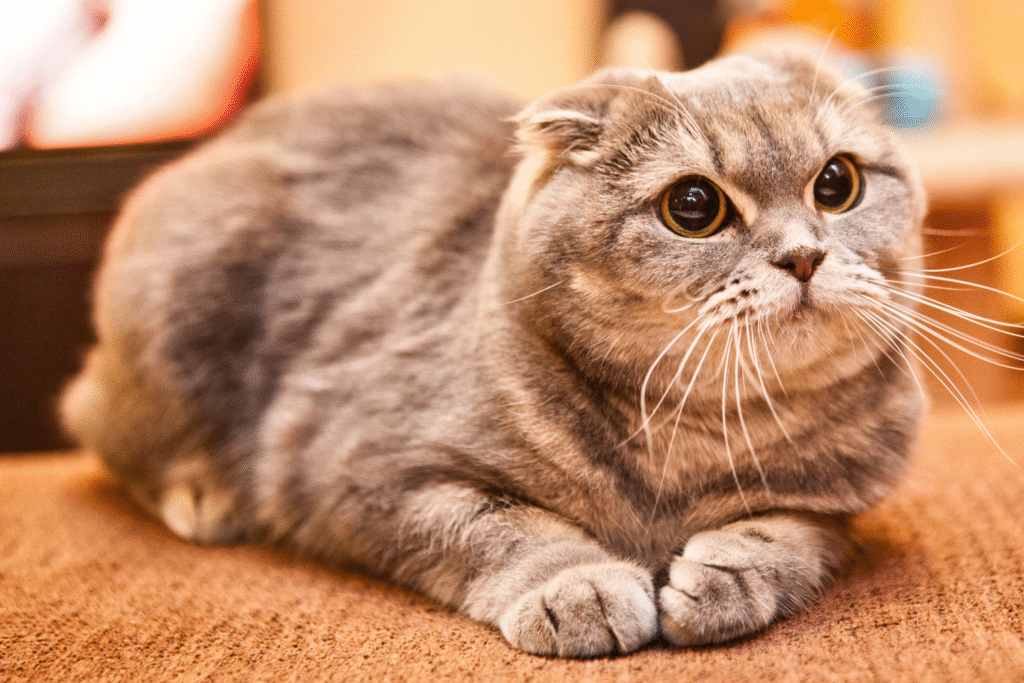
As cats age, their ability to regulate stress hormones weakens. Minor disruptions produce longer cortisol elevations than in younger animals.
Whiskers reflect this shift. Growth irregularities become more pronounced, and stress markers appear denser. These changes help explain why senior cats seem more sensitive and why whisker analysis becomes increasingly revealing later in life.
10. Whiskers reveal stress long before behavior changes.
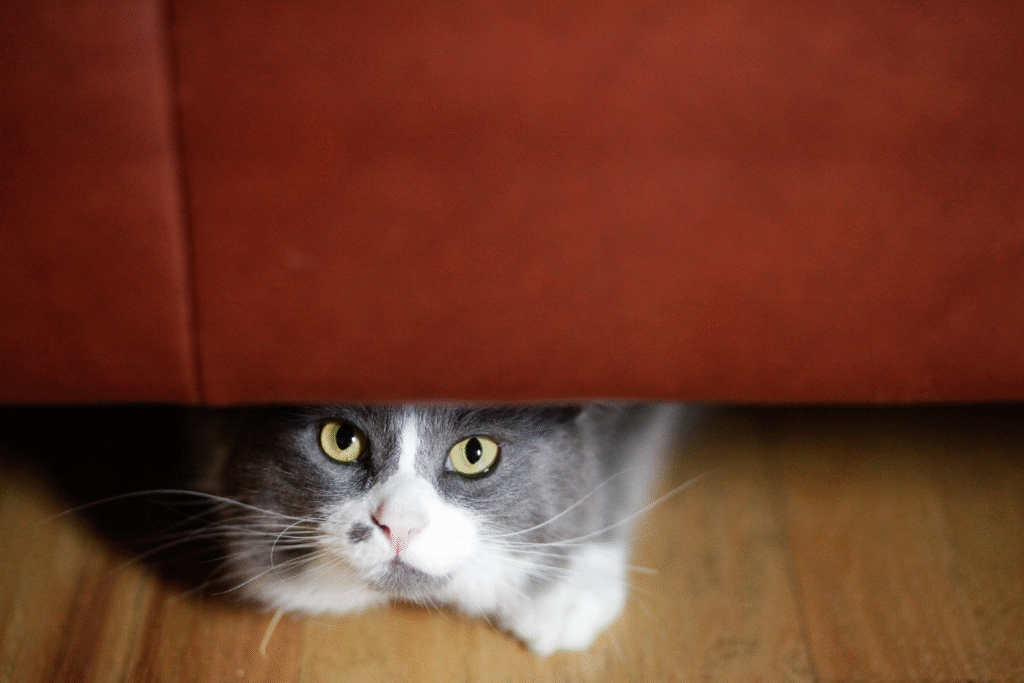
Behavioral signs often appear only after stress becomes overwhelming. By then, physiological damage may already exist.
Whiskers respond sooner. Their structure and chemistry shift quietly with sustained hormonal exposure. Observing these subtle changes offers insight into emotional health long before stress reshapes behavior, allowing earlier intervention and better long term outcomes for cats.