
Canine senses register tension long before awareness.
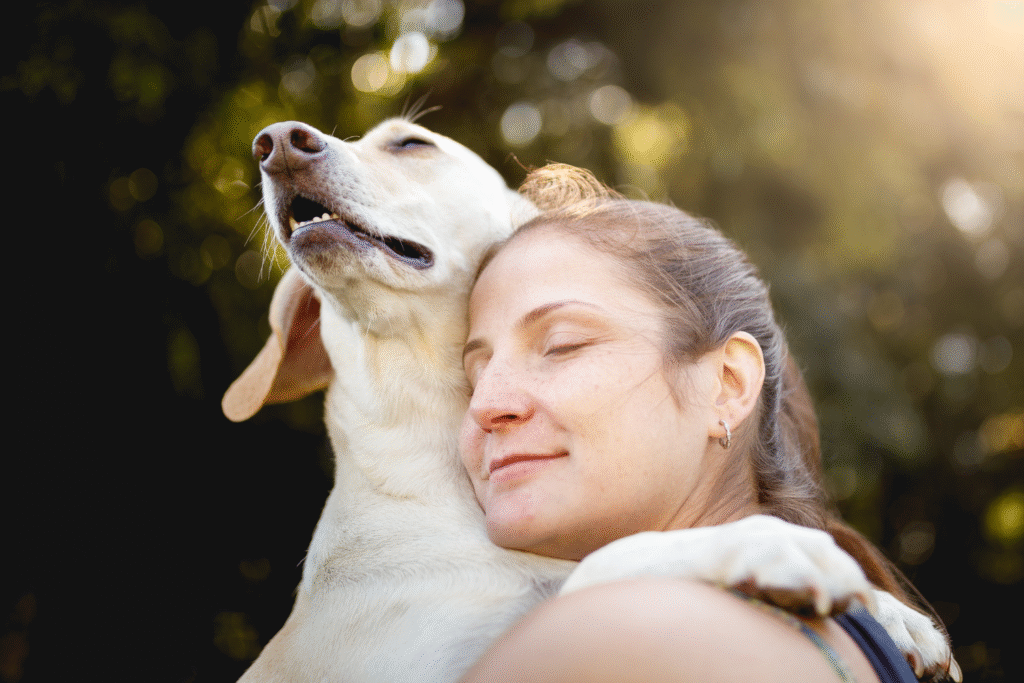
Stress rarely arrives with a clear signal. It seeps into breathing, posture, chemistry, and daily rhythm before the mind catches up. Dogs live close enough to notice every shift. Their perception is rooted in biology shaped by thousands of years alongside humans. While people normalize discomfort or stay distracted, dogs respond to the earliest cues. They track scent, sound, and movement continuously, building a real time picture of emotional state. What feels like intuition is actually precise observation unfolding quietly inside familiar spaces.
1. Dogs detect hormonal shifts through scent changes.
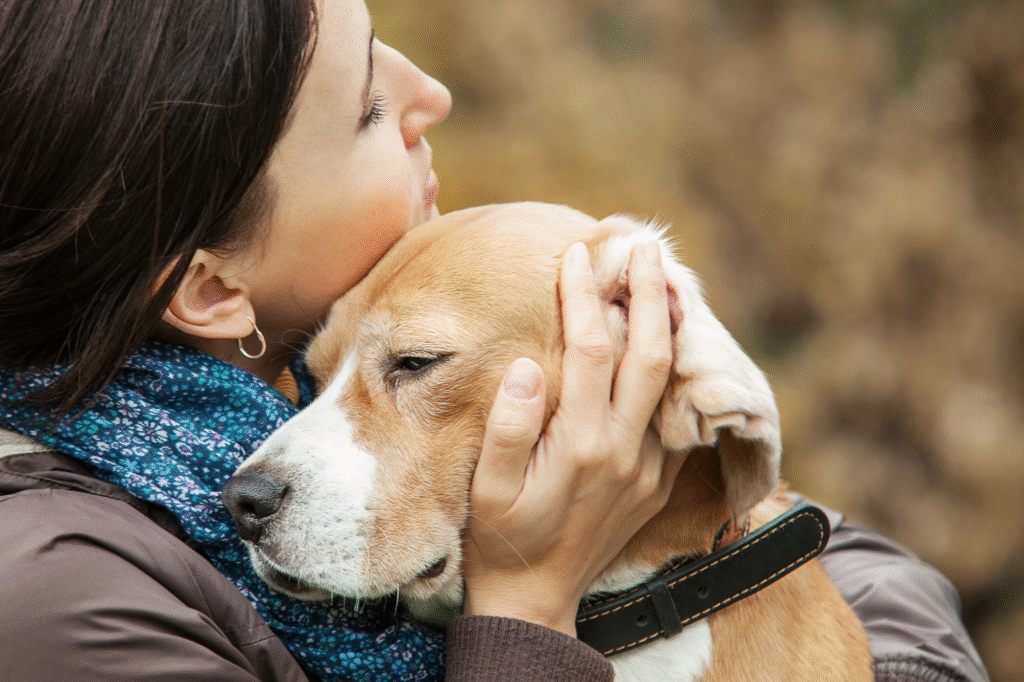
When stress activates the human body, cortisol and adrenaline circulate rapidly through the bloodstream. These hormones subtly alter skin oils, breath chemistry, and sweat composition within minutes. Dogs possess extremely sensitive olfactory systems capable of detecting microscopic chemical changes others cannot perceive.
In controlled experiments, dogs identified stressed individuals using scent alone, even without visual contact. Their responses shifted consistently when exposed to stress related odors, according to research published by the University of Bristol examining canine detection of human psychological stress.
2. Breathing rhythm disruptions register before conscious awareness.

Stress alters breathing automatically. Inhalations shorten, pauses disappear, and exhalations tighten without deliberate control. These changes often occur during quiet moments and remain unnoticed by the person experiencing them.
Dogs synchronize closely with human breathing during rest. When rhythm shifts, dogs adjust position, attention, or proximity. Studies exploring physiological synchrony show dogs responding to altered breathing patterns during emotional stress, as reported by the American Psychological Association through research on human canine emotional alignment.
3. Muscle tension broadcasts stress through body posture.

Stress tightens muscles subtly. Shoulders lift, jaws clench, hands stiffen, and walking patterns change slightly. These shifts happen without conscious intent and are often mistaken for fatigue.
Dogs constantly monitor human movement. Altered posture or stiffness triggers alert or concern behaviors. Motion analysis research found dogs reacted to tense body language before verbal cues emerged, as discovered by researchers at the University of Vienna studying dog human communication and perception.
4. Heart rate changes influence canine proximity decisions.

Stress elevates heart rate even when a person appears calm. Though dogs cannot hear the heart directly, they sense associated micro movements and vibrations during close contact.
Dogs often reposition themselves when rhythms change. They may lean closer, remain watchful, or withdraw slightly. These responses emerge before humans notice palpitations, reflecting dogs’ sensitivity to internal physiological shifts communicated through subtle physical cues.
5. Vocal tone shifts carry emotional information.

Stress alters vocal tone more than words. Pitch rises slightly, cadence tightens, and pauses shorten even when speech sounds controlled and neutral.
Dogs respond primarily to tone patterns rather than language. Changes in rhythm or pitch prompt immediate behavioral adjustment, such as increased attention or caution. Dogs detect emotional strain embedded in sound long before humans recognize tension in their own voices.
6. Routine deviations alert dogs to internal imbalance.

Stress quietly disrupts habits before people recognize emotional strain. Movements speed up, steps are skipped, and familiar actions repeat without awareness. These changes feel insignificant but reflect internal dysregulation beginning to take hold beneath conscious notice.
Dogs memorize routines with precision shaped by repetition. When timing, order, or gestures shift, they respond with vigilance. Skipped walks, delayed meals, altered cues, or rushed movements signal imbalance. Dogs interpret disruption as emotional change rather than simple scheduling differences, adjusting behavior accordingly.
7. Eye movement patterns reveal cognitive overload.

Mental stress narrows attention. Eye movements sharpen, blinking rates shift, and gaze loses fluidity as cognitive load increases. These changes happen automatically and often escape self awareness during demanding moments.
Dogs watch faces closely during interaction. Altered eye behavior triggers concern responses such as hovering, stillness, or disengagement. These reactions frequently appear before humans recognize mental overload, demonstrating dogs’ sensitivity to subtle visual indicators of emotional strain.
8. Skin temperature changes provide silent stress cues.

Stress redirects blood flow toward the core, cooling hands and extremities without visible sweating. These shifts occur quietly and persist during prolonged emotional tension.
Dogs sense temperature through touch and proximity. They adjust contact instinctively, moving toward warmth or avoiding colder areas. These thermal cues help dogs track emotional states continuously even when other behavioral signs remain minimal.
9. Sweat chemistry shifts without visible perspiration.

Emotional stress alters sweat composition through apocrine glands, releasing compounds associated with anxiety even when skin appears dry. Humans rarely perceive these chemical changes.
Dogs detect altered sweat chemistry instantly through scent. Their behavior shifts despite the absence of visible cues. This constant chemical signaling provides dogs with ongoing emotional information that bypasses conscious awareness entirely.
10. Energy fluctuations signal stress before awareness.

Stress disrupts energy regulation unpredictably. Movements become abrupt or sluggish, posture changes subtly, and engagement feels uneven without obvious explanation.
Dogs respond by adjusting interaction patterns. They may become protective, withdrawn, or unusually attentive. These behavioral shifts reflect early detection of imbalance, often occurring well before humans consciously recognize accumulating stress.