
The jungle just handed Caracol a new beginning.
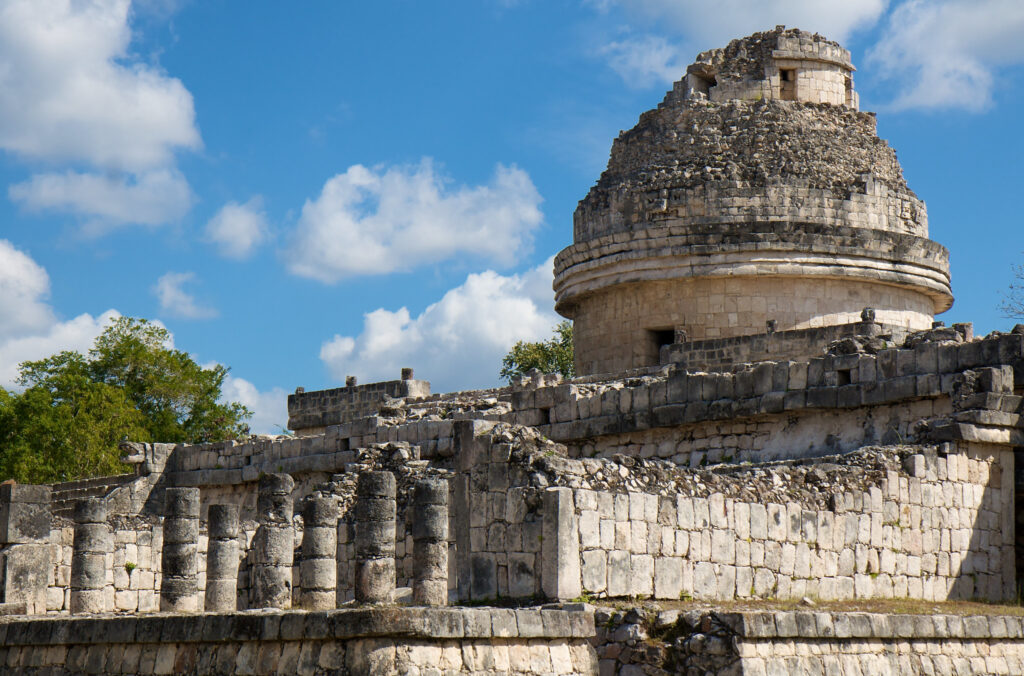
In July 2025, a long running excavation at Caracol in western Belize surfaced something archaeologists rarely get, a royal tomb tied to a named founder. Caracol has always been big, complicated, and politically loud in Maya history, but its earliest chapters were hazier than its later wars and monuments. Now a burial tucked inside an elite complex is forcing scholars to rethink when Caracol became a kingdom, and how early its rulers were already plugged into the wider Mesoamerican world.
1. A founder finally has a physical resting place.
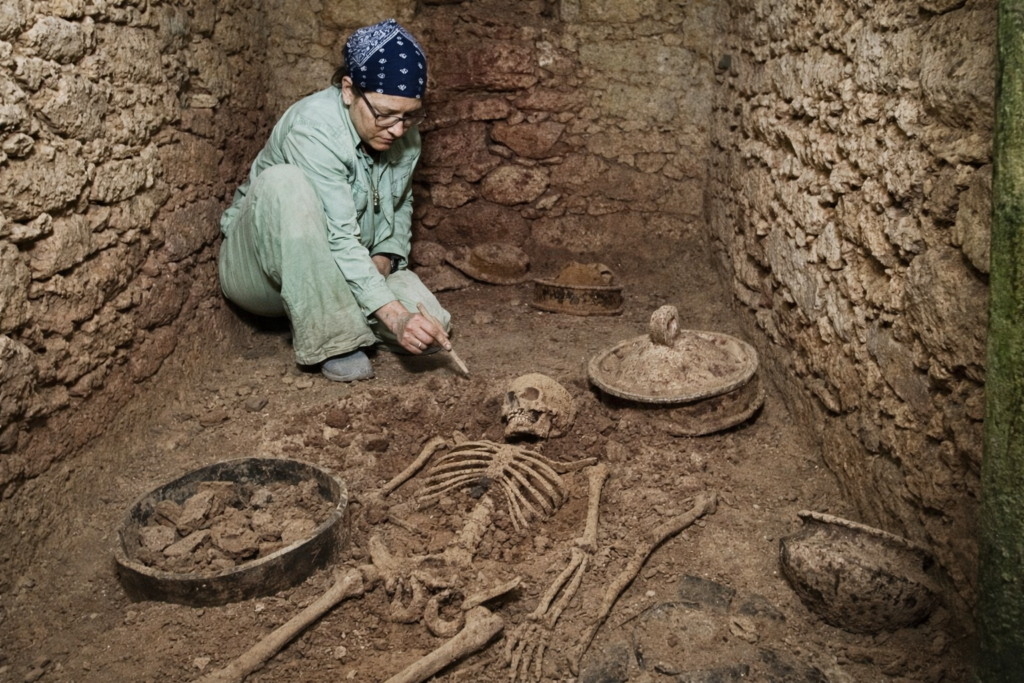
In the January 2025 field season at Caracol, the team working the Northeast Acropolis uncovered a sealed chamber with cremated remains and a dense cluster of elite goods. The burial was later identified as belonging to Te K’ab Chaak, a ruler recorded in later inscriptions as the dynasty’s founder, who is thought to have taken the throne in AD 331. Finding a tomb you can connect to a specific historical name is rare in Maya archaeology, and it changes what can be argued with confidence.
The location matters as much as the identity. The tomb was placed within a high status architectural setting near the city’s core, not in a peripheral shrine. That suggests Caracol’s first kings were not symbolic figureheads, they were already building a center of gravity that later rulers expanded into a regional power, as stated by the University of Houston announcement.
2. Grave goods hint at power, ritual, and diplomacy.
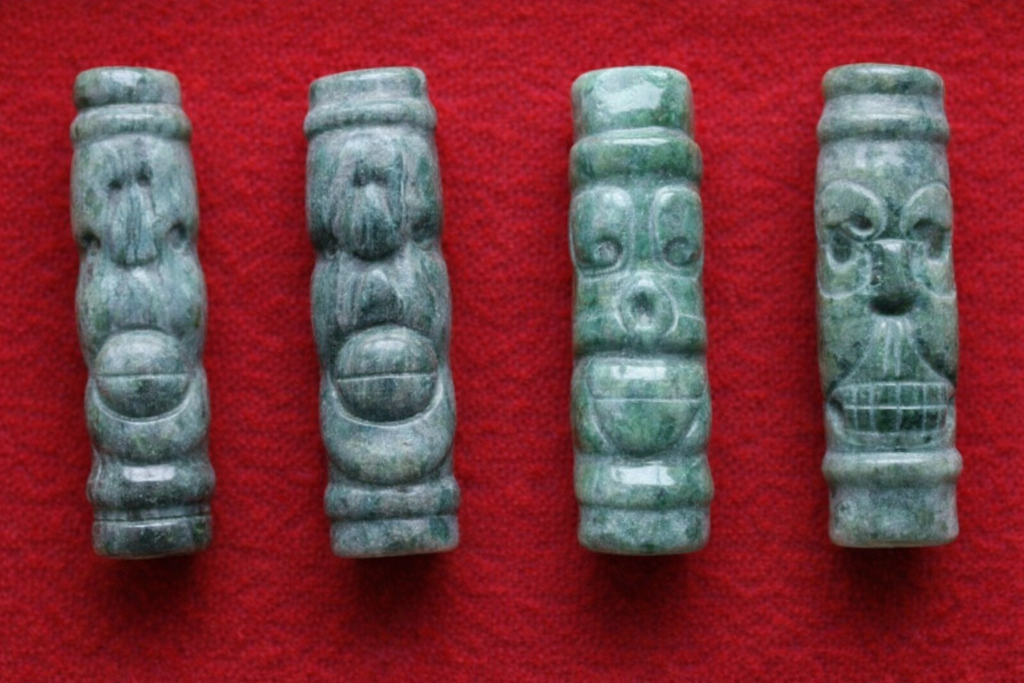
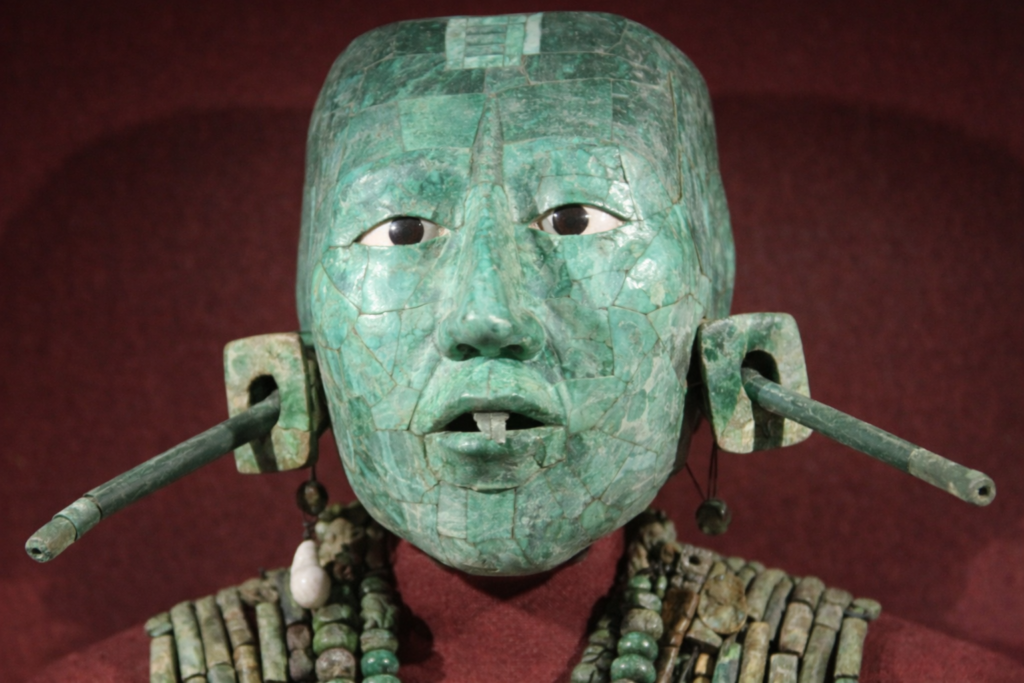
The tomb was not a quiet burial with a few offerings. Archaeologists reported jadeite jewelry, carved bone tubes, marine shells, and a set of ceramic vessels, the kind of assemblage that signals courtly status and carefully staged ritual. A jade mosaic mask is especially telling, because it implies a ruler meant to be seen as transformed, not simply dead, and it places the burial in a broader tradition of elite spectacle.
What makes this rewrite Caracol’s origins is the social message embedded in the objects. These items represent access, networks, and skilled labor, meaning the founding court could command resources and symbolism early on. That challenges the older assumption that Caracol’s political sophistication arrived later, after it had time to mature into a major city. The story now points to an organized dynasty at the start, not a slow climb, as reported by National Geographic.
3. The tomb sits in a strategic palace landscape.
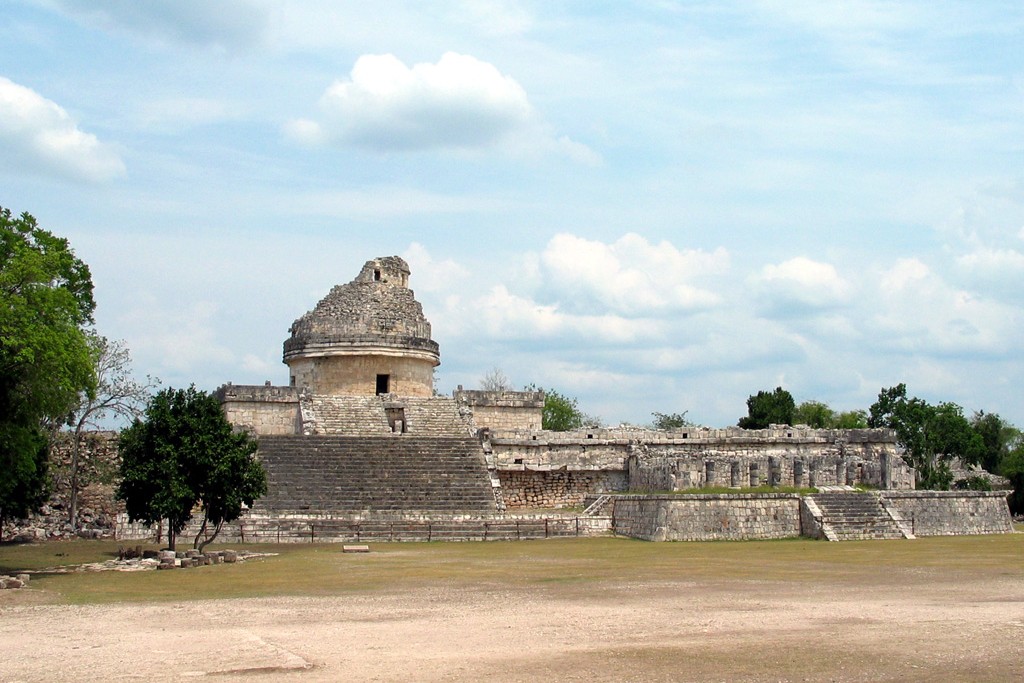
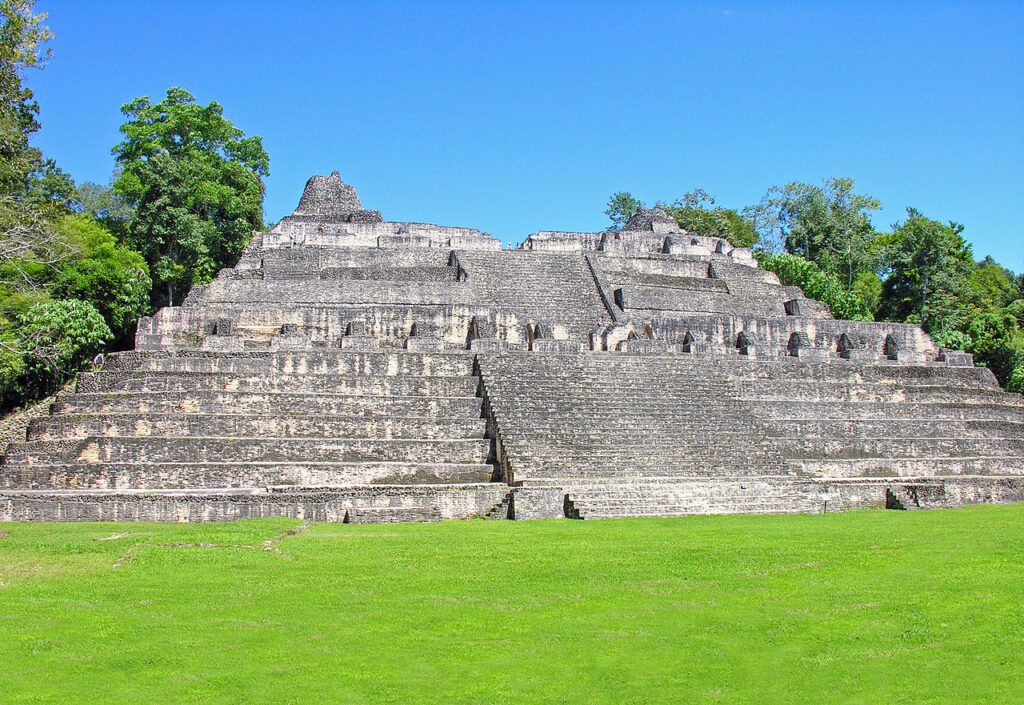
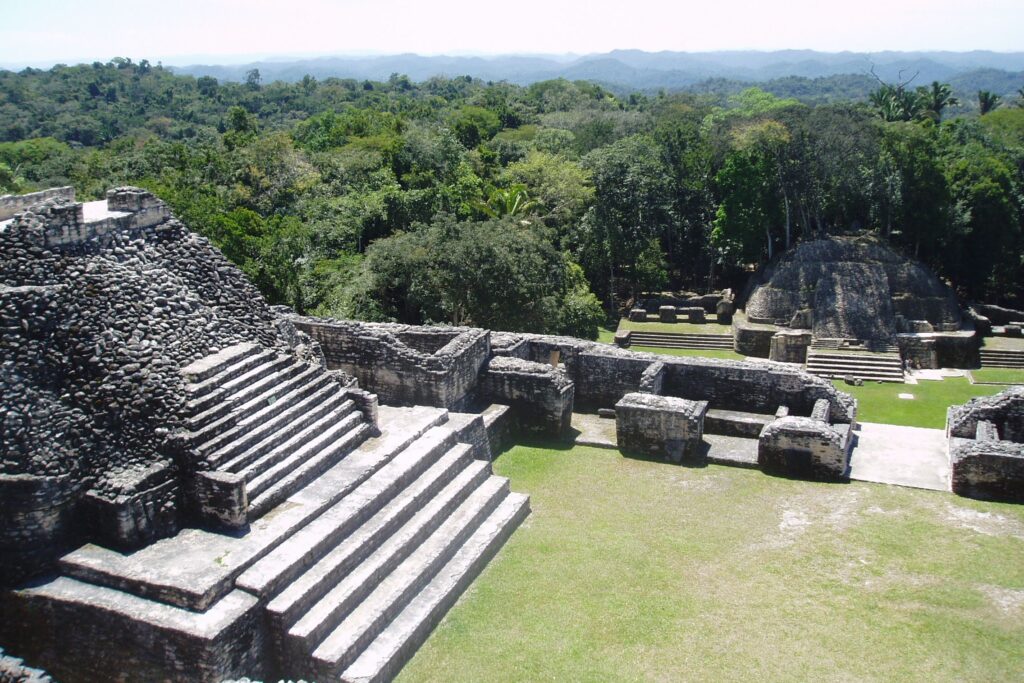
Caracol is famous for monumental architecture like Caana, but this tomb came from the Northeast Acropolis, an elite complex tied to governance and display. That placement suggests the founding dynasty anchored itself in a space designed for control, not just commemoration. When a royal burial is integrated into a living political landscape, it implies continuity between the ruler’s body, the built environment, and the authority of successors.
The dating is also a key pivot. The tomb is placed around the mid fourth century, which means Caracol had a named ruler, dynasty level ritual, and an elite architectural program before some of the major foreign influence events that later shaped Maya politics. In other words, Caracol did not become royal because someone else taught it how. It was already acting like a kingdom early, and that shifts how scholars interpret later outside contacts, according to Live Science.
4. Caracol looks less like a late bloomer.
Before this discovery, it was easier to picture Caracol as a settlement that only became politically complex after centuries of growth. A founder’s tomb pushes the timeline in the opposite direction. It suggests early consolidation, early hierarchy, and early investment in legitimacy. You do not build dynasty memory without a dynasty, and you do not create royal burial theater without an audience trained to understand it.
This changes how the city’s later dominance is framed. Caracol became a heavyweight in the Classic period, but the roots of that power now look deeper. A kingdom that begins with a recognized founder can build alliances, extract labor, and coordinate expansion sooner than a loose community can. The practical outcome is that Caracol’s later wars and monumental building campaigns may reflect long standing political machinery rather than sudden emergence.
5. The burial practices point beyond local tradition.
The tomb itself is only one piece of a larger cluster of early burials at Caracol that show surprising ritual choices. Archaeologists have described cremation contexts and offerings that feel more aligned with broader Mesoamerican patterns than a narrow local script. When a royal family experiments with burial forms, it can signal curiosity, contact, or a deliberate political statement meant to separate elites from everyone else.
That matters because origin stories are often told as purely local development. Caracol’s early court may have been both deeply Maya and strategically outward looking. A ruler can be a founder and still be cosmopolitan. If certain rituals were borrowed or adapted, they could have been tools for signaling prestige and long range connection. The early dynasty begins to look like it was already negotiating identity, power, and foreign influence, all at once.
6. Teotihuacan ties may need a new interpretation.
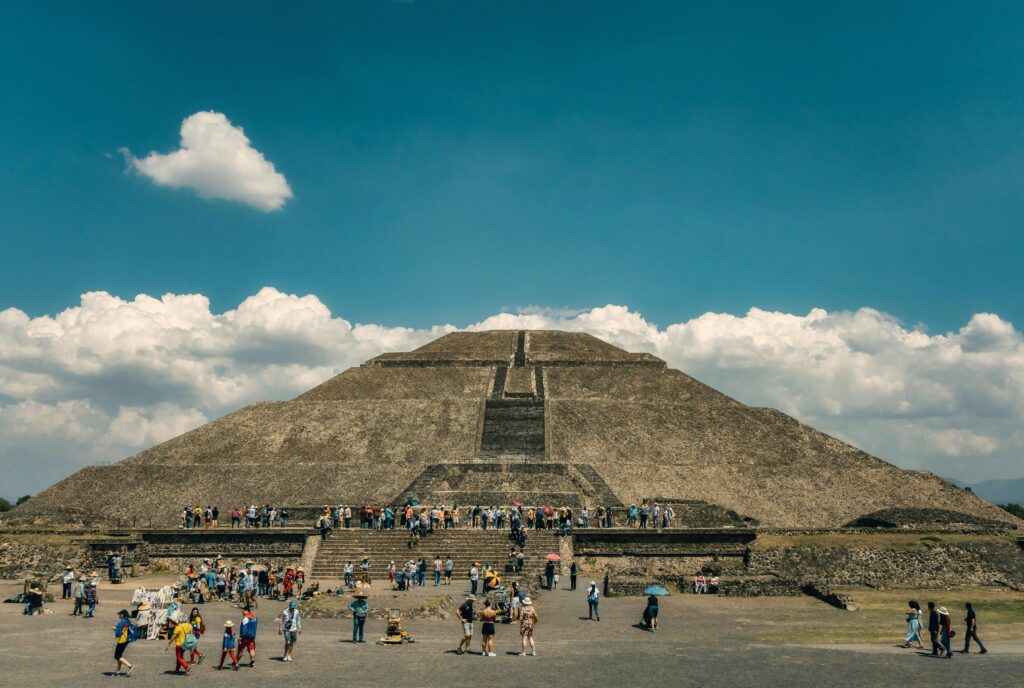
Classic Maya history includes the famous Entrada in AD 378, when Teotihuacan linked forces appear to reshape politics across parts of the Maya region. Caracol has long been discussed in relation to those broader shifts, with debates about when and how central Mexican influence arrived. A founder’s tomb dated earlier forces a rethink of the direction of influence. Caracol had leadership and ideology in place before that larger regional jolt.
Instead of viewing outside contact as the spark that created kingship, it now looks more like an accelerant poured onto an existing system. That is a quieter but more powerful claim. It suggests Caracol’s rulers may have engaged Teotihuacan as peers, clients, rivals, or diplomatic partners, rather than as students. The tomb makes the timing harder to ignore, and it reframes later imports as choices made by a functioning court.
7. Caracol’s political memory suddenly feels more solid.
Maya sites often have inscriptions that name early rulers, but connecting those names to actual bodies is rare. When a founder becomes tangible, the city’s dynastic narrative gains weight. It also helps archaeologists test whether later texts were propaganda or history. If the burial aligns with the name, location, and status later inscriptions imply, that boosts confidence in the reliability of parts of Caracol’s recorded past.
That matters for how Caracol is positioned against rivals like Tikal and Naranjo. Caracol’s later military victories have always been dramatic, but the deeper question is how it built the institutions capable of sustaining power. A confirmed founder implies stable succession planning and ritual continuity from the start. The city’s identity becomes less like a myth assembled after the fact and more like a dynasty with real early scaffolding.
8. The Northeast Acropolis becomes a new focal point.
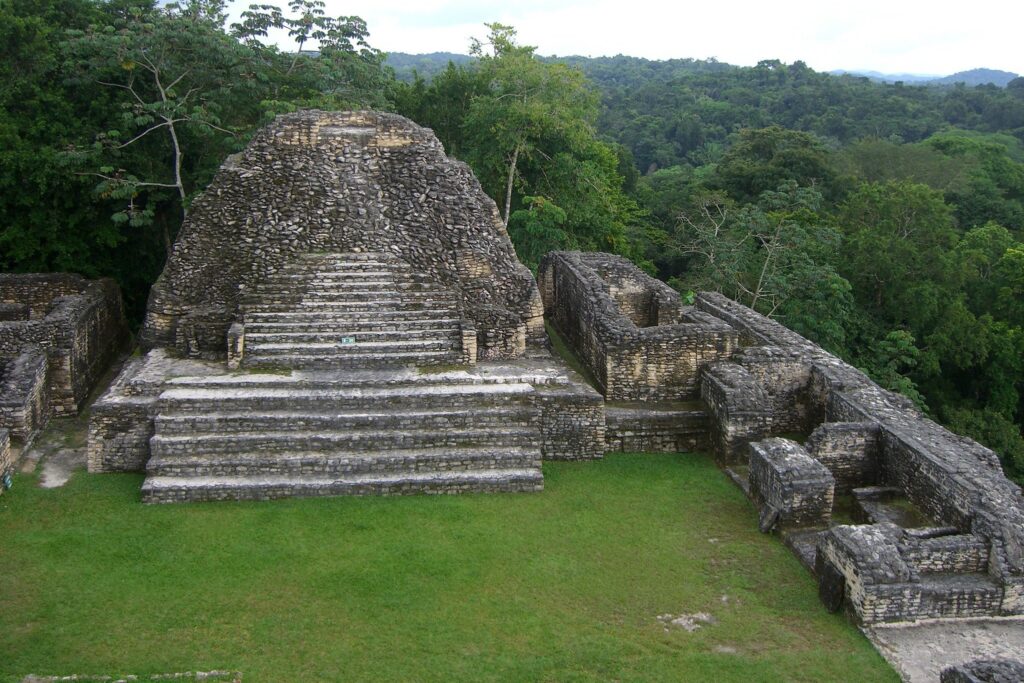
Caana dominates photographs, but this tomb pulls attention toward the Northeast Acropolis as a political nucleus that deserves more public imagination. Elite complexes are where decisions happen, where alliances are staged, and where authority is performed through architecture. If the founding ruler was buried in this zone, then the complex was not just a residence, it was a place where rulership was anchored.
That shift changes future excavation priorities. Archaeologists now have a stronger reason to treat nearby structures as part of a founding era court system, not just later expansions. It also changes how visitors might one day understand the site. The story becomes less about one pyramid and more about a living city plan, with political neighborhoods, sacred boundaries, and dynastic spaces built to manage people as much as gods.
9. Belize’s heritage story gains a sharper timeline.
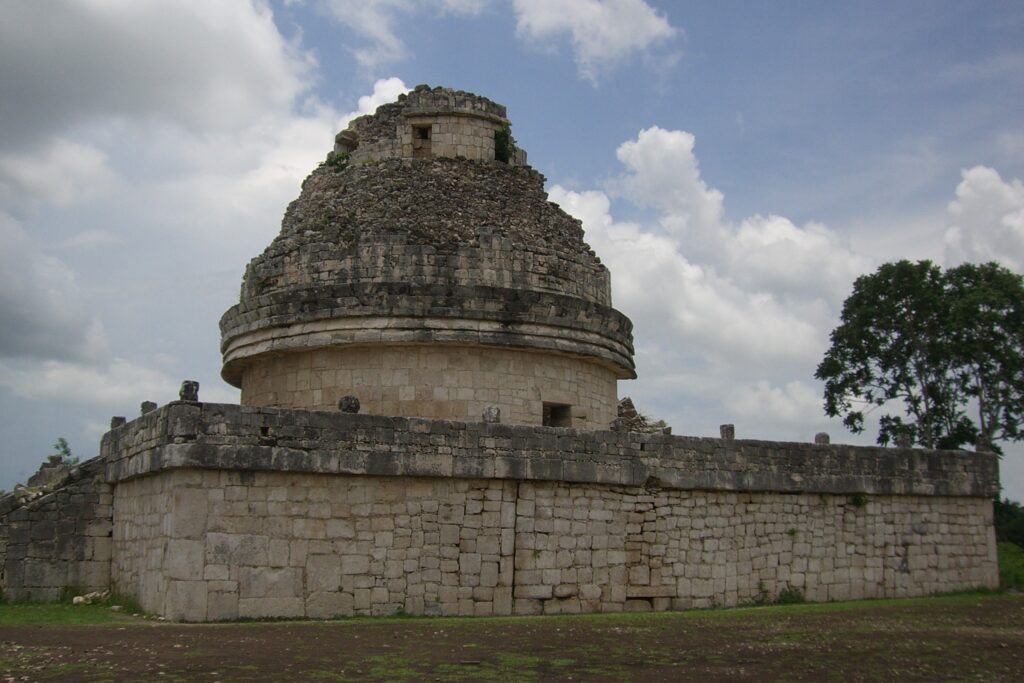
Caracol already holds national importance in Belize, but a founder’s tomb clarifies the site’s earliest royal timeline in a way that can be communicated beyond academic circles. It gives Belizean heritage managers and educators a named figure tied to an approximate date and a specific place within the ruins. That is powerful for public history, because it replaces vague beginnings with a human centered anchor.
It also adds urgency to conservation. Elite tomb contexts are vulnerable, and climate, tourism pressure, and looting risk all rise once a discovery enters global media. A clearer early timeline can help justify funding, site protection measures, and careful interpretation. In practical terms, the find is not only rewriting academic narratives, it is reshaping how Belize can tell its own deep history with more confidence, more specificity, and more protective leverage.
10. This tomb opens questions rather than closing them.
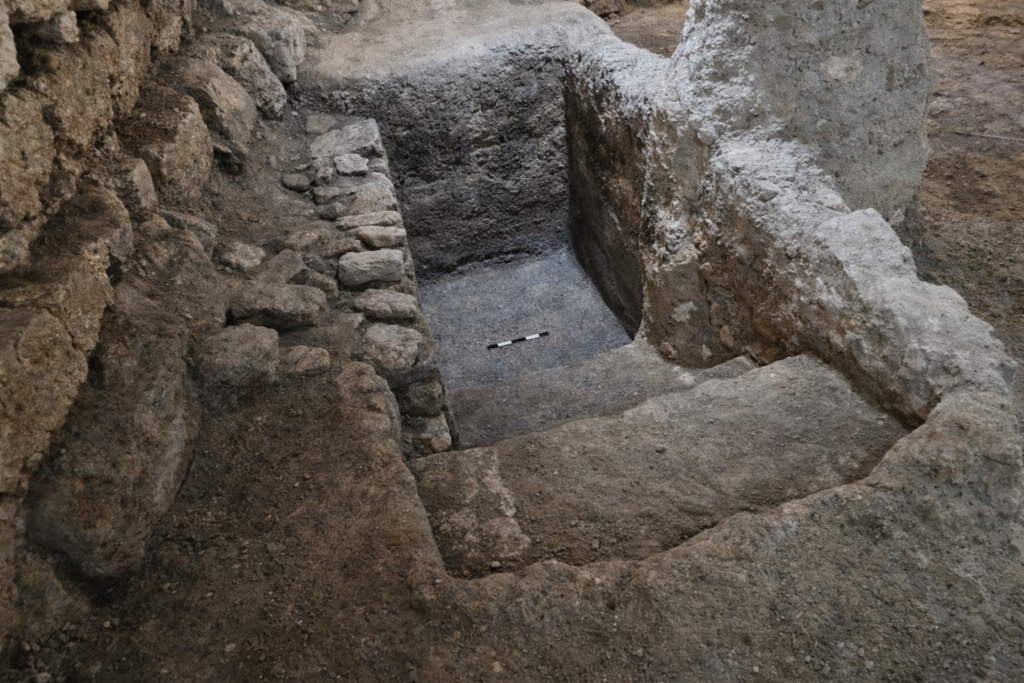
The discovery does not simply answer who started Caracol. It raises new puzzles about how quickly that founder consolidated authority, who the earliest allies were, and what political experiments happened before the city became a Classic period juggernaut. If Te K’ab Chaak’s burial shows courtly wealth, then where did the resources come from at that early stage, and what labor systems supported it.
It also invites closer study of the surrounding burial cluster and architecture for hints of factional politics within the first generations of rulers. Founding dynasties are rarely smooth. There are rivals, marriages, adopted symbols, and strategic reinventions. If Caracol’s origin story is now more confident, it is also more complex. The tomb is a doorway into early court life, and the most interesting evidence may still be sitting in adjacent rooms, waiting to complicate everything again.