
Stress builds quietly, then the bite happens.

On a sunny afternoon at a park in Austin or a crowded sidewalk in Brooklyn, most dogs look fine right up until they are not. Snapping is rarely random. It is usually stress stacking, pain, fear, or frustration meeting one last trigger. Some breeds and body types get pushed into those moments more easily because of how they are handled, misunderstood, or managed. The good news is the warning signs are often there, and the pattern is usually predictable once you know what to watch for.
1. Chihuahuas often get pushed past their comfort.
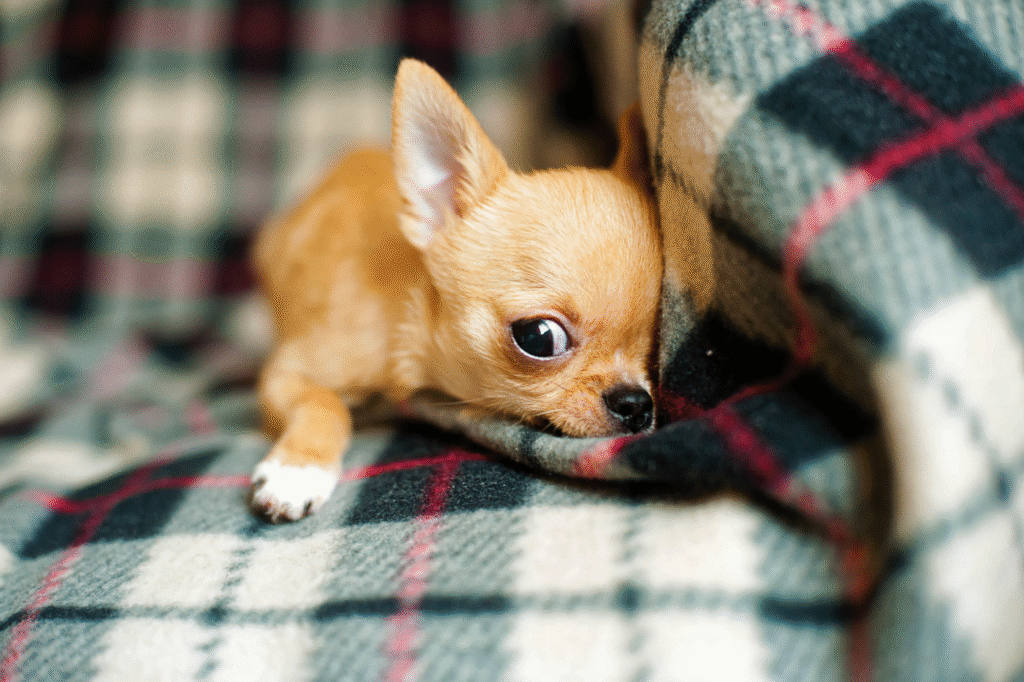
Living small does not mean feeling safe. In busy apartments, loud homes, or constant handling, many Chihuahuas get treated like pocket accessories instead of animals with boundaries. People scoop them up mid nap, let strangers reach over their heads, or laugh when they freeze and side eye. That tiny body can only tolerate so much before it uses the fastest tool it has, a quick snap.
The stress pattern is often obvious once you look for it. You will see stiff posture, tucked tail, lip licking, and sudden stillness before the bite moment. If the dog is also guarding a lap or a blanket, the threshold drops even faster. Owners can reduce risk by letting the dog choose contact and by giving it a safe retreat zone, as stated by the American Veterinary Medical Association dog bite prevention guidance.
2. Dachshunds can turn defensive when they feel trapped.

A Dachshund’s long back and short legs make it more vulnerable to awkward handling, and that matters under stress. In homes with kids, this breed gets picked up wrong, hugged too tightly, or cornered on a couch. Even well meaning snuggles can feel like restraint. When the dog cannot escape, it may snap to create space, especially if it has learned that growling gets ignored.
You also see stress show up in guarding behaviors. Dachshunds often bond hard to one person and one spot, and interruptions can feel personal. Add pain from back strain or arthritis, and tolerance shrinks. The dog might seem fine until you reach toward its bed, touch its collar, or try to move it quickly. Early warning signs like head turns, whale eye, freezing, and lip licking are worth treating as real communication, according to the American Kennel Club guidance on recognizing aggression signals.
3. Cocker Spaniels can react suddenly during grooming.
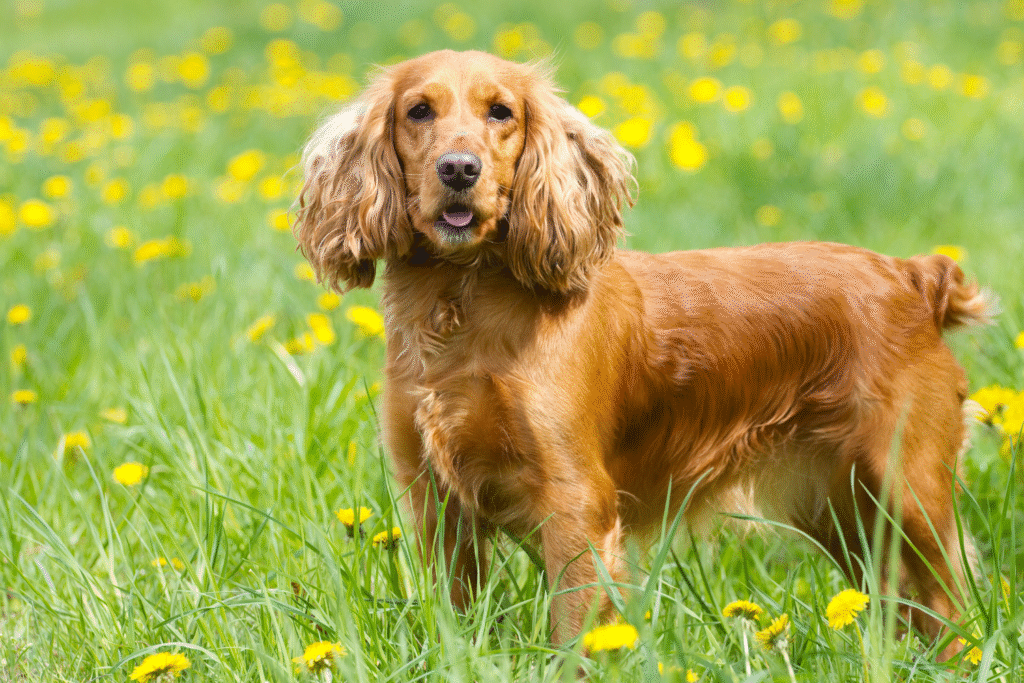
This breed has a sweet reputation, which can make people miss the risk moments. Many Cocker Spaniels struggle most during handling, brushing, ear cleaning, nail trims, and vet exams. Their long ears are prone to discomfort, and repeated ear issues can make head touching feel threatening. When stress is already high, a hand near the face can trigger a fast snap that surprises everyone.
A big clue is how the dog behaves before grooming even starts. Some will hide, some will stiffen, some will pant and cling, and some will give a hard stare that owners misread as stubbornness. If you see sudden stillness, a closed mouth, and a rigid body, that is not calm, that is restraint. Medical discomfort can lower a dog’s threshold for fear related aggression, as stated by the Merck Veterinary Manual discussion of behavior problems and pain as a contributing factor.
4. Australian Cattle Dogs struggle with chaotic households.

This is a working dog built for control, motion, and problem solving. Put that brain in a busy home with random noise, guests, and kids running past, and you can get a dog that feels responsible for managing everything. Herding breeds often respond to stress by trying to control movement, nipping heels, body blocking, and escalating when the environment will not settle. If those signals are punished instead of redirected, snapping can arrive quickly.
The pressure points are predictable. Tight hallways, doorways, and high energy play can create frustration. Many cattle dogs do best with structured outlets, training games, sniff walks, and clear rules about rest. Without that, they may patrol the house like a security system with no off switch. This is not a bad dog story, it is a mismatch story. When the dog cannot complete its instinctive job, it may invent one, and the invented job can include using teeth to enforce boundaries.
5. Jack Russell Terriers hit threshold in a blink.

High drive terriers can go from playful to over aroused quickly, especially when toys, squeaky sounds, or fast hands are involved. A Jack Russell may look like it is having the time of its life, then suddenly snap when it is grabbed, restrained, or interrupted mid chase. The shift is often about frustration, not malice. Their motor runs hot, and it does not always downshift smoothly.
The risk climbs in small spaces. In apartments or tight yards, they cannot stretch out their energy the way their bodies want, so arousal builds. You might see frantic barking, pacing, or obsessive toy fixation before a bite moment. Many also dislike rough handling from strangers, and they can be intensely protective of their games. If you have one, the safest move is to teach calm cues, build decompression time, and avoid escalating play into a frenzy that ends with a human hand in the wrong place.
6. German Shepherds can snap when guarding kicks in.

Shepherds are often selected for alertness, which is great until the dog starts treating ordinary life as a security job. Delivery drivers, door knocks, and strangers in the hallway can keep the dog in a constant state of readiness. Under stress, that readiness can sharpen into suspicion. If the dog is also under socialized, in pain, or overwhelmed by a noisy environment, snapping can happen during collar grabs, visitor greetings, or handling near the front door.
The subtle signs matter here because shepherds can look composed while they are actually locked in. You may see a forward lean, a hard stare, a closed mouth, and slow tail movement that is stiff rather than happy. Many bites happen when someone tries to override the dog’s concern with physical control. Training that builds predictable routines and safe visitor management often reduces pressure dramatically. The key is not dominance, it is clarity, distance, and teaching the dog what to do instead of just what not to do.
7. Shiba Inus dislike being forced into contact.

Shibas are famous for independence, and that independence becomes a stress trigger when people expect golden retriever friendliness. In crowded neighborhoods, strangers often reach for them because they look cute and compact. Many Shibas tolerate politely until they do not, especially if they feel restrained, cornered, or handled by someone unfamiliar. A snap can be a boundary enforcement tool, not a mood swing.
The breed also tends to escalate quickly once uncomfortable. You might see a freeze, a head turn, or a sharp avoidance move that lasts half a second, then teeth. Owners sometimes miss the warning because it does not look like growling and barking. Shibas communicate with subtle posture shifts and fast decisions. Respecting choice is the safety strategy. Let them approach, let them retreat, and avoid forcing physical affection. When you build trust through predictable handling, you often see the bite risk drop because the dog no longer feels the need to defend its space.
8. Belgian Malinois can react when frustration peaks.
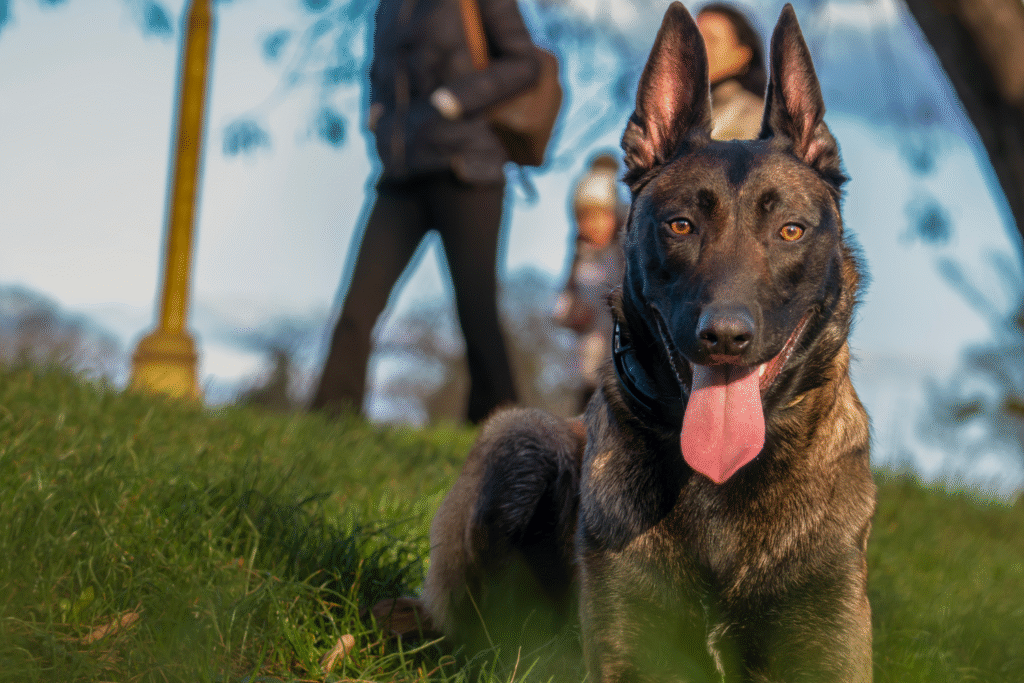
This is a dog built for intense work, and when that work is missing, stress often shows up as reactivity. In suburban homes, Malinois can become explosive during leash walks, barrier frustration at windows, or overstimulating play. The snap risk rises when the dog is in a high arousal state and someone tries to physically stop it, pull it away, or grab its collar. The dog is not thinking about manners in that moment, it is trying to complete a drive sequence.
These dogs often need more than exercise. They need structured training, predictable outlets, and clear decompression time. Without that, they can pace, fixate, mouth, and escalate quickly. They also tend to be sensitive to handler tension, so a stressed household can create a stressed dog. If a Malinois is living as a pet without a job, the safest approach is to give it purposeful tasks, scent games, controlled tug with rules, and calm settle training that builds an actual off switch instead of hoping it will magically appear.
9. Huskies can snap when independence meets pressure.
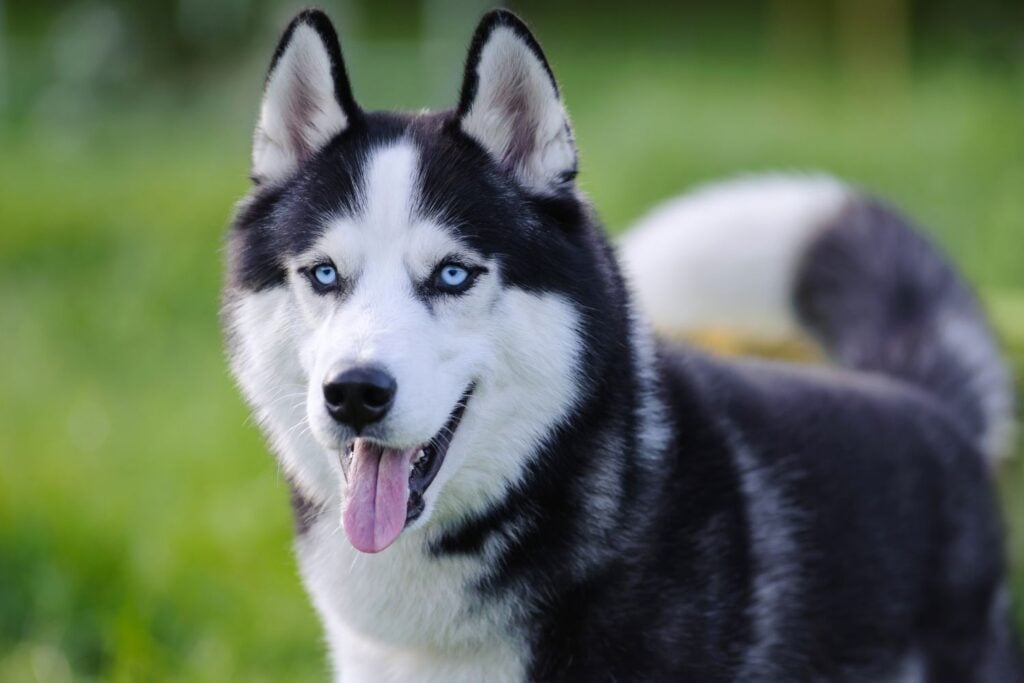
Huskies are social, athletic, and famously stubborn in the most charming way until it is not charming. Under stress, many Huskies become escape driven and reactive to physical restraint. If a husky is grabbed during a door dash attempt, pinned during a grooming struggle, or forced through a stressful situation, snapping can happen fast. It is often rooted in frustration and conflict, the dog wants one thing, the human insists on another, and the dog chooses the quickest way to end the pressure.
Their tolerance also drops when their needs are unmet. A bored husky in a small yard can become noisy, mouthy, and intense. Add heat, which they handle poorly, and you can see crankiness spike in summer months in places like Phoenix or inland Southern California. The safest management is anticipating the friction points, using harnesses and training rather than grabbing, and building routine outlets that match the dog’s energy without pushing it into constant over arousal.
10. Rescue mixes can snap when history stays hidden.
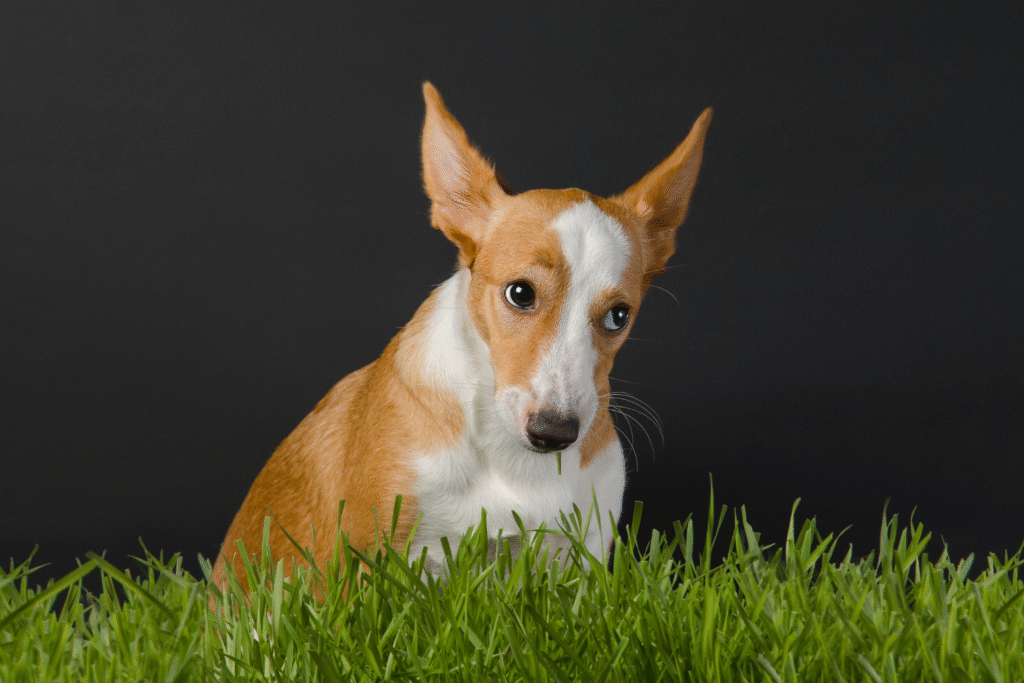
The dog most likely to surprise you is often not a purebred at all. Many rescue mixes come with incomplete backstories, unknown pain issues, and learned coping strategies that made sense in a previous environment. A dog that seems calm can be shutting down, and shutdown can flip to a snap when the dog finally feels cornered. Stress can also build through small daily events, new smells in an elevator, strange men in a stairwell, a child running past, then one final touch that breaks the dog’s tolerance.
The best clue is pattern, not label. Watch the dog’s thresholds, what environments make it tense, what handling makes it freeze, what resources it guards, and how quickly it recovers after a scare. Some dogs snap faster because they have practiced it before, and it worked. Others do it because pain or fear is speaking louder than training. The safest approach is slow trust building, veterinary checks for discomfort, and behavior support that treats stress as the root problem instead of treating the snap as the whole story.