
Strategic planting shifts deer behavior without fences.

As white tailed deer expand deeper into suburbs across North America, browsing pressure has become a year round problem rather than a seasonal nuisance. Homeowners from Pennsylvania to Oregon report similar patterns. Deer follow predictable routes, remember food sources, and return nightly once a yard proves rewarding. What interrupts that cycle most effectively is not force but chemistry. Certain plants trigger avoidance through smell, texture, or taste that deer instinctively trust. When landscapes are built around those signals, deer pressure often drops within weeks.
1. Lavender overwhelms deer through powerful aromatic oils.

Lavender produces volatile aromatic oils that flood the air and soil. Deer rely on smell to evaluate safety, nutrition, and risk. When lavender dominates an entry path or bed edge, the intensity overwhelms their sensory thresholds, signaling danger rather than food and triggering immediate withdrawal behaviors without hesitation today alone.
Repeated exposure reinforces avoidance even during seasonal food scarcity. According to Penn State Extension, plants high in essential oils consistently rank among the least browsed landscape species, especially when planted densely. Over time, deer reroute nightly travel paths entirely, reducing repeat damage across surrounding plantings in residential yards long term.
2. Daffodils communicate toxicity before deer take a bite.

Daffodils contain alkaloid compounds that trigger nausea and digestive distress in mammals. Deer appear biologically tuned to recognize these risks before tasting. Shoots, leaves, and flowers are avoided instinctively, even in early spring when calorie demand is high and alternative forage remains limited across suburban yards nationwide each year consistently.
This response is remarkably consistent across regions and seasons. As stated by Cornell Cooperative Extension, daffodils rank among the most reliable deer resistant bulbs in the northeastern United States. Even heavily browsed properties often show untouched daffodil plantings year after year without supplemental deterrents or fencing interventions whatsoever installed nearby.
3. Russian sage deters browsing through texture and bitterness.

Russian sage combines a bitter chemical profile with fuzzy, abrasive leaves. Chewing provides little reward while irritating the mouth. Deer quickly learn the plant offers poor payoff compared to effort, especially when other options exist nearby within shared suburban feeding corridors used repeatedly during nightly foraging routines locally each season.
Unlike tender ornamentals, Russian sage maintains resistance under heavy pressure. As reported by the Missouri Botanical Garden, deer consistently bypass the plant in mixed landscapes across multiple states. Its reliability makes it a strategic anchor for gardeners managing chronic browsing without physical barriers or chemical repellents applied seasonally each year.
4. Boxwood frustrates deer with dense unpalatable foliage.

Boxwood foliage contains bitter tasting compounds and dense evergreen structure. Browsing requires effort for minimal nutritional return. Deer may test briefly during extreme hunger, but repeated feeding rarely follows once the unpleasant texture and flavor profile become familiar through multiple encounters across seasons within residential landscapes over time naturally occurring.
As hedges mature, avoidance strengthens rather than fades. Deer remember low value food sources and redirect foraging elsewhere. Continuous boxwood plantings function as passive barriers, shaping movement without confrontation. Their effectiveness increases when alternative forage exists nearby, reinforcing learned patterns across seasons in suburban yards with consistent deer traffic present.
5. Lamb’s ear triggers texture based feeding rejection.
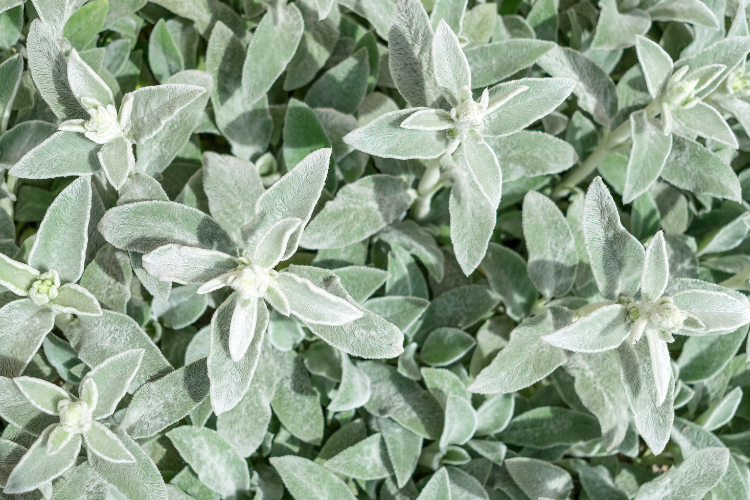
Lamb’s ear presents a confusing texture for deer mouths. Thick, fuzzy leaves interfere with chewing mechanics and saliva contact. The plant offers minimal sensory reward, prompting deer to abandon browsing attempts quickly after brief investigation or single test bites during normal feeding routines in mixed garden beds nearby homes often.
Once rejected, lamb’s ear is rarely revisited. Deer possess strong spatial memory for unpleasant feeding experiences. Grouped plantings amplify this effect, creating zones deer bypass entirely. These zones indirectly protect more vulnerable ornamentals planted behind them, reducing overall browsing pressure throughout residential landscapes during peak feeding seasons annually with consistency.
6. Alliums repel deer using sulfur based odor cues.

Alliums release sulfur compounds similar to onions and garlic. These odors signal digestive irritation to deer, activating avoidance responses rooted in survival instincts rather than learned behavior. Even brief exposure can be enough to discourage investigation, especially when scents concentrate near soil level where deer naturally browse during nightly foraging passes through residential gardens and borders repeatedly over time.
Once avoidance is established, it remains stable. Deer rarely test alliums again, even when food options narrow during drought or winter. Ornamental alliums quietly protect surrounding plants by interrupting feeding patterns, creating chemical boundaries that deer respect without visible barriers or repeated human intervention across seasons.
7. Ferns offer deer almost no nutritional incentive.

Most ferns lack the sugars, proteins, and moisture deer seek when browsing. Many also contain compounds that reduce digestibility, making them inefficient food sources even if consumed. Deer quickly learn that ferns provide little return for effort, especially when other vegetation is available nearby in shared habitat corridors through suburban landscapes.
This low reward profile keeps ferns largely untouched. In wooded yards and shaded edges, ferns often remain intact while ornamentals disappear. Their persistence helps stabilize planting beds, offering visual continuity and ground coverage that quietly withstands repeated deer traffic without attracting attention.
8. Yarrow reinforces avoidance through bitterness and scent.

Yarrow leaves contain bitter compounds that deer find unpleasant. When brushed or bitten, the plant releases additional aroma, reinforcing the negative experience. Even minimal contact can teach deer that the plant offers no reward, discouraging further investigation during future passes through the same area.
Over time, yarrow becomes a learned no browse plant. Deer remember the experience and redirect feeding elsewhere. Planting yarrow in repeated clusters strengthens this effect, turning entire sections of a yard into low interest zones that remain visually appealing but functionally resistant.
9. Catmint disrupts feeding behavior with lingering odor.
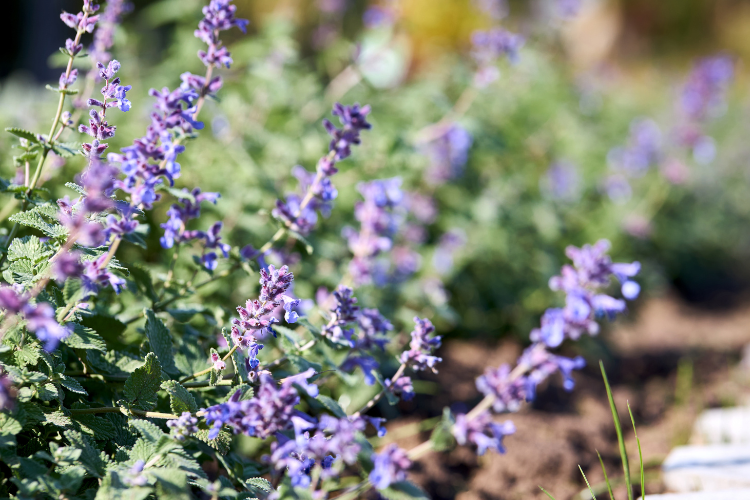
Catmint emits a strong mint like scent that persists on foliage and surrounding soil. Deer rely heavily on olfactory cues when selecting food, and this persistent odor interferes with decision making, prompting hesitation rather than exploration during normal browsing routines.
Deer often pause, sniff, then retreat without sampling. Repeated encounters reinforce avoidance, turning catmint patches into reliable deterrent zones. Positioned along walkways or entry points, catmint subtly reshapes movement patterns, reducing browsing pressure deeper within the landscape.
10. Bleeding heart deters deer early in the season.
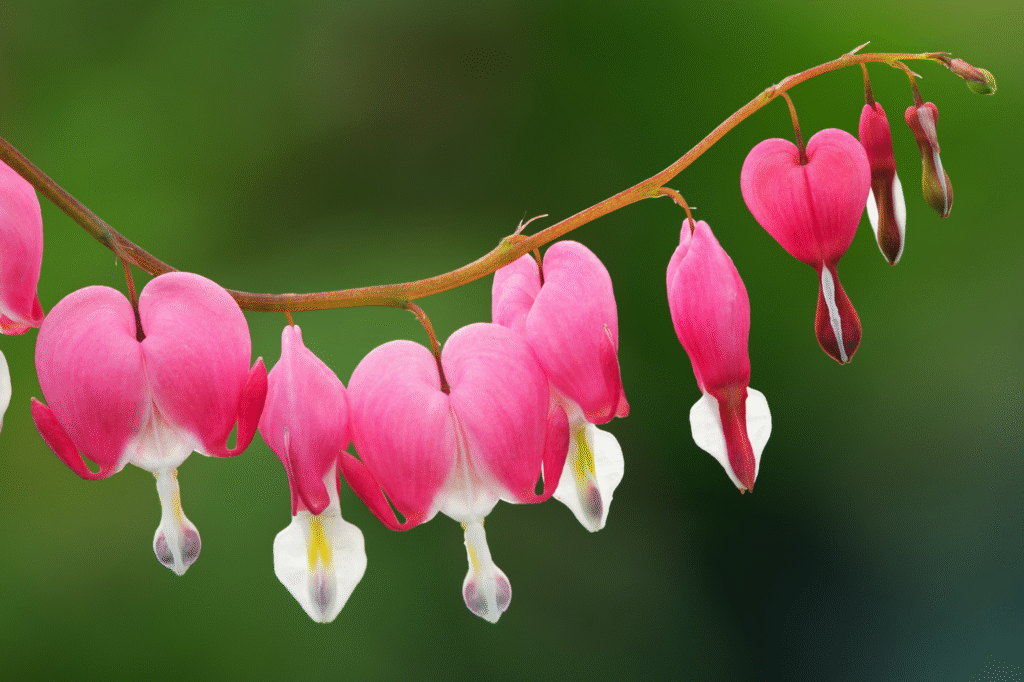
Bleeding heart emerges early in spring when deer pressure is highest and alternative forage remains limited. Its tissues contain compounds that taste unpleasant and may cause mild digestive upset, triggering quick avoidance even during periods of intense hunger.
Deer learn the signal rapidly and rarely return. Once established, bleeding heart often thrives untouched year after year. Its early growth provides color without becoming a food source, helping protect surrounding plantings during the most vulnerable browsing window of the season.