
Hidden illness often wears a mask of normalcy.

Cats evolved to hide weakness, so illness often stays invisible until late. A cat can eat, groom, and nap while internal systems quietly strain. Veterinarians see this pattern daily in clinics, shelters, and homes, where subtle changes precede serious disease by weeks or months. Recognizing these early signals depends less on dramatic symptoms and more on noticing small shifts in routine, posture, and interaction that suggest the body is compensating rather than truly healthy long before collapse becomes visible externally.
1. Subtle appetite shifts often mask early systemic illness.

Reduced appetite rarely appears suddenly without cause. Cats may eat slightly less, hesitate longer, or leave familiar food unfinished. These changes often reflect nausea, pain, or metabolic imbalance beginning internally, even while energy and appearance seem unchanged to owners observing daily routines during ordinary mornings and evenings at home settings.
According to the Cornell Feline Health Center, decreased appetite is one of the most common early signs of chronic kidney disease and dental pain, conditions frequently missed because cats compensate behaviorally while disease progresses quietly beneath the surface in aging and middle aged cats across households worldwide today quietly observed.
2. Changes in social behavior signal hidden discomfort.
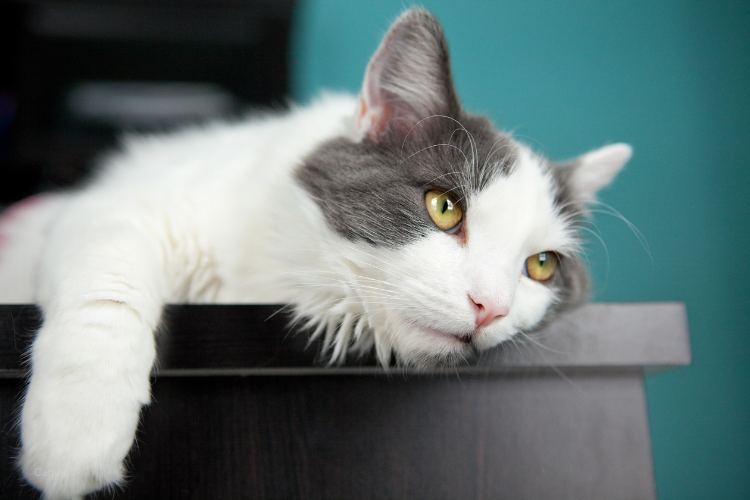
Cats in pain often withdraw subtly rather than cry out. They may sit farther away, tolerate less handling, or stop initiating contact. This shift reflects self protection, conserving energy and avoiding touch that aggravates underlying pain or inflammation not yet externally obvious during normal household interactions each day unnoticed often.
As reported by the American Animal Hospital Association, behavioral withdrawal is a frequent early indicator of musculoskeletal pain and arthritis in cats, especially in indoor environments where decreased activity can be mistaken for calmness rather than discomfort by owners during routine observation periods at home settings worldwide today commonly seen.
3. Posture adjustments reveal compensation before illness appears.
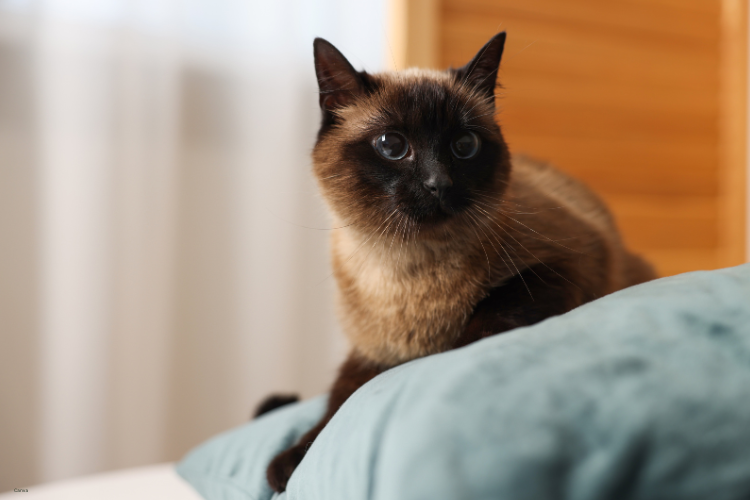
Small posture changes often go unnoticed. A cat may crouch differently, keep elbows tucked, or favor one side while resting. These adjustments redistribute weight to reduce pain, signaling internal strain long before limping or vocalization alerts attentive owners during everyday household movement and sleep cycles at home quietly unfolding inside.
As stated by International Cat Care, altered resting posture and guarded movement are early warning signs of chronic pain conditions in cats, frequently preceding diagnosis by months when changes are subtle and gradual in domestic cats living indoors across varied age groups worldwide today according clinicians observations repeatedly noted early.
4. Sleep pattern changes often precede visible disease.
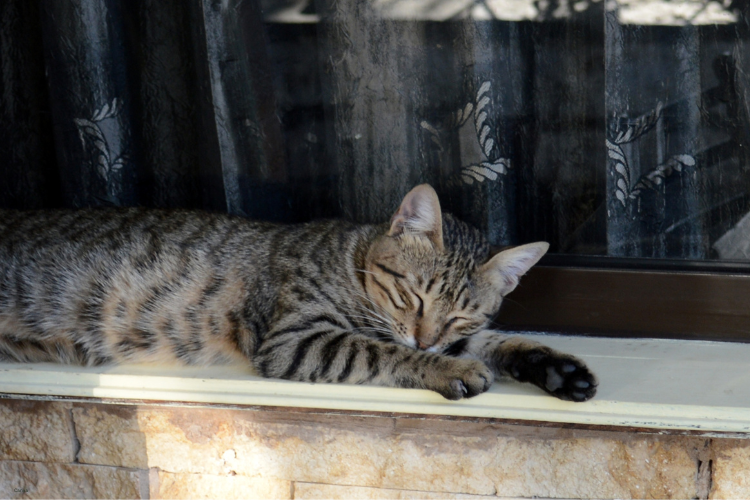
Ill cats may sleep more or less without appearing distressed. Rest becomes fragmented, positions change, and waking occurs more frequently. These shifts reflect hormonal and neurological adjustments as the body attempts to maintain balance under physiological stress over extended nights and days within home environments before diagnosis emerges clinically later.
Owners often normalize sleep changes as aging or personality. However, veterinarians note altered sleep cycles in cats with thyroid disease, kidney dysfunction, and chronic pain. Monitoring rest patterns across weeks can reveal illness earlier than appetite loss alone during routine home observation periods by attentive caregivers worldwide today commonly documented.
5. Minor grooming changes reflect internal health strain.
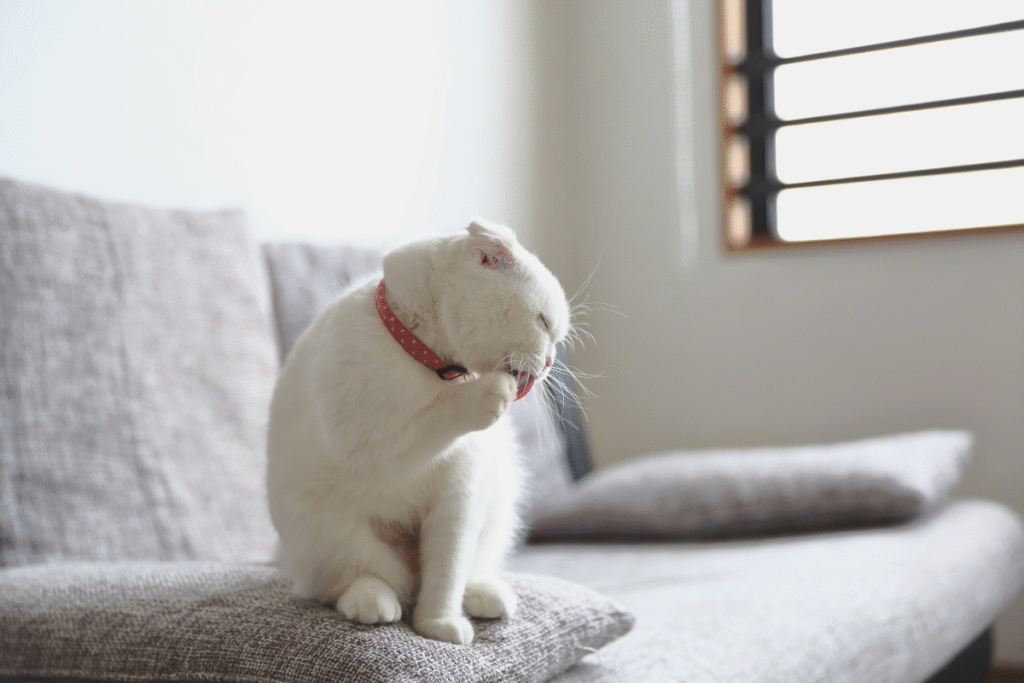
Grooming is energetically costly. When cats feel unwell, grooming patterns shift subtly. Fur may look slightly uneven, mats appear, or certain areas are avoided. These signs indicate reduced flexibility, pain, or fatigue rather than neglect developing slowly over days or weeks within indoor living spaces unnoticed by owners initially often.
Because cats are fastidious, owners expect consistency. Even small deviations matter. Veterinary dermatologists often associate uneven grooming with arthritis, dental pain, or early metabolic disease, where movement or stamina limits normal self care routines inside domestic cats living across age ranges worldwide today as commonly observed signs clinically reported early.
6. Litter box habits shift before illness becomes obvious.
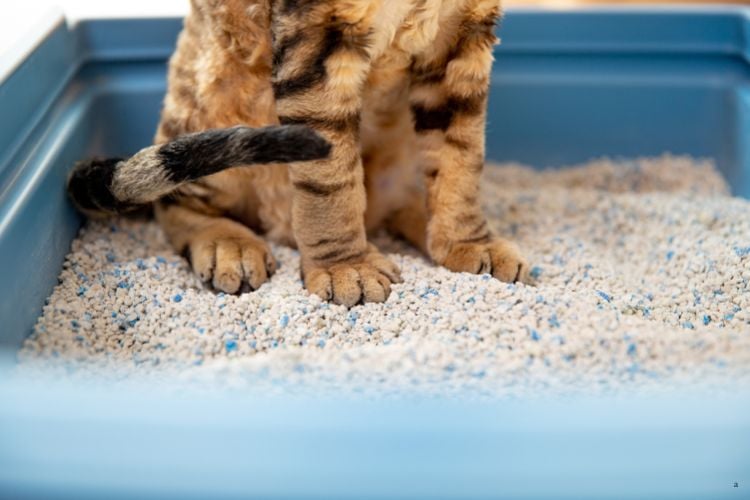
Cats experiencing internal discomfort often alter litter box behavior subtly. They may enter and exit more slowly, choose different positions, or hesitate before eliminating. These changes reflect pain, nausea, or inflammation affecting posture and abdominal pressure rather than training issues or behavioral defiance developing quietly over time.
Because elimination still occurs, concern is delayed. Veterinarians frequently see these early changes in cats later diagnosed with urinary tract disease, constipation, or kidney dysfunction. Careful attention to timing, posture, and frequency often reveals problems weeks before more alarming symptoms appear.
7. Play behavior declines long before energy disappears.
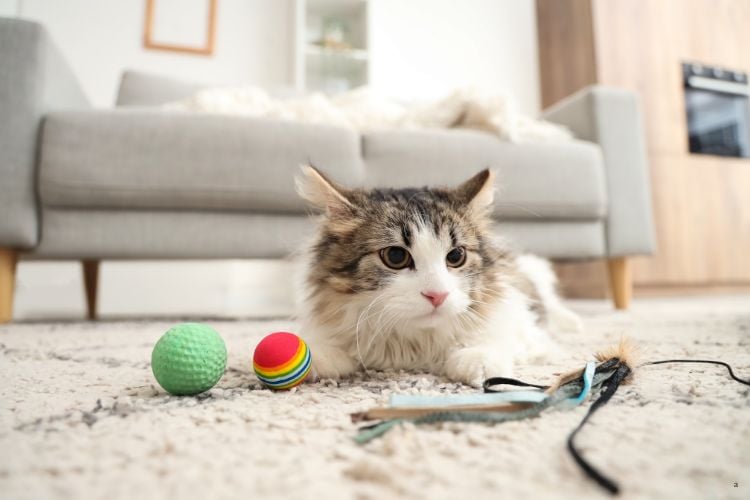
A cat may still look alert and responsive while quietly disengaging from play. Toys that once triggered bursts of movement now receive brief interest or none at all. This reflects discomfort rather than boredom, especially when decline is gradual and selective.
Play requires flexibility and rapid movement. Cats coping with pain conserve energy, choosing stillness over strain. Owners often misinterpret this as maturity or calm temperament, overlooking how play avoidance can be one of the earliest outward signs of physical limitation.
8. Vocal patterns change even when volume does not.

Cats communicate distress through subtle vocal shifts. Tone, timing, and frequency may change without obvious crying. A cat might vocalize less, pause longer before responding, or sound slightly different during routine interactions.
These shifts reflect neurological and emotional stress. Changes in vocal behavior are commonly reported in cats experiencing pain, cognitive decline, or metabolic imbalance. Because volume stays low, owners often miss the message entirely.
9. Breathing rhythm alters under quiet physiological stress.
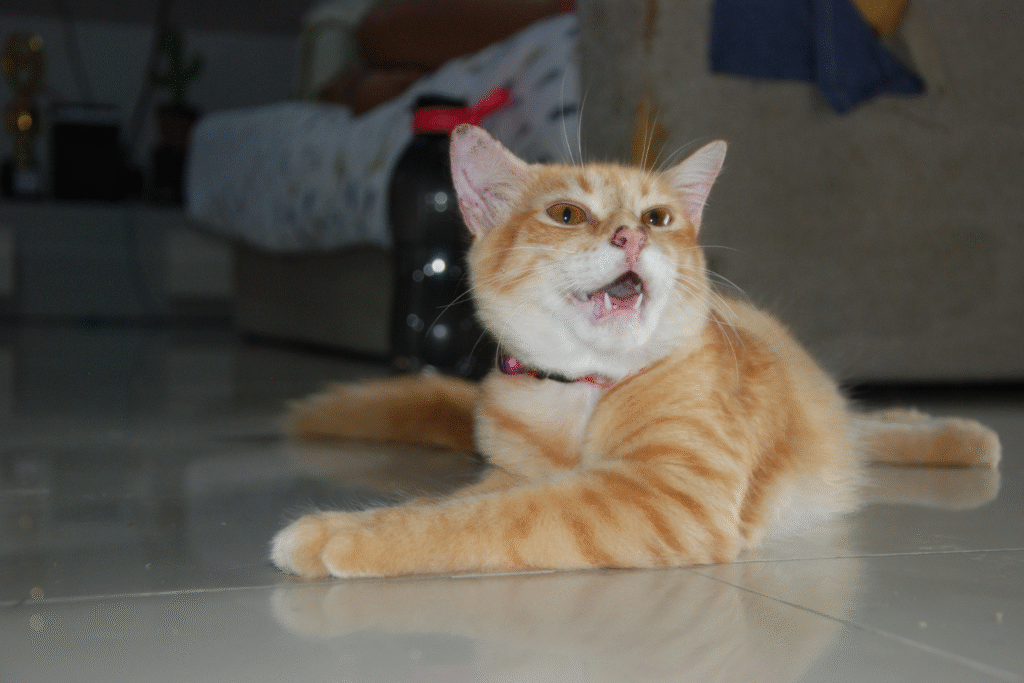
Even without panting or open mouth breathing, respiratory patterns can change. Slightly faster rates at rest or shallow breaths may indicate pain, anemia, or cardiac strain.
These changes are easy to miss unless observed during sleep. Veterinarians often discover abnormal respiration retrospectively, after owners realize subtle changes had been present for weeks during otherwise calm resting periods at home.
10. Compensation creates an illusion of normal health.
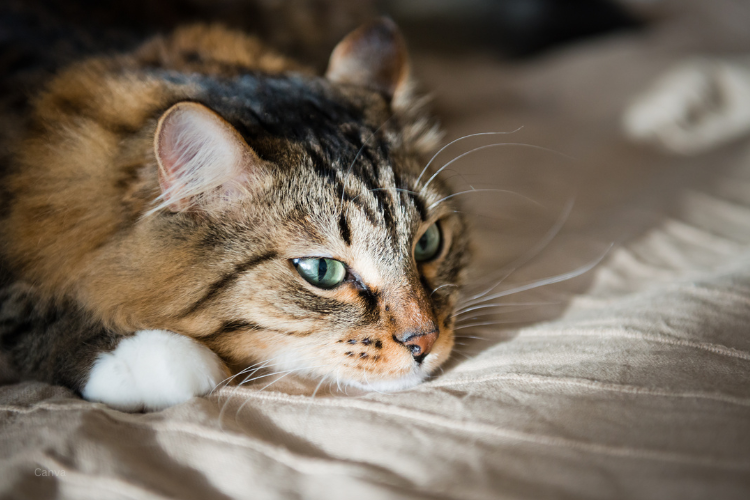
Cats are masters of compensation. They shift movement, behavior, and routines to maintain appearance while internal systems struggle. This adaptation protects survival but hides illness effectively.
By the time obvious symptoms appear, disease may be advanced. Understanding that seeming fine often means coping rather than thriving helps owners recognize that early attention to small changes can alter outcomes dramatically for cats who suffer silently.