
Adorable appearances often conceal serious survival level threats.
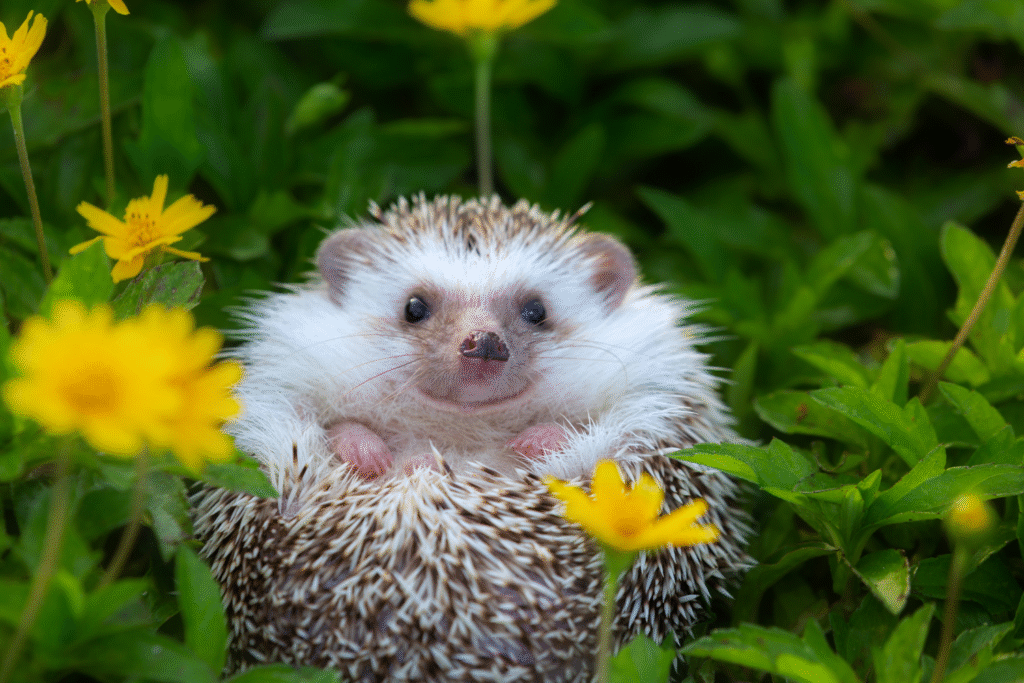
Soft fur, round eyes, and small size trigger trust in the human brain almost instantly. That instinct evolved for babies, not wildlife. Across continents and climates, animals that appear gentle or even charming account for serious injuries and deaths each year. The danger rarely comes from aggression alone. It comes from toxins, disease, defensive reflexes, or sheer strength hidden behind a harmless exterior. These encounters often unfold quietly, without warning, leaving little time to reassess what looked safe only moments before.
1. Slow lorises seem gentle until toxins enter skin.

At first glance, slow lorises look like animated toys clinging to branches in Southeast Asian forests. Their wide eyes and careful movements suggest fragility rather than threat. Tourists often mistake stillness for tameness, especially when animals are photographed holding hands or peering calmly at humans nearby.
What remains unseen is the toxin produced in glands near their elbows. When threatened, slow lorises lick these glands and deliver venom through a bite. According to the National Geographic Society, the venom can cause severe allergic reactions and tissue damage in humans, making this small primate one of the few venomous mammals known.
2. Deer appear peaceful but cause frequent severe injuries.

White tailed deer often graze quietly along forest edges and suburban lawns, creating a pastoral image that feels safe and familiar. Their size seems manageable, and their calm behavior invites proximity during feeding seasons or roadside encounters.
That calm vanishes quickly when deer feel cornered. Sharp hooves, sudden charges, and powerful kicks can cause fatal injuries. As reported by the Centers for Disease Control and Prevention, deer related vehicle collisions and defensive encounters account for hundreds of human deaths and tens of thousands of injuries annually across North America.
3. Blue ringed octopuses advertise danger only briefly.

Blue ringed octopuses are tiny, vividly patterned creatures found in tide pools across Australia and the Indo Pacific. Their size and color make them popular subjects for underwater photography and curious hands exploring shallow reefs.
The danger appears only when they flash electric blue rings, often moments before a bite. Their venom contains tetrodotoxin, which can cause paralysis and respiratory failure within minutes. As stated by the Australian Institute of Marine Science, there is no antivenom, making immediate medical response the only chance of survival after envenomation.
4. Otters look playful but defend territory fiercely.

River otters are often seen sliding into water, juggling rocks, or floating on their backs, behaviors that resemble play. These moments create a false sense of approachability, especially near rivers, lakes, and coastal zones where humans kayak or fish.
Otters are highly territorial and equipped with strong jaws designed to crush shellfish. When threatened, they attack quickly and repeatedly. Documented incidents show otters inflicting deep bites and infections, especially when defending pups or limited food sources in human crowded waterways.
5. Kangaroos project gentleness before sudden explosive force.
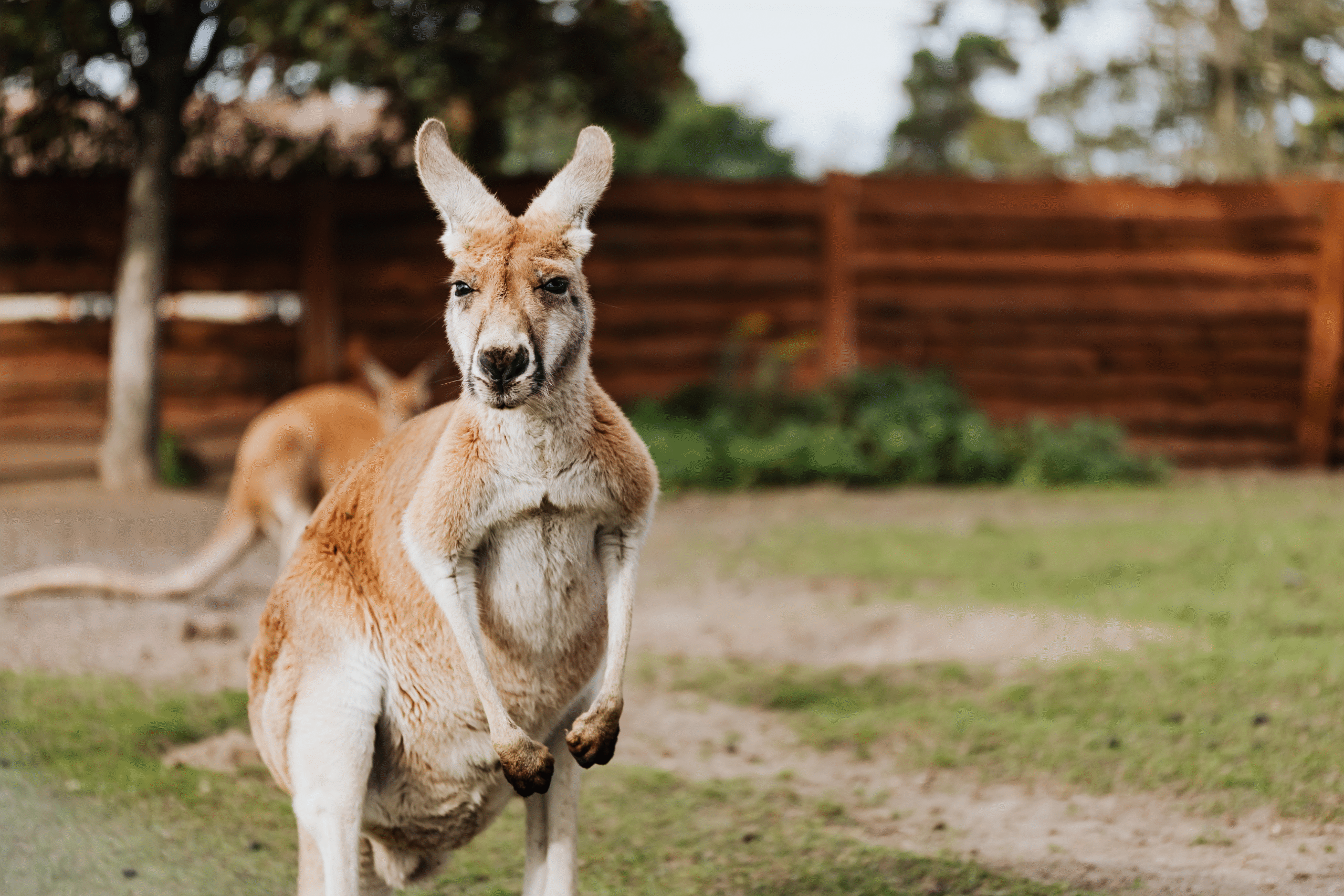
Kangaroos often stand still, ears alert, appearing curious rather than aggressive. Their upright posture and calm gaze make them seem approachable in open grasslands and rural Australian roadsides.
When conflict escalates, kangaroos unleash powerful hind leg kicks capable of disemboweling predators. Their claws are sharp, and their strength is underestimated. Human injuries often occur when people approach too closely during mating season or drought, when stress and competition heighten defensive responses.
6. Hedgehogs carry invisible threats despite tiny size.
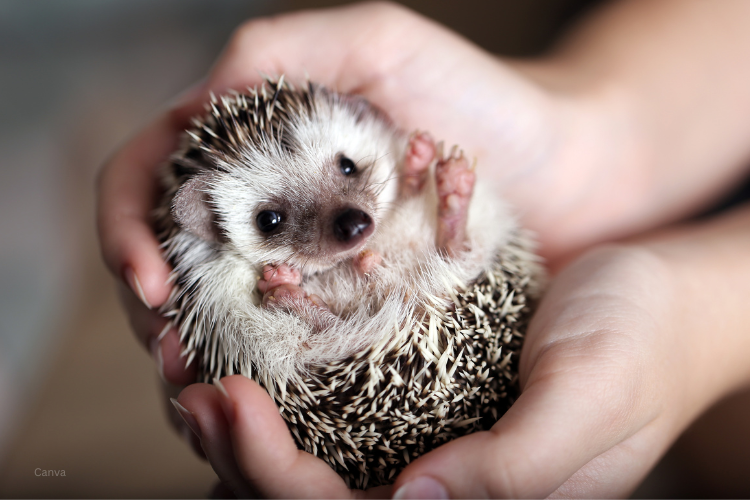
Hedgehogs are small, round, and often associated with harmless curiosity. In parts of Europe and increasingly North America, they wander gardens and parks, rarely showing aggression toward people.
The danger lies not in bites but in disease transmission. Hedgehogs commonly carry salmonella bacteria without symptoms. Human infections occur through handling or contact with surfaces. The risk remains hidden because the animal itself shows no sign of illness or hostility during encounters.
7. Swans appear elegant but attack without hesitation.

Swans glide quietly across ponds and lakes, often forming romantic imagery in urban parks. Their size and beauty encourage people to feed or photograph them at close range.
During nesting season, swans become intensely territorial. They attack perceived threats with wing strikes capable of breaking bones and causing drowning in shallow water. Their aggression escalates quickly, often without vocal warning, making proximity especially dangerous near shorelines.
8. Pufferfish seem harmless until toxins enter food chain.

Pufferfish inflate defensively, creating a comical appearance that suggests vulnerability rather than danger. They are common in tropical and temperate waters, sometimes swimming close to shore.
Their organs contain tetrodotoxin, one of the most potent neurotoxins known. Improper preparation leads to fatal poisoning. Even small exposure can shut down nerves controlling breathing. The risk extends beyond handling to consumption, where mistakes have deadly consequences.
9. Leopards hide lethal power behind graceful movement.
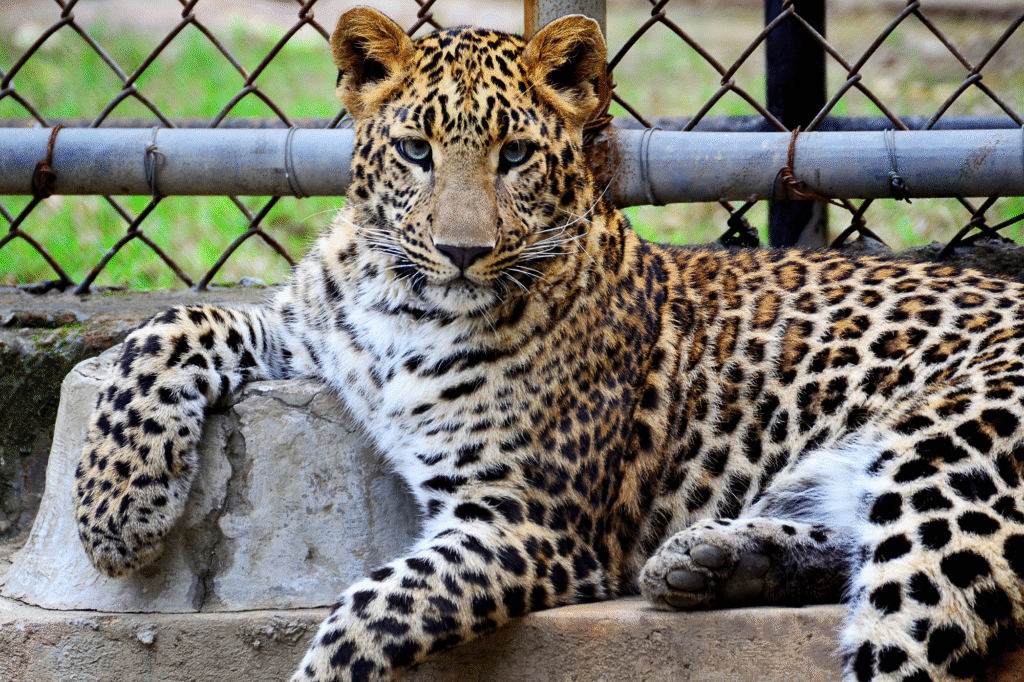
Leopards move silently through forests and near villages across Africa and Asia, often unseen until moments before contact. Their spotted coats and fluid movement convey elegance rather than menace.
Despite this, leopards are among the most adaptable large predators near human settlements. They can overpower prey much larger than themselves and occasionally attack people. Their ability to live close to humans increases encounter risk, especially in regions where habitat overlap is growing.
10. Hippopotamuses appear comical but kill more humans.

Hippopotamuses spend much of their time submerged, showing only eyes and ears above water. Their rounded bodies and slow movements on land create an illusion of docility.
In reality, hippos are extremely territorial and fast. They account for more human fatalities in Africa than most large predators combined. Their size, speed, and aggression converge suddenly, leaving little opportunity to escape once a boundary is crossed.