
Vanishing herds reveal pressures hiding in plain sight.
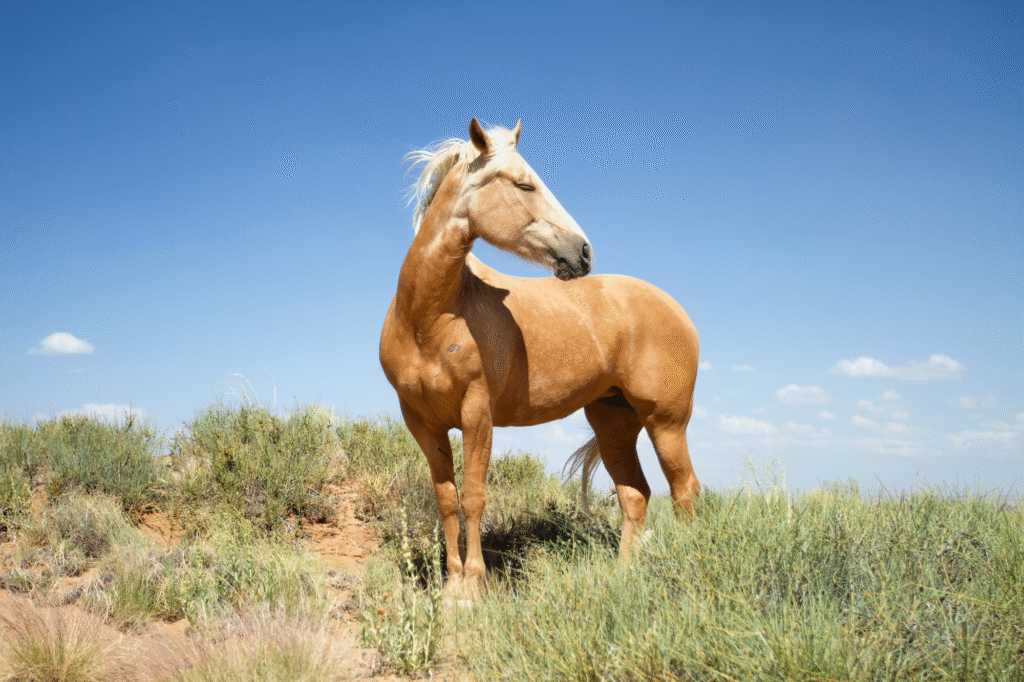
Across the American West, wild horses still appear rooted in open landscapes, moving across valleys that seem unchanged. Yet field surveys, removal records, and climate data suggest something quieter and more urgent. Entire bands disappear between seasons. Foals fail to return. Water sources go unused. The losses rarely happen in one dramatic moment. They build slowly through overlapping pressures. By the time absence becomes obvious to casual observers, the forces driving decline have already reshaped the range for years.
1. Population counts hide sudden collapses within specific herds.
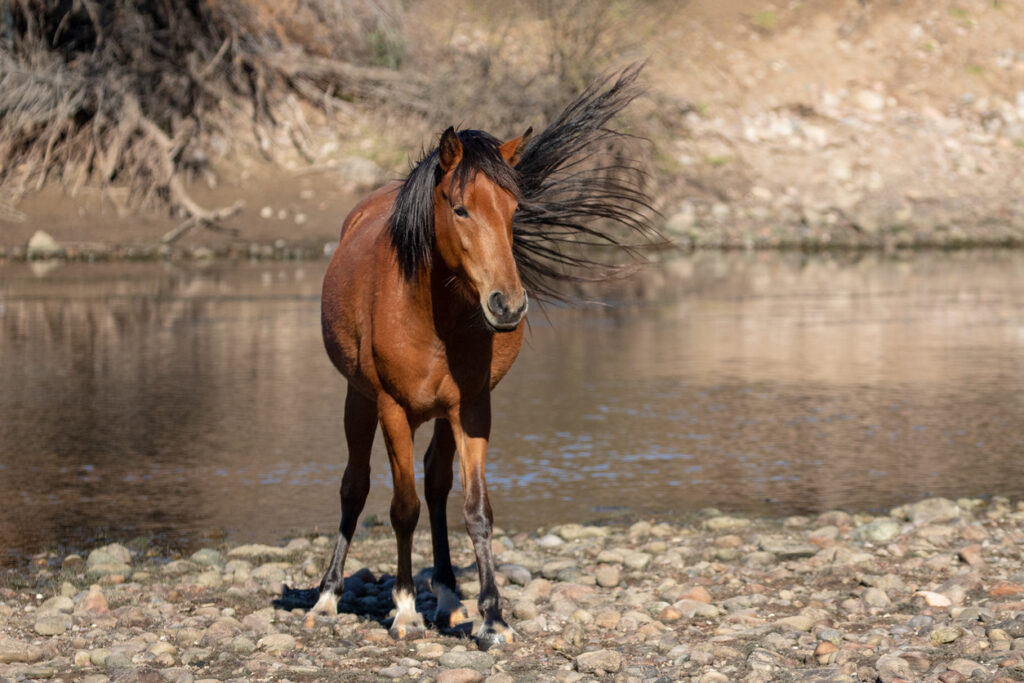
From the air, wild horse populations can appear stable across enormous management zones, suggesting balance. That perspective hides abrupt losses within individual herds where entire family bands disappear between survey cycles, leaving empty water sites, altered grazing patterns, and silence that rarely registers during routine aerial counts conducted months apart.
According to the Bureau of Land Management, population estimates average data across vast territories. This statistical smoothing allows localized collapses driven by drought, removals, or disease to vanish inside regional totals, creating the illusion of stability while meaningful losses unfold quietly on the ground without immediate visibility to the public.
2. Water scarcity redraws survival boundaries faster than expected.
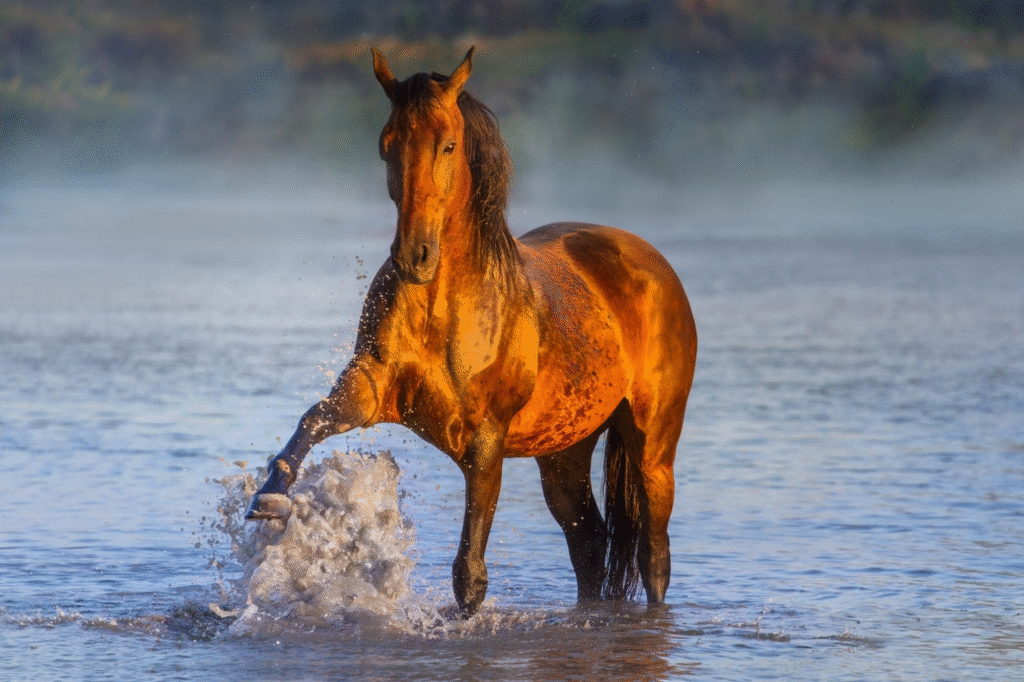
Water has always defined wild horse movement, but climate stress is shifting limits rapidly. Springs dry earlier, snowmelt arrives unpredictably, and artificial water sources disappear. Horses crowd remaining sites, increasing competition, stress, and exposure, while traditional travel routes no longer guarantee survival during extended heat and drought periods each year.
As reported by the United States Geological Survey, prolonged western drought has reduced usable range dramatically. When water points shrink, horses expend more energy traveling, suffer dehydration, and experience higher mortality, accelerating decline faster than behavior or physiology can adapt under current climate conditions across multiple regions today nationwide broadly.
3. Fertility declines quietly under chronic environmental stress.

Reproduction falters long before adult horses visibly decline. Nutritional stress, dehydration, and social disruption suppress fertility gradually. Foals arrive weaker, fewer survive winter, and losses accumulate quietly, creating gaps that remain unnoticed while adult animals continue moving across the range for years without triggering immediate concern from observers nearby now.
As stated by the National Academy of Sciences, chronic environmental stress reduces conception rates and foal survival. Even when adults persist, lowered recruitment destabilizes populations, setting delayed collapse in motion well before visible herd disappearance alerts managers or the public across western ranges today with limited immediate warning signs present.
4. Roundups fracture knowledge essential for long term survival.
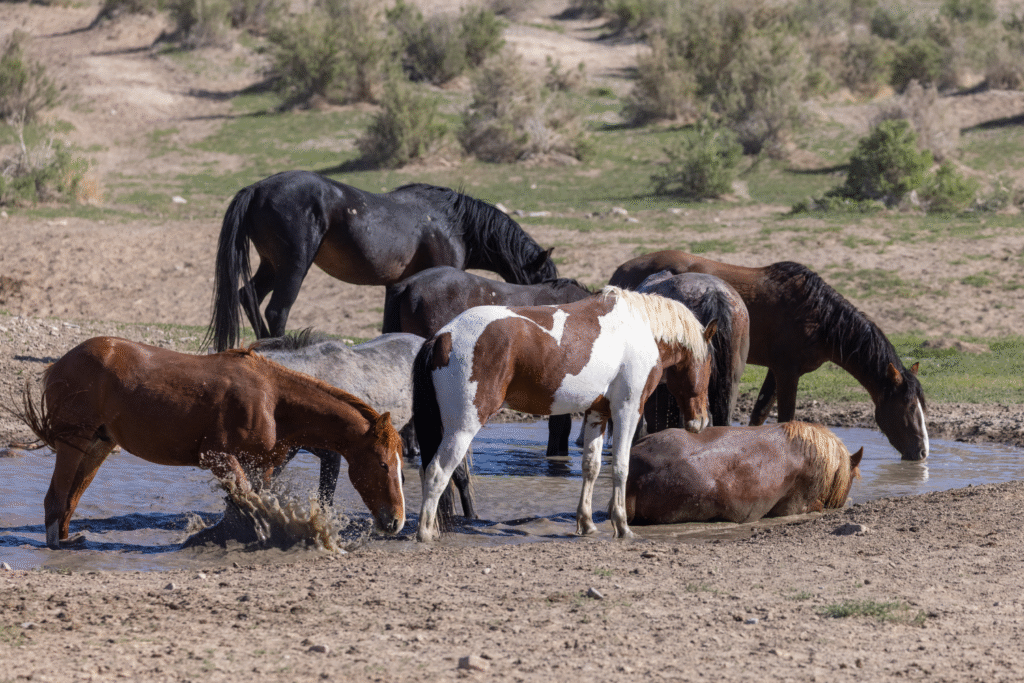
Wild horse survival depends on social knowledge carried by experienced mares. They remember water locations, migration timing, and safe routes. Large removals erase that memory instantly, leaving younger horses without guidance in landscapes that no longer forgive mistakes during extreme weather and resource scarcity periods now common across ranges today.
Without leadership, bands fragment and wander inefficiently. Mortality increases slowly through dehydration, misnavigation, and predation. These losses surface seasons later, long after roundups end, obscuring the connection between removal actions and delayed population decline that unfolds quietly beyond public attention and monitoring timelines that often lag years behind events entirely.
5. Holding facilities quietly drain wild populations permanently.
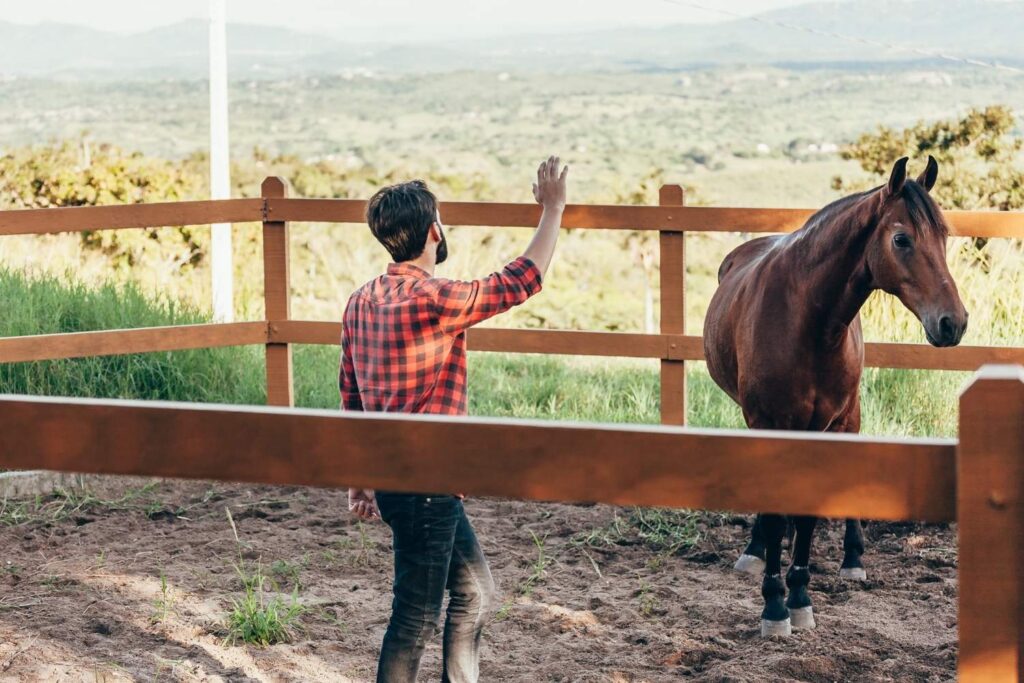
Removed horses rarely return to the wild. Many enter long term holding facilities located far from public view. Time stretches into decades, transforming temporary management tools into permanent population sinks draining genetic material from free roaming herds across federally managed landscapes year after year without natural replacement or release pathways.
Birth rates in holding remain low, while deaths accumulate quietly. Each confined animal represents lost reproduction and diversity. Over time, remaining wild populations become less resilient, amplifying vulnerability to disease, climate stress, and future management pressure across already fragmented western ecosystems with limited recovery capacity remaining long term today nationwide.
6. Livestock pressure reshapes forage availability every season.

Wild horses share public land with livestock under grazing permits that often prioritize commercial use. During dry years, forage disappears early, forcing horses to travel farther for fewer calories. Energy deficits build quietly, weakening adults before visible weight loss appears and leaving foals vulnerable during critical growth periods across already stressed landscapes.
As grazing pressure repeats annually, recovery windows shrink. Horses burn more energy searching for food, immunity declines, and reproductive success drops. The effect compounds year after year, driven not by a single decision but by persistent allocation patterns that steadily erode the margin wild horses need to survive unpredictable environmental stress.
7. Predation intensifies when herd cohesion weakens.
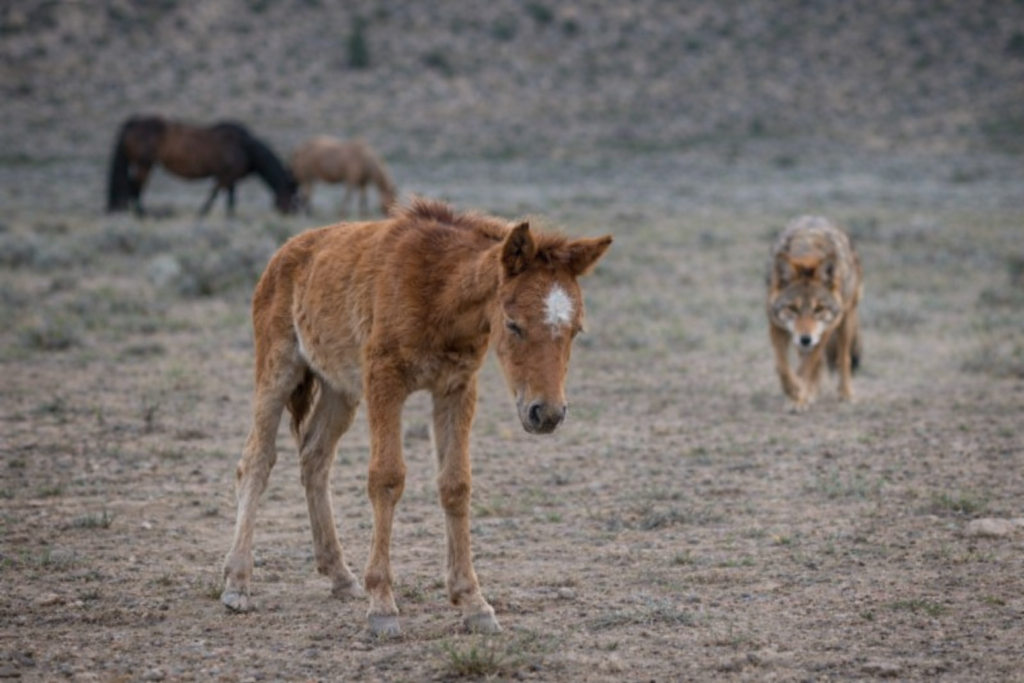
Predators have always existed alongside wild horses, usually targeting the sick or very young. That balance shifts when herds fragment. Smaller bands lose collective vigilance, spacing, and defensive positioning that once reduced predation risk across open terrain.
Foals become easier targets, and losses increase gradually rather than dramatically. These deaths are often labeled natural, yet fragmentation created by removals and habitat pressure amplifies predator efficiency. The result is accelerated decline that appears ecological but is tightly linked to human driven disruption of herd structure.
8. Genetic isolation erodes resilience long before collapse.
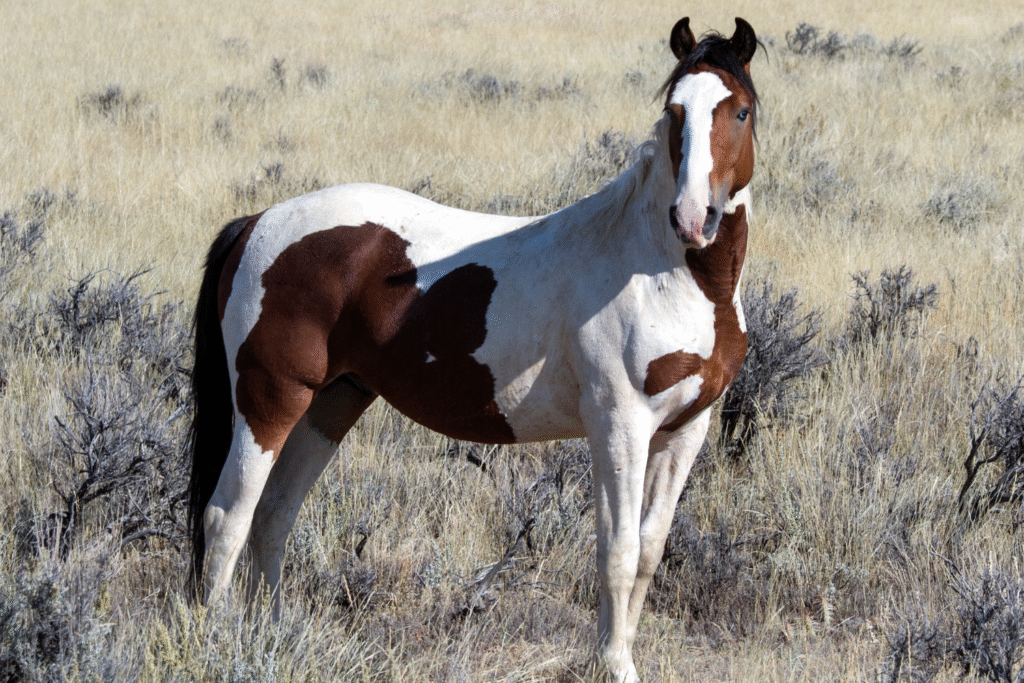
Movement between herd areas once allowed genetic exchange across vast landscapes. Roads, fences, and development now block those routes, isolating populations into smaller genetic pockets without natural relief.
Inbreeding increases slowly, reducing fertility and adaptability. Defects rise quietly. These changes remain invisible for years, then surface suddenly as poor foal survival or rapid population failure. By the time genetic weakness becomes obvious, restoring diversity is difficult and sometimes impossible.
9. Public perception lags far behind biological reality.

Wild horses remain visible icons of freedom and abundance. Seeing them on the range creates reassurance, even as underlying indicators worsen. Decline unfolds quietly, without dramatic die offs or media moments to trigger alarm.
This delay matters. While debate continues, biology moves forward. By the time concern broadens beyond specialists, recovery options narrow. Visibility masks vulnerability, allowing losses to outpace response across landscapes still perceived as stable by the public.
10. Disappearance unfolds through accumulation rather than catastrophe.
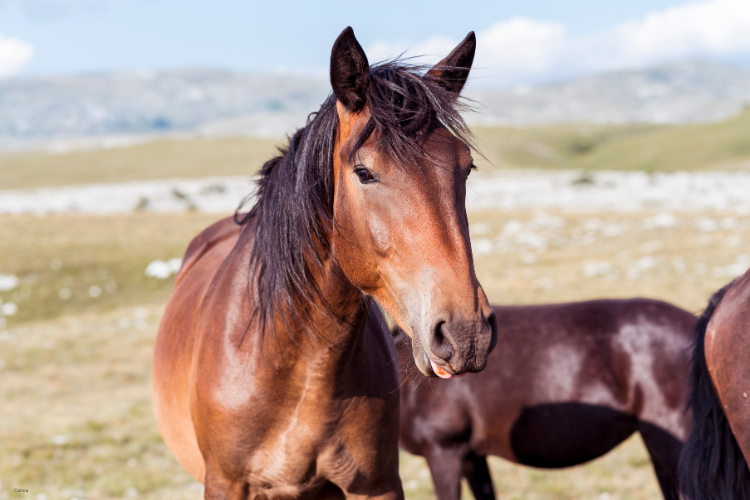
No single event explains the speed of loss. Drought, removals, forage pressure, predation, stress, and isolation layer together, each intensifying the next. None appear catastrophic alone.
Together, they compress timelines. Survival margins shrink faster than adaptation. Wild horses are not vanishing in one moment. They are fading through accumulated pressure, quietly crossing thresholds before most observers realize how close disappearance has become.