
A long overlooked hound finally crosses the line.

The shift happened slowly enough that many missed it at first. One registry update, a quiet confirmation, and suddenly decades of debate felt unsettled again. Breeders who had guarded bloodlines for generations noticed the change immediately. Others only sensed it when unfamiliar names began appearing in official records. Recognition does more than validate paperwork. It changes who pays attention, who invests, and who decides what comes next. For this breed, the timing raises as many questions as it answers.
1. Recognition arrived after decades of patient waiting.

For years, supporters lived with uncertainty baked into every decision. Litters were planned without knowing if future recognition would ever come. Shows remained closed doors, and credibility depended entirely on trust rather than titles.
Behind that tension sat a long paper trail slowly being assembled. Pedigrees were verified, numbers stabilized, and oversight improved step by step. Acceptance into the American Kennel Club Foundation marked the turning point, confirming the breed had finally met the baseline for official recognition.
2. Its medieval roots belong to the Fauve de Bretagne.

The breed at the center of this shift is the Fauve de Bretagne, also known as the Fawn Colored Brittany Basset. Long before registries, it tracked game across dense forests, valued for endurance over refinement. Those origins left few formal records behind.
Historians pieced together evidence from rural France, combining working logs with oral breeding traditions. The line persisted through political upheaval and landscape change, as reported by Société Centrale Canine historians. That survival story still shapes how the Fauve de Bretagne is evaluated today.
3. Breed advocates navigated strict modern kennel criteria.
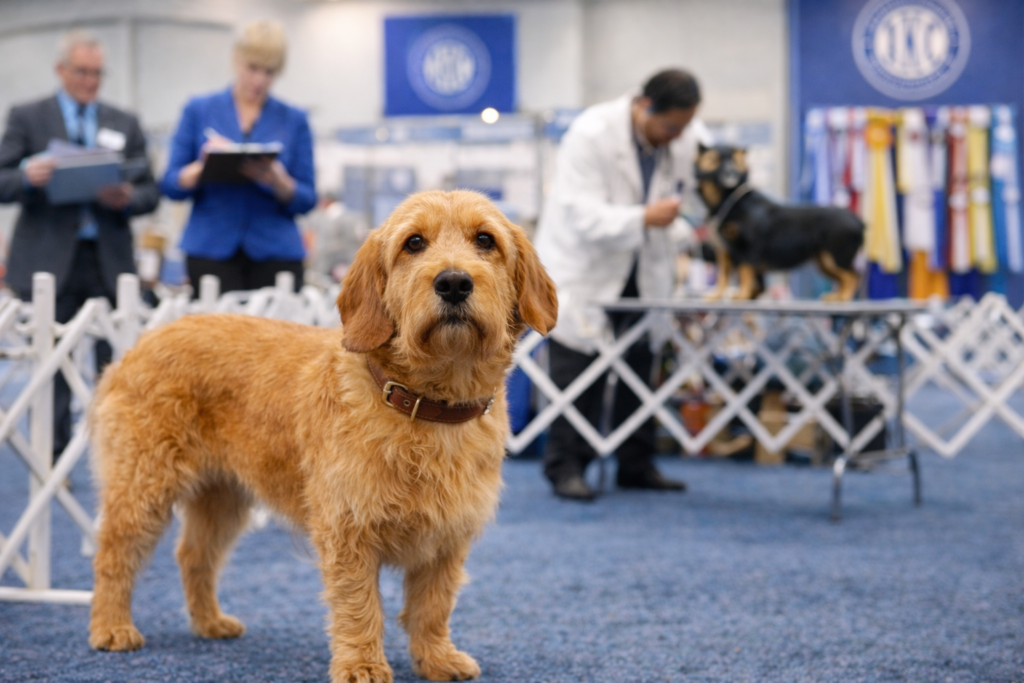
Recognition required far more than historical appeal. Population thresholds, genetic clarity, and standardized traits all had to align at the same time. Progress stalled more than once under scrutiny.
Clubs responded by tightening oversight rather than expanding quickly. Health screenings became nonnegotiable, and breeding records were centralized. Advancement followed compliance rather than enthusiasm, as stated by AKC Foundation Stock Service guidelines, reflecting how modern systems reward precision over passion.
4. The fawn coat carries more significance than expected.

At first glance, coat color seems secondary. Yet for this breed, fawn coloration connects directly to geography and function. It reflects centuries of working conditions rather than aesthetic trends.
Evaluators examined texture, seasonal shifts, and consistency across generations. Those details quietly supported lineage claims. The coat became a visual anchor, reinforcing stability without ever being the focus of debate.
5. Temperament assessments complicated the approval timeline.

This hound does not fit neatly into companion stereotypes. Independence developed for hunting created hesitation among evaluators seeking predictable behavior. Early reports varied widely.
Gradually, patterns emerged through structured observation. Across environments, the same balance of focus and restraint appeared. Recognition required reliability, not submission, and the breed ultimately demonstrated consistency without losing its working edge.
6. Population growth required careful ethical oversight.

Interest grew before recognition was complete, creating pressure to expand too fast. That risk threatened health and genetic diversity if left unchecked.
Breeders responded with restraint. Limited studs, genetic testing, and transparent reporting slowed growth intentionally. That discipline strengthened credibility, signaling readiness for recognition without sacrificing long term stability.
7. International standards influenced domestic evaluation heavily.
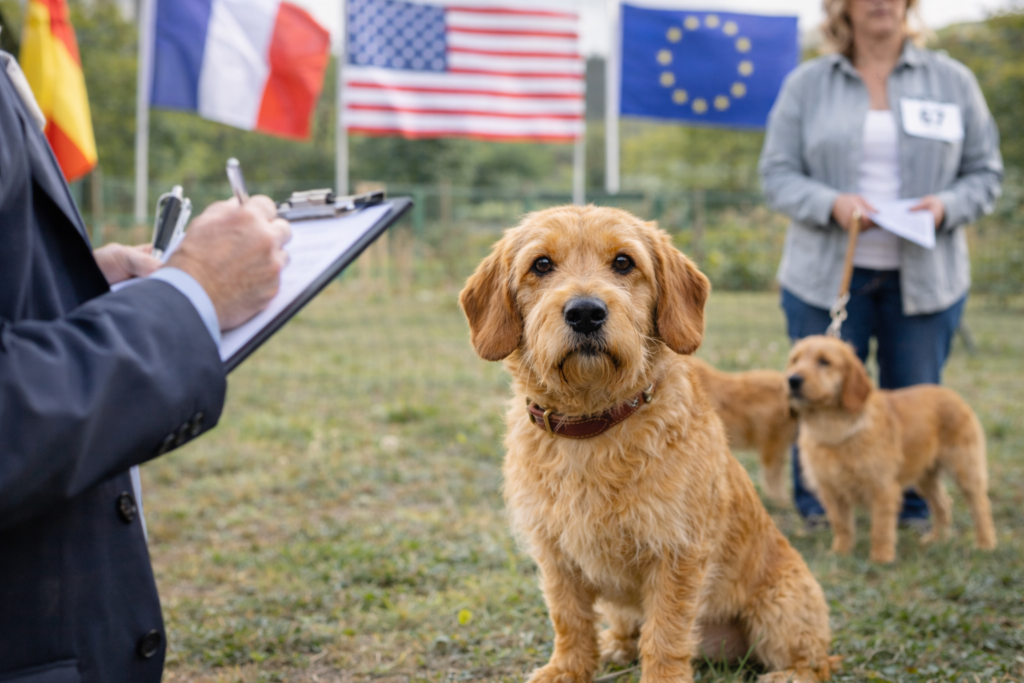
Although recognition occurred in the United States, evaluators leaned heavily on European benchmarks. Those standards provided context when domestic data felt incomplete.
Alignment across borders reduced friction during assessment. While small differences remained, core traits matched closely enough to reassure reviewers that recognition would not fragment the breed’s identity.
8. Show ring exposure reshaped public perception rapidly.
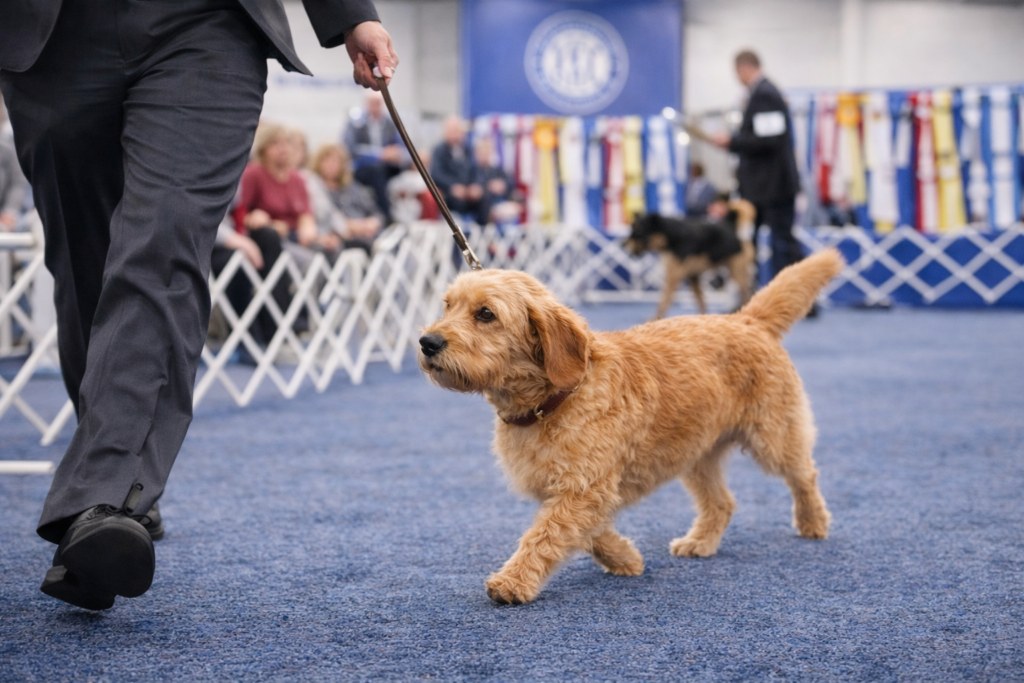
Eligibility brought visibility almost overnight. The breed moved from specialist circles into structured competition, where unfamiliar audiences formed opinions quickly.
Handlers emphasized movement and composure rather than novelty. Attention shifted from curiosity to credibility. Exposure reframed the conversation, positioning the breed as established rather than experimental.
9. Final classification remains undecided for now.
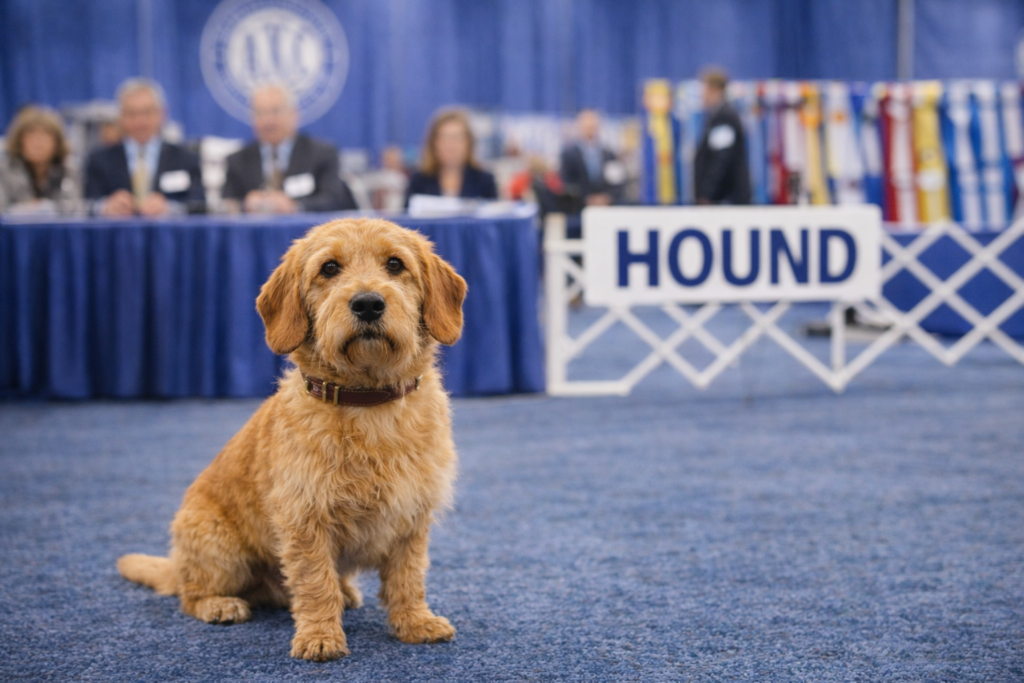
Recognition did not settle where the breed ultimately belongs. Group placement affects judging standards, breeding goals, and future popularity. That decision carries weight.
Committees continue reviewing participation and performance data. Time, rather than momentum, will guide the outcome. For now, recognition stands as validation earned through patience, leaving the next step deliberately unresolved.