
A routine alert carries unusually high urgency.
The message did not arrive as spam or rumor. Apple issued it directly, warning iPhone users that a serious security issue may already be in use against real people. The language was restrained but firm, urging action without detailing targets or methods. That restraint is part of what raised concern. These alerts do not appear often, and when they do, timing matters. For millions of users, the question is not what happened, but what happens if they wait.
1. Apple issued an unusually direct security warning.

The alert stood out because Apple rarely signals urgency without context. Users were told to update immediately, implying risk beyond routine maintenance. The lack of specifics left room for concern about who might already be exposed and how quickly damage could spread.
Apple confirmed the issue involved an actively exploited vulnerability affecting iPhones, according to Reuters. When Apple uses that phrasing, it suggests real world attacks are already underway. The warning signals a shift from prevention to response, though details remain intentionally limited for now.
2. The flaw allows deep access into devices.

Security experts note that the vulnerability does not merely crash apps. It potentially allows attackers to execute malicious code, opening pathways into core system functions. That level of access raises stakes for personal data and communications.
Apple acknowledged the flaw impacts how web content is processed, as stated by The Guardian. Malicious websites could trigger the exploit without obvious signs. Users may not notice anything wrong until after information is compromised, making early updates critical despite the quiet nature of the threat.
3. Certain users may face elevated risk.

Apple rarely frames warnings around specific groups, yet this alert hints that some users are more likely targets. Journalists, activists, and public figures often face sophisticated attacks that exploit zero day flaws before patches arrive.
The company noted the vulnerability could be used in highly targeted attacks, as reported by Apple security advisories. That language suggests surveillance grade exploitation rather than broad criminal campaigns. Even so, Apple urged all users to act, recognizing that attack tools often spread quickly once exposed.
4. Updates close the gap attackers rely on.
Attackers depend on time, especially the window between discovery and widespread patching. Each unupdated device represents a lingering opportunity. The longer updates are delayed, the more valuable the exploit becomes.
Apple’s fix addresses the underlying weakness, but protection only applies after installation. Automatic updates help, yet many users postpone them. In this case, postponement carries higher risk, as attackers may already know which devices remain vulnerable through passive scanning methods.
5. Older devices remain unexpectedly exposed for now.

Many users assume aging phones are already sidelined from major security threats. This situation disrupts that assumption. Older iPhone models remain active targets because attackers favor devices users update less frequently. Delayed patches widen the vulnerability window.
Apple included a wide range of models in the fix, signaling severity rather than convenience. Continued support limits fragmentation, yet protection only applies after installation. Devices left unpatched remain attractive entry points. Age does not equal safety, and familiarity can create false confidence during active exploitation periods.
6. Web activity makes the threat harder to avoid.
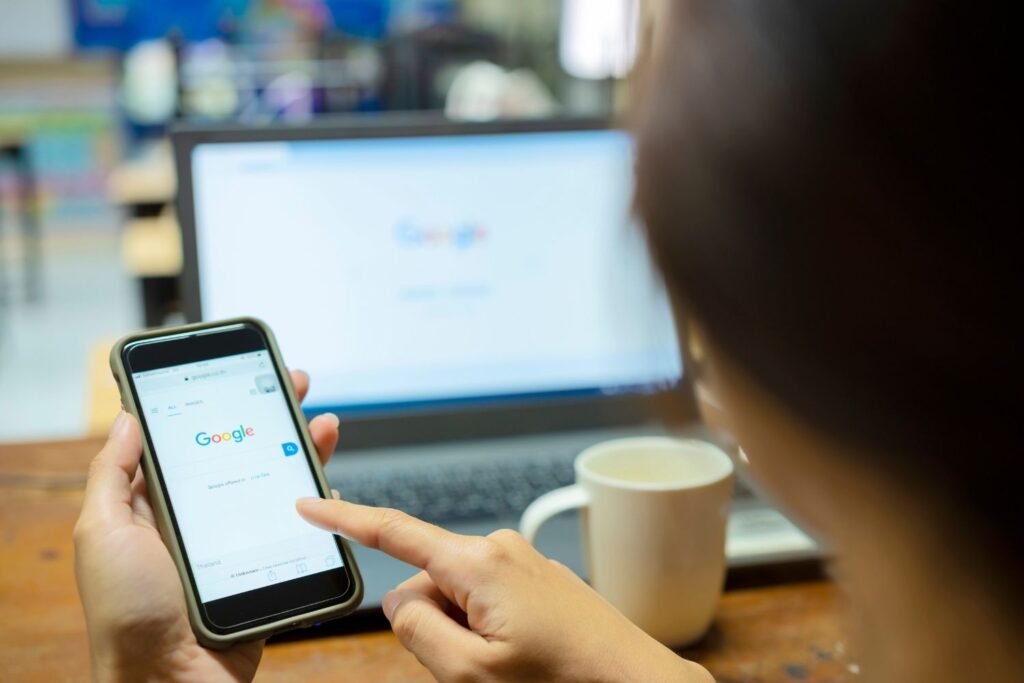
This exploit ties directly to everyday web activity. Visiting a site, loading embedded content, or viewing previews could expose the device. No suspicious downloads or warnings are required, increasing uncertainty for users.
Because browsing is constant, exposure becomes probabilistic rather than intentional. Even cautious behavior offers limited protection. Apple’s response focuses on system level correction instead of user habits. The risk exists within normal usage patterns, which is why urgency matters more than behavioral advice.
7. Attackers often exploit delays after public alerts.
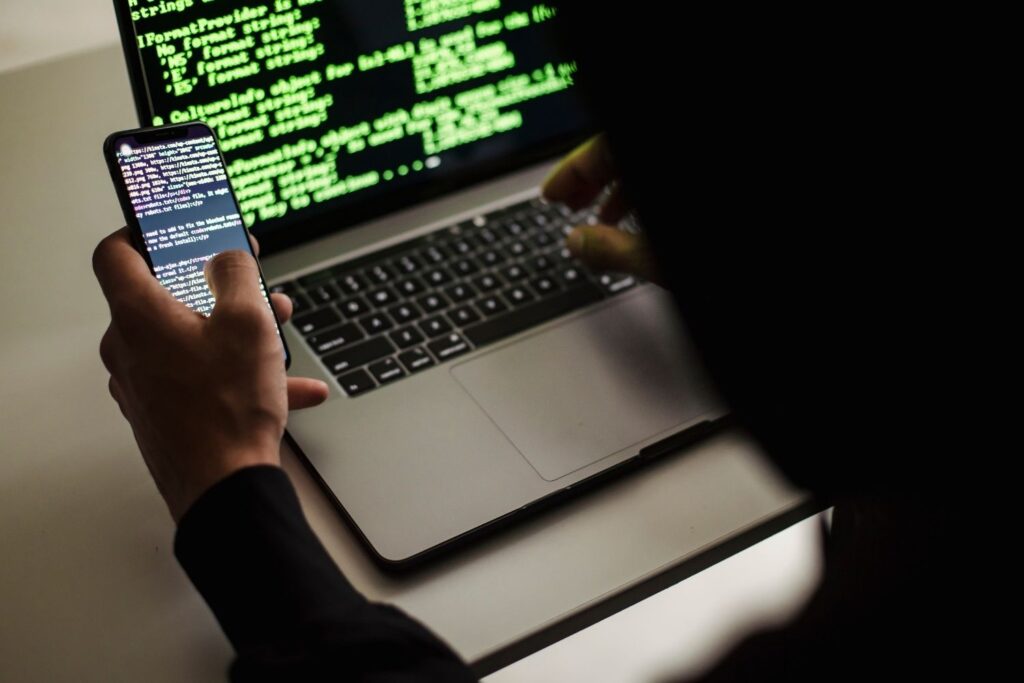
Public disclosure triggers a race. Once awareness spreads, attackers accelerate use before defenses fully deploy. That timing favors those who move quickly, not those who wait for confirmation.
Security professionals track how exploits expand rapidly after alerts. Tools migrate from targeted campaigns to wider distribution. The delay between notification and patch adoption creates opportunity. Every unupdated device contributes to that gap, extending usefulness of the exploit longer than intended.
8. Limited disclosure protects users more than it reassures.

Apple has shared minimal technical detail about the vulnerability. That restraint frustrates some users but serves a defensive purpose. Specifics can guide attackers toward replication.
Security practice favors delayed transparency until patches propagate. Early disclosure risks enabling misuse before adoption stabilizes. The absence of detail signals seriousness rather than secrecy. Silence, in this case, functions as containment rather than evasion.
9. The warning reflects evolving threat reality.

Apple’s language suggests recognition that advanced attacks reach beyond niche targets. Smartphones now hold financial, professional, and personal data attractive to sophisticated actors.
This alert fits a pattern of treating consumer devices as frontline infrastructure. The shift acknowledges modern threat models where ordinary users intersect with complex attack ecosystems. The urgency reflects that reality without dramatization.
10. Waiting offers no practical upside here.

There is no tradeoff between caution and benefit. This update does not introduce optional features or performance shifts. Its purpose is singular.
Delaying assumes visibility into threats users do not have. Exploits operate silently, leaving no immediate signs. Action reduces uncertainty rather than reacting to damage. In this case, immediacy is preventative, not reactive, and postponement only preserves exposure.