
The quiet moment when separation arrives too soon.
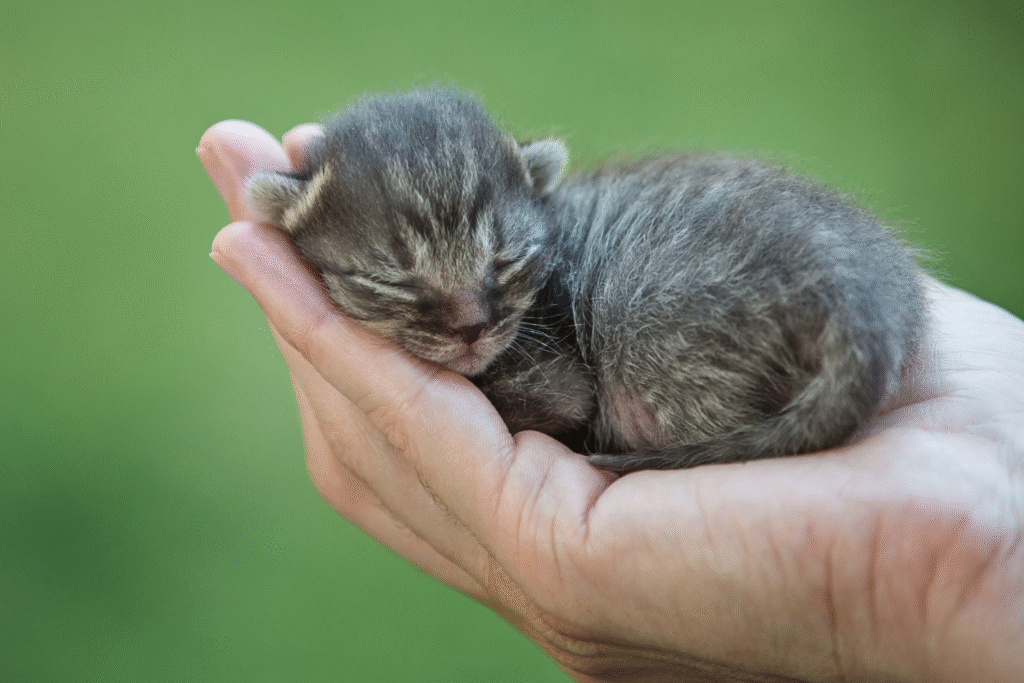
The moment a kitten leaves its mother rarely looks dramatic. It happens in living rooms, shelters, barns, and back rooms where timing feels practical rather than consequential. Yet behaviorists have spent decades circling this transition, noticing subtle patterns that surface much later. Something shifts quietly when nursing ends early. The change does not announce itself in kittenhood. It waits. Adult behaviors begin forming before owners know what to watch for, creating a long delayed ripple that often feels personal once it finally appears.
1. Separation timing quietly shapes future emotional regulation.
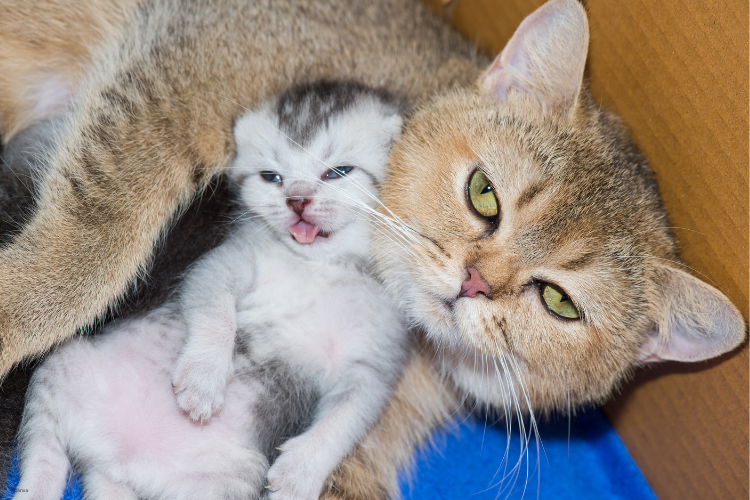
A kitten removed early often appears adaptable at first, eating solid food and exploring with ease. Weeks pass without concern. Yet emotional regulation builds during nursing weeks, not after. When separation happens too soon, subtle stress responses begin wiring themselves beneath playful behavior, waiting for adult life to apply pressure.
By adulthood, these cats may struggle calming themselves after minor disruptions. Routine changes feel heavier. Stress lingers longer. According to research summarized by American Veterinary Medical Association, maternal contact during early weeks directly influences stress response systems still active years later.
2. Early weaning alters how cats process social signals.
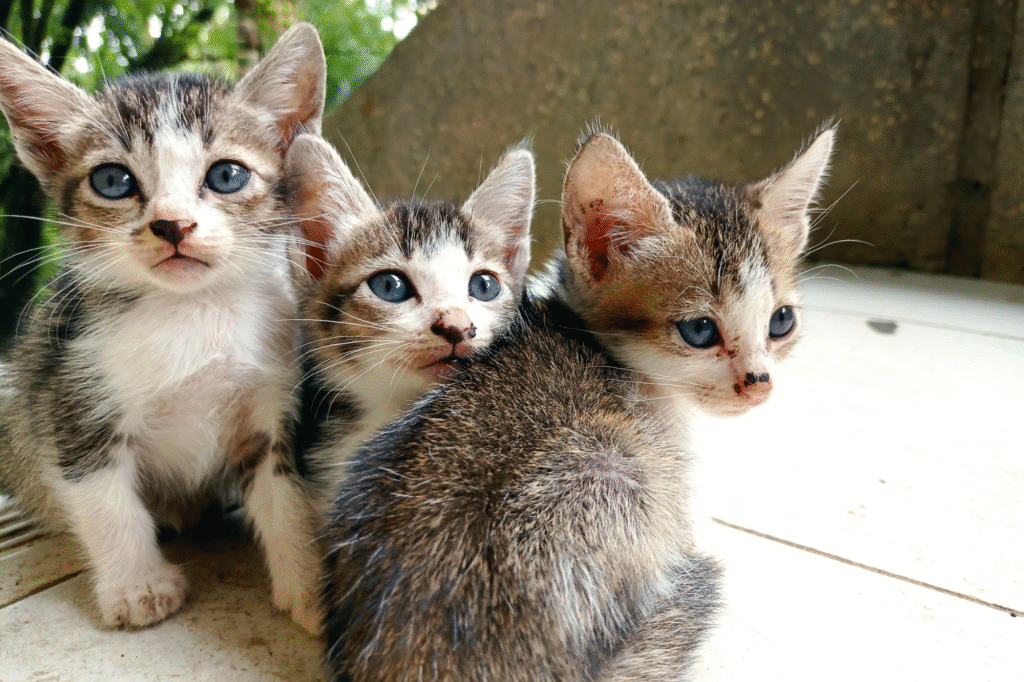
Play between kittens looks chaotic, but it teaches restraint, pacing, and reading boundaries. When nursing ends early, those lessons shorten. The kitten may still play, yet misses countless micro corrections delivered through touch, posture, and timing that shape social fluency.
Later, adult interactions can feel mismatched. Some cats play too hard. Others withdraw abruptly. Signals are sent but misread. This confusion often surprises owners. Behavioral assessments consistently trace these patterns to early separation windows, as stated by International Society of Feline Medicine.
3. Bite inhibition often develops unevenly after early removal.
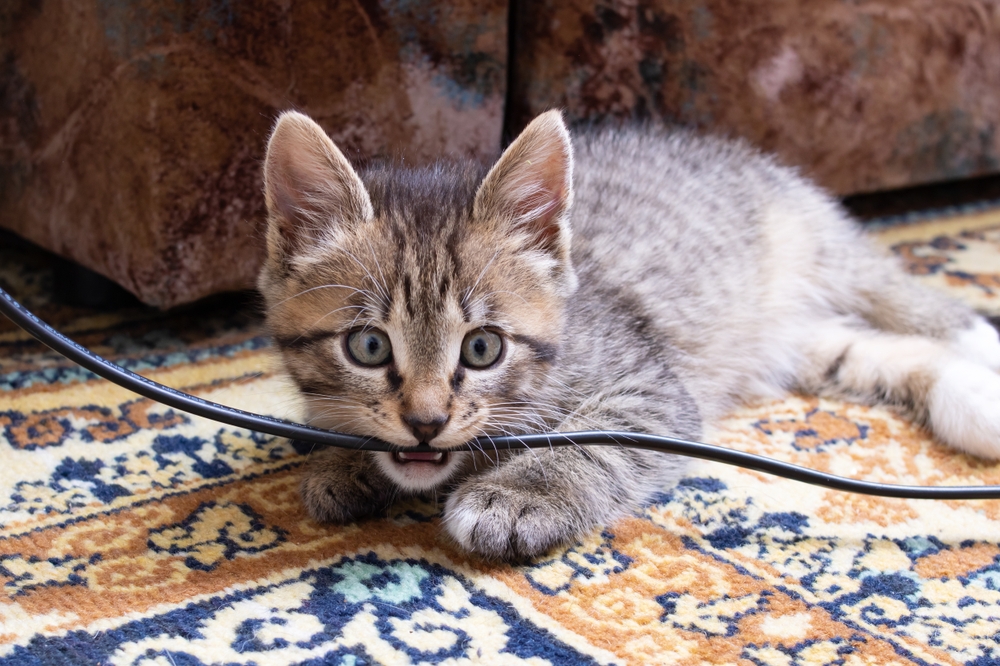
Gentle mouths are learned, not instinctive. During nursing, kittens bite and are corrected instantly. Teeth meet fur, skin, or nipple, followed by feedback. Early weaning removes this loop prematurely, leaving bite control partially unfinished.
As adults, these cats may nip during play or stress, not from aggression but confusion. The behavior feels sudden to humans. It often appears in overstimulation moments. Researchers tracking feline development link incomplete inhibition patterns to shortened maternal exposure, as reported by Journal of Feline Medicine and Surgery.
4. Self soothing behaviors may replace maternal regulation.
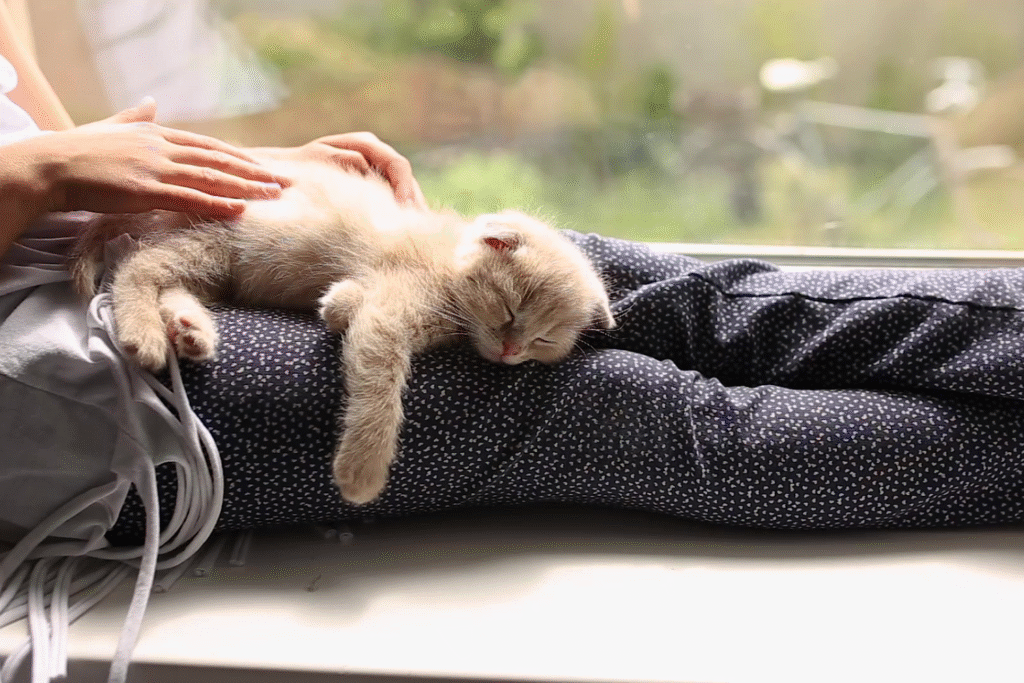
Without a mother to regulate comfort, kittens adapt creatively. Suckling on blankets, kneading excessively, or pacing emerges quietly. These habits are not alarming early. They simply feel endearing.
Over time, self soothing becomes a default response to uncertainty. Adult cats may over groom, fixate on routines, or struggle during environmental changes. These behaviors often intensify during stress rather than fade. What once helped a kitten cope becomes a long term strategy that never quite learned to turn itself off.
5. Independence can mask unmet attachment development.

Early weaned kittens are often described as confident or unusually independent. They explore readily and sleep alone without protest. This independence feels like maturity, yet it sometimes hides something unfinished beneath the surface.
As adults, these cats may resist closeness yet crave predictability. Affection happens on strict terms. Emotional distance coexists with sensitivity. The attachment system learned to self manage early, not to collaborate. The result is a cat that appears self sufficient while quietly struggling with emotional flexibility.
6. Stress thresholds tend to lower across adulthood.
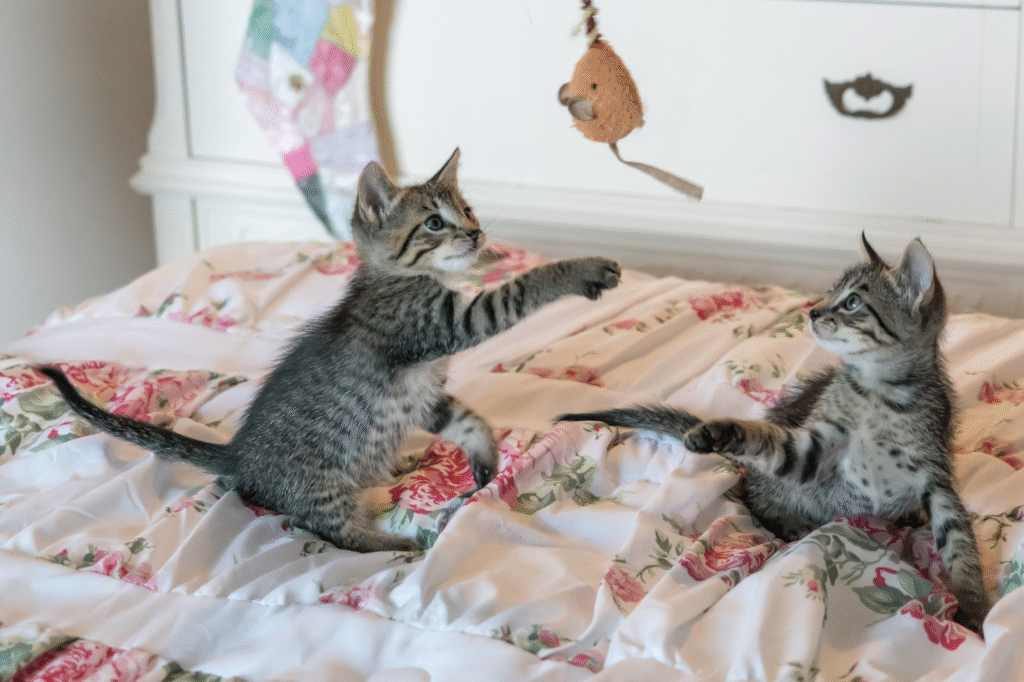
Stress tolerance builds gradually through early safety. Nursing provides rhythm, warmth, and regulation that teaches resilience. When removed early, the baseline stress threshold often sets lower without anyone noticing.
Years later, ordinary events like guests, moves, or schedule changes feel overwhelming. Reactions seem disproportionate. These cats are not fragile. Their nervous systems simply calibrated early without enough buffering. Over time, stress accumulates faster and releases slower, shaping behavior across the entire adult lifespan.
7. Behavioral change often surfaces long after adoption.
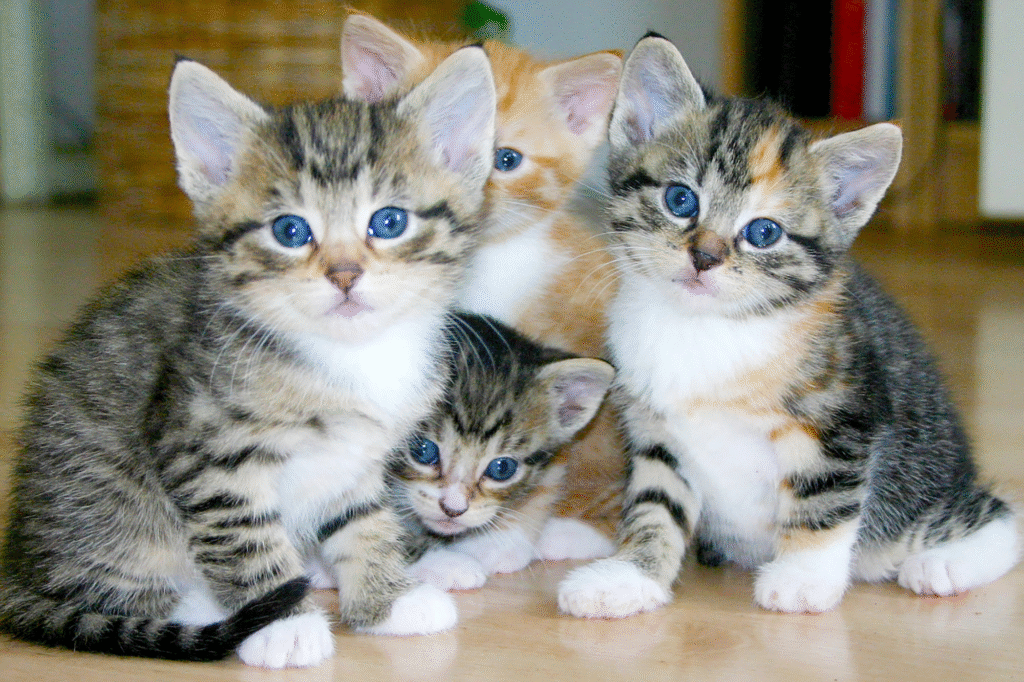
Perhaps the most confusing part is timing. Many early weaned cats seem typical for years. Then adulthood brings new environments, social demands, or aging bodies. Behaviors shift unexpectedly.
Owners often search recent causes, missing a much earlier origin. The foundation was laid quietly, long before memory. Early weaning rarely causes immediate problems. Instead, it plants tendencies that surface only when life becomes complex enough to test them.
8. Sensitivity to frustration may quietly increase over time.

Minor obstacles can feel unusually significant to some early weaned cats. A closed door, delayed meal, or interrupted play session triggers outsized reactions that seem to come from nowhere.
This sensitivity grows slowly. Early frustration tolerance is learned through repeated maternal buffering. Without it, patience develops unevenly. As adults, these cats may vocalize more, disengage abruptly, or fixate on blocked goals. The behavior is less about stubbornness and more about an early system that never fully learned how long waiting should feel.
9. Sleep patterns may reflect early self reliance habits.

Kittens normally synchronize sleep with their mother and litter, learning safety through shared rest. Early weaning disrupts that rhythm, encouraging solitary sleep sooner than intended.
As adults, these cats may sleep lightly, change locations frequently, or avoid shared resting spaces. Nighttime restlessness can appear without obvious cause. The pattern is subtle, often dismissed as personality. Yet it echoes an early need to remain alert, a habit formed when comfort and protection ended sooner than expected.
10. Adaptability may depend heavily on environmental consistency.

Some early weaned cats handle change well only when other variables remain stable. They thrive in predictable environments but struggle when multiple changes stack together.
This selective adaptability can be misleading. Owners may see confidence in one context and fragility in another. The nervous system learned to cope by controlling surroundings rather than flexing internally. As life grows more complex, that strategy becomes harder to maintain, revealing stress responses shaped long before adulthood arrived.