
Some horses demand more experience than expected.
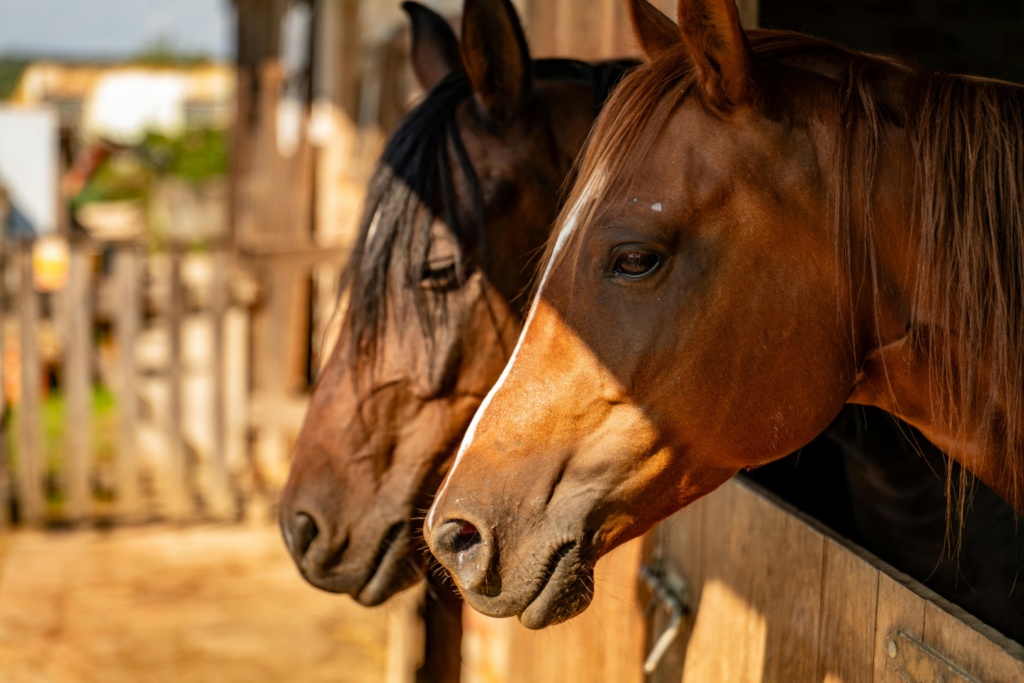
Buying a first horse often feels like a dream taking shape slowly. Temperament charts promise calm partners, and beauty can blur warning signs. Yet certain breeds carry histories that demand skill before trust forms. Beginners sometimes step into situations they cannot read yet. The mismatch rarely shows immediately. It appears later, during training gaps, spooked reactions, or quiet resistance. These horses are not bad. They are simply shaped by centuries of purpose that do not bend easily to inexperience yet.
1. Arabian horses often overwhelm beginners with sensitivity.
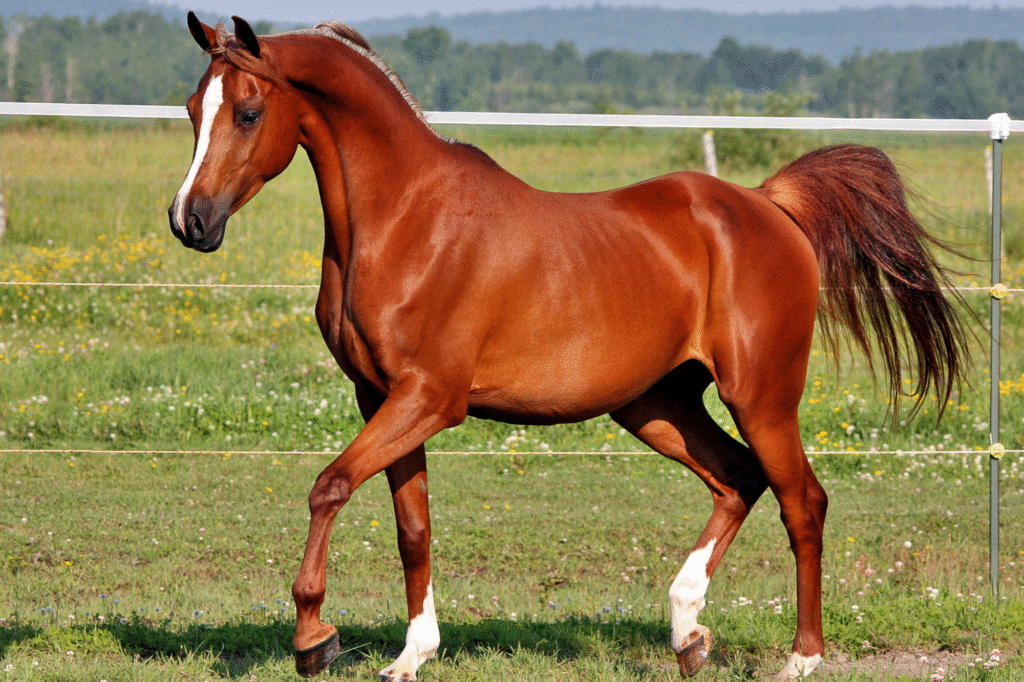
At glance, Arabians seem manageable. Energy hums beneath their skin, reacting instantly to cues beginners barely notice. Small mistakes echo loudly. Tension builds fast. Riders feel watched rather than partnered. Miscommunication escalates before confidence settles, creating a loop of anxiety that surprises owners who expected grace to equal ease daily.
Centuries of desert survival sharpened awareness and memory. They learn patterns quickly and remember errors longer. Training requires timing and softness beginners develop slowly. According to the American Horse Council, Arabian horses rank among the most reactive breeds, rewarding precision while punishing inconsistency through heightened responsiveness that never switches off.
2. Thoroughbreds challenge novices through speed focused instincts.
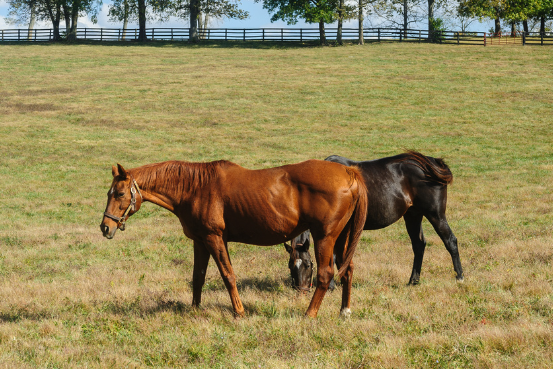
Retired racehorses often appear quiet in barns. Under saddle, dormant instincts surface quickly. Forward momentum feels constant. Pauses feel unnatural. Beginners struggle managing pace while maintaining balance. Small uncertainties transmit instantly, escalating tension before riders understand what triggered the response beneath the polished exterior.
Selective breeding favored speed, sensitivity, and rapid reaction. These traits persist beyond racing careers. Re training requires patience and steady hands. As stated by the British Horse Society, Thoroughbreds remain highly responsive athletes, best suited for riders who can provide consistent guidance without accidental mixed signals.
3. Akhal Teke horses test patience through intense bonding behaviors.
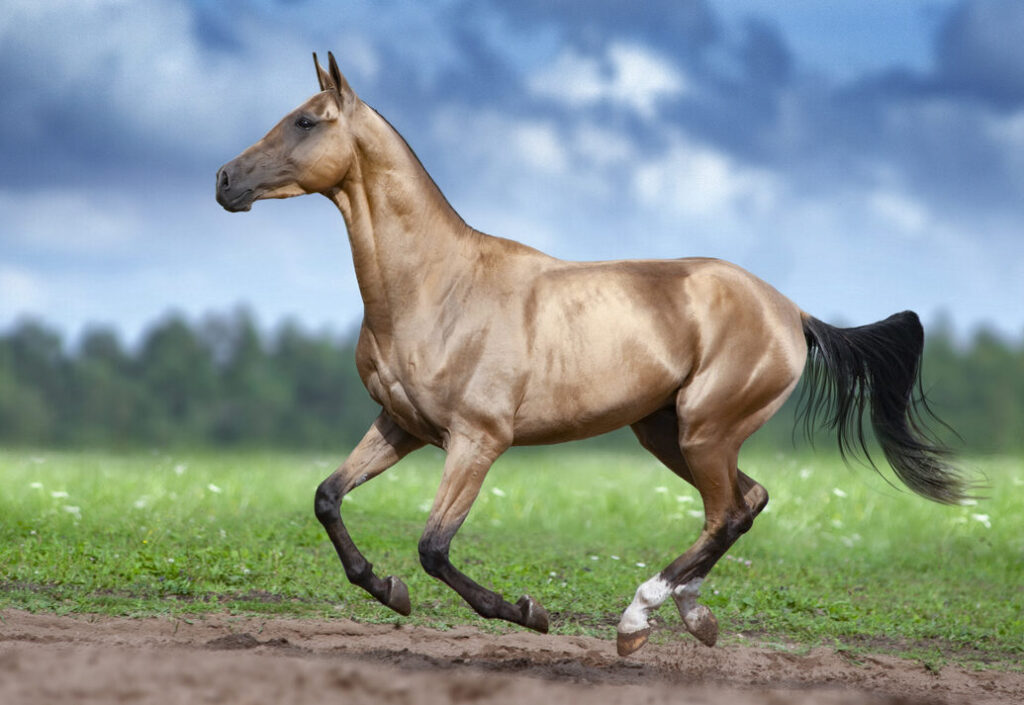
At first, Akhal Tekes seem reserved rather than difficult. They observe quietly, forming selective attachments. Beginners misread distance as calm. Under pressure, the bond expectation emerges strongly, creating confusion when trust feels incomplete or conditional during early handling experiences.
Bred in isolation with close human reliance, these horses bond intensely to individuals. Inconsistent handling disrupts security. According to research summarized by the Food and Agriculture Organization, Akhal Tekes developed strong loyalty traits that demand experienced, consistent partnerships rather than rotating or uncertain novice care environments.
4. Andalusian horses require advanced body awareness.
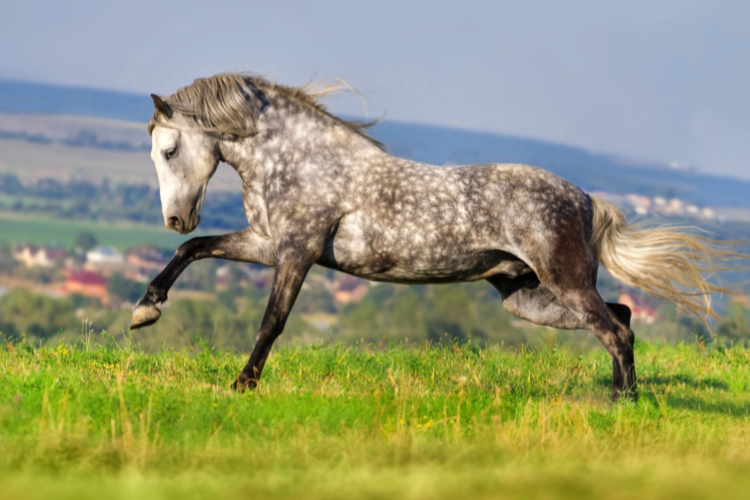
Power hides beneath elegance in Andalusians. Collection comes naturally. So does resistance when cues lack clarity. Beginners struggle coordinating seat, leg, and rein simultaneously, causing frustration to surface through stiffness or evasive movement patterns.
Centuries of classical training shaped their expectations. These horses anticipate refined communication. When it fails, confusion replaces cooperation. Progress depends on rider balance and timing, skills still forming during early riding careers.
5. Friesian horses amplify mistakes through sheer strength.

On the surface, Friesians feel forgiving. Their calm presence reassures beginners immediately. Yet once movement begins, every imbalance multiplies. A late cue pulls harder. A crooked seat redirects power. Riders feel mistakes grow heavier instead of fading, creating tension that builds silently with every ride.
Their strength is paired with sensitivity. Friesians respond fully to unclear signals. Energy has nowhere to soften without correct guidance. Beginners still developing balance and timing unintentionally create resistance. The horse does not rebel. It simply reflects inconsistency with amplified force, challenging confidence faster than expected.
6. Mustangs challenge beginners with survival shaped caution.
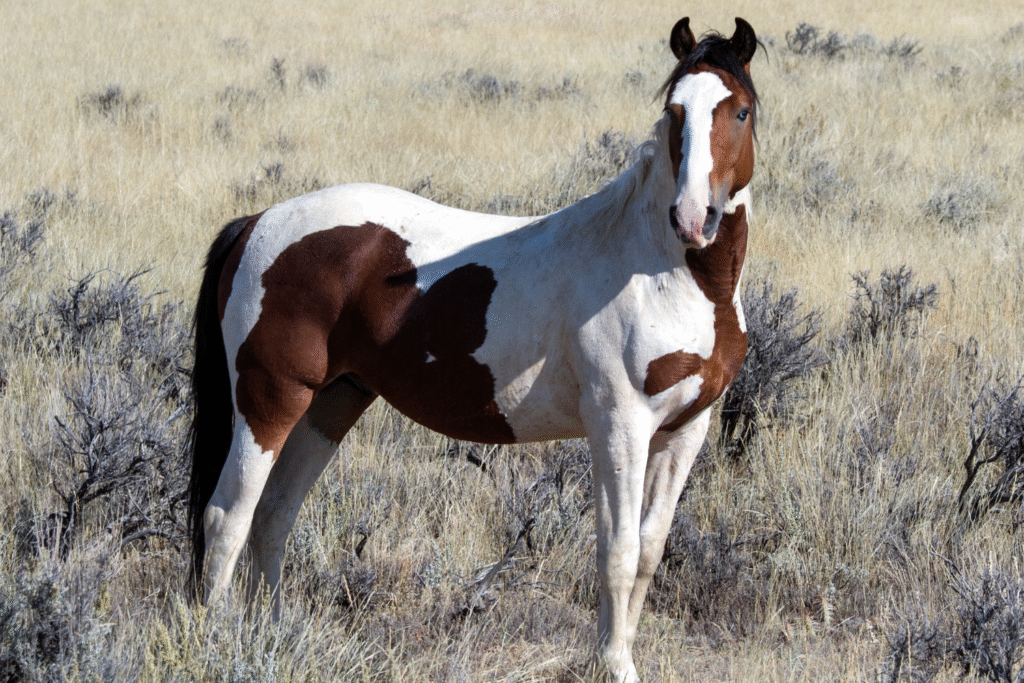
Gentled mustangs may appear calm and compliant. Underneath, caution runs deep. Pressure triggers evaluation rather than submission. Beginners often misread hesitation as stubbornness and increase demands without realizing trust is eroding.
Generations of survival sharpened decision making. Mustangs assess before responding. Trust builds slowly and withdraws quickly. Consistency matters more than repetition. Novices struggle recognizing subtle stress signals before reactions surface, making progress feel unpredictable despite good intentions and steady care.
7. Paso Fino horses confuse riders through unique gait demands.
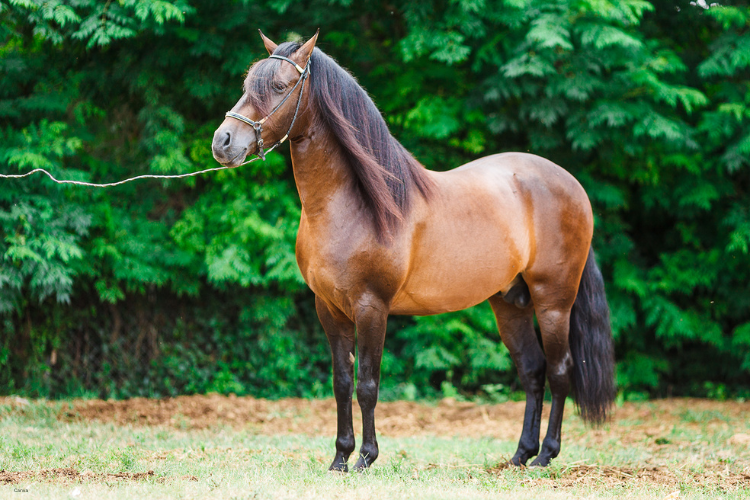
The promise of smoothness draws beginners toward Paso Finos. The gait feels effortless until cues interfere. Small errors disrupt rhythm instantly. Confusion replaces comfort. Riders struggle understanding why control feels harder despite reduced impact.
Maintaining the natural gait requires precise timing and balance. Beginners juggle steering, posture, and cues simultaneously. Without clarity, the horse compensates or resists. The challenge lies not in temperament but in coordination expectations that exceed early riding skill levels.
8. Belgian draft crosses surprise owners with mental sensitivity.
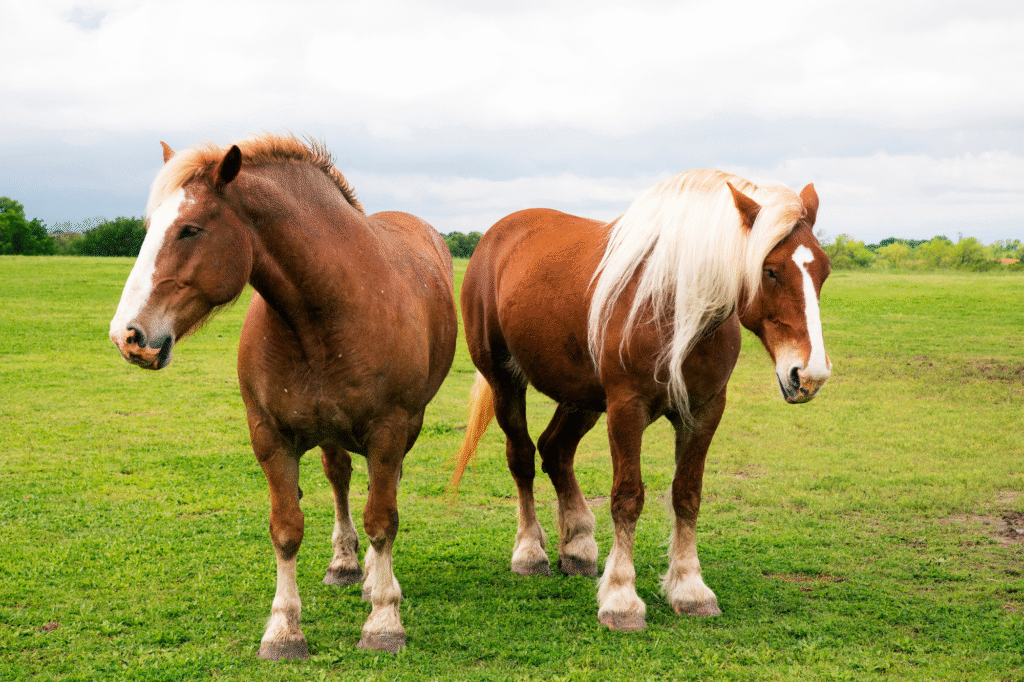
Large frames suggest simplicity. Calm expressions suggest steadiness. Yet Belgian draft crosses often carry surprising emotional awareness. Beginners underestimate mental engagement needs, assuming size equals tolerance. Subtle inconsistencies register quickly.
Bred to respond to light cues despite strength, these horses notice mixed signals. When guidance lacks clarity, they shut down or resist quietly. Novices learning fundamentals unintentionally confuse them, leading to stalled progress that feels unexpected given their gentle reputation.
9. Lipizzaner horses demand patience during slow development.

Lipizzaners mature slowly. Early training feels uneventful. Beginners expect visible progress and grow uncertain when responses remain restrained. Frustration builds quietly as effort seems unrewarded.
Their minds and bodies develop over years, not months. Pressure applied too early creates lasting resistance. Success depends on long term planning and restraint. Inexperienced owners often struggle waiting through foundational stages without pushing, misunderstanding stillness as refusal rather than preparation.
10. Appaloosas can test confidence through independent decision making.

Appaloosas often pause before responding. Beginners expect immediate compliance. The delay feels like defiance. Pressure increases. Cooperation fades subtly as communication breaks down.
Selective breeding favored problem solving and independence. These horses think actively rather than reactively. Partnership relies on negotiation and trust. Novices still learning authority struggle balancing leadership with respect, unintentionally creating tension where patience would have built cooperation instead.