
Why chemical scrutiny reshapes everyday kitchen products.
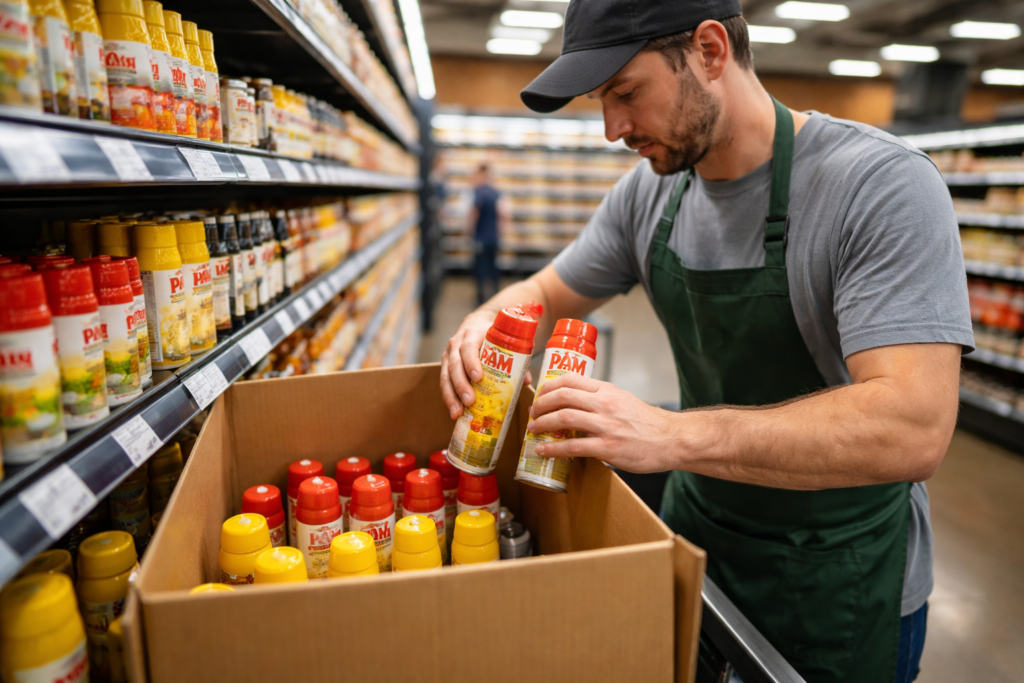
Cooking sprays look simple, but the science inside the can has never been simple. For decades, these products combined oils, chemical propellants, stabilizers, and pressurized gases designed to behave safely near heat. As chemistry advanced, some of those ingredients raised alarms. Environmental damage, fire risk, and long term exposure questions began surfacing. One by one, certain sprays disappeared or changed form. The shifts were driven by rules, research, and risk assessments, reshaping what reaches kitchen shelves without most shoppers realizing how much science was involved.
1. PAM relied on propellants later deemed environmentally dangerous.
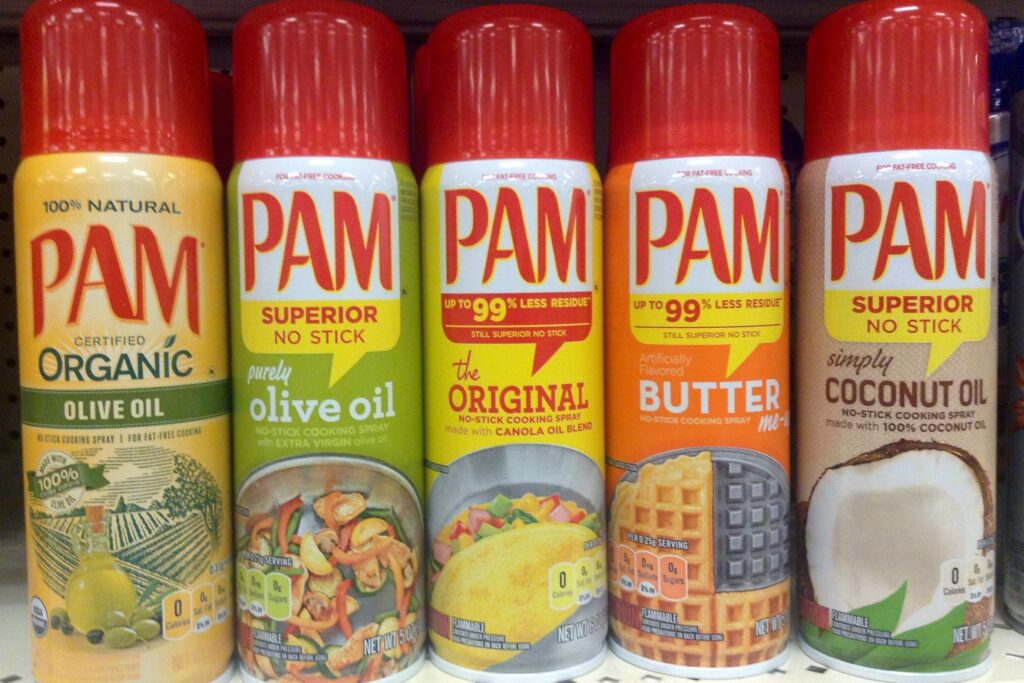
Early PAM sprays used chlorofluorocarbons, known as CFCs, to push oil from the can. These compounds were stable, invisible, and extremely effective. For years, they floated unnoticed from kitchens into the atmosphere, accumulating far above where their damage occurred.
Scientists later linked CFCs to ozone depletion, which increased ultraviolet radiation exposure worldwide. Regulations followed, forcing manufacturers to abandon CFCs entirely. PAM reformulated using alternative hydrocarbons and redesigned spray mechanisms. The original chemistry vanished permanently, according to the Environmental Protection Agency, marking a fundamental shift in aerosol food products.
2. Wegmans sprays raised alarms over pressurized can failures.
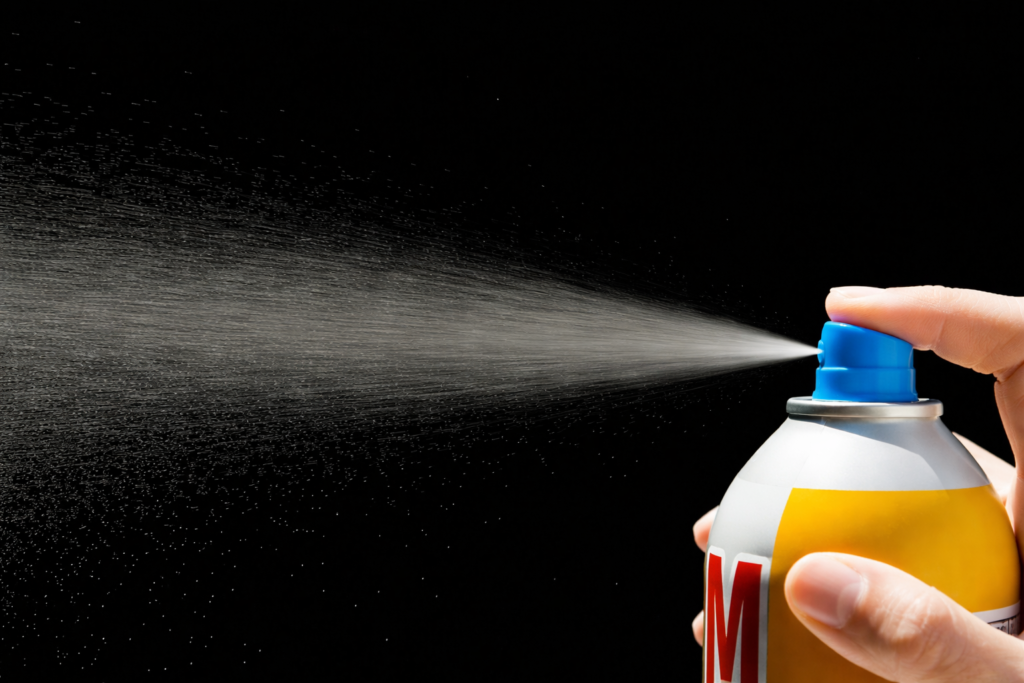
Chemical safety is not only about ingredients. Aerosol cans rely on precise pressure levels created by liquefied gases like propane and butane. When seals fail or metal weakens, pressure can release violently, especially near stoves.
Wegmans encountered this risk when certain cooking spray cans were pulled after defects threatened rupture. The oil remained edible, but the container posed danger. Investigations focused on pressurization mechanics and valve systems. Products were removed as a precaution, as reported by the Food and Drug Administration, showing how packaging chemistry can trigger removals without ingredient bans.
3. Crisco sprays changed as hydrogenated oils lost approval.

For years, many sprays relied on partially hydrogenated oils to prevent sticking. These oils contained trans fatty acids, created during industrial hydrogenation. They improved shelf life but altered how fats interacted with human metabolism.
As studies connected trans fats to increased heart disease risk, pressure mounted. Crisco reformulated its sprays, removing hydrogenated components entirely. The cooking spray remained, but the molecular structure changed. This shift aligned with broader dietary guidance, as stated by the American Heart Association, demonstrating how food chemistry can reshape familiar products.
4. Mazola altered oil blends under growing chemical scrutiny.
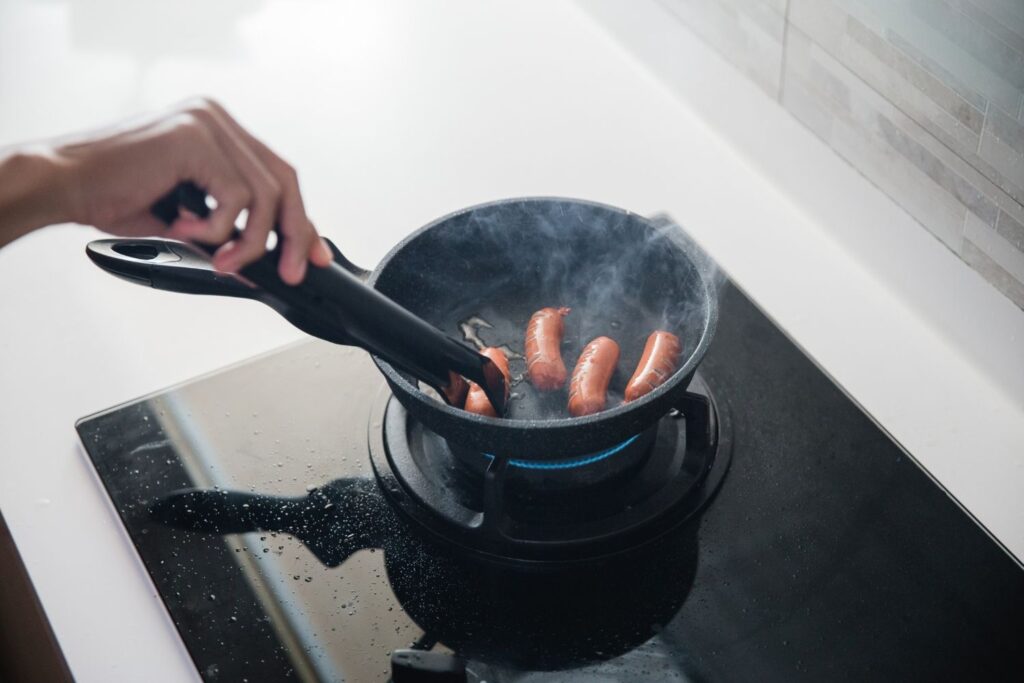
Mazola cooking sprays evolved as attention turned to oil composition and oxidation. Corn oil blends were adjusted to reduce breakdown at high temperatures, which can create aldehydes and other reactive byproducts.
These changes aimed to improve stability during cooking and reduce exposure to degraded compounds. Emulsifiers were also modified to improve spray consistency. The result was a product that looked unchanged but behaved differently at the molecular level, reflecting how chemical stability concerns drive reformulation without formal recalls.
5. Butter flavored sprays introduced flammable propellant risks.

Butter flavored sprays often rely on pentane, a volatile hydrocarbon used to create a fine mist. Pentane evaporates rapidly, but it is highly flammable. In hot kitchens, vapor accumulation can ignite if misused.
Store brands including WinCo drew attention because pentane warnings referenced fire hazards rather than food safety. The concern centered on combustion risk, not ingestion. Labels, propellant ratios, and spray mechanisms were adjusted to reduce danger, highlighting how chemical properties influence product survival.
6. Store brands faced scrutiny over mixed solvent exposure.

Some lower cost sprays used complex blends of hydrocarbons and stabilizers. While approved individually, combinations raised concerns about cumulative inhalation exposure in enclosed kitchens.
When complaints surfaced about fumes or irritation, retailers reevaluated formulations. Products were replaced or removed rather than defended. The issue was not poisoning but repeated exposure to volatile organic compounds, showing how respiratory science influences decisions beyond ingestion safety.
7. Organic sprays struggled with oxidation and microbial growth.
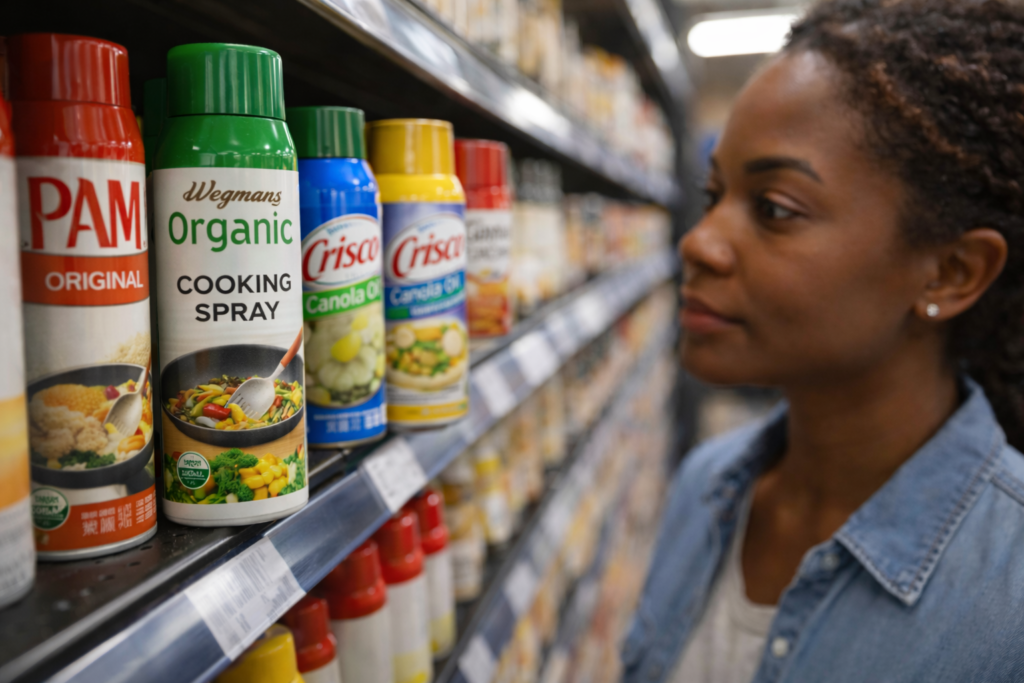
Organic cooking sprays removed synthetic stabilizers, relying on minimally processed oils. Without antioxidants, these oils oxidized faster, forming peroxides and rancid compounds.
Some products also faced microbial stability issues after repeated heating. Retailers removed underperforming sprays rather than risk spoilage. Reformulations introduced safer natural stabilizers or ended production, illustrating how chemistry challenges persist even in products marketed as cleaner alternatives.
8. Propellant chemistry shifted under fire safety standards.
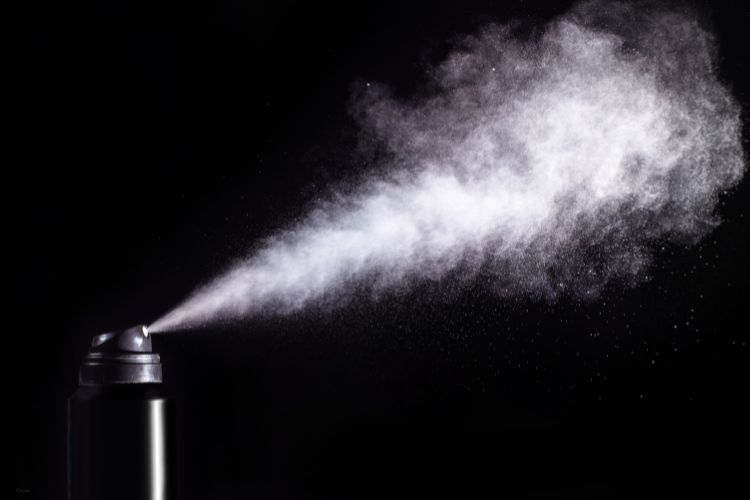
Propellants such as isobutane, propane, and dimethyl ether became common replacements for banned chemicals. Each carries different flammability and pressure characteristics.
Fire safety standards forced manufacturers to recalibrate gas mixtures and valve designs. Some sprays could not meet updated thresholds economically and were discontinued. These decisions reflected engineering limits rather than consumer preference, reshaping shelves through chemical compliance.
9. Consumer concern now accelerates chemical reevaluation.

Today, shoppers question ingredient lists and propellant names more closely. Terms like hydrocarbons, emulsifiers, and stabilizers trigger concern even when approved.
Brands respond faster to perception driven risk. Sprays that generate discomfort or distrust often disappear. Safety now includes chemistry, exposure science, and public confidence, ensuring the cooking spray aisle remains shaped by evolving scientific understanding rather than static formulas.