
Nature has its own specialized snake adversaries.
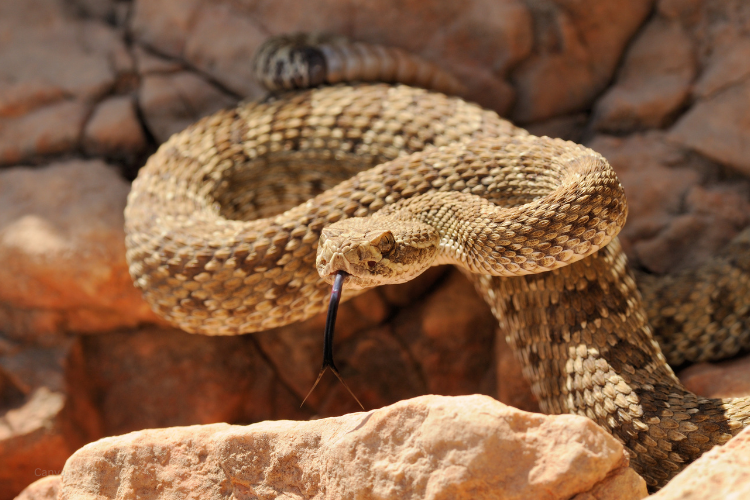
Rattlesnakes sit high on the danger ladder, armed with venom, warning signals, and speed. Yet in deserts, forests, and grasslands, they are not alone at the top. Other wild animals cross their paths regularly, sometimes hunting them deliberately, sometimes killing them in violent chance encounters. These meetings test the limits of venom, reflex, and fear. What follows are twelve wild hunters that do not flinch when a rattlesnake rattles. Each interaction reveals a crack in the illusion of untouchability, and reminds us that even iconic predators live within a larger, unforgiving food web.
1. The roadrunner treats rattlesnakes as manageable prey.

A rattlesnake’s warning means little to a bird already in motion. Roadrunners rush in fast, darting just outside strike range, pecking repeatedly at the head. The snake coils, strikes, and misses, burning energy with every attempt while the bird stays light and evasive.
What makes this possible is speed paired with precision. Roadrunners are known to kill young and even adult rattlesnakes by targeting the skull and spine, according to the National Audubon Society. The fight rarely looks clean. It is chaotic, fast, and ends before venom ever matters.
2. Kingsnakes overpower rattlesnakes through sheer resistance.

When a kingsnake meets a rattlesnake, the advantage shifts in an unexpected direction. The rattlesnake strikes, venom enters, and the kingsnake keeps coming. There is no retreat, only tightening coils and relentless pressure.
Kingsnakes possess a natural resistance to rattlesnake venom, a trait reported by National Geographic. Once wrapped, they constrict until breathing stops. Venom becomes irrelevant. The rattlesnake’s most famous defense fails against a predator built specifically to ignore it.
3. Badgers force confrontations rattlesnakes cannot escape.

Badgers do not stalk carefully. They dig, charge, and commit. When a rattlesnake is cornered, the badger’s thick skin and loose fur reduce the effectiveness of bites, allowing it to absorb damage long enough to finish the fight.
Field observations show badgers killing rattlesnakes by biting behind the head and crushing the skull, as stated by the California Department of Fish and Wildlife. Even when bitten, badgers often survive. Their aggressive persistence leaves little room for rattlesnakes to rely on distance or deterrence.
4. Hawks exploit open ground and aerial advantage.

From above, a rattlesnake loses its greatest strength. Hawks circle patiently, watching for movement, then drop fast. The strike comes from a direction the snake cannot easily defend.
Powerful talons pin the snake behind the head, keeping fangs away from vital areas. Some hawks kill instantly. Others carry rattlesnakes to safer perches to finish the job. The encounter is brief, decisive, and heavily tilted toward the bird once airspace replaces ground combat.
5. Eagles ignore warning signals entirely.
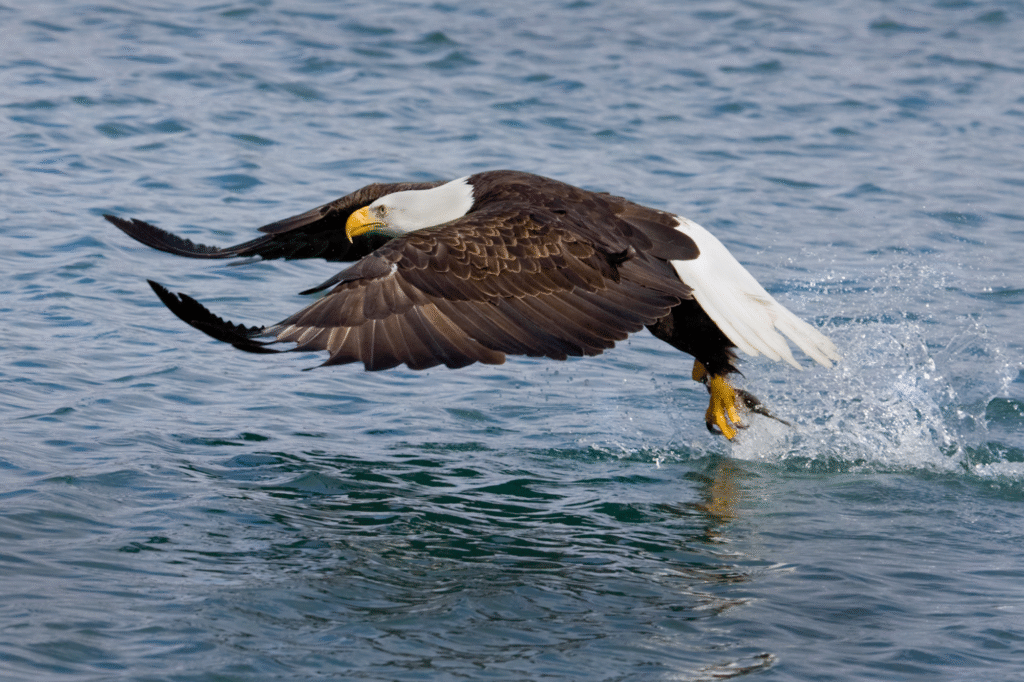
Large eagles treat rattlesnakes as high risk but high reward prey. Their size allows them to absorb danger while delivering overwhelming force. A rattle may trigger attention rather than fear.
Golden eagles in particular have been documented lifting large rattlesnakes and killing them mid air or against rocks. The snake’s defensive posture becomes meaningless when removed from the ground, turning venom into a delayed threat instead of an immediate one.
6. Coyotes kill rattlesnakes opportunistically.

Coyotes are not specialized snake hunters, but they are adaptable. When food is scarce or opportunity is obvious, they will attack rattlesnakes with quick bites and repeated retreats.
They often target the head or grab the snake mid body and shake violently, breaking the spine. Their intelligence allows them to test reactions before committing, reducing the chance of a clean strike landing.
7. Foxes rely on agility and surprise.

Foxes approach rattlesnakes with tension rather than force. Smaller bodies keep them light on their feet, testing distance without committing. A strike comes, the fox slips sideways, dust kicking up where fangs miss. Each exchange raises risk, because one mistake could be fatal, yet the fox keeps pressure on. The rattlesnake coils tighter, striking again, burning energy fast. What looks like play is calculation, stretching the encounter until fatigue replaces precision and reactions begin to slow.
Only when movement dulls does the fox close distance, snapping at the head, ending the fight once danger finally drops, without lingering hesitation remaining.
8. Feral hogs crush rattlesnakes accidentally and deliberately.

Feral hogs move through rattlesnake habitat like wrecking balls. Rooting snouts tear soil, hooves pound blindly, and brush explodes with noise. A rattlesnake relying on warning finds none of it matters. The hog does not pause or assess. Weight alone shifts the odds, turning precision into irrelevance. Even a successful strike may land in fat or tough hide, buying the hog seconds that become lethal as panic replaces calculated defense.
Sometimes hogs actively bite and kill snakes encountered while feeding, other times a crushing step ends everything before awareness arrives, with no warning given and no chance for escape left.
9. Bobcats use patience instead of speed.

Bobcats do not rush rattlesnakes. They sit low, eyes fixed, bodies barely moving while time stretches. The snake shifts, lifts its head, coils, relaxes. Each adjustment gives information. The wait carries danger because distance stays close, yet patience reduces surprise. Unlike frantic predators, the bobcat lets the rattlesnake reveal intention first, turning stillness into a tool sharper than speed.
When commitment comes, it is sudden. A precise bite lands behind the skull, ending the threat quickly, and the cat withdraws before venom or struggle can escalate into prolonged risk that offers no reward for patience paid earlier during watchful waiting.
10. Owls hunt rattlesnakes under darkness.
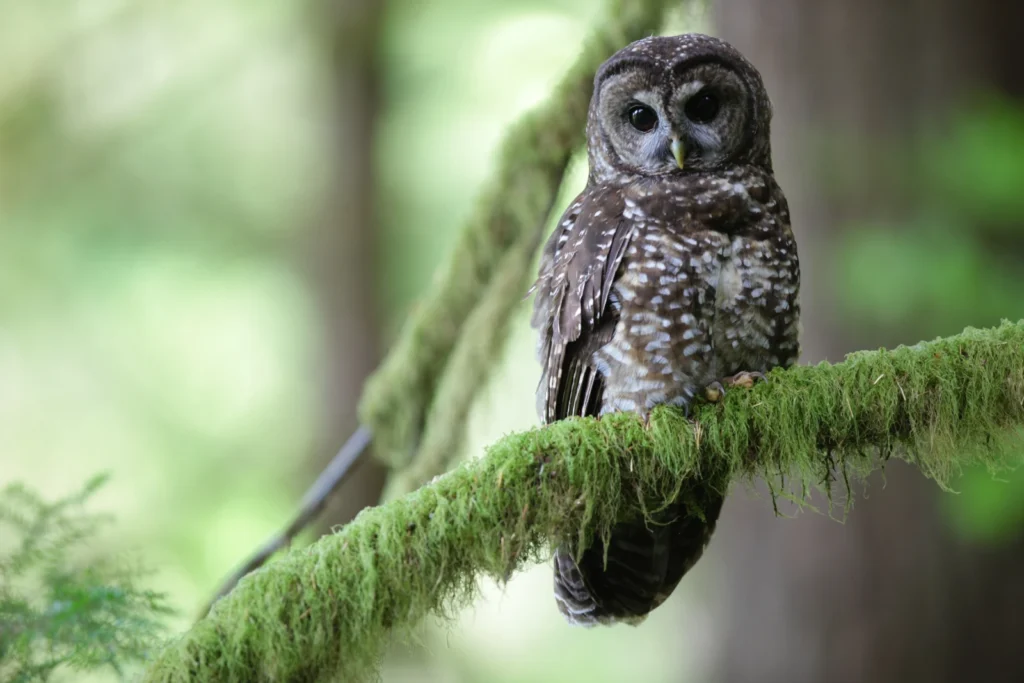
Darkness reshapes the balance between owl and rattlesnake. Vision fades for the snake, while sound and motion sharpen for the hunter above. Silent wings erase warning. The rattlesnake never hears approach, never rattles, never coils. By the time talons strike, the encounter is already decided, revealing how vulnerability shifts when night removes one sense and amplifies another.
Owls often carry snakes away to finish the kill, avoiding ground danger and proving timing, not venom, defines the outcome in these encounters where surprise replaces confrontation and defense never truly begins before life ends swiftly beneath grasping talons above silent desert floors.
11. Weasels overwhelm through relentless attacks.

Weasels look mismatched against rattlesnakes, yet motion tilts the fight. They dart forward, retreat, circle, then strike again, never staying predictable. Each movement forces the rattlesnake to track constantly, increasing error. The risk stays high because one clean hit could end it, but pressure never stops, turning the encounter into a draining test of endurance.
Flexible bodies slip past strikes, quick bites land, and exhaustion sets in. Eventually the snake slows, coordination falters, and the smaller predator claims victory through persistence alone rather than power until resistance collapses under nonstop movement that never grants recovery or rest between attacks delivered.