
Powerful simulations are testing how long balance lasts.

NASA researchers recently ran Earth system simulations that did not point to a sudden end. Instead, the models showed a slow narrowing of stability where complex life struggles first. Oxygen declines quietly, ecosystems fragment, and food webs thin long before the planet becomes barren, creating a future that looks alive but no longer supports familiar life.
The supercomputer revealed limits driven by feedbacks that do not reset. Oceans buffer change until they cannot, then instability accelerates unevenly. The finding reframes risk away from extinction dates toward thresholds, where resilience fails quietly and complexity fades, as microbial life persists over time.
1. NASA ran new simulations on a named supercomputer.
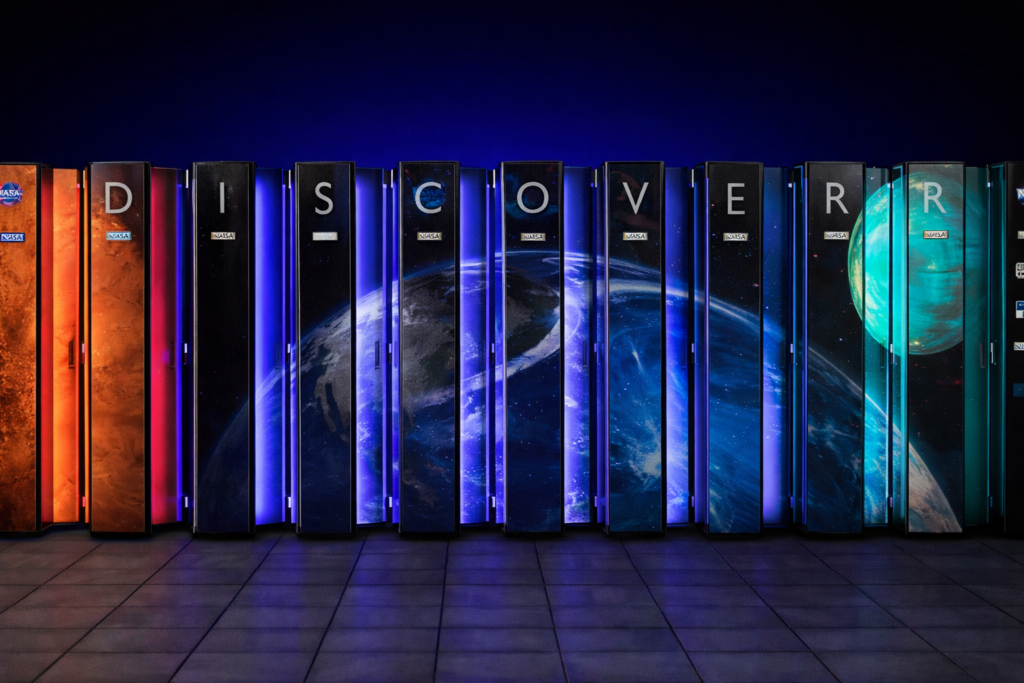
The work was not theoretical or symbolic. NASA scientists ran the simulations on Discover, a high performance supercomputer designed for Earth system science. The machine integrates atmosphere, oceans, land, ice, and radiation over deep time. That scale changes what questions can be asked.
Discover is housed at the NASA Center for Climate Simulation at Goddard Space Flight Center in Maryland, according to NASA. The system allows researchers to explore interactions that unfold over thousands to millions of years. This was not about forecasting weather. It was about testing planetary limits.
2. The models treated Earth as one connected system.

Earlier studies often isolated single variables like temperature or carbon dioxide. These simulations linked them. Changes in oceans affected atmosphere. Vegetation altered chemistry. Ice influenced circulation. Nothing acted alone.
The integrated approach allowed feedback loops to emerge naturally, as reported by Scientific American. Small shifts compounded slowly. That framing recasts habitability as conditional rather than fixed. Life persists not because conditions stay ideal, but because interacting systems remain within narrow tolerances that can erode over time.
3. Scientists tracked thresholds instead of collapse scenarios.
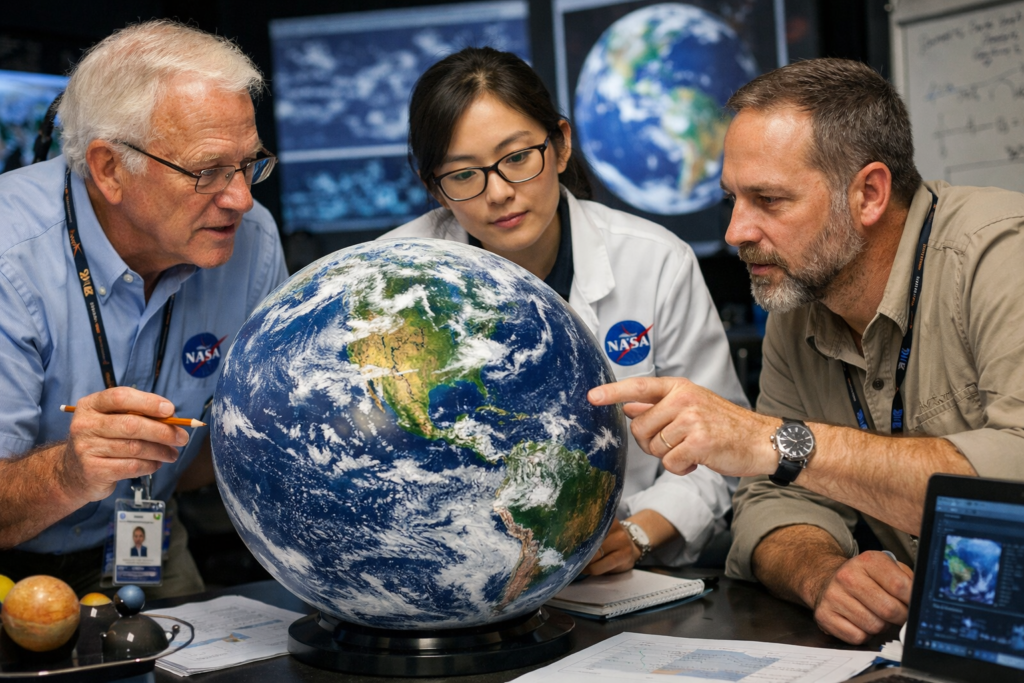
The simulations were not designed to predict extinction events. Instead, researchers tracked thresholds where systems lose resilience. Crossing them does not destroy Earth. It narrows what kinds of life can persist.
NASA scientists focused on atmospheric composition, ocean chemistry, and energy balance, as stated by Nature Climate Change. These thresholds define limits for complex life rather than life itself. Earth remains alive, but increasingly constrained. That distinction reframes risk away from sudden catastrophe toward gradual restriction.
4. Heat alone did not define future habitability.

Temperature mattered, but it was not decisive by itself. The models showed that moisture balance, circulation, and nutrient flow shape outcomes just as strongly. A warmer planet can still support life if supporting systems remain aligned.
When those systems drift out of sync, habitability shrinks unevenly. Regions become hostile while others persist. The simulations emphasize slow retreat rather than sudden failure, complicating assumptions that warming alone dictates survival.
5. Carbon feedbacks stretched changes far beyond initial causes.

Carbon cycling emerged as a slow but powerful amplifier. Even after modeled emissions stabilized, stored carbon continued altering vegetation, soils, and oceans. These delayed reactions extended change long after the original trigger, quietly narrowing recovery options for ecosystems. Time itself became a destabilizing factor rather than a neutral backdrop.
What matters is that feedbacks do not reverse on human schedules. Once thresholds are crossed, systems carry momentum forward. The simulations suggest prevention operates very differently from repair, making early decisions far more influential than later corrections, even when those corrections appear substantial on the surface.
6. Oxygen stability proved less permanent than expected.

Another result challenged assumptions about oxygen. Over deep time, simulations showed gradual atmospheric decline as ecosystems fragmented and photosynthesis weakened. These shifts unfolded slowly, masking consequences until biological complexity retreated quietly. Surface conditions appeared livable long after underlying support systems had thinned.
Oxygen depends on broad, stable plant coverage. When climate and nutrient cycles destabilize, production falters incrementally. Life continues, but complex organisms lose viability first. Habitability changes before extinction occurs, redefining limits as attrition rather than collapse across planetary timescales.
7. Oceans delayed disruption but could not stop it.

Oceans absorbed heat and carbon early in the simulations, delaying surface impacts and softening initial signals. That buffering created a sense of durability. Yet it did not remove stress, it redistributed it, hiding strain within circulation and chemistry rather than eliminating it.
Once saturation was reached, change accelerated. Circulation weakened, climate regulation faltered, and regional extremes intensified. The model portrays oceans as moderators of timing, not shields. They slow transitions, then compress them, reducing adaptation windows once buffering capacity is exceeded.
8. Complex life showed narrower tolerance than microbes.
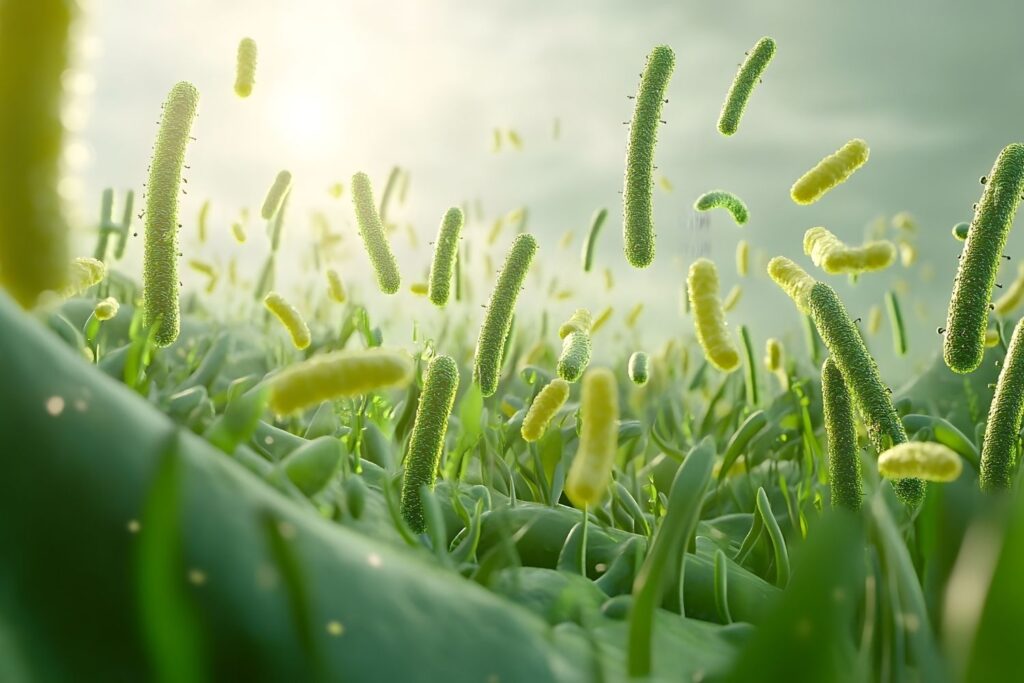
Across scenarios, microbial life persisted far longer than complex organisms. Simpler systems adapted where intricate ones failed. This difference reshaped survivability assumptions. Complex life required tight stability margins that eroded early under combined climate and chemical pressure.
Human systems rely on that fragile complexity. Agriculture, biodiversity, and infrastructure depend on predictable cycles. Those cycles weakened well before life disappeared. The simulations separate biological survival from civilizational viability, showing Earth can remain alive while becoming inhospitable to familiar forms of life.
9. Timescales exceeded normal planning horizons entirely.

The modeled changes unfold over tens of thousands to millions of years. That distance makes them easy to dismiss, even though trends remained consistent across repeated simulations. Direction, not immediacy, defined the findings.
Present actions influence thresholds long before consequences surface. Small shifts accumulate into pathways future generations inherit without choice. The model reframes responsibility as temporal, distributed across centuries, rather than tied to immediate payoff or visible reward.
10. Planetary limits were reframed as narrowing margins.

The simulations do not point to an ending. They describe margins tightening as systems decouple and simplify. Earth transitions gradually, losing resilience step by step rather than failing outright.
The question becomes when conditions no longer support complex life humans depend on. That framing avoids spectacle while preserving urgency. Limits are not deadlines. They are boundaries that once crossed quietly redefine what survival looks like.