
What seems safe today can turn risky fast.
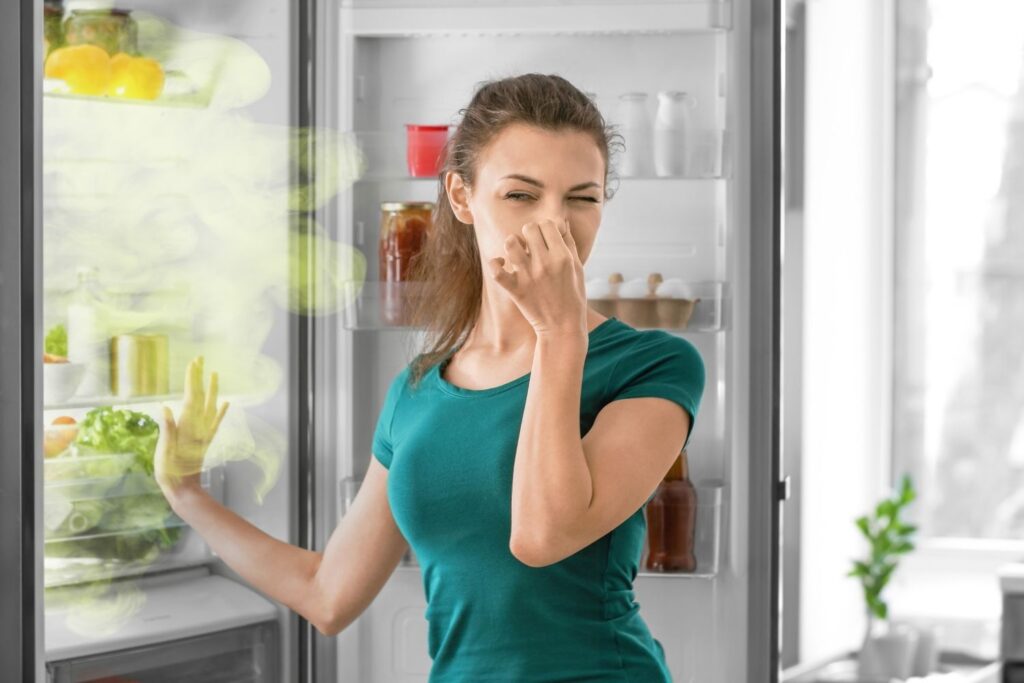
The refrigerator feels like a pause button, but it is not. Cold temperatures slow bacteria, they do not stop it. Some foods cross from harmless to hazardous far faster than people expect, even within a single day. Smell and appearance rarely give reliable warnings. What matters is moisture, protein, and how food was handled before it cooled. Food safety experts track these details closely because mistakes often look ordinary until symptoms appear. The danger is not dramatic spoilage. It is quiet growth, happening while the food still looks normal.
1. Cooked rice can become unsafe surprisingly fast.
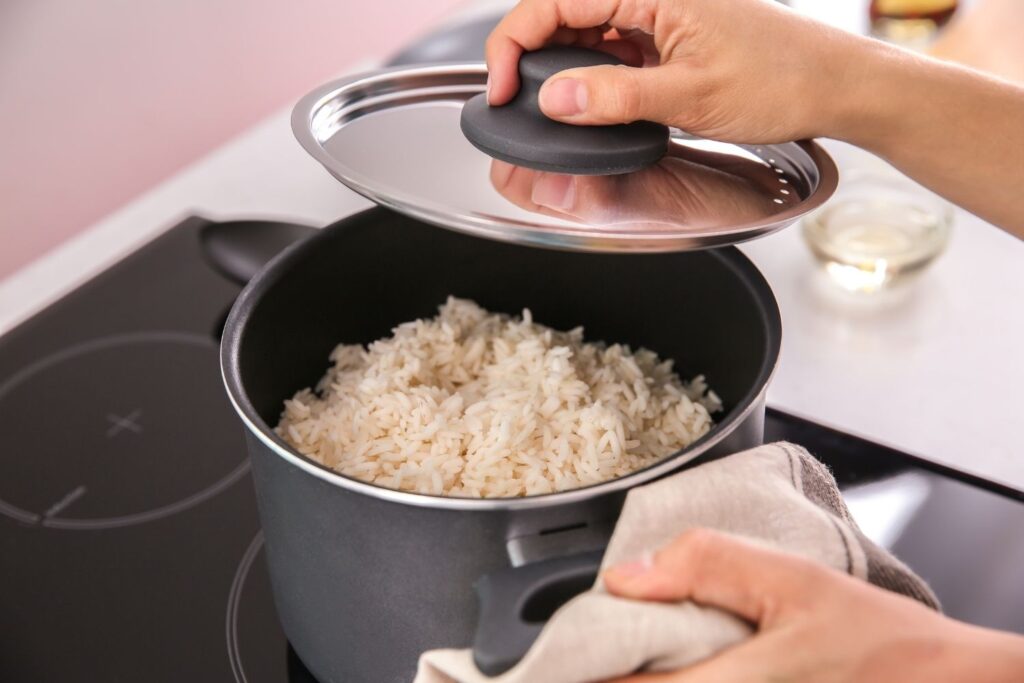
Rice seems harmless once cooled, especially when it smells fine. Yet bacteria that survive cooking can multiply quickly at room temperature and even in the refrigerator. A single day can be enough for toxins to accumulate without visible spoilage.
Bacillus cereus is commonly associated with leftover rice, according to the Centers for Disease Control and Prevention. Its toxins are heat resistant and reheating may not make rice safe again. That is why experts advise discarding rice that sat out too long or was stored improperly, even overnight.
2. Cream based soups pose hidden bacterial risks.

Creamy soups often feel comforting and stable, but dairy creates ideal conditions for bacterial growth. Once reheated and cooled, the risk window opens quickly. Even refrigeration cannot fully offset the danger.
Food safety guidelines warn that cream soups should not sit longer than a day after cooking, as stated by the U.S. Department of Agriculture. The combination of protein, moisture, and slow cooling allows pathogens to multiply quietly. Texture changes may appear later, long after safety has already been compromised.
3. Cooked seafood deteriorates faster than most expect.
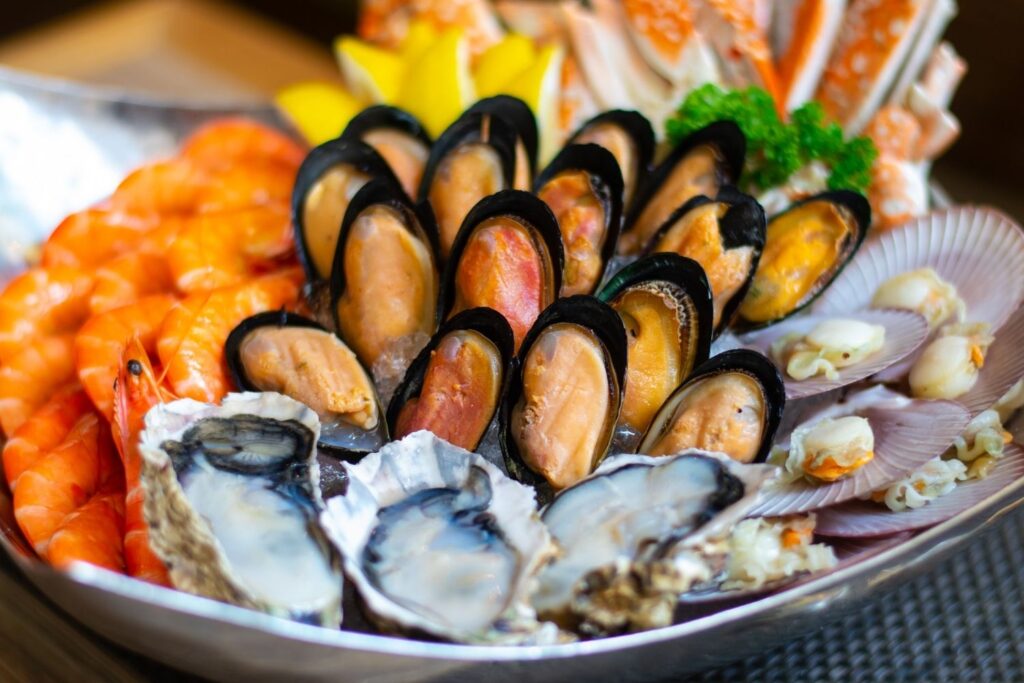
Fish and shellfish are especially sensitive after cooking. Their proteins break down quickly, creating conditions bacteria exploit. One extra day can sharply increase risk even if the food smells acceptable.
Seafood leftovers are among the most common causes of foodborne illness, as reported by the Food and Drug Administration. Experts recommend discarding cooked seafood after one day unless it was rapidly cooled and tightly sealed. Visual inspection alone cannot detect the toxins involved.
4. Deli meats become risky once reheated.

Pre cooked deli meats seem durable, but reheating changes their safety timeline. Warmed meat cools slowly, spending time in temperature ranges bacteria prefer. That window matters.
Once reheated, deli meats should be eaten promptly. Listeria can grow even in cold environments. After a day, risk rises without warning signs. Experts stress that refrigeration slows growth but does not reset the clock once meat has been warmed.
5. Cooked pasta holds moisture bacteria love.
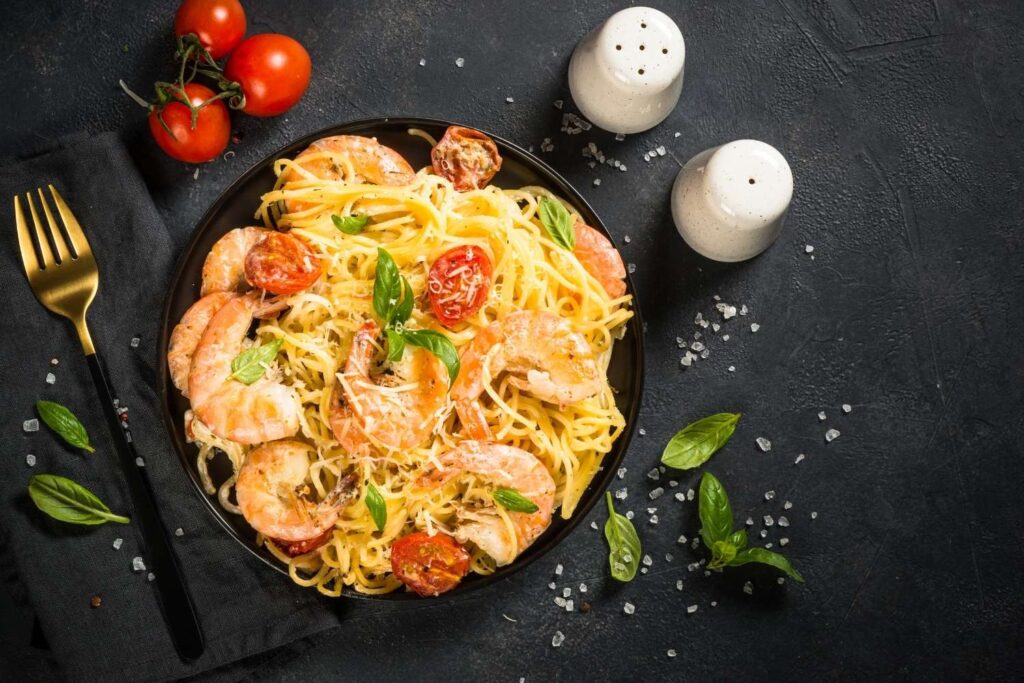
Pasta traps water within its structure, especially when mixed with sauces. That moisture allows bacteria to thrive if cooling is slow or storage is imperfect.
Plain pasta may last longer, but sauced pasta changes the equation. One day can be enough for microbial growth to reach unsafe levels. The risk increases with creamy or protein rich sauces, even when refrigerated properly.
6. Egg based dishes lose safety quickly.

Eggs support bacterial growth efficiently once cooked. Dishes like quiche or scrambled eggs cool unevenly, creating warm pockets where bacteria multiply.
Refrigeration helps but does not eliminate risk. After a day, experts advise discarding egg dishes unless they were rapidly chilled and kept sealed. Illness linked to eggs often begins before spoilage becomes obvious.
7. Cooked chicken demands strict timing.

Chicken is a common source of food poisoning because bacteria thrive on its proteins. Cooking kills pathogens, but handling and cooling reintroduce risk.
After one day, especially if chicken was cut or mixed into dishes, bacterial growth may reach dangerous levels. Even proper refrigeration cannot fully protect against mistakes made during storage or reheating.
8. Gravies and sauces turn risky fast.

Gravies contain meat drippings, flour, and moisture. That combination is ideal for bacterial growth. Cooling often happens slowly, increasing exposure time.
Experts recommend discarding gravies after one day unless handled carefully. Reheating does not reliably destroy toxins. What seems like a small leftover can become one of the riskiest items in the refrigerator.
9. Stuffed foods trap heat and bacteria.
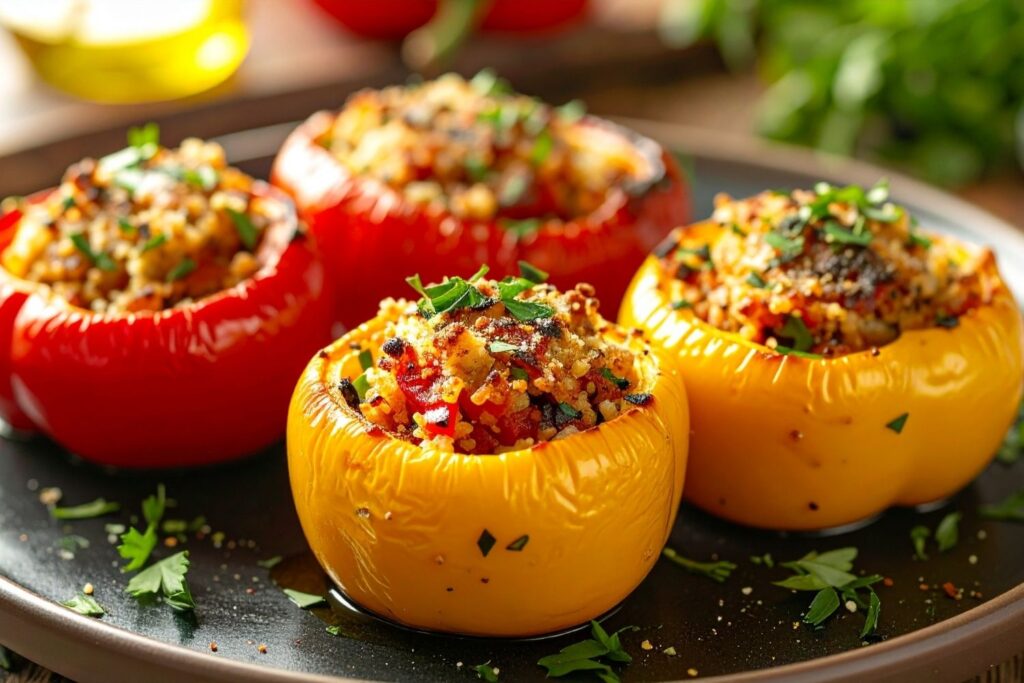
Stuffed peppers, shells, or meats cool unevenly. Inner layers stay warm longer, allowing bacteria to multiply before refrigeration takes effect.
That uneven cooling shortens safe storage time. After a day, risk increases sharply. The outer surface may seem fine while the center harbors dangerous levels of bacteria.
10. Leftover takeout carries unknown handling risks.

Restaurant food passes through multiple temperature stages before reaching home. By the time it becomes leftovers, its safety margin is already thinner.
Experts warn that one additional day can push takeout beyond safe limits. Storage conditions, transport time, and initial handling are unknown variables. When in doubt, discarding is safer than guessing with food that already traveled far.