
It’s catching people off guard at the entrance.
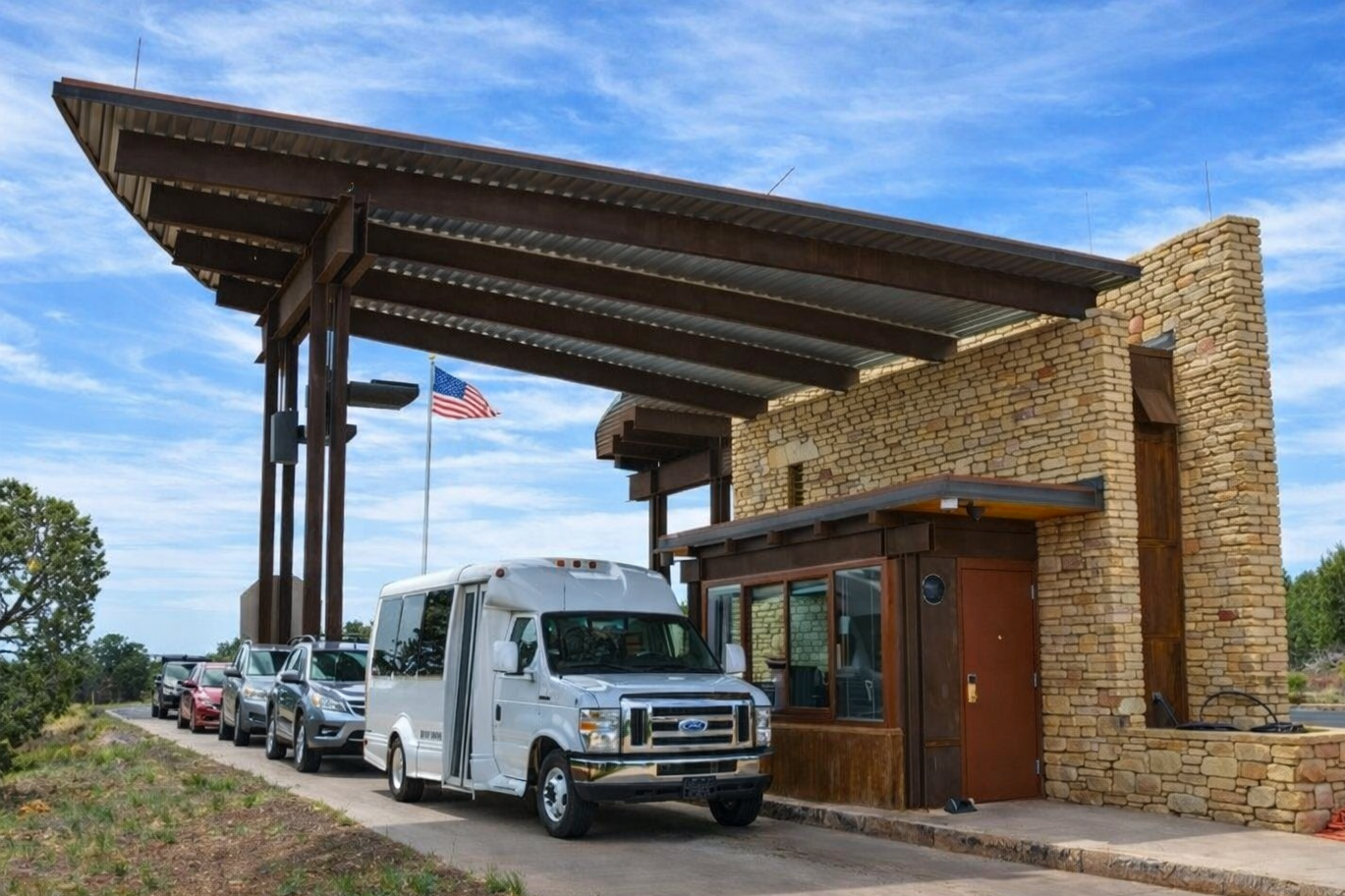
The drive feels finished when the booth comes into view. Gas is spent, snacks are gone, and anticipation is high. But starting January 1, 2026, something new interrupts that moment. A single question replaces the familiar welcome. It sounds simple, yet it lands heavy after hours on the road, and the current immigration climate. Cars hesitate. Conversations pause. Some drivers pull aside. Others quietly turn around. Across several major parks this winter, that brief exchange is changing how visits begin.
1. Rangers now ask a question people did not expect.
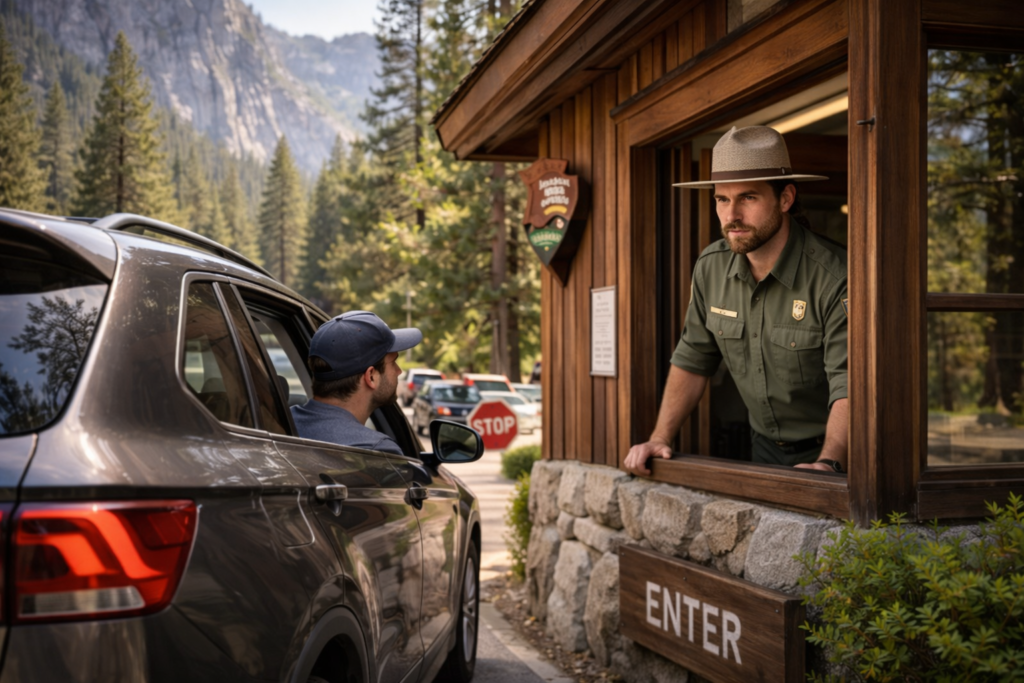
At the entrance booth, visitors are asked a direct question. Are you a U.S. resident? The words arrive quickly, without ceremony, and force an immediate answer after long travel. For many, it feels abrupt and confusing.
The question is part of a new National Park Service rule that took effect January 1, 2026. It determines who pays standard entry and who pays more. While the intent is administrative, being asked out loud at the gate changes the emotional experience of arrival for many travelers.
2. The timing makes the question feel more intense.
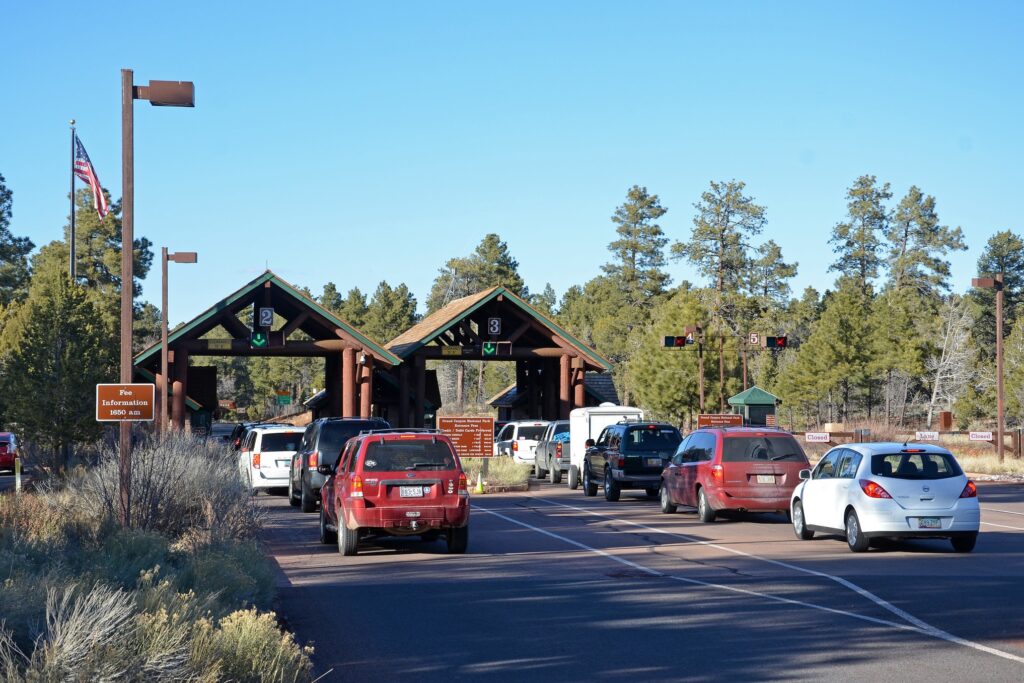
After hours of driving, patience is already thin. People expect the hardest part to be over. When the question appears at the final step, it feels heavier than it should.
Travelers have already committed money and time. Lodging is booked. Schedules are tight. The question forces a decision when flexibility is lowest. Even those who can afford the difference feel unsettled by the timing. The issue is not only cost, but the shock of renegotiating plans at the moment they thought the trip had officially begun.
3. The added surcharge surprises people at the gate.
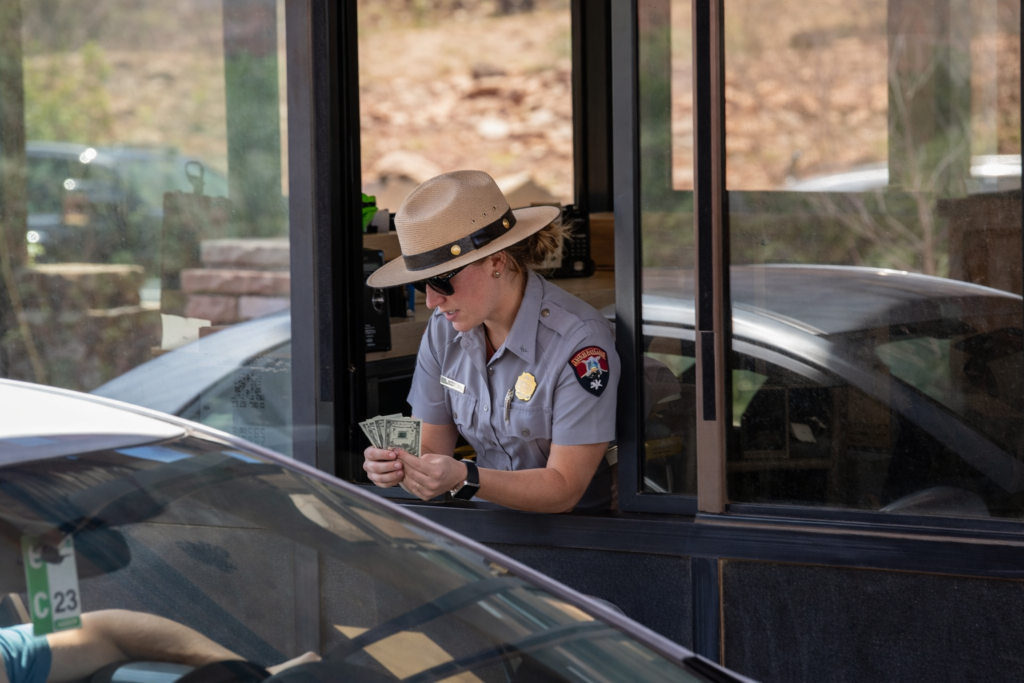
Non-U.S. visitors are now required to pay an extra $100 surcharge at select high traffic parks. The fee is added on top of existing entrance costs. Many visitors do not learn this until they reach the booth.
Discovering a new charge at arrival changes the tone immediately. What should be a routine transaction becomes a moment of calculation. Some visitors hesitate. Others question fairness. The amount feels larger because it arrives without warning, after the journey is already complete and expectations feel locked in.
4. Famous parks are where reactions feel strongest.
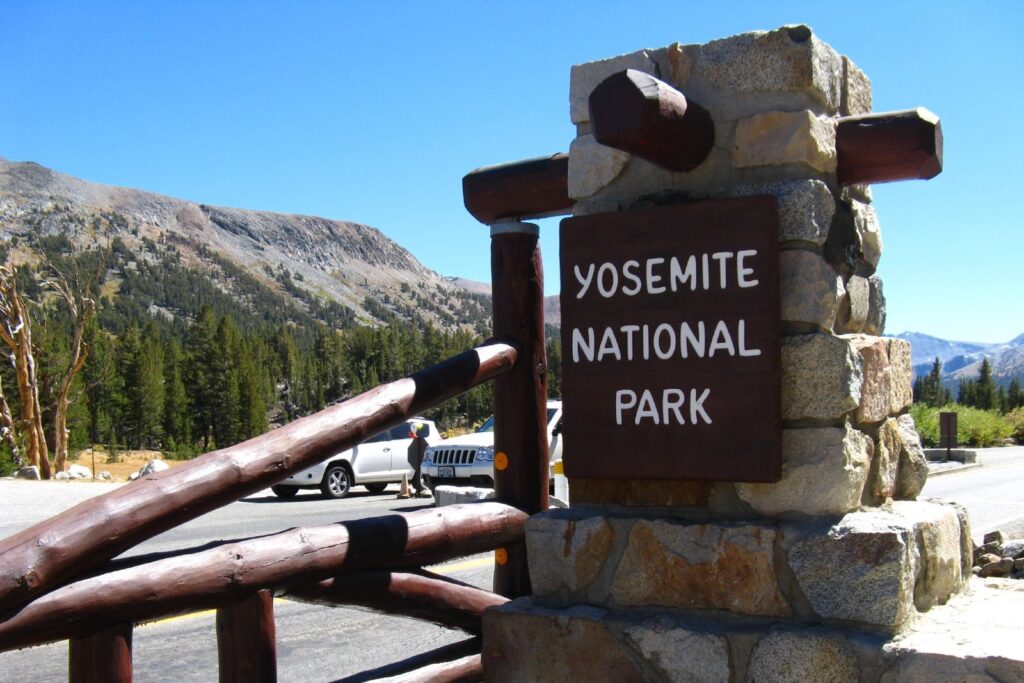
The rule is being enforced at some of the most visited national parks in the country. Places like Yosemite, Yellowstone, and the Grand Canyon see high numbers of international visitors year round.
At iconic locations, expectations run high. Visitors arrive emotionally invested, cameras ready, schedules full. When the question interrupts that momentum, disappointment feels sharper. The contrast between natural grandeur and administrative friction makes the experience feel more jarring, especially for first time visitors who may have planned for years.
5. Some visitors decide leaving feels easier.
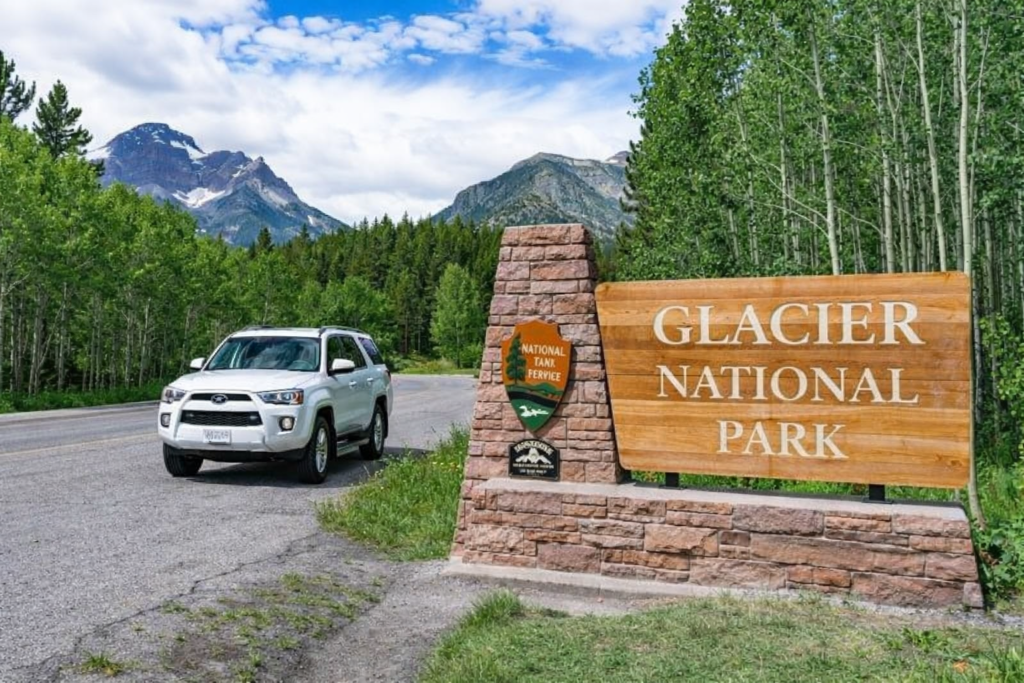
For a portion of travelers, the decision is quick. They did not plan for the cost or the discomfort. Faced with uncertainty, they choose certainty. The car turns around before the visit begins.
This choice is rarely dramatic. It is quiet and practical. People tell themselves they will return another time. Still, the emotional letdown lingers. Children ask questions. Adults feel frustrated. The park remains unchanged, but the experience becomes defined by a moment that never should have felt like a barrier.
6. Mixed groups feel awkward pressure immediately.
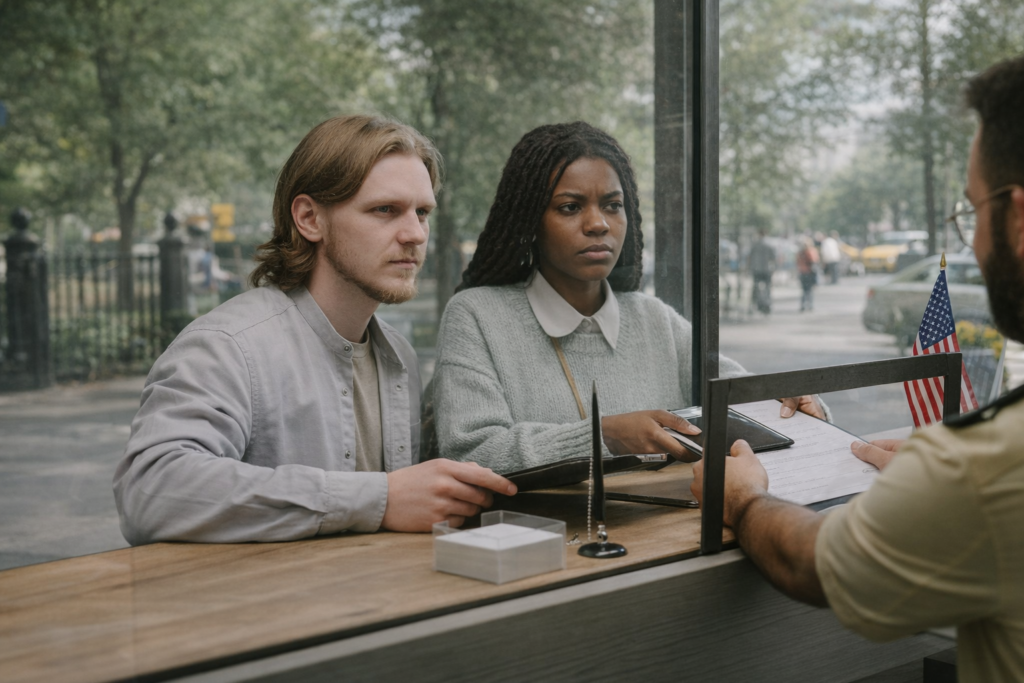
Many cars carry mixed residency groups. One person qualifies for standard fees while another does not. The question forces those distinctions into a public setting.
Phones come out. Passports are checked. Conversations happen quickly while other cars wait. The discomfort comes less from the rule itself and more from resolving personal details under pressure. Visitors feel rushed to explain themselves at a booth meant for welcome, not negotiation, which heightens stress for everyone involved.
7. Winter travel makes tolerance even thinner.

Winter conditions magnify inconvenience. Cold air, limited daylight, and weather windows leave little room for delays. When the question adds time at the gate, those minutes feel costly.
Under these conditions, patience disappears fast. Visitors prioritize warmth, safety, and predictability. Turning around feels practical rather than emotional. The same policy might feel manageable in summer, but winter compresses decision making. Surprise questions carry more weight when comfort and daylight are already in short supply.
8. Social media spreads confusion faster than clarity.

Videos of gate interactions spread quickly online. Drivers record their reactions. Comment sections fill with debate and speculation. The story grows larger than the policy itself.
Once shared widely, the moment becomes symbolic. Even visitors who have not experienced it feel uneasy. Some arrive braced for conflict. Others change plans entirely. Perception hardens before official explanations catch up, shaping behavior far beyond the individual encounters at the gate.
9. The policy could end up hurting the parks.
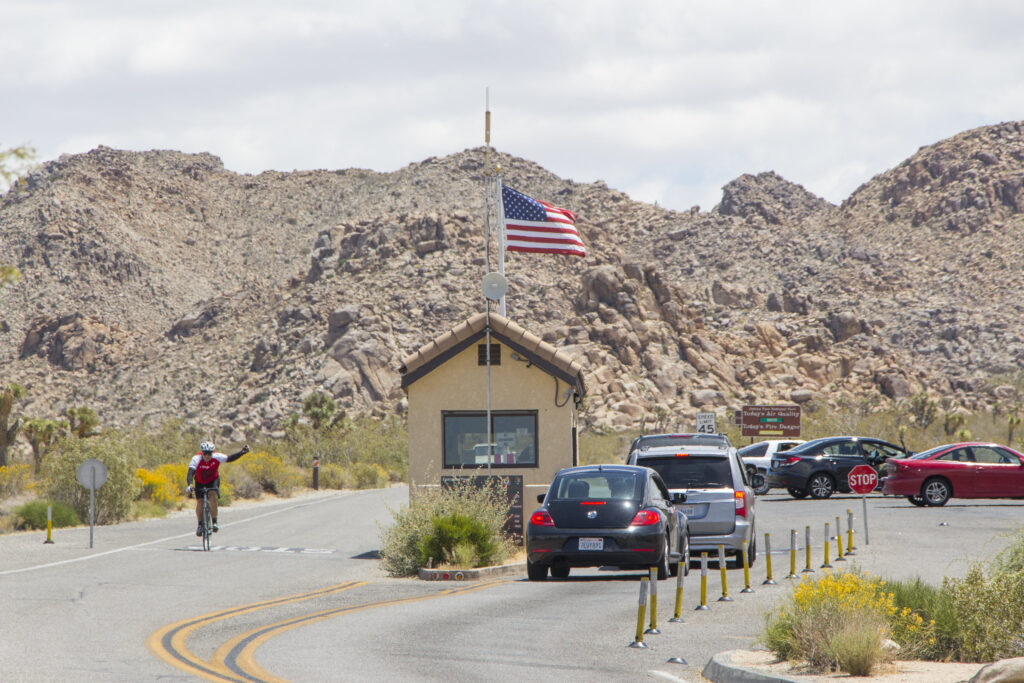
National parks depend on goodwill as much as funding. When visitors turn around, they do not spend money in nearby towns or inside the park. Fewer visitors can mean lower overall revenue.
More importantly, negative experiences erode trust. Parks are meant to feel welcoming and shared. If arrival feels stressful or exclusionary, some travelers may not return. Over time, that shift could affect public support, local economies, and the broader relationship between people and the protected places meant to serve everyone.
10. The decision came from federal leadership.
The new rule was enacted by the Department of the Interior and implemented by the National Park Service as of January 1, 2026. It targets international tourism as a revenue source at select parks.
While the policy goal is financial, its impact is human. The entrance booth becomes the point where abstract decisions meet real people. How visitors respond will depend on awareness and communication. For now, the question marks a clear change in how national parks greet those who come seeking something uncomplicated at the end of a long road.
11. The timing overlaps with broader federal immigration enforcement.
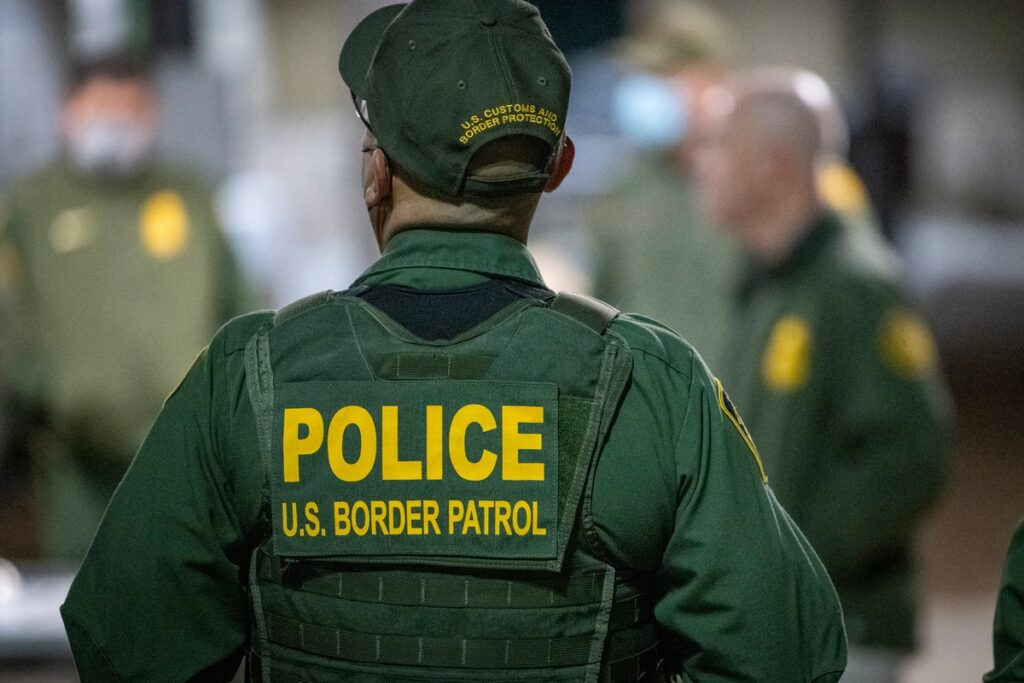
The question does not exist in a vacuum. It arrives during a period of heightened federal attention on immigration, border controls, and visa enforcement. That context shapes how people hear it. Even a routine inquiry can feel charged when national headlines already focus on who belongs and who is being scrutinized.
Although the park policy is about fees, not legal status, the overlap matters. Visitors are primed to interpret government questions through a broader lens. When a uniformed employee asks about residency at a remote gate, some travelers associate it with enforcement rather than payment. The distinction may be clear on paper, but emotionally, the timing blurs that line.