
The game table hides more than entertainment.

Across living rooms, game stores, and college dorms, players gather around maps and dice for hours at a time. Outsiders often see escapism or nostalgia. Researchers have started noticing something else entirely. Extended tabletop play appears to engage the brain in ways that resemble structured cognitive training. The effects are subtle, not dramatic, and easy to miss without long term observation. What happens during these sessions may influence memory, emotion, and decision making long after the game ends.
1. The brain stays active longer than expected.

A typical session can last four to six hours without breaks. Attention must remain focused despite shifting scenes, rules, and social dynamics. Mental fatigue builds, yet players persist.
Sustained engagement like this mirrors cognitive endurance exercises. Neuroscience research suggests prolonged focused activity strengthens attention regulation. Rather than passive stimulation, the brain is continuously adjusting, tracking information, and resisting distraction for extended periods.
2. Decision making happens under layered uncertainty.
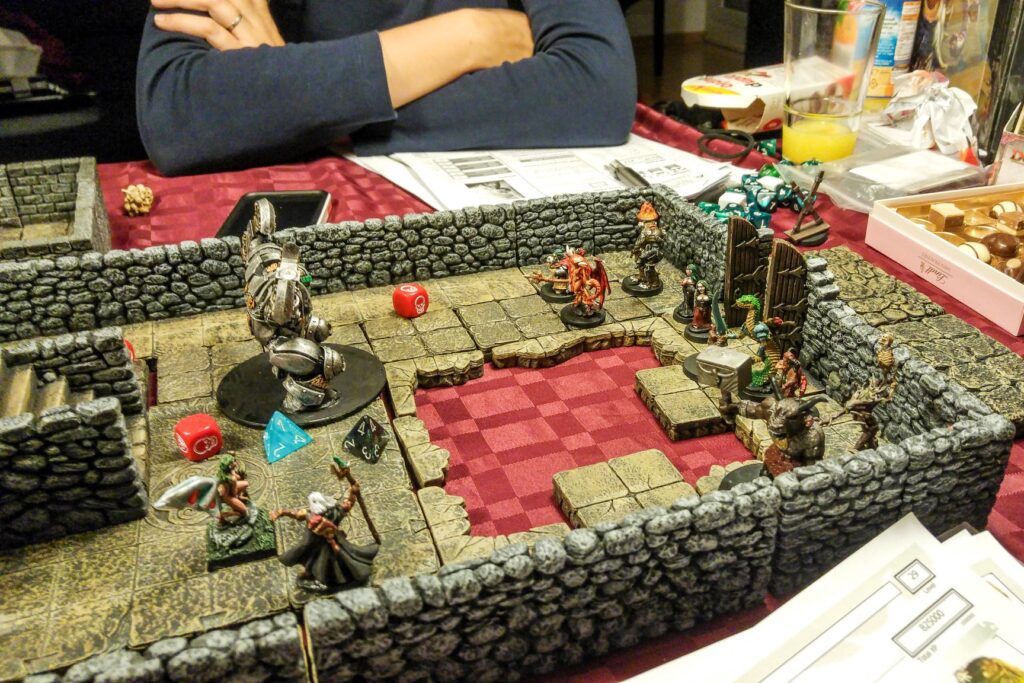
Players constantly choose actions without knowing outcomes. Dice rolls, hidden information, and other players choices create unpredictable results. Every decision carries consequence.
This environment closely resembles real world problem solving. Cognitive studies show that practicing decisions under uncertainty improves flexible thinking. Players learn to weigh risks, adapt quickly, and recover from unexpected outcomes without freezing.
3. Memory is taxed in complex, natural ways.
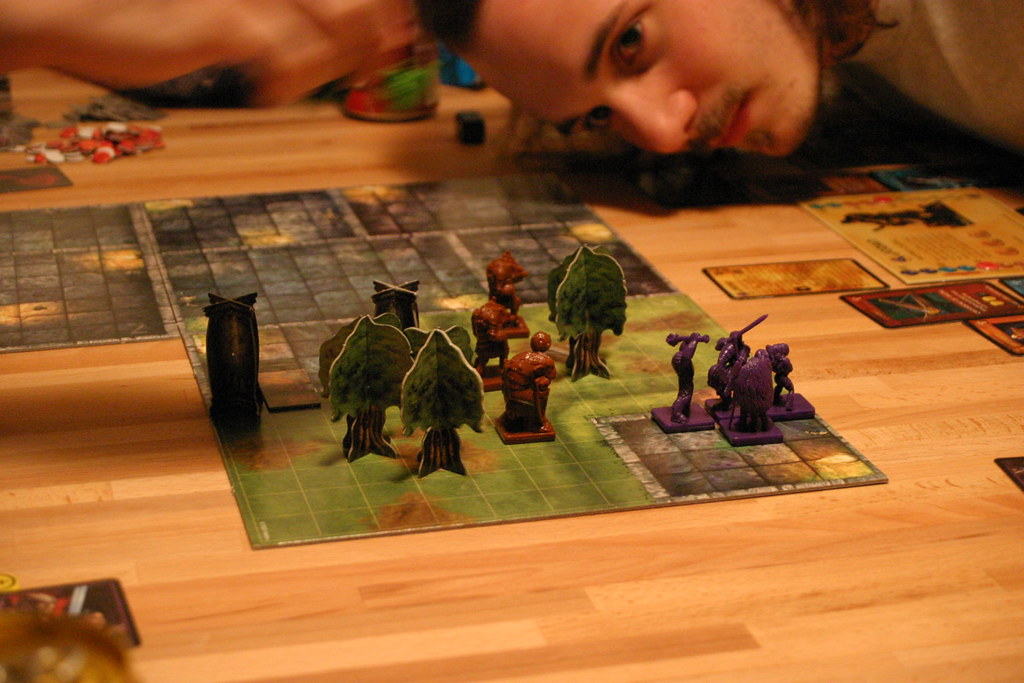
Rules, character abilities, story details, and past events must be remembered across weeks or months. Forgetting details can alter outcomes significantly.
Unlike rote memorization, this memory use is contextual. Research suggests contextual memory strengthens recall pathways. Remembering information tied to narrative and emotion improves long term retention compared to isolated facts.
4. Social cognition remains constantly engaged.

Players track not only their own goals but also motivations of others at the table. Subtle cues influence cooperation and conflict.
This ongoing social interpretation activates theory of mind processes. Psychology research links such activity to improved empathy and perspective taking. The brain practices reading intentions in a low risk environment.
5. Language skills are exercised under pressure.

Storytelling, negotiation, and improvisation happen in real time. Players must articulate ideas clearly while reacting quickly.
This resembles applied language training. Linguistic studies show spontaneous speech strengthens verbal fluency. The need to communicate efficiently under constraints keeps language centers active.
6. Emotional regulation becomes part of gameplay.

Characters fail, plans collapse, and loss occurs publicly. Players experience frustration while staying engaged.
Managing emotion without disengaging mirrors emotional regulation practice. Research indicates controlled exposure to stress in safe settings builds resilience. Players learn to tolerate disappointment and continue functioning.
7. Creativity is constrained rather than unlimited.
Imagination operates within rules, limits, and shared expectations. Solutions must fit the world and mechanics.
Studies on creativity show constraint enhances problem solving. The brain becomes more inventive when boundaries exist. Players practice generating novel ideas without abandoning structure.
8. Long term planning competes with immediate rewards.

Short term gains often conflict with future goals. Players must choose between safety now and advantage later.
This tension activates executive function. Neuroscience links delayed gratification practice with stronger prefrontal control. Games repeatedly exercise this balance in varied scenarios.
9. Failure becomes informative rather than final.

Mistakes rarely end the game outright. Consequences appear, but play continues. Learning happens through iteration.
Educational psychology emphasizes failure as a learning driver. Safe failure environments promote adaptive thinking. Players refine strategies without the fear that often blocks learning.
10. Identity exploration happens without real world risk.

Players inhabit roles unlike their daily selves. Moral choices and leadership styles shift across characters.
Psychological research suggests role exploration supports self understanding. Trying perspectives safely allows cognitive flexibility. The brain experiments without lasting consequence.
11. Engagement combines many cognitive systems simultaneously.

Few activities blend memory, emotion, language, planning, and social awareness so continuously. The brain coordinates multiple networks at once.
Multisystem engagement strengthens neural integration. Cognitive science suggests such coordination supports overall brain health. Rather than isolating skills, the game demands constant synthesis across domains.