
Ancient remains appear near La Otra Banda settlement.
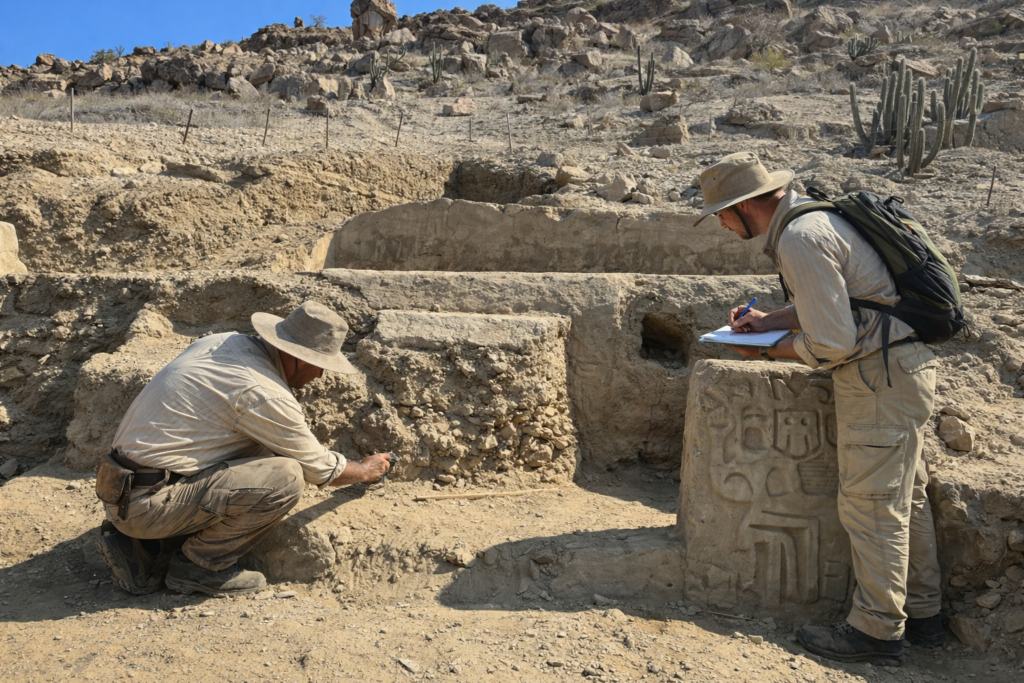
A sweeping archaeological discovery has surfaced in northern coastal Peru that challenges assumptions about early religion and community organization. Deep within the Zaña Valley, in the remote foothills around La Otra Banda and Cerro Las Animas, researchers uncovered structures buried for millennia. Walls, carved panels, and ritual spaces have emerged layer by layer, but what they reveal raises as many questions as answers. The initial findings hint at a sophisticated ceremonial complex built long before well-known Andean cultures shaped the landscape. The implications reach beyond Peru’s borders into prehistoric human behavior.
1. Excavations unearthed walls and ritual spaces near Zaña.
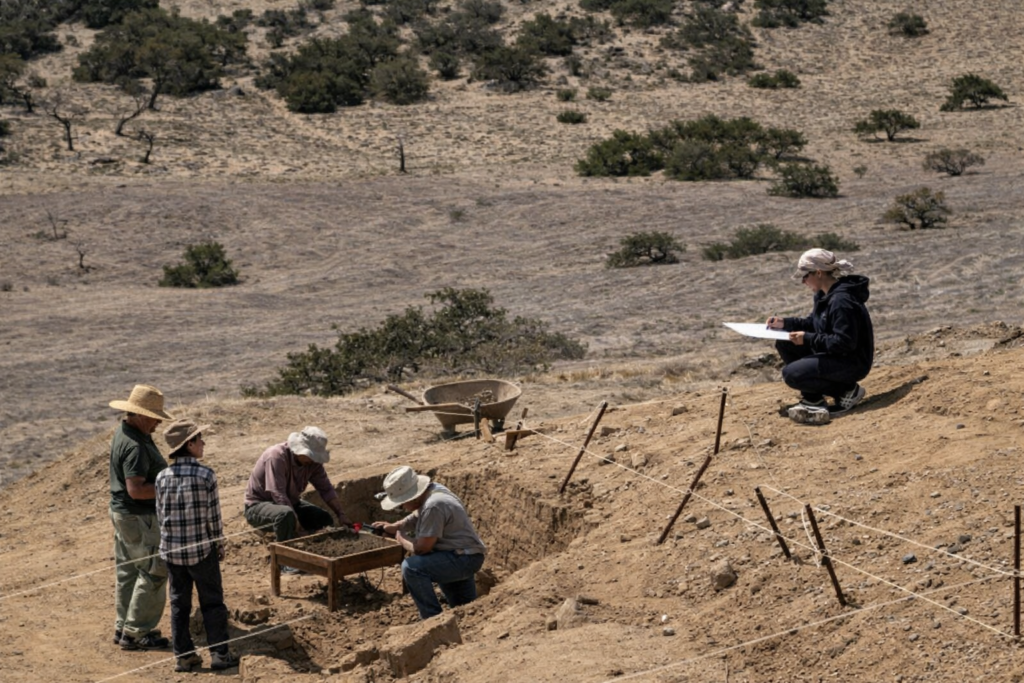
Workers first drew attention to the site after reports of looting prompted official investigation in 2023. Archaeologists, including Field Museum researcher Luis Muro Ynoñán, began careful excavation at La Otra Banda, on the slopes of Cerro Las Animas near the town of Zaña in Peru’s Lambayeque region. As reported by the Field Museum, the team uncovered ancient mud and clay walls just a few feet below the surface, indicating an organized architectural layout that likely served ceremonial functions.
As digging progressed, the structures became clearer. Evidence of a temple built into the hillside combined with a small theater-like platform suggested intentional design. These initial findings set the stage for deeper exploration, revealing that this was not a random settlement but a complex space that may have served spiritual or community roles for its builders nearly four thousand years ago.
2. Carved imagery of a mythic bird figure surprised researchers.

Among the most striking items found were mud panels decorated with carved figures showing bird-like creatures with human and reptilian characteristics. These art panels flanked staircases leading to platform spaces, suggesting focal points for ritual activity or performance within the complex. As stated by Luis Muro Ynoñán in comments to National Geographic, the imagery bore resemblance to mythological figures known from later Andean cultures, though the context here was far older and more enigmatic.
This carved stone bird motif could represent early forms of religious or cosmological thought in the Andes, shedding light on how ancient groups visualized supernatural or cultural identity. The artistic design stood out immediately to the team, not only for its craftsmanship but because it linked this site culturally to broader Andean iconography previously known mainly from later periods.
3. The complex predates major known Peruvian civilizations.
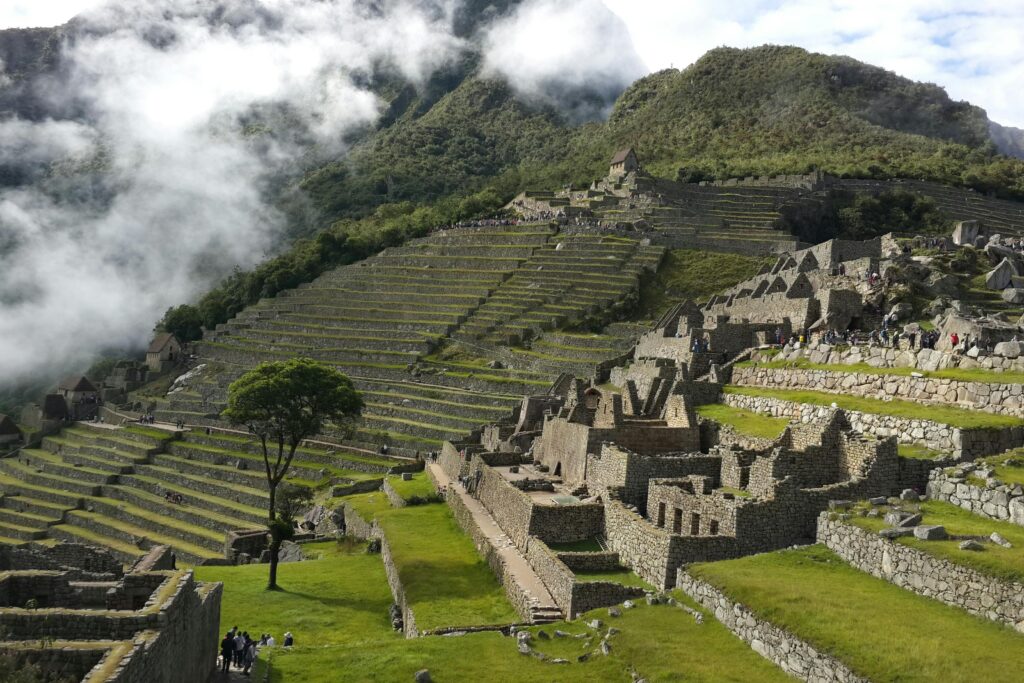
The newly exposed structures are not just ancient, they predate Peru’s famous Inca and Pre-Inca civilizations by millennia. Researchers placed the architecture in what’s known as the Initial Period, roughly 2,000 BCE to 900 BCE. The Initial Period marks the earliest identifiable emergence of organized religion and ceremonial architecture in the Andes. As reported by Reuters, the temple predates the iconic Machu Picchu by about 3,500 years, situating it among the oldest substantial ritual complexes known in the region.
This timeline challenges assumptions about the pace and scale of cultural development in ancient Peru. Finding a formal temple and performance space so early suggests complex social structures and belief systems existed long before later empires rose. It pushes archaeologists to reconsider how and when sophisticated communal spaces emerged across the Americas.
4. The site includes a theater space used for ceremonial gatherings.

Beyond walls and carved imagery, the excavation uncovered a distinct theater-like area complete with a platform and seating features. This suggests the temple complex served not just as a static sacred zone but as a venue for events involving groups of people. The architectural design appears intentional, with staircases and backstage-like areas indicating organized movement of participants or performers.
Spaces like this hint at the role of performance, ritual, or structured ceremony in the social life of the community that built the complex. It invites questions about who participated in these events, how roles were assigned, and what narratives or belief systems were enacted in these ceremonies.
5. Murals and pigment samples open new dating opportunities.

Archaeologists also found large murals painted on some of the temple walls. These murals, rich in pigment and design, provide another layer of complexity to the site. The team collected pigment samples for analysis, hoping to determine the origins of materials and trade networks. By studying these pigments, researchers can infer regional interactions and resources used by the temple’s builders.
Radiocarbon dating of pigment material and organic matter at the site should refine the age of the complex. Early tests place construction around four thousand years ago, but precise dates may adjust understandings of its position within the broader timeline of cultural development in ancient Peru’s coastal regions.
6. Skeletal remains add human context to the discovery.
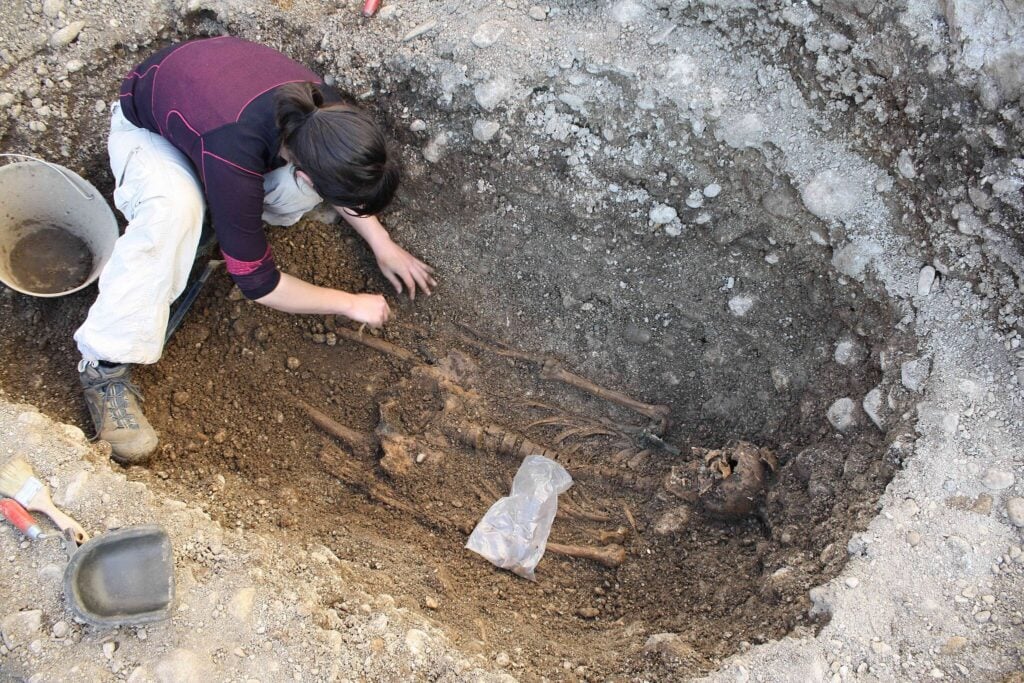
Excavations revealed the skeletal remains of at least three adults within the broader site area. These human traces bring a personal dimension to the architectural evidence, suggesting burial practices or ritual deposition as part of the temple’s use. The presence of human remains in proximity to ceremonial spaces raises questions about how life, death, and spirituality were interwoven in this community’s worldview.
Analysis of skeletal positioning, condition, and associated artifacts may clarify whether these individuals held particular status, were participants in rituals, or were commemorated in death as part of ongoing cultural narratives.
7. The find illuminates early religious development in the Andes.

One of the most compelling aspects of the La Otra Banda complex is its potential to illuminate the early origins of organized religion in the Andes. Prior to this discovery, much of what was known about Andean belief systems came from later cultures such as the Chavín, Moche, and Inca periods. A temple complex this early suggests ceremonial practices began evolving far earlier than previously documented.
Scholars believe that temples served as focal points for community cohesion, shared mythology, and social hierarchy. The carved bird imagery and organized architectural spaces hint at belief systems that structured how ancient peoples understood the cosmos.
8. Nearby sites show ceremonial architecture has ancient roots.
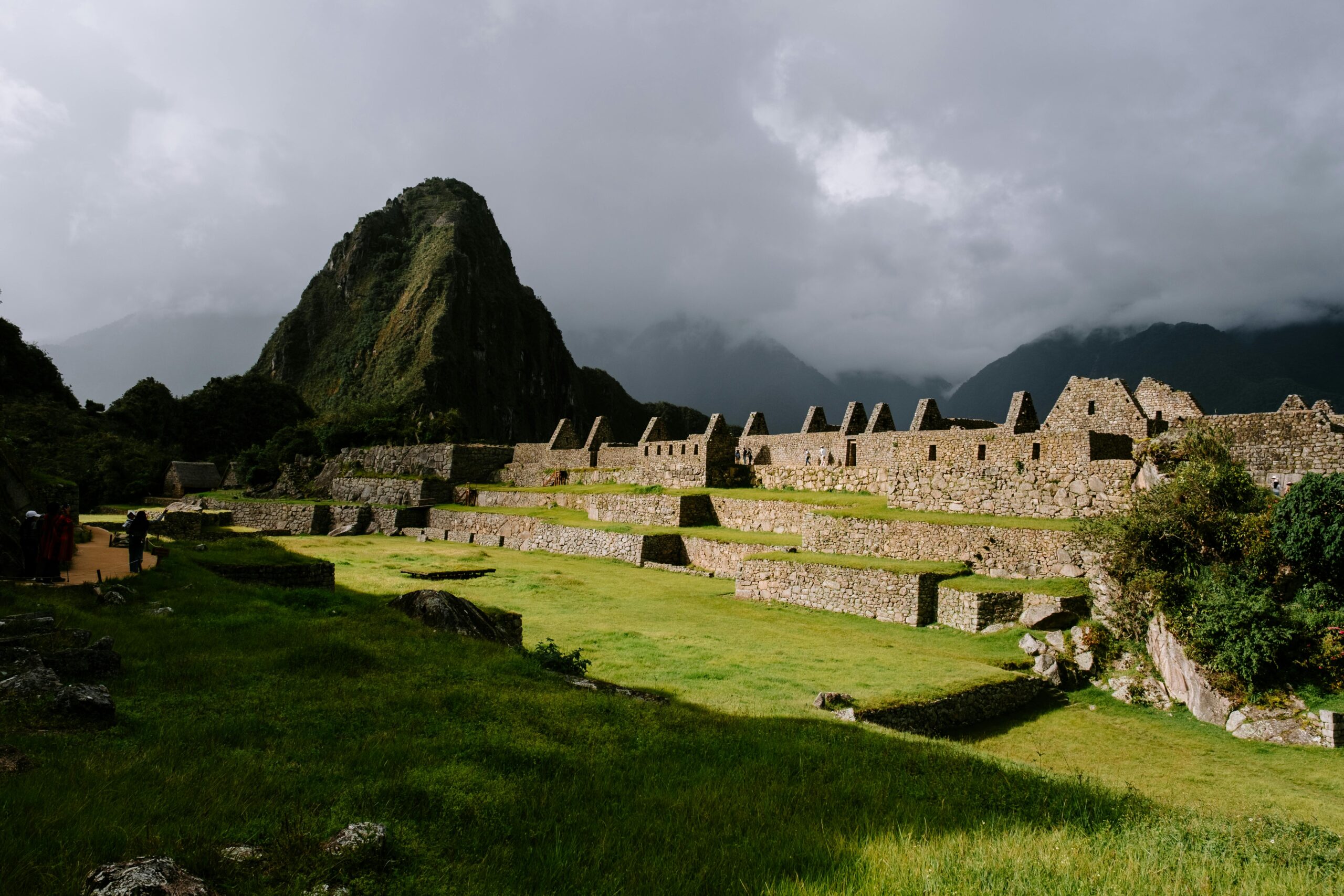
The Zaña Valley and broader Lambayeque region already contain evidence of ancient ceremonial activity, including early irrigation, settlement, and ritual spaces. Other preceramic sites in northern Peru indicate sustained cultural complexity long before later empires dominated the Andes. These precedents provide a broader framework for understanding the newly found temple complex.
By situating La Otra Banda within this landscape of long-term occupation and ritual innovation, archaeologists can explore patterns of continuity and change across millennia of Andean prehistory.
9. The discovery reshapes narratives about prehistoric Peru.

Finding an early temple with theater and carved iconography at La Otra Banda reshapes how researchers view ancient Peruvian societies. This structure suggests religious, performance, and social functions were deeply intertwined in community life long before previously thought. The implications reach beyond the Andes, inviting comparisons with early ceremonial centers worldwide, including contemporaneous sites in Mesopotamia and Egypt.
Linking ceremonial architecture to broad patterns of human social evolution offers new insights into how humans create, organize, and express collective identity through built environments.
10. Future studies promise deeper understanding of ancient cultures.
Work at La Otra Banda is only beginning. Upcoming studies on pigments, mural designs, skeletal remains, and radiocarbon dates will add layers of specificity to initial impressions. Laboratory analysis back in research institutions will refine timelines, cultural affiliations, and material interactions.
These ongoing efforts will bring ever greater clarity to a complex story about ancient life, belief, and human creativity on the northern coast of Peru.