
Authorities investigate mysterious beachside death scene.
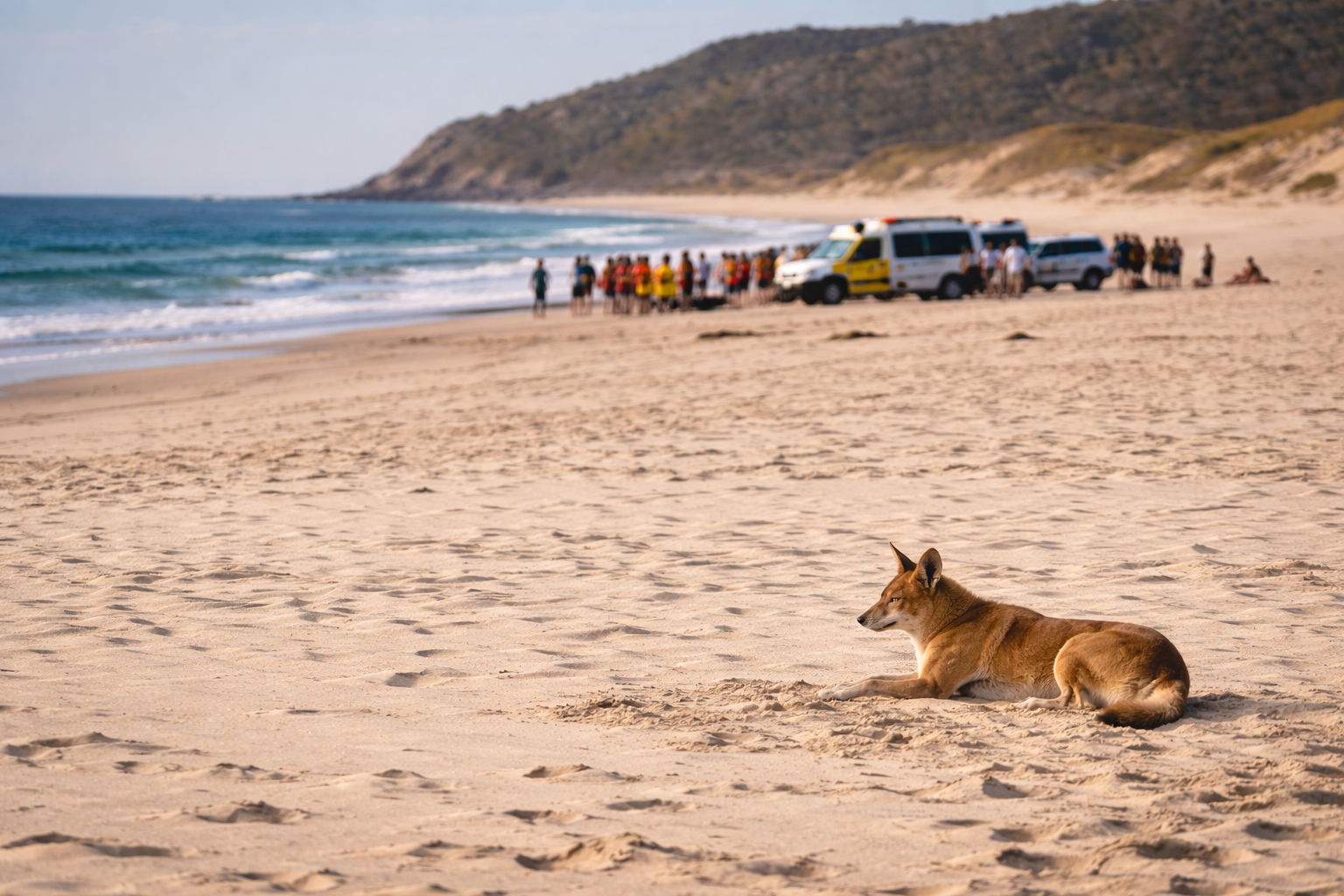
On Monday morning on K’gari Island in Queensland, Australia, the body of a 19-year-old Canadian woman was discovered on a beach surrounded by a pack of dingoes. Authorities arrived after two men driving along the shore spotted what appeared to be an unresponsive person encircled by wild dogs. Police and wildlife officials are conducting investigations into how she died, with questions about drowning, animal attack, and other possibilities all under consideration. The situation has drawn intense attention both locally and internationally.
1. The victim was discovered on K’gari’s eastern shoreline.

Early on Monday morning, police responded to reports of a body found on K’gari Island, formerly known as Fraser Island, off Queensland’s coast. The island is famous for its beaches, shipwrecks, and resident dingoes that roam freely across sand and woodland areas. as reported by the Associated Press, two men spotted about ten dingoes surrounding the woman near Seventy Five Mile Beach. Emergency services arrived to find her unresponsive, and authorities began a forensic assessment amid what Queensland police described as a “traumatic and horrific scene” witnessed minutes after her discovery.
Details about her actions in the hours before the discovery remain unclear. Queensland police have not yet determined if dingoes were responsible for her injuries or if she encountered danger in the water or from other causes. For now, the scene has prompted a full investigation, including wildlife management agencies and coroner’s court involvement, to piece together the timeline leading up to the grim discovery.
2. Identity and life of the woman have emerged quickly.

The woman has been identified as 19-year-old Canadian national Piper James, who had been traveling and working in Queensland before the incident. as reported by People magazine, James had been staying on K’gari, working at a backpacker hostel with a friend for about six weeks when she went to the beach early in the morning. She was last seen heading toward the shoreline near the Maheno shipwreck, a well-known landmark that draws tourists for its history and dramatic coastal views.
Friends, family, and authorities have shared memories and tributes, painting a picture of someone full of life, adventure, and kindness. Her parents described her as brave and spirited, eager to explore the world. James’s tragic death has shaken her community back home and sparked an outpouring of grief in Australia from fellow travelers and locals alike. The investigation continues as officials work to confirm timelines and context.
3. Police have not confirmed cause of death yet.

Queensland police are conducting a thorough investigation, including post-mortem examinations, but have so far not established the exact cause of death. as stated by ABC News, although the woman’s body had markings “consistent with having been touched and interfered with by dingoes,” authorities have cautioned that they cannot confirm whether she drowned or died as a result of an animal attack. The coroner’s court will oversee further testing, which could take several days before a definitive cause is determined.
Officials have also noted previous dingo encounters on the island, including near-fatal attacks, but confirmed that fatal incidents are rare. The presence of dingoes at the discovery site complicates the investigation, requiring careful analysis to separate post-mortem interference from events leading up to her death. Police continue to appeal for witnesses and any possible footage from early Monday.
4. Local wildlife authorities responded to scene concerns.
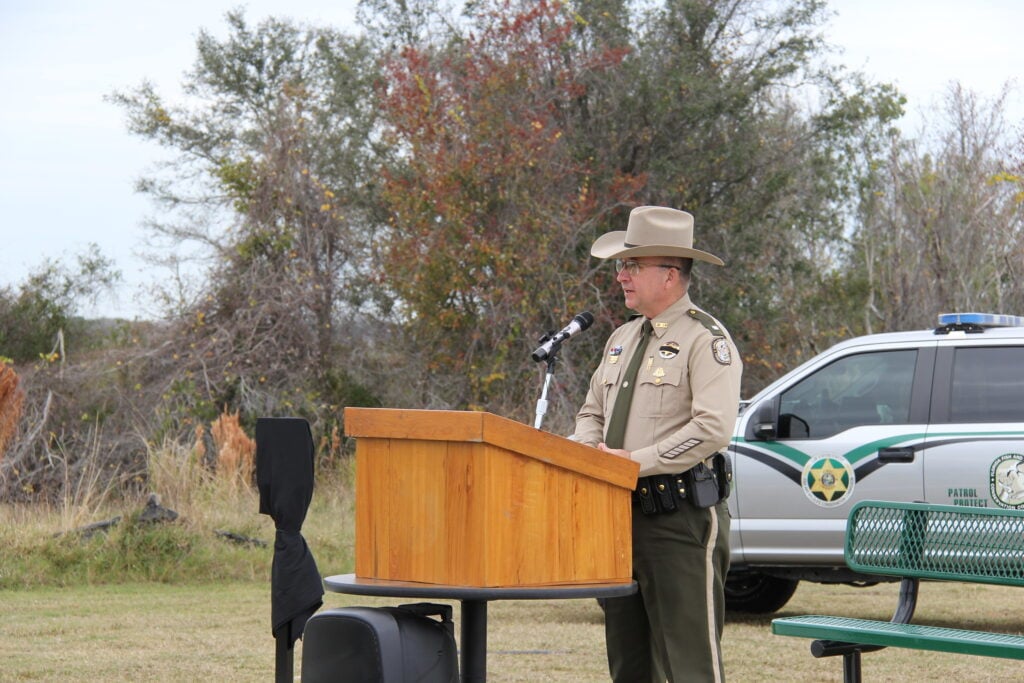
Following the discovery, Queensland Parks and Wildlife rangers have increased their presence on K’gari, aiming to monitor and manage dingo interactions with visitors. Rangers also installed additional warning signage and temporarily closed some campsites near the area where the body was found. These measures reflect longstanding concerns about human–wildlife encounters on the island, which is home to an estimated 100 to 200 dingoes living freely within the World Heritage-listed area.
Authorities have advised visitors to keep safe distances, avoid feeding or approaching dingoes, and maintain awareness of their surroundings. Experts emphasize that while dingoes are iconic to K’gari’s ecosystem, they are still wild animals capable of unpredictable behavior. Wildlife officers are also collaborating with police to understand any patterns of aggression or habituation related to increasing tourist numbers.
5. Dingoes on K’gari have a complex history with humans.

K’gari’s dingoes have long fascinated and unsettled visitors. The island’s native wild dogs are protected, yet their interactions with humans have produced a complicated relationship. Over decades, dingoes have been known to approach campsites, scavenge near populated areas, and occasionally display bold behavior when tourists feed them or leave food unsecured. Rangers have worked for years to balance conservation with public safety.
Incidents involving dingoes increased after pandemic travel resumed, as young animals became less fearful of humans. While fatal attacks are exceptionally rare – the last nationally confirmed dingo-related death occurred decades ago – authorities remain alert. This incident has reignited debates on how best to manage human access to wild spaces while preserving native species and protecting visitors.
6. Eyewitness accounts add detail to the timeline.

Two men who discovered the body reported seeing around ten dingoes gathered near the scene, prompting them to call authorities immediately. Their account helped emergency services narrow down the discovery timeframe, although it leaves unanswered questions about what happened in the preceding hour. Police believe the woman left her accommodation for a swim around 5 a.m. and was found about 75 minutes later by the passersby.
These eyewitness reports also describe the dingoes’ presence as uncommonly large, suggesting a pack rather than a lone animal. Authorities are now interviewing additional witnesses to clarify the events leading up to the discovery, and whether human interaction with wildlife earlier in the day played any role. The men’s testimony has proven critical in building the preliminary sequence.
7. Community reaction has been widespread and emotional.

News of the woman’s death has rippled through local and international communities. Friends from Vancouver Island recalled her adventurous spirit and love of the outdoors, while fellow travelers in Australia expressed shock and sorrow. Queensland Premier David Crisafulli described the loss as “really troubling” and pledged support for the ongoing investigation and for those grieving.
Families and tourists visiting K’gari are reassessing safety precautions as the story spreads across social media and news outlets. Conversations about travel risks, wildlife encounters, and how extreme nature remains even in popular destinations are intensifying. For many who knew her, the tragedy underscores how quickly a dream trip can turn into heartbreak.
8. Officials warn against misinterpretation and misinformation.

In the aftermath, authorities are urging the public to avoid jumping to conclusions about the cause of death. Police and wildlife officials emphasize that the presence of dingoes does not necessarily prove causation, and that forensic evidence must guide determinations. Misinformation and sensational speculation on social platforms can complicate investigations and skew public understanding of rare but serious events.
Experts note that accurate reporting and careful interpretation of evidence are vital, especially given past media storms over wildlife incidents in Australia. The coroner’s process aims to ensure conclusions rest on scientific findings rather than assumption or fear, preserving the integrity of both the investigation and public awareness.
9. Safety protocols on K’gari are under review.

Following the incident, park authorities and local councils are examining existing safety protocols for tourists on K’gari. This includes reviewing signage, ranger patrol routes, and educational outreach about dingoes’ natural behavior and risks. Officials have stressed that personal vigilance – staying in groups, keeping food secured, and respecting wildlife zones – remains key to reducing dangerous encounters.
The tragic discovery has prompted renewed discussion about how best to balance tourism with safety in wilderness areas. Some voices call for stricter controls on beach access at certain times, while others advocate enhanced training for staff at hostels and tour operations.
10. Other historical dingo incidents shape context around the case.

Australia’s history with dingoes includes incidences that tested public assumptions about safety. One historically significant case involved the disappearance of baby Azaria Chamberlain at Uluru, where her parents were initially accused of wrongdoing before evidence later confirmed a dingo was involved. That case left a lasting imprint on how dingo interactions are viewed culturally and legally.
Experts reference such incidents to highlight the rarity yet reality of dangerous encounters. These historical parallels serve as a reminder that while dingoes are an iconic part of Australia’s ecology, humans must remain alert, informed, and respectful of the boundaries that separate wild behavior from human expectation.
11. Investigation and autopsy results may take time.
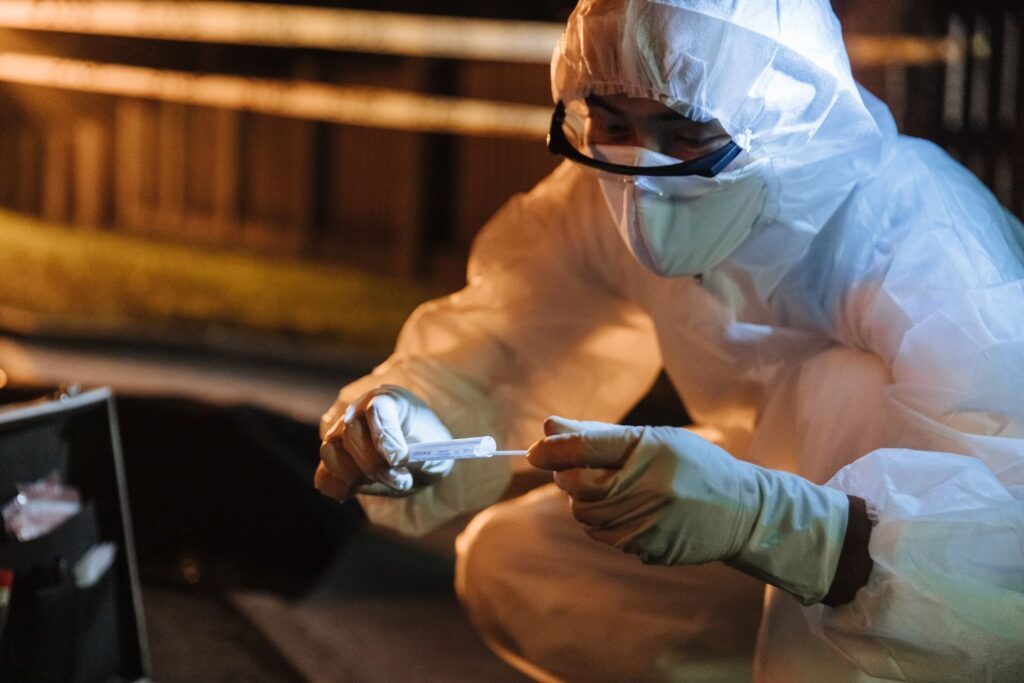
Police have stressed that official findings on cause of death will wait on autopsy and forensic analysis. Queensland authorities note that such processes, including detailed examinations and toxicology, can take days or even weeks before clear results emerge. This period, filled with uncertainty, leaves families and the public awaiting answers that may reshape understanding of the fatal morning.
In the meantime, wider discussions about wildlife risk management, community support, and memorials for the young woman continue to evolve as investigators gather evidence and weigh all plausible explanations.