
Doubts linger long after the first footprints.
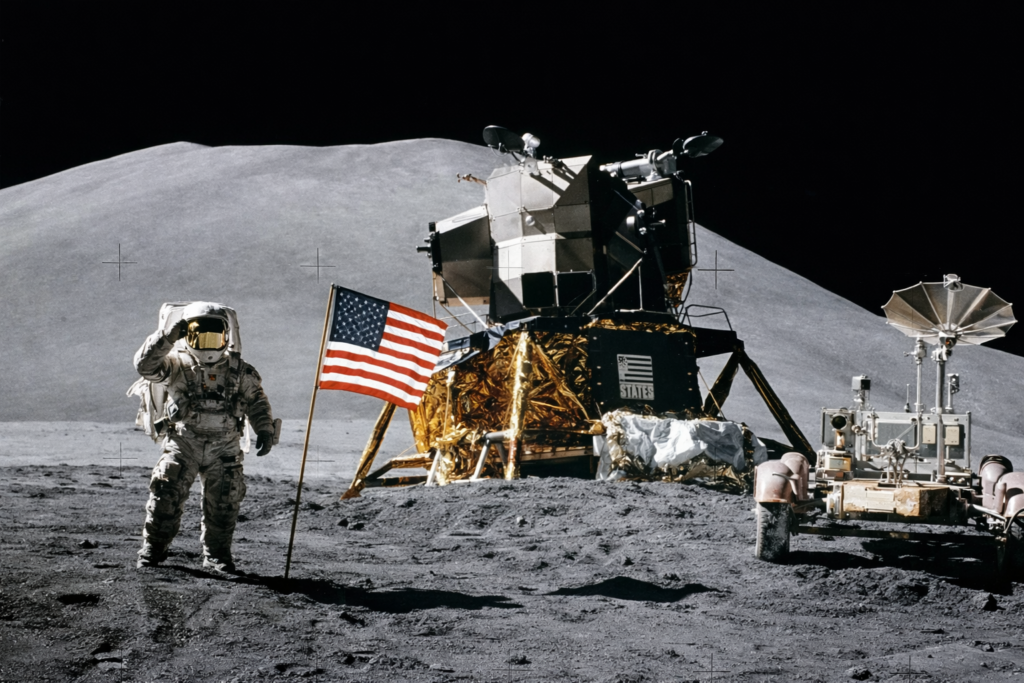
More than fifty years after Apollo 11, the argument keeps resurfacing, not in museums, but in comment sections, podcasts, and family kitchens. A single odd photo detail can flip a proud moment into suspicion, especially when the Cold War backstory hangs over everything. People who doubt the landing often point to the same repeating clues, as if the Moon itself left loose threads. The tension comes from how visual the evidence feels, even when physics is less intuitive to many.
1. That flag looks alive in still air.
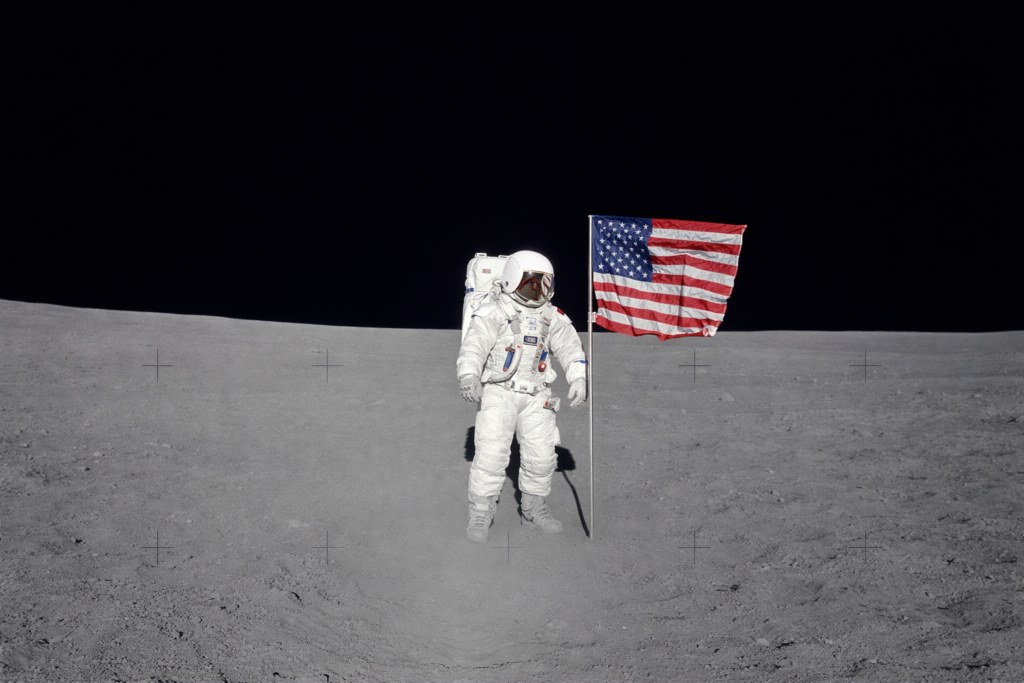
In Apollo footage, the flag seems to ripple, and that small motion fuels suspicion. On the Moon there is no wind, so any flutter reads like a slip, especially on modern replays. The clip feels like visual proof hiding in plain sight. Once noticed, it nags. It becomes the first crack in their story.
The mundane explanation still sounds odd. The pole was twisted during placement, the cloth kept stiff creases, and motion can persist in a vacuum. A top support bar held it out, leaving heavy folds that mimic waves. Skeptics fixate on how breeze like it looks anyway.
2. Stars vanish where space should sparkle.
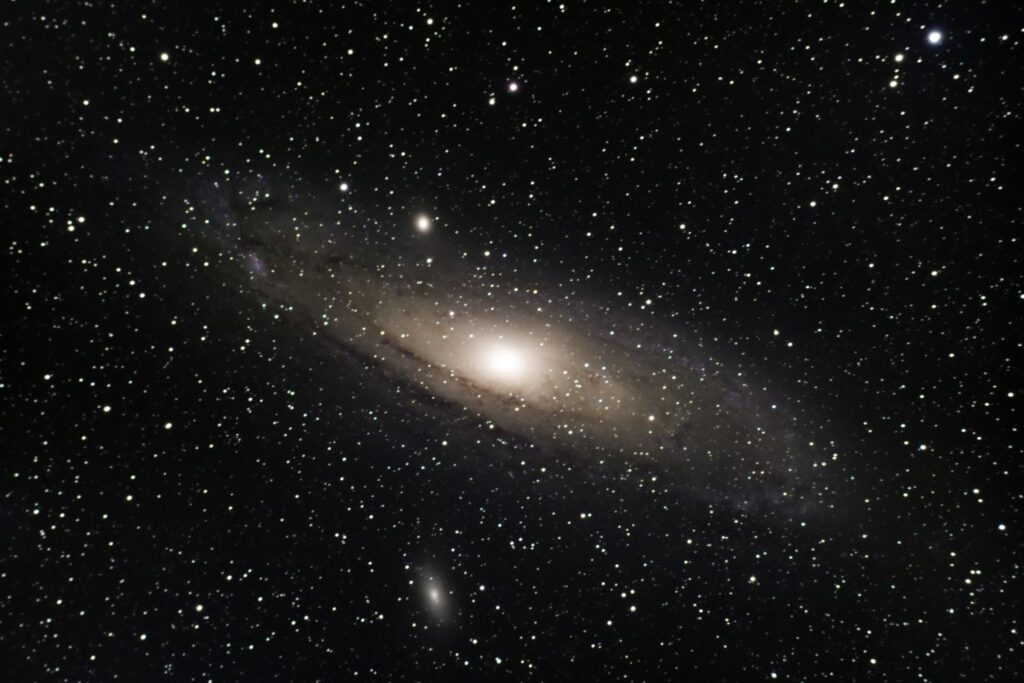
The sky in Apollo photos looks like ink, and for doubters that emptiness is loud. Space should be crowded with stars, yet the frames show none, as if the backdrop was painted black. It clashes with what people expect from telescope images and posters. That mismatch can make the scene feel staged.
Camera settings are the usual reply, but skeptics do not find it comforting. Sunlit subjects forced short exposures, so faint starlight would not register on film. Eyes adapt the same way, glare can erase stars from view. Still, the absence feels too clean, like someone forgot a detail.
3. Those shadows seem to break simple sunlight.
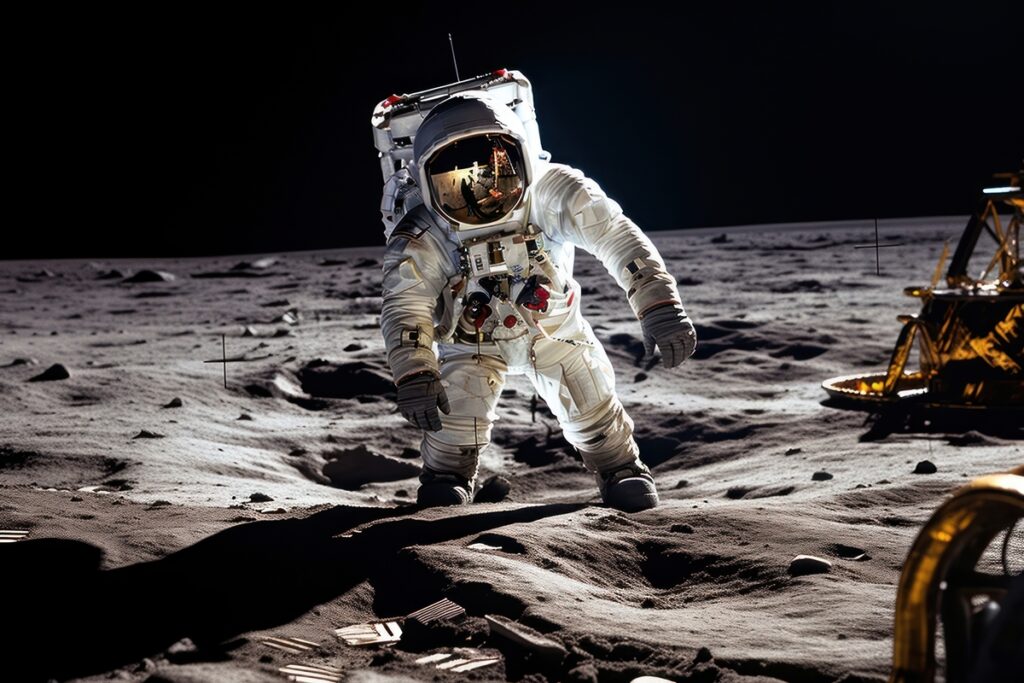
Shadows in several lunar shots seem to point in different directions, and that bends the brain. People imagine one Sun, one set of parallel lines, yet the photos look like multiple lamps were used. Once doubt sets in, every angled shadow becomes a clue. It feels like the lighting is telling on itself.
Perspective can trick the eye, especially with uneven ground and wide lenses. Reflected light from lunar soil can also soften darkness and change contrast. But conspiracists focus on moments where shadows cross slopes and still seem wrong. The debate stays sticky because it is visual, not mathematical.
4. The radiation belts sound like a death zone.

The Van Allen belts sound like a horror plot, and skeptics lean on that fear. Radiation is real, and the word belts implies a gauntlet no human should cross. If Apollo astronauts passed through in 1969, people ask why they were not sick. That question can feel heavier than any photo oddity.
Mission planners said the craft moved quickly through thinner regions, limiting exposure. Shielding and trajectory choices matter, and doses depend on solar activity and time. Still, many hear radiation and assume instant death, then treat survival as suspicious. Uncertainty thrives when numbers are rarely explained in plain terms.
5. Studio lighting vibes creep into the photos.
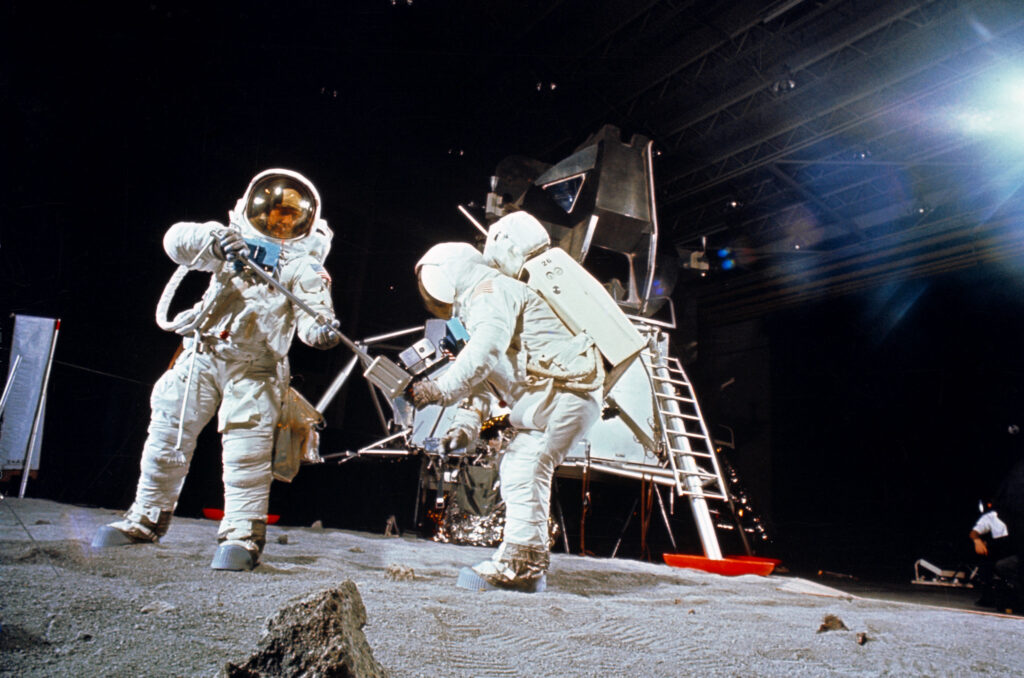
Some images show astronauts lit even when standing near shadow, and that looks staged. On Earth, that kind of fill light comes from a reflector or a studio rig. To a skeptic, the Moon should be harsh, with deep black darkness. Instead the scenes look readable, almost comfortable. It raises the question of what else is being lit.
One explanation is bounce light from the lunar surface itself. Gray soil reflects sunlight upward, and the white suits reflect it again. Yet the effect varies across frames, which invites suspicion. When people already doubt, soft lighting feels like the easiest tell.
6. This lander seems too delicate to trust.
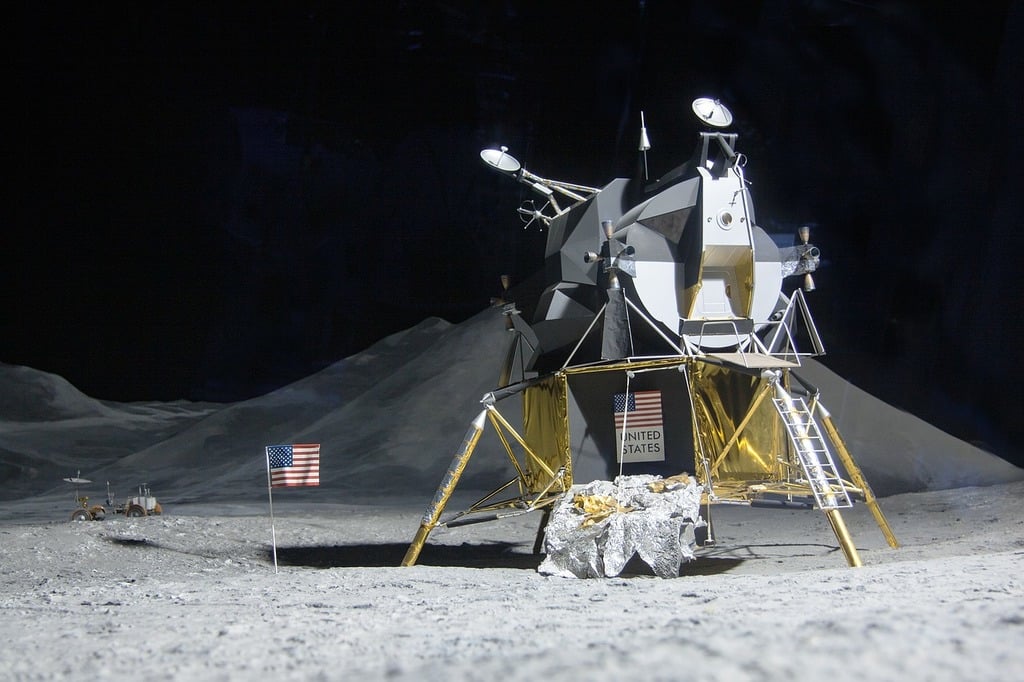
The lunar module looks like foil and legs, and it clashes with how people picture spacecraft. It seems too fragile for launch vibrations, docking, and a landing on lunar ground. That visual fragility becomes a gut level argument, not a technical one. If it looks like a prop, skeptics say, maybe it was.
Engineers designed it for vacuum, not for airplane like strength. Without air loads, structures can be lighter, and every pound mattered for fuel. Still, the wrinkled insulation and spidery stance read as cheap to many eyes. The doubt sticks because appearance is easier than engineering to judge.
7. No crater sits under the engine bell.
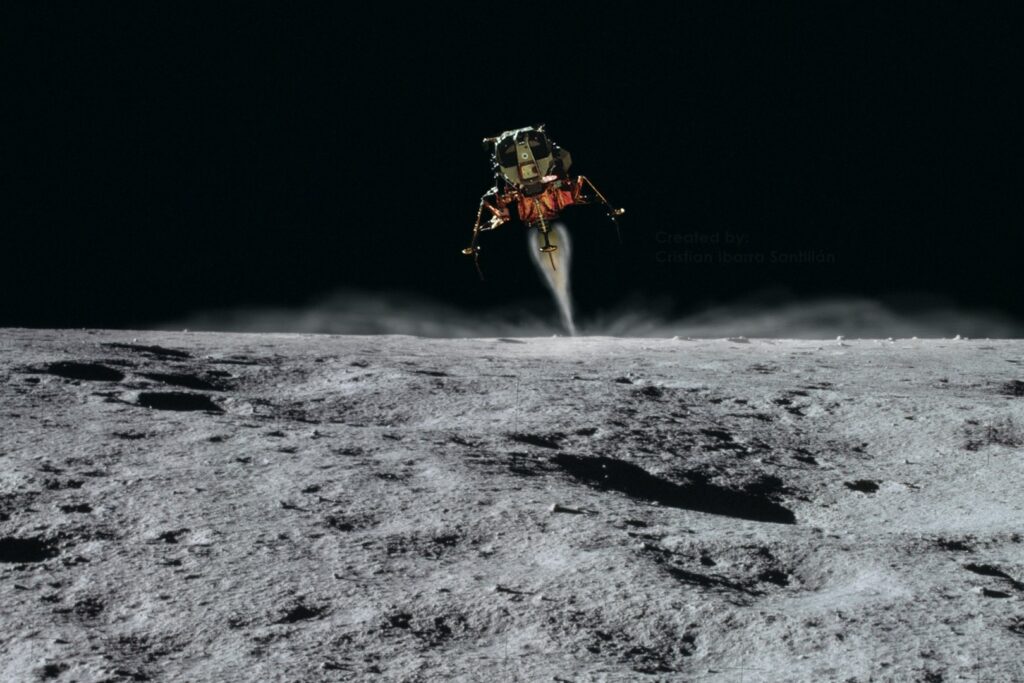
Photos under the lander show dust that looks barely disturbed, and skeptics pounce. A rocket engine should blast debris outward, leaving a crater, scorch marks, or at least chaos. Instead the ground seems calm, like nothing powerful just hovered above it. That calmness feels like a missing special effect.
The common reply is that the descent engine throttled down near touchdown. Lower thrust spreads out in vacuum, and lunar soil compacts beneath a thin dusty layer. Yet people compare it to dramatic launch footage on Earth and feel cheated. The suspicion survives because the surface looks too neat to them.
8. Footprints appear crisp in powdery dust.

The boot prints look crisp, with edges that hold shape like wet sand. Since the Moon has no water, people wonder how powder could behave so obediently. Those sharp ridges create a strange sense of stagecraft, like a pressed prop. For doubters, the ground seems to cooperate too perfectly.
Lunar dust is not like beach sand, and its grains can interlock. Vacuum also changes how particles cling and settle after pressure is applied. Still, the photos show repeated clarity that feels uncanny. When a detail looks too good, it becomes a shortcut to disbelief. So the claim keeps spreading online.
9. Background scenery repeats like a set wall.
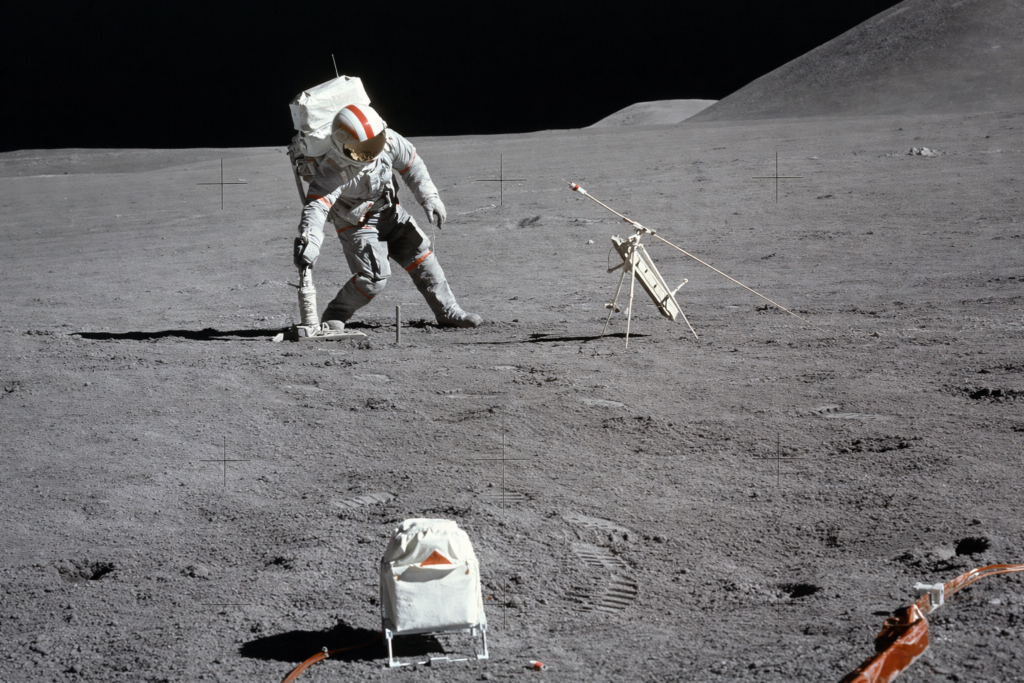
Some panoramas seem to reuse the same horizon line, and skeptics call it a set. Rocks appear in familiar positions, ridges look repeated, and the emptiness offers few landmarks. To a doubter, that sameness feels like limited space dressed up as different locations. It builds the sense of a controlled stage.
The Moon can look monotonous, especially in wide shots with little scale. Small changes in angle may not read as new terrain to casual viewers. But conspiracy forums zoom and circle shapes until patterns seem undeniable. Once the mind labels a backdrop as reused, every new photo feels suspect.
10. The film clarity shifts from scene to scene.
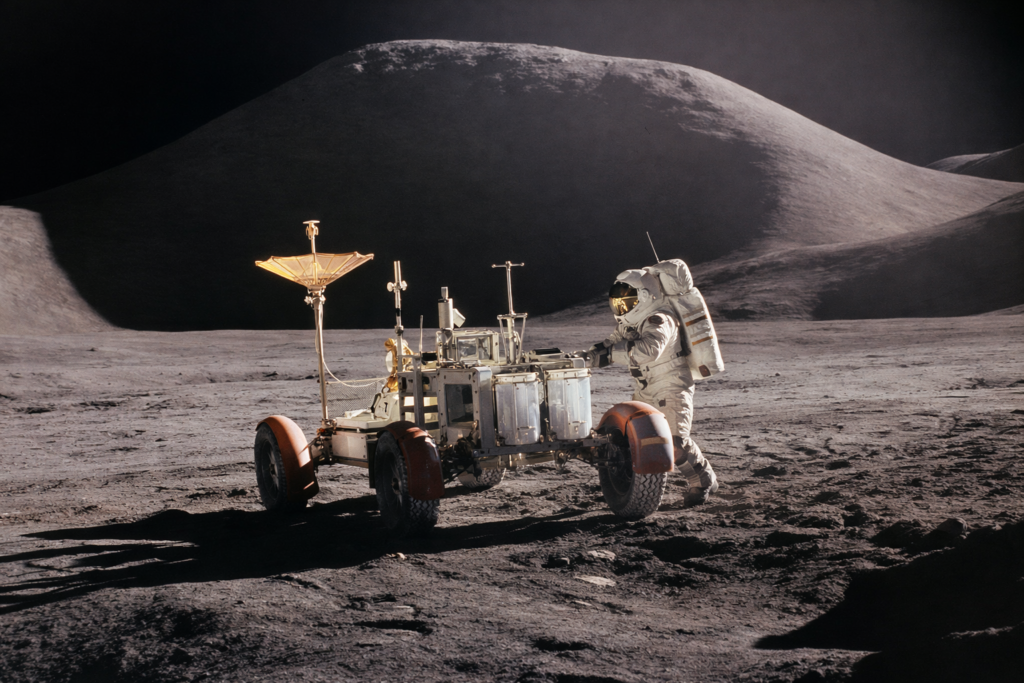
Apollo visuals swing between crisp and murky, and that inconsistency feels suspicious. Some footage looks startlingly modern, while other clips resemble degraded broadcast tape. People wonder how one mission could produce such uneven quality. The variation invites the idea of multiple sources stitched together. It makes the archive feel less like one record.
Different cameras, lighting conditions, and transmission limits can change what survives. Live video from the Moon had technical constraints that differed from still photography. Yet skeptics treat every quality shift as evidence of editing or reenactment. The doubt deepens because viewers assume one consistent format should exist.
11. Cold War stakes made fakery feel tempting.

In 1969, the Moon was not just science, it was geopolitics. The United States and the Soviet Union treated space as proof of national competence. That pressure makes some people think a staged victory would be tempting if failure loomed. When stakes are existential, cynicism finds oxygen.
Skeptics point to budgets, speeches, and deadlines that made the goal feel urgent. They imagine a scenario where officials choose image over reality to avoid humiliation. Even without a smoking gun, motivation can feel like evidence. And once politics enters the story, trust becomes the first casualty. So the theory refuses to die.