
Life after racing is rarely as simple.
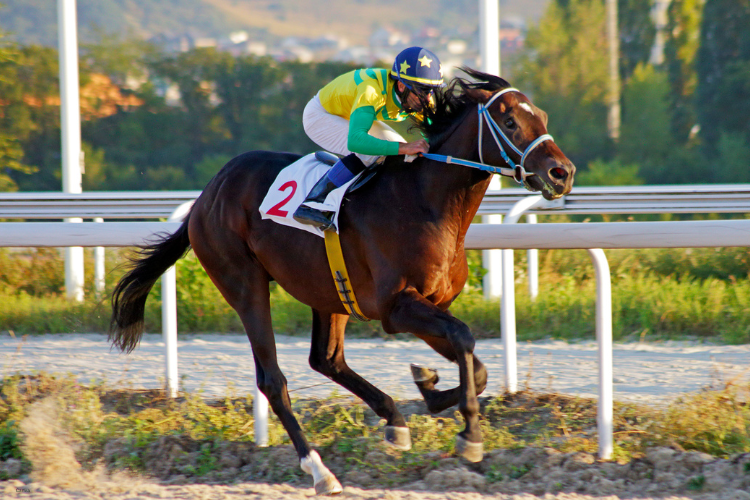
When the gates close and the applause fades, racehorses do not step neatly into retirement narratives. Their lives diverge sharply depending on health, age, ownership, and economics. Some transition into second careers, others disappear into holding patterns far from public view. The racing industry spans continents, regulations, and priorities, making outcomes uneven and often opaque. What happens next is shaped less by sentiment and more by logistics, money, and timing. Behind every celebrated finish line is a quieter question about where these animals go when speed is no longer profitable.
1. Some horses enter retraining programs for second careers.
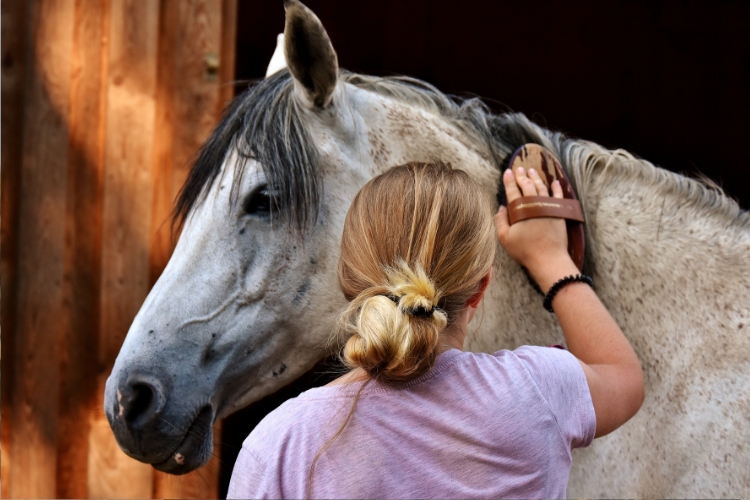
After racing ends, many horses are physically capable but mentally unprepared for ordinary riding life. The transition can be disorienting. Horses trained to sprint in crowds must relearn balance, pacing, and cues meant for different disciplines. Not all adapt easily, and setbacks are common early on.
Retraining programs exist across the United States, United Kingdom, and Australia to guide this shift. Horses may become jumpers, dressage mounts, trail horses, or therapy animals. Success depends on soundness, temperament, and access to skilled trainers, which varies widely by region and funding.
2. Injuries often dictate outcomes more than age.

Racehorses retire young by normal horse standards, but injuries accelerate exits. Tendon damage, joint degeneration, and stress fractures may end racing careers suddenly. These conditions complicate future prospects and limit options.
Some injuries are manageable with rest and care, allowing horses to work again in lighter roles. Others require lifelong maintenance or make riding unsafe. Decisions often hinge on veterinary assessments and owner resources rather than the horse’s willingness or mental readiness.
3. Ownership changes can remove horses from public tracking.
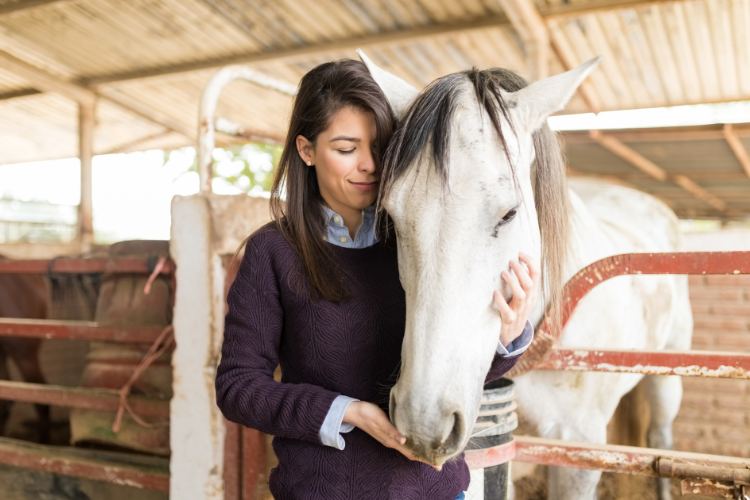
Once racing stops, horses may change hands multiple times in short periods. Private sales, transfers between trainers, or movement to breeding farms often occur quietly. Public databases rarely follow horses beyond official racing registration.
This lack of transparency makes outcomes difficult to verify. Some horses move into private care with responsible owners. Others enter uncertain pathways where oversight decreases. The disappearance from public records does not always signal neglect, but it does reduce accountability.
4. Breeding prospects reshape futures for select horses.
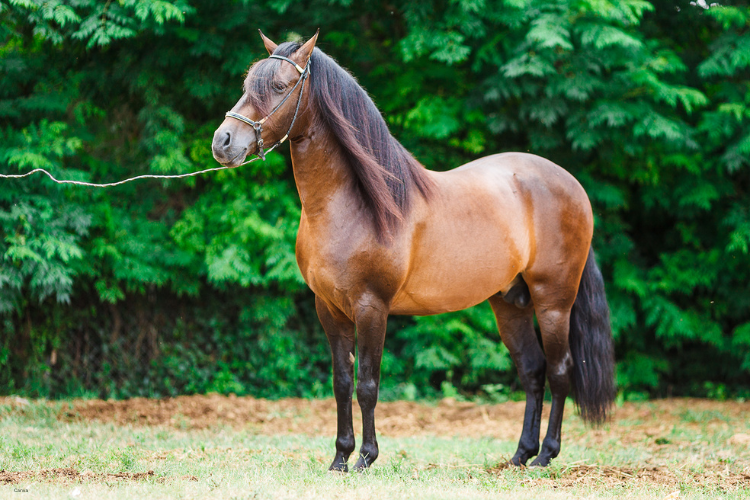
Successful stallions and mares may transition into breeding programs, especially in regions where bloodlines drive value. For these horses, retirement is structured but restrictive. Life narrows to controlled environments focused on reproduction.
Breeding is not guaranteed comfort. Mares face repeated pregnancies, and stallions often live isolated lives for safety. Horses without pedigrees or racing success rarely access this path, reinforcing how uneven post racing opportunities can be.
5. Financial responsibility often shifts abruptly.
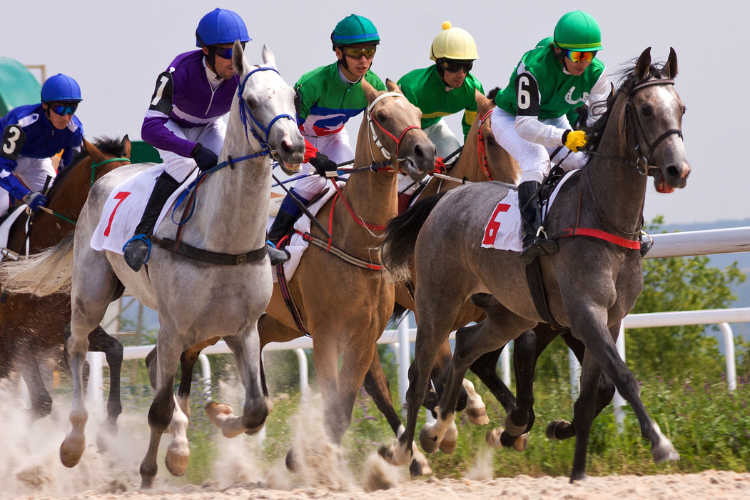
During racing careers, horses are supported by syndicates, trainers, and owners. Once racing income stops, financial responsibility becomes clearer and sometimes burdensome. Boarding, veterinary care, and retraining costs add up quickly.
Some owners plan ahead and fund retirement. Others are unprepared or unwilling to absorb ongoing expenses. This financial pressure can push horses into sales pipelines where speed matters more than long term welfare planning.
6. Rescue organizations absorb uneven demand and supply.
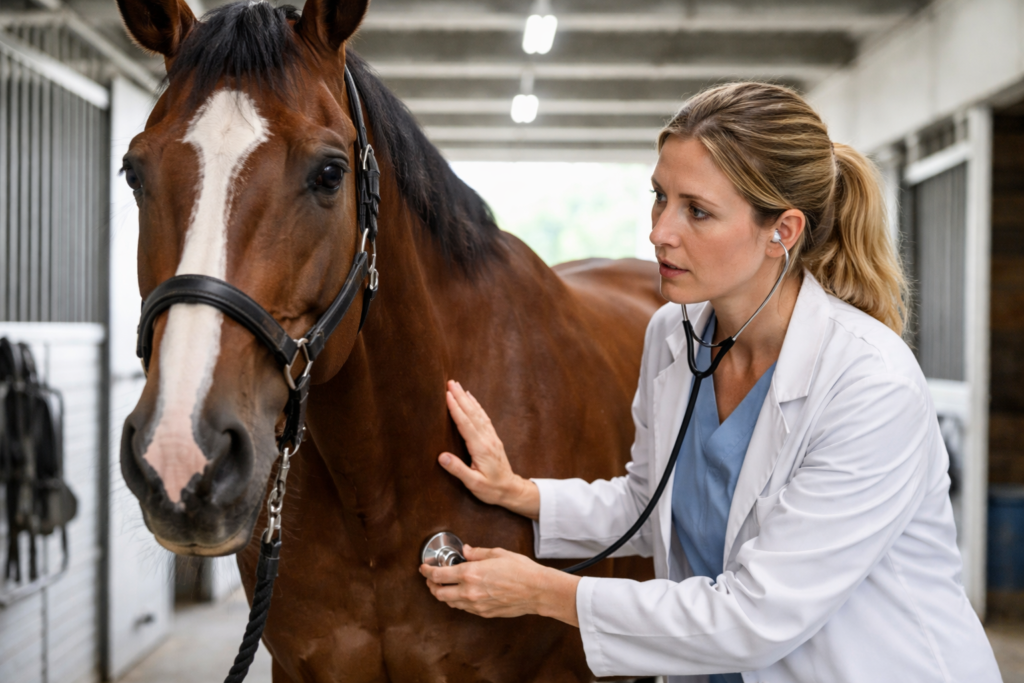
Equine rescue groups play a critical role but operate with limited resources. When multiple horses retire at once, rescues face capacity strain. Intake decisions become triage rather than preference.
Some rescues specialize in former racehorses, offering rehabilitation and adoption programs. Others struggle to meet medical and behavioral needs. Geographic disparities mean horses in some regions have far fewer safety nets than others.
7. Geographic relocation alters horses lives dramatically.
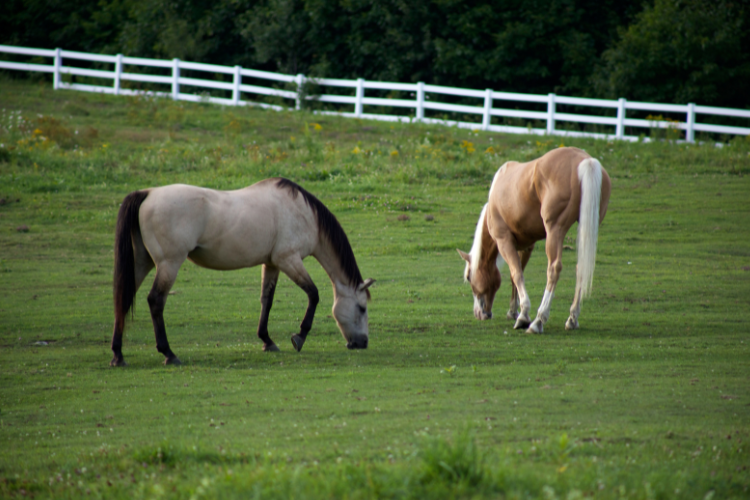
Racehorses are often transported across states or countries during and after careers. Retirement may involve relocation to rural farms, different climates, or unfamiliar handling styles. Adjustment is not always smooth.
Travel stress, new herd dynamics, and environmental changes affect physical and mental health. Horses accustomed to regimented routines may struggle with sudden autonomy. Outcomes depend heavily on management quality during this transition phase.
8. Training intensity leaves lasting physical imprints.
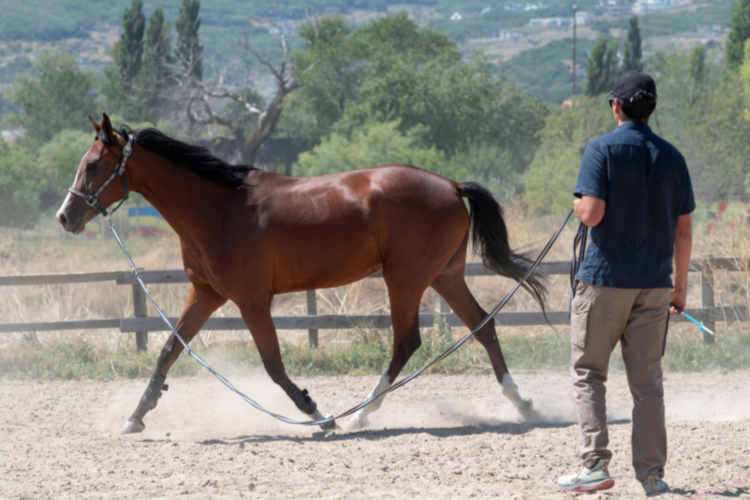
Even sound retirees carry the physical memory of racing. Bone density changes, joint wear, and muscle development influence how horses move later in life. These traits can be assets or liabilities depending on new roles.
Some excel in athletic second careers. Others require careful workload management. Owners unfamiliar with racehorse physiology may misinterpret behaviors that stem from discomfort rather than temperament, complicating retraining efforts.
9. Euthanasia decisions occur under varied circumstances.
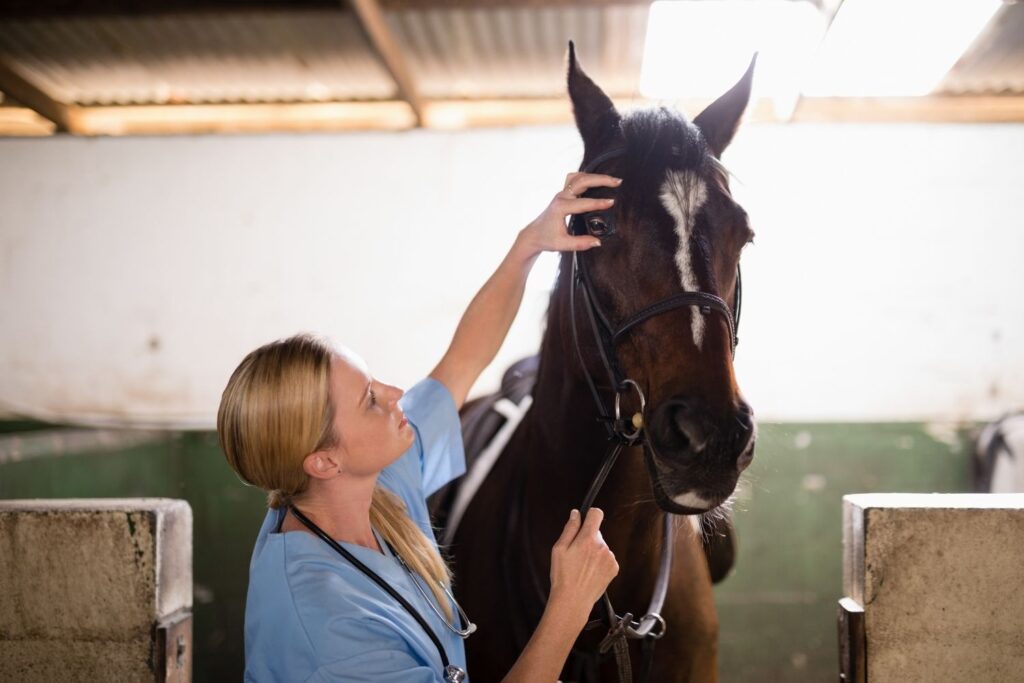
Not all retirements lead to new chapters. Severe injury, chronic pain, or lack of viable placement can result in euthanasia. These decisions are emotionally charged and influenced by medical, financial, and ethical factors.
While regulated tracks require reporting of on site fatalities, off track outcomes are less visible. This contributes to public uncertainty and fuels debate about responsibility beyond the racetrack.
10. Aftercare funding remains inconsistent across racing systems.
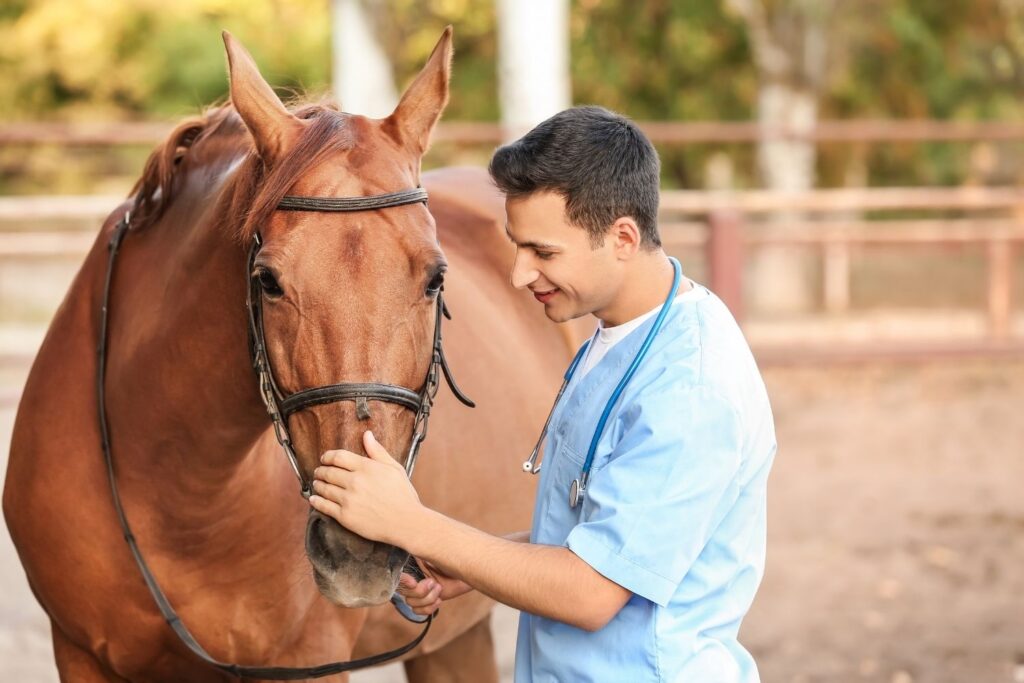
Some racing jurisdictions require aftercare contributions from purses or registrations. Others rely on voluntary donations. This inconsistency creates uneven support for retiring horses.
Where aftercare is mandated, outcomes tend to improve. Where it is optional, resources fluctuate with economic cycles. The structure of funding often determines whether retirement is planned or improvised.
11. Public attention rarely follows horses beyond peak performance.
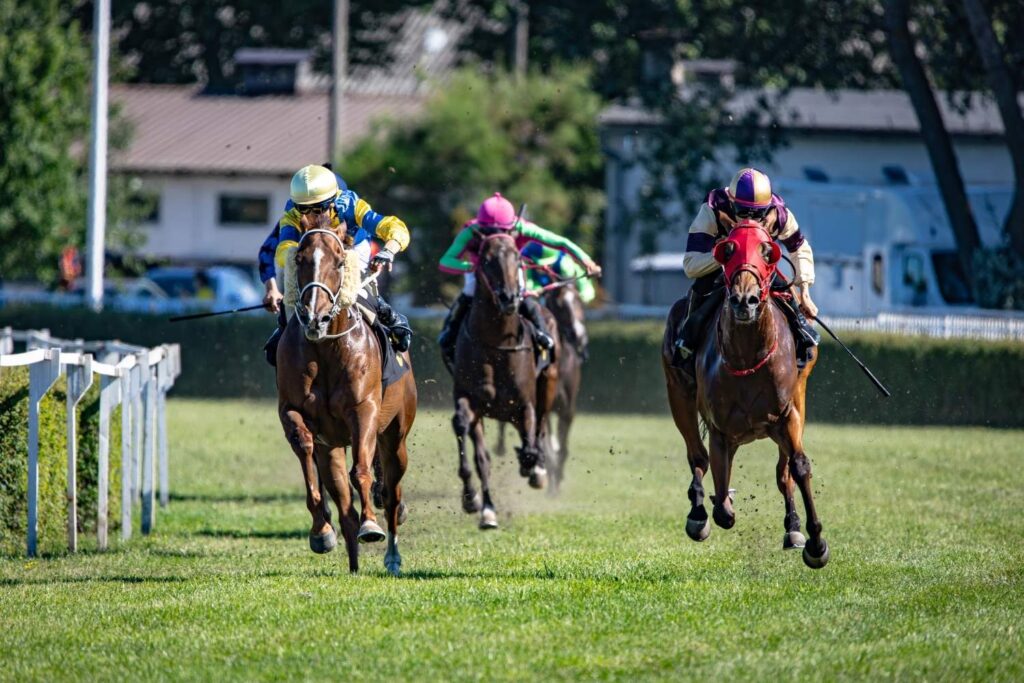
Media coverage celebrates wins and controversies but fades quickly afterward. Without sustained attention, pressure to ensure lifelong welfare weakens. Horses become statistics rather than stories.
Advocates argue that transparency and tracking could improve outcomes, but implementation remains fragmented. What happens after the crowds disappear is shaped by systems built long before the final race, and the consequences linger long after silence returns.