
Vanishing breeds expose hidden threats to canine health.

Across the world, dog breeds once woven into daily life are fading with alarming speed. Registrations fall, breeders age out, and genetic lines narrow until recovery becomes uncertain. This is not about nostalgia or rarity alone. When breeds disappear, health protections built through centuries vanish too. Traits tied to resilience, disease resistance, and balanced structure are lost forever. What looks like a cultural footnote is actually a biological warning about where modern dog health is heading for future generations globally.
1. Otterhounds are vanishing with critical genetic traits.
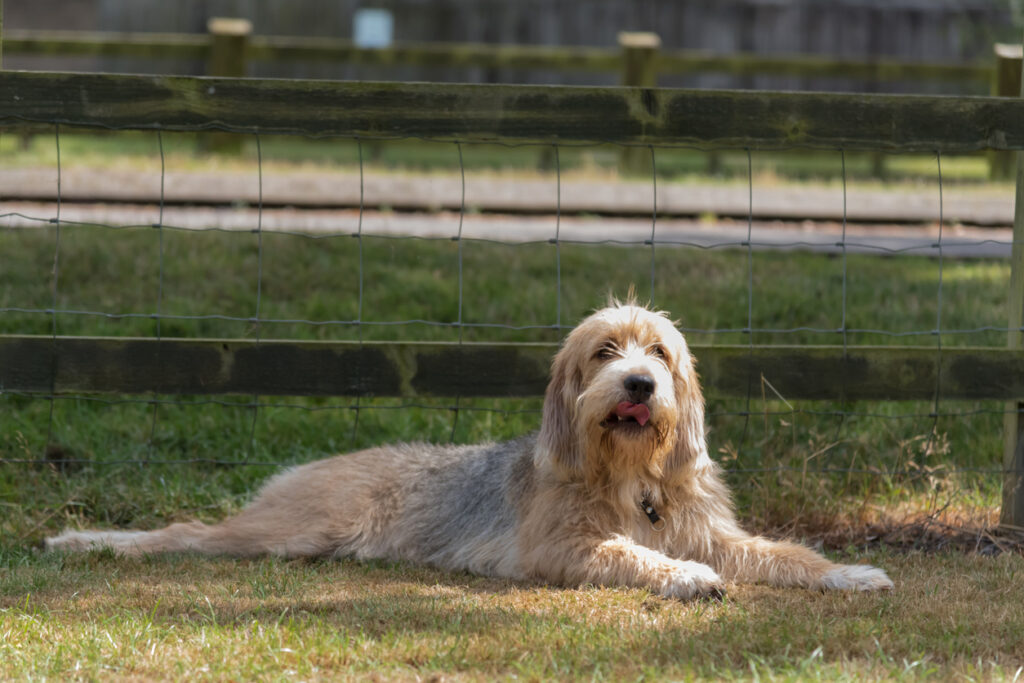
Otterhounds once thrived in Britain, bred for stamina, scenting ability, and strong lungs. Today, their numbers are critically low, pushing the breed toward a genetic dead end. Each lost breeding pair increases the risk of infertility and inherited disease, threatening long term survival.
Their decline reflects changing laws and lifestyles, not poor health. Otterhounds carry durable respiratory and joint traits shaped by demanding work. Losing them removes genetic tools that once helped counter weakness across hound populations.
2. Norwegian Lundehunds reveal consequences of extreme bottlenecks.

The Norwegian Lundehund survived near extinction after World War Two, but recovery came at a cost. Descended from very few dogs, the breed struggles with digestive disorders and immune instability. Health challenges are now deeply embedded.
This situation shows how loss of diversity reshapes biology. Rare mutations become common when options vanish. The Lundehund demonstrates what happens when preservation begins after genetic collapse has already occurred.
3. Skye Terriers are slipping beyond recovery thresholds.

Once common in Scotland, Skye Terriers now face critically low registrations. Breeding choices shrink each year, increasing reliance on closely related lines. The risk of inherited disease rises as options disappear.
These terriers were shaped by harsh landscapes, producing toughness and balance. Their loss removes hardy genetics developed without modern intervention. Decline here reflects how quickly functional traits vanish when popularity fades.
4. Chinook dogs remain fragile despite conservation efforts.

Chinooks were nearly lost in the United States and remain rare despite recovery programs. Limited numbers require careful breeding, leaving little room for error. One poor decision can undo decades of effort.
Chinooks represent moderation in structure and temperament. Losing them further skews breeding toward extremes. Their survival matters because balanced dogs offer health lessons increasingly missing from popular lines.
5. Dandie Dinmont Terriers face silent population collapse.
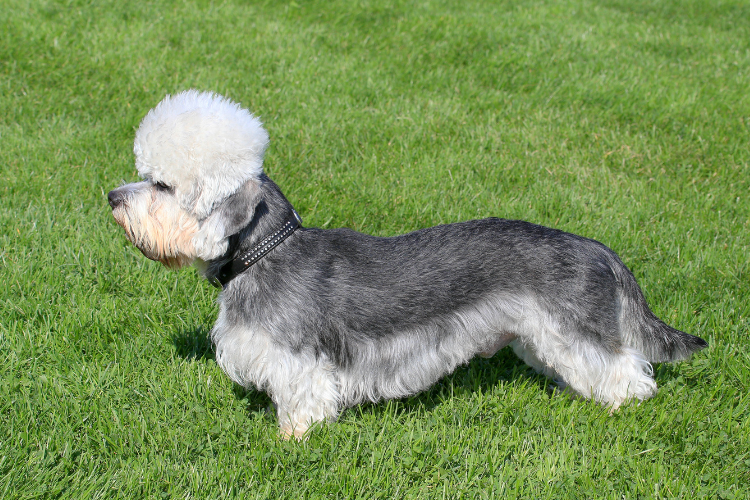
Dandie Dinmont Terriers once worked farms and homes, but declining interest has left aging populations and few new breeders. Without replacements, genetic erosion accelerates quietly.
As numbers fall, research and health tracking diminish. Rare breeds receive less scientific attention, allowing inherited problems to go unnoticed. Their decline highlights how popularity directly shapes veterinary knowledge and outcomes.
6. Azawakhs risk losing climate adapted genetics.

Azawakhs evolved in West Africa for heat tolerance, endurance, and lean efficiency. Outside their native regions, populations remain small and scattered, limiting genetic exchange.
Fragmentation increases vulnerability. Traits suited for extreme environments disappear when numbers fall. As climates shift globally, losing Azawakhs means losing adaptations that could inform healthier breeding across many dogs.
7. Sussex Spaniels suffer from aging breeding populations.

Sussex Spaniels face declining registrations and breeder fatigue. Many remaining dogs are older, reducing future breeding possibilities and accelerating collapse.
An aging population limits health progress. Without younger generations, inherited conditions persist unchecked. This breed shows how demographic imbalance alone can push dogs toward extinction despite dedicated caretakers.
8. Mudik remain endangered outside their homeland.
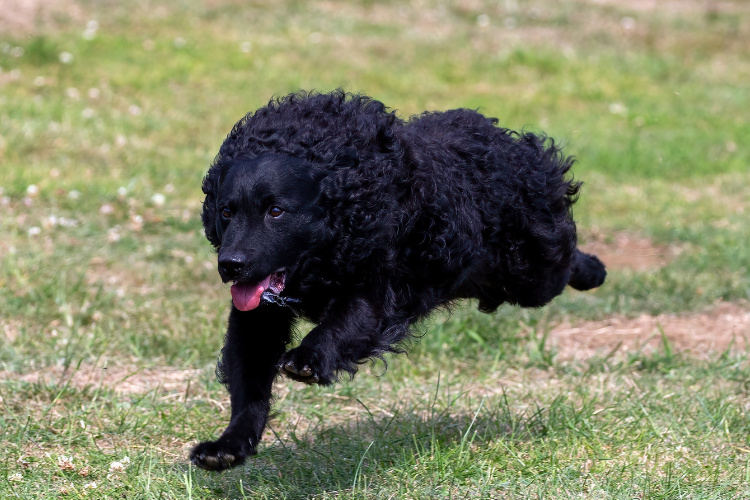
Mudik are intelligent Hungarian herding dogs with strong joints and problem solving skills. Outside Eastern Europe, populations are small and isolated, complicating responsible breeding.
Isolation slows genetic exchange and consistent health screening. Losing Mudik erases working traits tied to longevity and sound movement. Their decline narrows options for healthier functional dogs.
9. Field Spaniels face repeating genetic instability cycles.

Field Spaniels have survived population crashes before, but current numbers again trend downward. Each collapse leaves lasting genetic scars that compound over time.
Recovery without sustained support leaves breeds vulnerable. Hidden weaknesses linger beneath stability. The Field Spaniel illustrates how repeated losses weaken long term health even when extinction is avoided.
10. Glen of Imaal Terriers risk disappearing unnoticed.

Glen of Imaal Terriers were bred for work, not fashion, limiting mass appeal. Low visibility now threatens their survival as breeder numbers decline.
These dogs exhibit physical moderation and resilience. Losing them concentrates breeding around exaggerated traits, worsening orthopedic and respiratory problems seen elsewhere. Their disappearance reshapes canine health beyond one breed.
11. Breed extinction reduces health resilience for all dogs.

Every lost breed removes unique genetic combinations shaped by geography and labor. This narrows tools available to address disease across dogs as a whole.
As diversity shrinks, inherited conditions spread more easily. Vanishing breeds signal systemic failure. Their loss weakens the biological safety net protecting all dogs, not just the rare ones.