
The land remembers where the horses once walked.
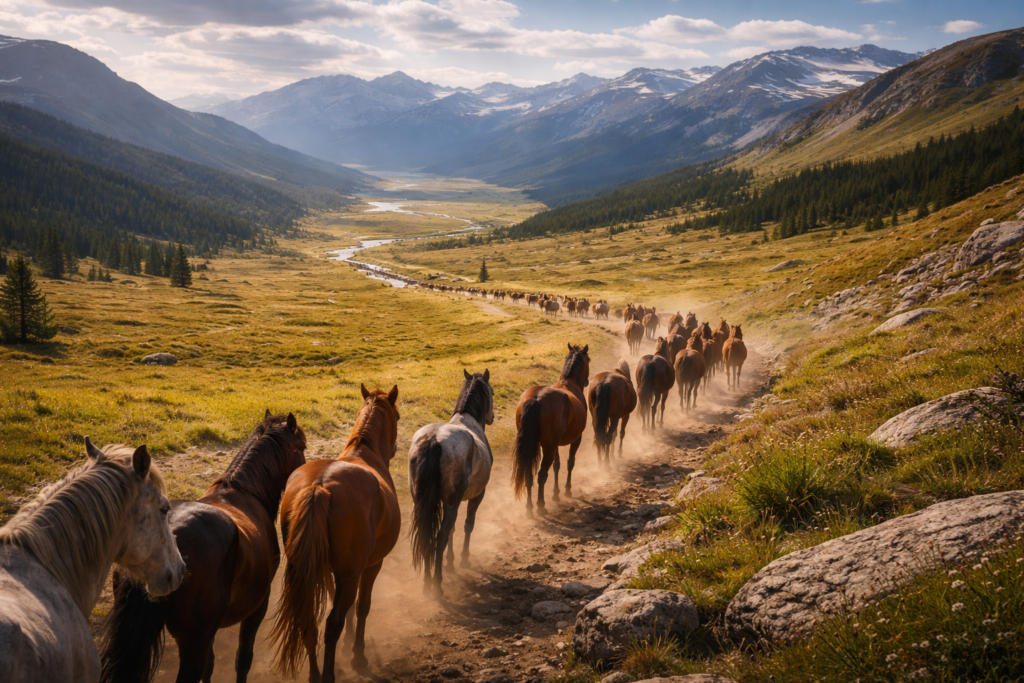
Long before borders, fences, or recorded history, horses began following a path that still shapes movement today. It crosses open grasslands, mountain edges, and climate zones that refuse to behave randomly. For centuries, scholars assumed these routes dissolved under pressure from humans and weather. They did not. Evidence keeps resurfacing in soil, bone, and behavior, suggesting the path survived everything meant to erase it. What remains unclear is why this particular route endured when so many others disappeared.
1. The steppe offered predictable survival when nothing else did.

Across the Eurasian interior, survival depended on consistency rather than abundance. Horses learned where grass returned first after winter and where snow stayed shallow enough to paw through. Straying too far often meant starvation. Over time, herds that followed reliable seasonal movement survived, while others vanished.
That pressure shaped a corridor defined by function, not visibility. The route emerged where wind cleared snow, where meltwater lingered, and where grazing recovered fast enough to sustain large bodies. It rewarded memory and punished improvisation, locking movement into repeatable patterns.
2. Seasonal snow dictated direction more than instinct alone.

Winter was the true architect of migration. Deep snow blocked access to forage, forcing herds toward lower elevation zones. These areas repeated their usefulness year after year. Horses that delayed or resisted movement faced collapse, reinforcing strict timing.
Over generations, this necessity became embedded behavior. Movement was not exploratory but corrective. The land presented problems and the route offered solutions. Horses learned to respond before conditions became lethal, making migration feel anticipatory rather than reactive.
3. Archaeological evidence mirrors horse movement precisely.
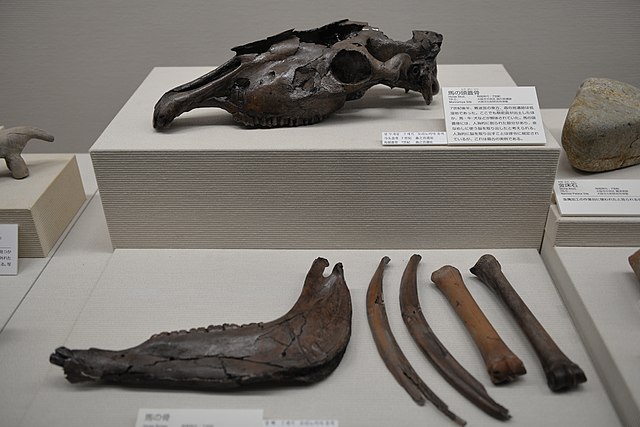
Sites of long term human occupation align closely with ancient horse paths. Camps, tools, and burial grounds appear repeatedly along the same corridor. This pattern suggests humans followed the animals, not the reverse.
The route offered predictable access to meat, transport, and trade. People positioned themselves where herds would return each year. Over centuries, this created a parallel migration system. Horse movement shaped human settlement rhythms without requiring permanent structures or roads.
4. Domestication adapted to the route instead of replacing it.
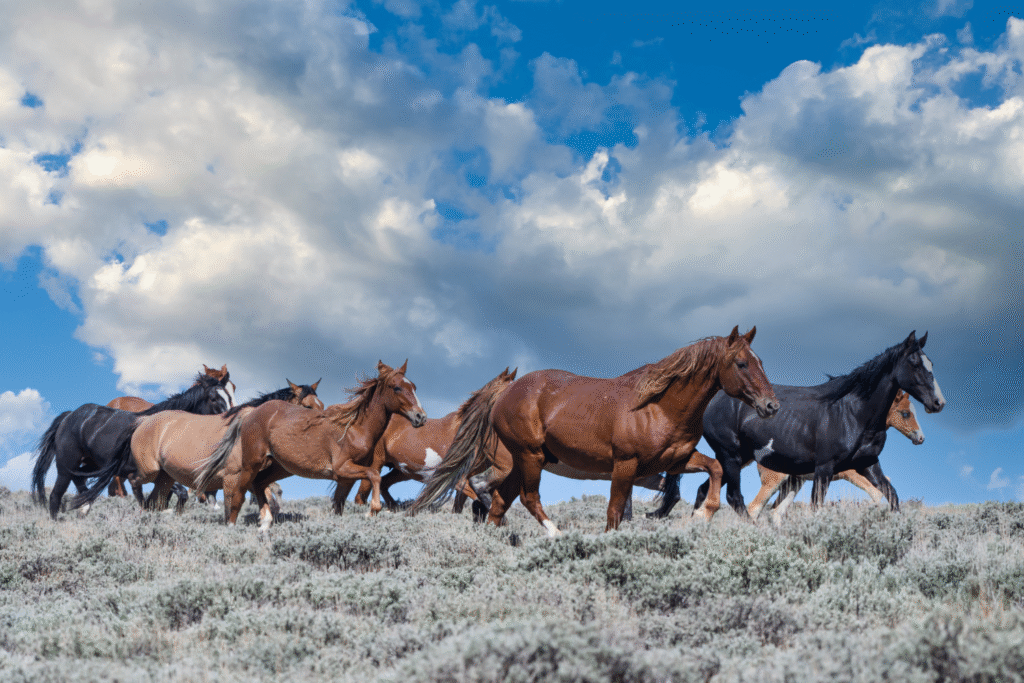
Early domestication did not end migration. Managed herds still attempted seasonal movement, resisting confinement when conditions deteriorated. Rather than suppress this behavior, handlers adapted their practices to match it.
Historical records and grazing patterns indicate that early pastoralists moved with their animals. Domestication layered control onto an existing system instead of dismantling it. The route remained operational, now carrying both horses and human culture along its length.
5. Climate shifts bent the route without breaking it.
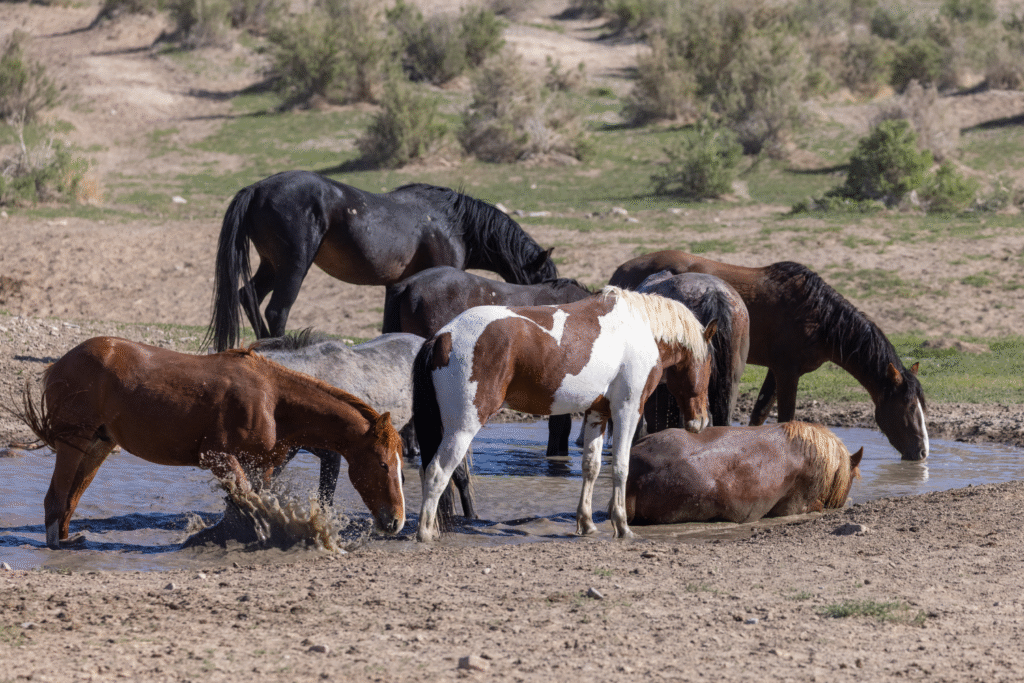
Over thousands of years, the region experienced warming periods, cooling cycles, and shifting rainfall. Vegetation belts moved gradually, not abruptly. The migration corridor adjusted in response, sliding slightly north or south while maintaining continuity.
This flexibility allowed the route to survive climate instability. Horses adapted their timing and distances without abandoning the underlying logic. The corridor persisted because it was dynamic enough to respond, yet stable enough to remain recognizable.
6. Genetics show repeated use rather than random spread.
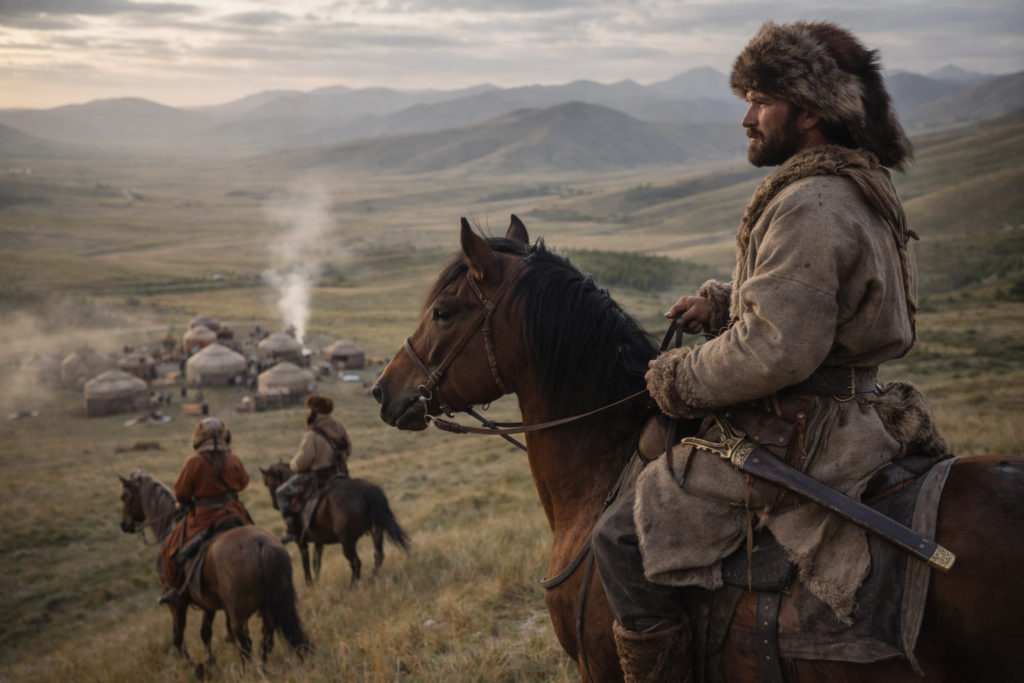
Genetic studies of ancient horse remains reveal consistent mixing along the same geographic axis. Populations separated by centuries share markers linked to movement through the corridor. This suggests repeated use rather than isolated dispersal events.
The route functioned as a biological connector. It prevented long term isolation while allowing regional adaptation. Even when populations declined, genetic flow resumed once numbers recovered, reinforcing the corridor as a persistent channel of movement.
7. Political boundaries failed to disrupt migration patterns.

Empires attempted control through patrols, settlements, and restrictions. These efforts temporarily diverted herds but did not erase the route. Once pressure eased, movement resumed along familiar lines.
Historical accounts describe repeated failures to permanently redirect horse movement. Geography proved more influential than authority. The corridor outlasted every political structure imposed upon it, continuing to operate independently of human governance.
8. Modern barriers reveal where the route still runs.

Fences and roads now cut across much of the steppe. Horses respond by congregating at specific points, testing barriers repeatedly. These pressure points reveal where traditional movement paths remain strongest.
When barriers are removed, migration resumes immediately. Injury and stress decrease, and herds redistribute naturally. The response suggests the route remains active in behavioral memory, even after decades of interruption.
9. Reintroduction projects succeed when they align with history.

Modern conservation efforts show a clear pattern. Releases placed along ancient corridors stabilize faster than those positioned outside them. Horses introduced elsewhere often drift toward familiar ecological signals or fail to thrive.
Managers increasingly recognize that landscape memory matters. Even captive bred horses respond to terrain cues shaped long before human intervention. Success depends less on control and more on alignment with ancient movement logic.
10. Continuity explains why the route still functions.

This migration path survived because it was never symbolic or ceremonial. It was practical. Snow, grass, wind, and water reinforced the same decisions every year. Horses that followed survived. Those that did not disappeared.
The route persists because the land keeps asking the same questions, and the horses keep answering them the same way. It is not preserved by tradition, but by necessity repeated across thousands of seasons.