
Animals are crossing boundaries humans assumed were permanent.

Across the world, animals are turning up in backyards, parking lots, and city canals, not as novelty sightings but as warning flares. Heat, drought, and storms are remapping where food and water still exist, and the map keeps shrinking. Officials record more calls, more collisions, more conflict, and more rescues, yet the drivers stay easy to dismiss until they show up on your street. The unsettling part is how quickly normal borders stop working and how few safe options remain.
1. Heat is pushing wildlife into our shade.

The hottest days are no longer rare events, they are the new baseline, and animals feel it first. When shade disappears and daytime temperatures spike, wildlife is forced to move at the worst possible time, into neighborhoods, under porches, and along irrigated lawns. That proximity raises the chance of bites, vehicle strikes, and panicked calls to authorities, because people assume the animal chose the risk. Even nocturnal species move in daylight when heat crushes schedules and dries things out for them.
Heat driven range shifts are now being tracked at continental scale, and the pattern keeps pointing toward developed refuges, according to the National Audubon Society. Cooling water features, ornamental trees, and urban green corridors can become survival islands. The problem is that these islands come with fences, pets, and loud human routines, so the escape route becomes a trap.
2. Drought turns city sprinklers into wildlife magnets.
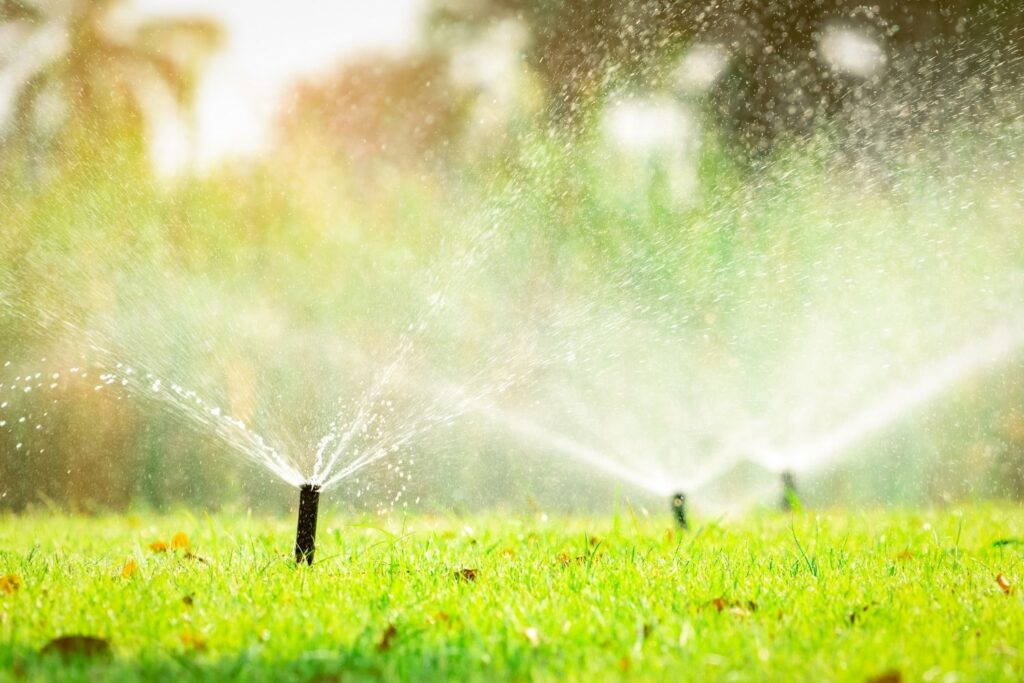
Drought does not just empty reservoirs, it rewires animal decision making. A dry canyon offers no berries, no rodents, no puddles, so the most reliable water now comes from humans. Deer drift toward golf courses, coyotes patrol drainage channels, and bears test backyard fountains, all while residents mistake thirst for boldness. Each visit teaches an animal which streets are safe and which doors smell like food. That habit can spread through a group, multiplying visits overnight locally.
In California, reported conflicts rise when rainfall drops, tying animal movement to water stress rather than population spikes, as reported by a Science Advances study. Irrigation keeps pockets of greenery alive, and wildlife notices. Once an animal learns a route between sprinklers and trash cans, the path can persist across seasons, increasing repeat encounters that feel personal even when they are purely physiological.
3. Fires and floods shove animals toward homes.

A single extreme event can erase an entire menu. After a wildfire, insects vanish, seeds burn, and shelter turns to ash, forcing survivors to run a gauntlet of roads and fences. Floods do the same in reverse, drowning burrows and stripping riverbanks, leaving animals stranded on high ground that often happens to be a berm, a suburb, or an industrial lot. The first days after disaster are when desperate choices get made. Rescuers may intervene, but many animals move without being seen.
During Australia’s Black Summer, scientists described unprecedented biodiversity losses and long tail impacts that push survivors into altered landscapes, as stated by the Australian Academy of Science. When habitat is scorched or submerged, animals follow edges, and edges in human regions are lined with pet food, ornamental fruit, and garbage. That is how emergency foraging becomes ongoing cohabitation.
4. Melting ice is sending predators into towns.

In the Arctic, ice is not scenery, it is a platform for hunting and travel. When that platform breaks earlier and returns later, predators lose access to seals and are forced onto shore with fewer options. Communities that once saw bears at a distance now find them near storage sheds, airstrips, and beaches, and the margin for error shrinks fast when hunger is involved.
Researchers observe longer ice free seasons pushing polar bears to spend more time on land, where they may scavenge or investigate human smells. Walruses can crowd onto shore haulouts when sea ice retreats, creating dangerous crush risks near coastal villages. These shifts turn seasonal separation into direct overlap, and the overlap tends to expand each year. Even when deterrence works once, the same individuals may return, because the underlying hunting landscape has changed permanently for them.
5. Rising seas squeeze wildlife inland suddenly.
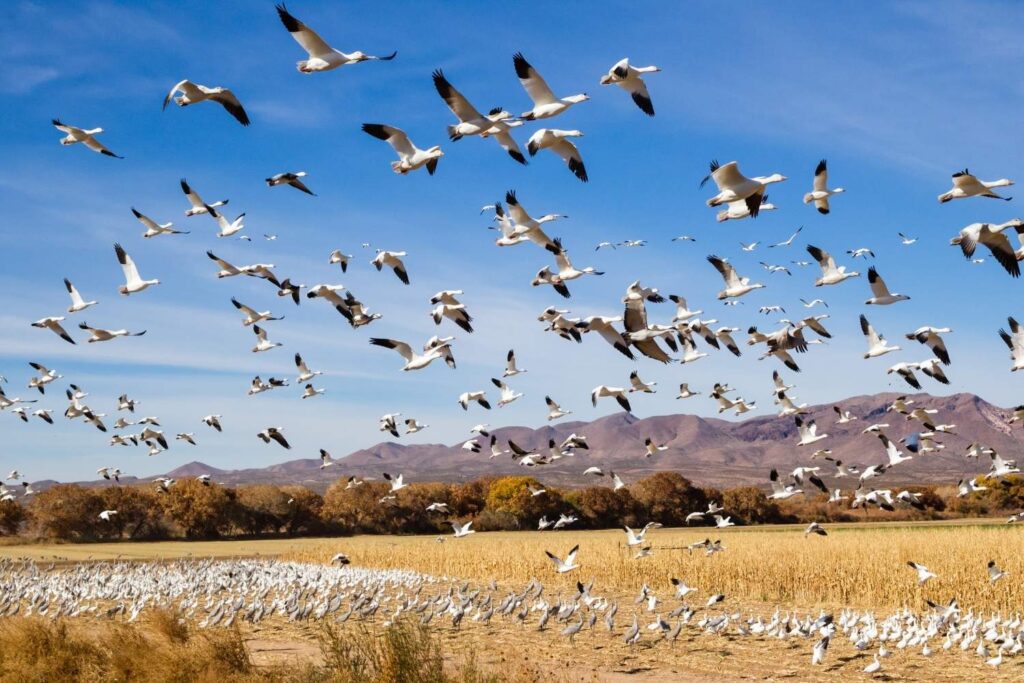
Coastlines offer wildlife a narrow strip of life where land and water trade resources. Sea level rise narrows that strip, and during storms it can vanish overnight. Nesting birds lose beaches, turtles face flooded nests, and marsh animals watch saltwater creep into freshwater plants. When the habitat band collapses, the next dry ground is often a road shoulder, a hotel berm, or a backyard. After each king tide, tracks appear deeper in neighborhoods, and cleanup crews find unfamiliar carcasses too.
Scientists describe coastal squeeze when wetlands cannot migrate inland because development blocks them, turning natural retreat into compression. As marshes drown, birds and small mammals are forced into fragmented patches behind seawalls and subdivisions. The new proximity creates conflict with pets, landscaping, and traffic, while the ocean keeps advancing, reducing the chance that the wildlife corridor will ever widen again.
6. Warmer nights are reshaping when animals move.
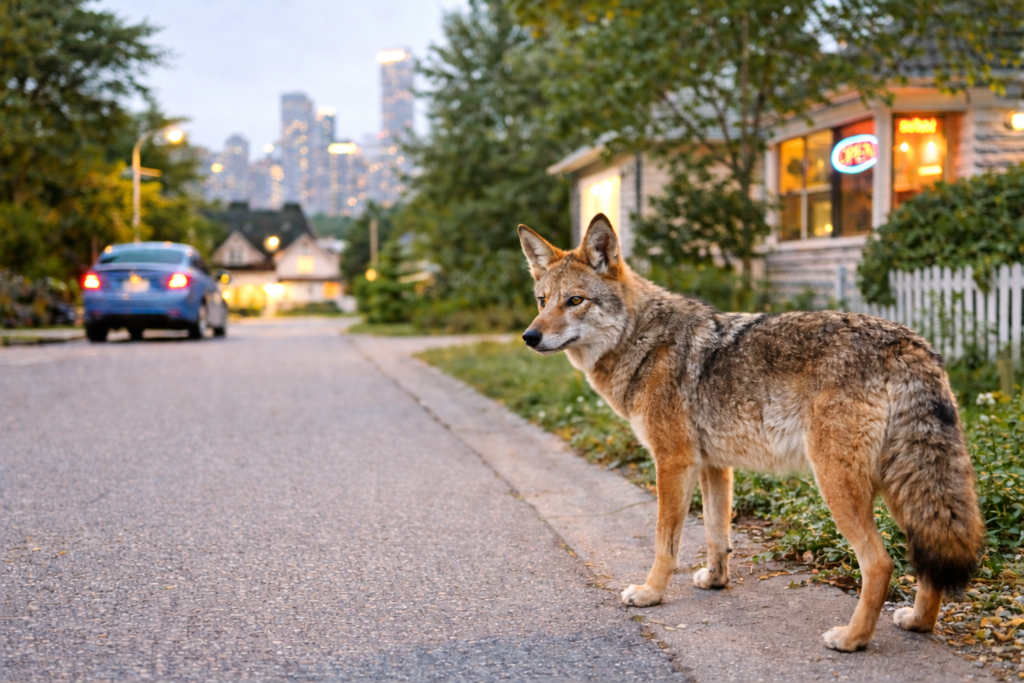
Heat no longer fades after sunset in many regions, and that change matters more than it sounds. Animals that once relied on cool nights to hunt or travel are now active during odd hours, overlapping with human schedules. Roads that were quiet become dangerous corridors, and people encounter wildlife during late errands or early commutes. The timing feels wrong, which makes the encounters feel threatening even when behavior has not changed.
As nighttime temperatures rise, animals compress activity into shorter windows and unfamiliar hours. This temporal shift increases collisions and close contact without animals ever expanding their range. Climate change is not just moving wildlife across maps, it is pushing them into human time.
7. Forest breakdown is sending wildlife downhill.
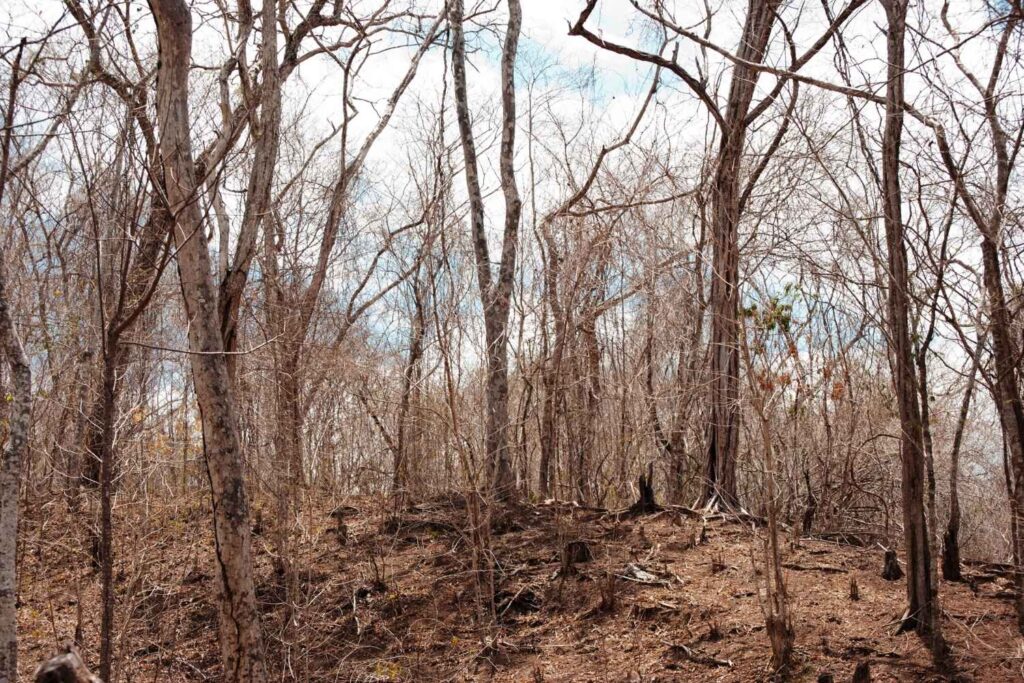
Heat stressed forests lose leaves, water retention, and resilience. When insects infest weakened trees and fires follow, the interior of the forest stops functioning as habitat. Animals leave before the last tree falls. The path of least resistance often leads downhill, toward farms, roads, and towns. These movements appear sudden to residents, but the collapse behind them was slow and invisible.
As forest structure degrades, animals search for reliable cover and calories. Orchards, crops, and trash offer predictable rewards compared to unstable woods. Once a downhill route is learned, it becomes a repeated pattern, increasing encounters long after the original forest damage fades from memory.
8. Younger animals adapt to human spaces faster.

Climate disruption creates winners and losers within the same species. Younger animals explore more, learn faster, and take risks adults avoid. When landscapes change quickly, that flexibility matters. Juveniles are more likely to cross roads, investigate buildings, and sample human food, setting new behavioral norms early.
Over time, this skews populations toward individuals comfortable near people. That comfort does not mean safety. It raises conflict risk while accelerating adaptation that conservation plans did not anticipate. The shift happens quietly through generations, making future coexistence more complex than simple relocation or deterrence strategies.
9. Migration failures leave wildlife stranded among people.
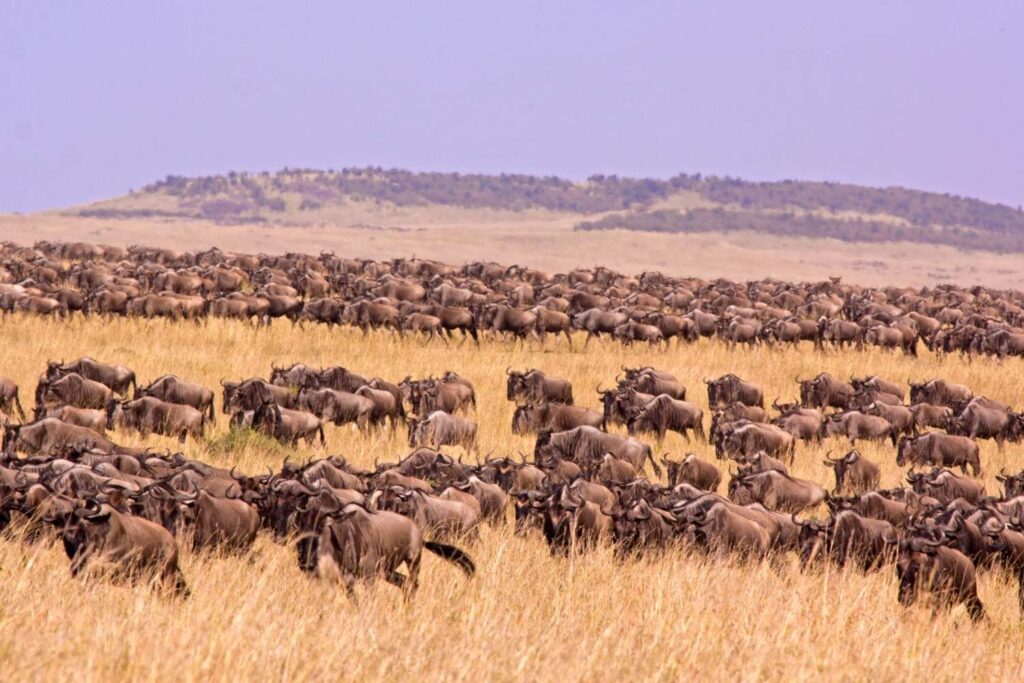
Migration depends on precise timing and intact stopovers. Climate change disrupts both. When food blooms early or storms erase rest points, animals arrive exhausted or too late. With nowhere else to go, they settle temporarily in cities, ports, and industrial edges. These stopgap decisions can become permanent when routes fail repeatedly.
Urban parks, reservoirs, and landfills replace wetlands and grasslands as emergency refuges. The animals did not plan to stay. They are responding to broken pathways. Each failed migration season increases the likelihood that human spaces become default habitat rather than a brief shelter.
10. Human infrastructure now functions as climate refuge.

Irrigation, lighting, waste, and shelter unintentionally buffer climate extremes. For wildlife under stress, these features offer stability that damaged ecosystems no longer provide. That reality is uncomfortable because it ties survival to proximity. Animals choose predictability over danger when options disappear.
As climate volatility grows, human landscapes become fallback systems by default. This does not signal harmony or adaptation success. It signals narrowing choices. The movement into human spaces is not an invasion. It is evidence that the map of viable habitat is shrinking, and the borders we relied on are no longer holding.