
Burials below the fortress are rewriting plague history.
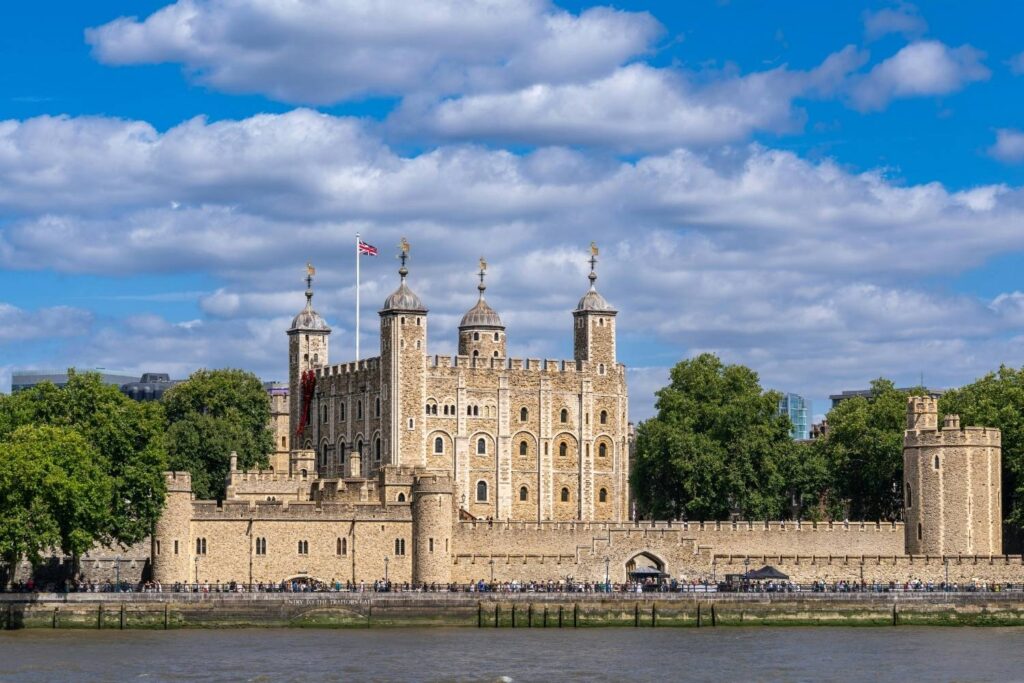
For centuries, the Tower of London symbolized power, punishment, and royal authority, not mass death. Yet recent excavations beneath its grounds have exposed graves that complicate everything historians assumed about who suffered during the Black Death. These findings suggest plague mortality did not spare elites as neatly as records imply. Archaeologists are now piecing together physical evidence that challenges written accounts, burial customs, and class assumptions. What lies beneath the Tower forces a reexamination of how medieval London endured catastrophe.
1. Elite burials appeared where common graves were expected.
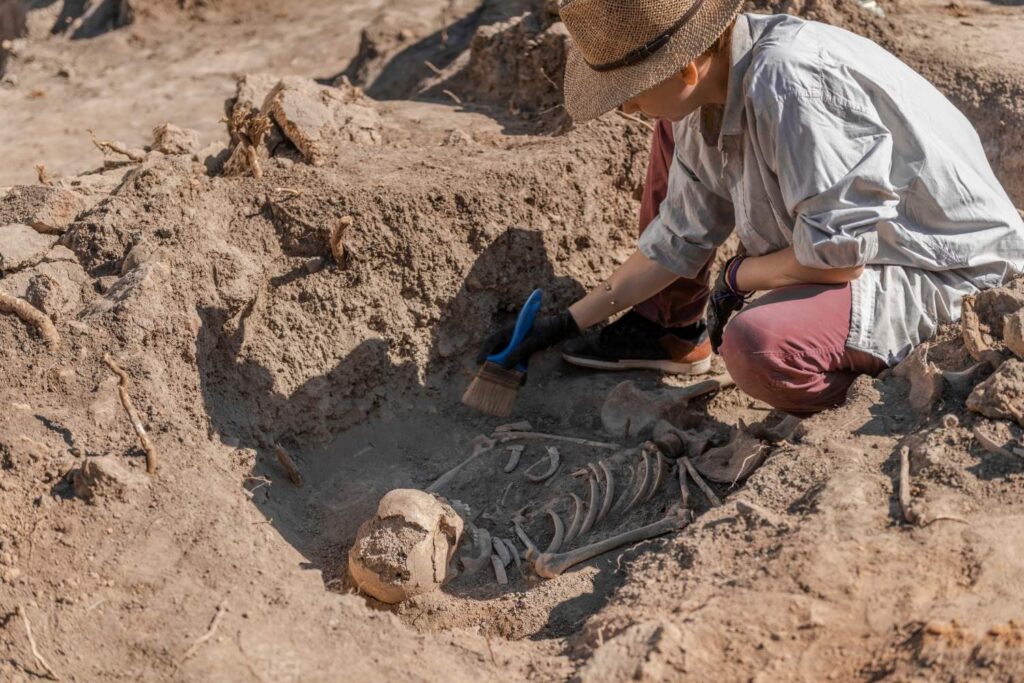
Archaeologists expected refuse pits, foundations, or modest interments beneath the Tower complex. Instead, they encountered carefully arranged burials consistent with high status funerary treatment. The discovery raised immediate questions about who was dying during plague years and why they were buried here. Such placement challenges long standing assumptions that elites avoided mass mortality zones entirely.
The graves included stone lined coffins and deliberate orientation, features associated with wealth and status, according to Historic England. Their presence suggests social rank did not guarantee protection from plague exposure within London’s political heart.
2. A plague era grave alters mortality assumptions.

One burial in particular stood apart due to dating and context. Osteological and stratigraphic evidence placed it squarely in the mid fourteenth century, aligning with the first wave of the Black Death. Its location beneath elite layers unsettled the idea that plague victims were buried separately from privileged dead.
Analysis indicates this grave belonged to an individual who received formal burial rites despite dying during a mass mortality event, as reported by the Museum of London Archaeology. This suggests plague deaths intersected directly with elite spaces rather than being confined to peripheral cemeteries.
3. Written records may understate elite vulnerability.

Medieval chronicles often emphasize noble survival while describing widespread common suffering. Physical evidence now complicates that narrative. The Tower burials suggest elites were not immune, but perhaps recorded differently. Death among powerful families may have been softened, delayed, or obscured in official accounts.
Bioarchaeological analysis reveals stress markers and burial timing consistent with epidemic conditions, as stated by the British Museum research team. These findings imply written sources may reflect social bias more than epidemiological reality during the Black Death.
4. Burial placement reflects crisis decision making.
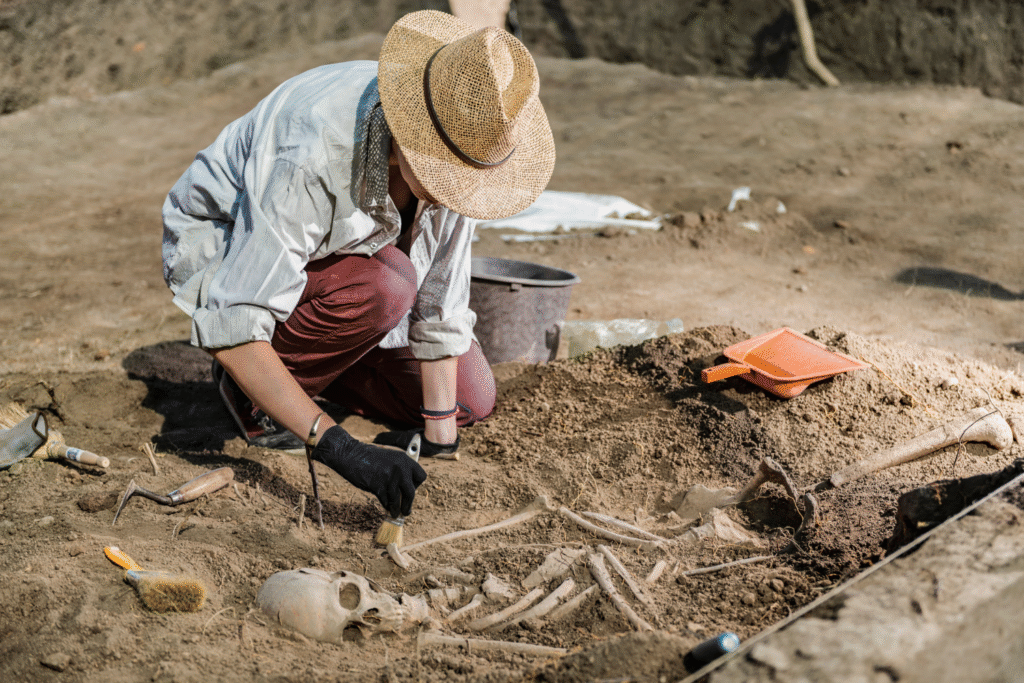
During normal periods, burial locations followed strict religious and social rules. Crisis disrupted those systems. The presence of plague era graves within the Tower grounds suggests emergency decisions overrode custom. Space, speed, and containment mattered more than tradition.
Such choices reveal how institutions adapted under pressure. Rather than relocating bodies far from power centers, authorities appear to have used available consecrated ground. This blurring of sacred and political space hints at how overwhelming the mortality surge truly was.
5. The Tower functioned as more than a fortress.
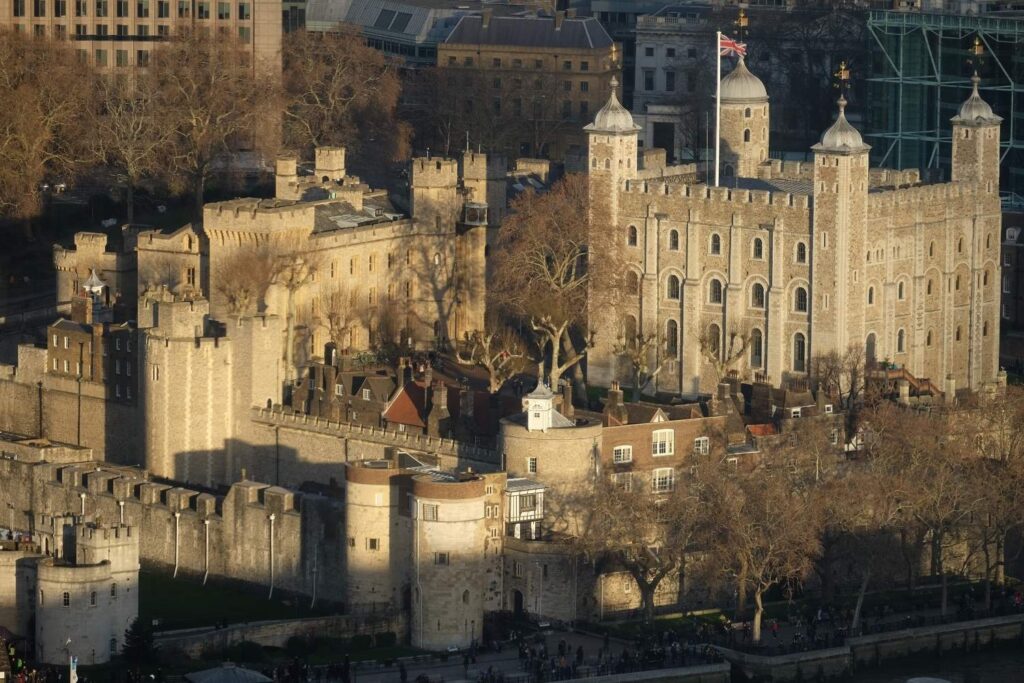
The Tower of London is remembered as a prison and palace, yet archaeology shows it also served practical urban roles during catastrophe. Burials beneath its grounds indicate it became part of London’s emergency infrastructure. That role has rarely been acknowledged.
These findings suggest the Tower was integrated into the city’s response to mass death, not isolated from it. The fortress absorbed functions beyond defense, reflecting how plague reshaped the use of even the most symbolic spaces.
6. Burial evidence suggests unexpected continuity amid chaos.

Mass mortality usually erases routine, yet some Tower burials show deliberate care that feels almost defiant. Coffin construction, body alignment, and spacing imply planning during a moment assumed to be pure emergency. That raises uncomfortable questions about how much order persisted while death accelerated across the city.
Rather than total breakdown, the evidence points to selective continuity. Certain rituals were preserved even as others collapsed. This suggests institutional memory guided burial decisions despite overwhelming pressure. The plague did not produce uniform disorder. It forced choices about which traditions to keep when not all could survive intact.
7. Subtle grave irregularities reveal institutional strain.
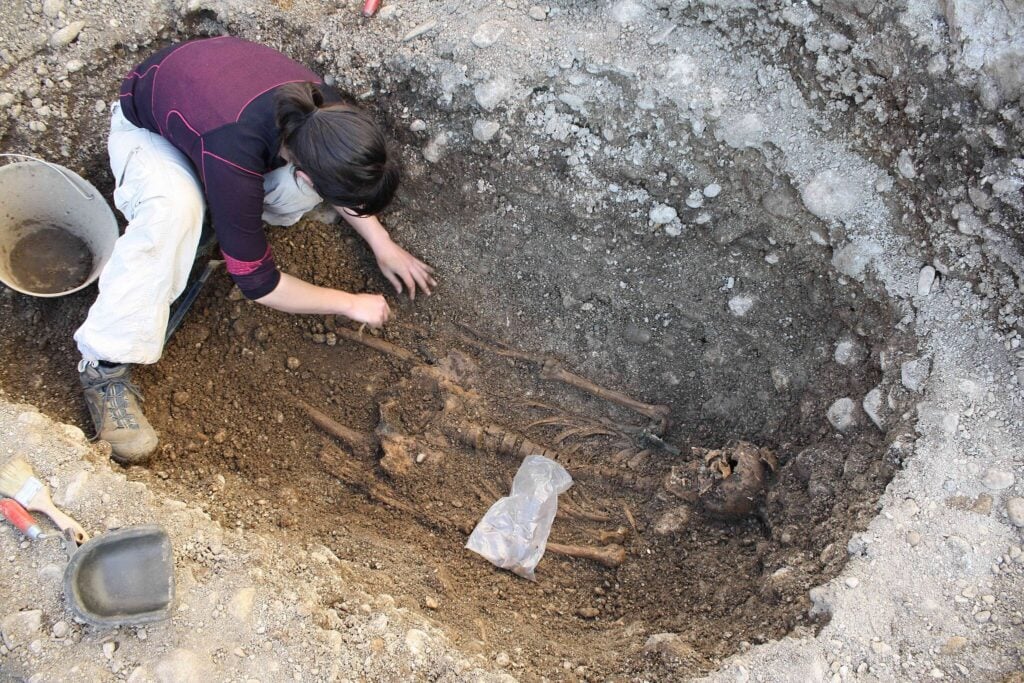
High status burials typically follow predictable orientation and spacing, yet these graves deviate subtly. Such deviations suggest time pressure rather than theological change. When death accelerates, precision erodes first, leaving material clues that stress replaced tradition during plague months.
Archaeologists interpret these patterns as evidence of institutional strain. Ritual shortcuts do not imply neglect but adaptation. The dead were still honored, just faster, revealing how social systems bend without fully breaking under sustained catastrophe. That bending leaves traces only archaeology can recover centuries later when documents fail to record stress accurately during emergencies that distort official memory of events then.
8. Crisis burial decisions blurred civic power boundaries.
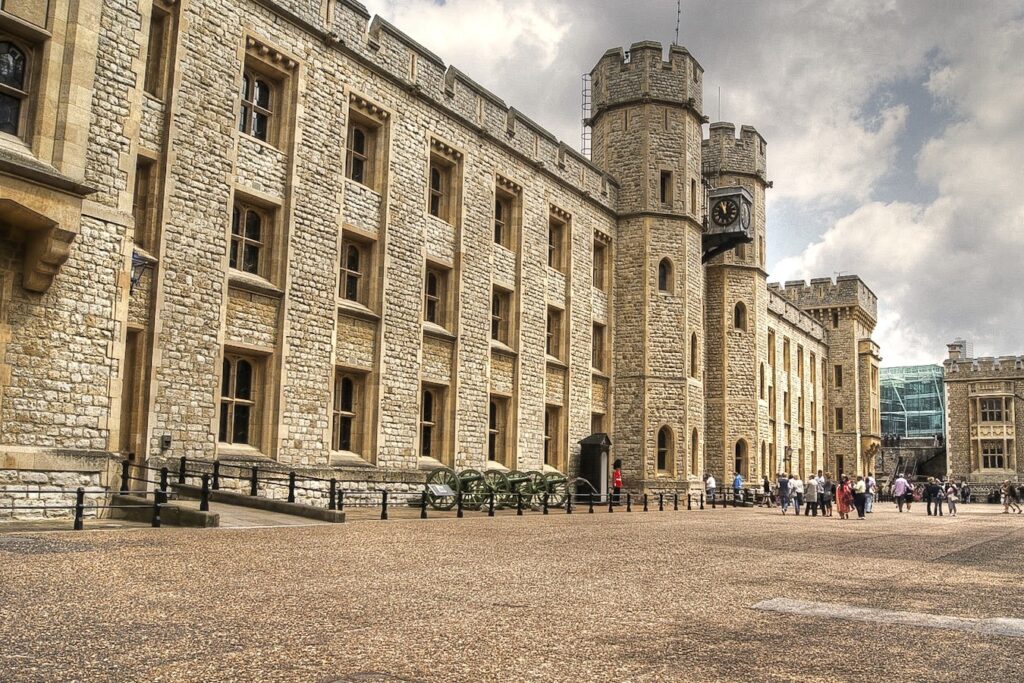
Medieval London relied on parish cemeteries to manage death, but capacity had limits. When those limits failed, authorities used alternative consecrated ground. The Tower burials imply contingency planning reached into political spaces once considered untouchable.
This shift suggests plague governance blurred civic and royal boundaries. Emergency burial choices reveal how power adapted when survival demanded flexibility. These decisions expose the mechanics of crisis management more clearly than surviving texts ever could. They show how institutions respond under pressure rather than ideology during sustained demographic shock events that reshape urban decision making without formal policy guidance from precedent or scripture alone.
9. Elite proximity to plague graves challenges segregation.

Burials beneath the Tower complicate assumptions about who received care. Plague response appears less segregated than historians assumed. Proximity of elite and epidemic graves suggests shared vulnerability within London’s walls.
This does not erase inequality but reframes it. Elites may have had better resources, yet exposure still occurred. Disease crossed social boundaries faster than privilege could prevent, altering how mortality patterns should be interpreted. Archaeology provides counterweight to narratives written by survivors whose perspectives shaped memory and omission during periods of social collapse that favored continuity over uncomfortable truths about death distribution within power centers of medieval cities like London.
10. Archaeological context reframes Black Death mortality models.

These discoveries reshape how historians model Black Death mortality. Numbers alone cannot explain experience. Burial context adds texture that forces reevaluation of risk, response, and remembrance.
The Tower findings suggest mortality patterns were more entangled with power than assumed. Plague did not respect symbolic boundaries. Understanding that entanglement changes how catastrophe is mapped across medieval society. Archaeological context fills gaps left by selective record keeping during crises that overwhelmed administrative systems and exposes human responses behind institutional silence at the heart of medieval authority during periods of demographic collapse that reshaped London permanently in memory and structure thereafter for generations.