
Cold storm threats could upend weekend dog routines.

A powerful winter storm is moving across parts of the United States right now, bringing snow, ice, and rapidly dropping temperatures that are already making conditions hazardous for people and pets. Even before snow piles up, the falling temperatures are disrupting normal routines like walking dogs, including quick bathroom trips. Meteorologists and animal welfare officials are warning that what feels merely cold to humans can be dangerous for dogs. As wind chills plunge, the risk of frostbite and hypothermia rises fast, leaving pet owners unsure how to manage outdoor time safely.
1. Temperatures near or below freezing can harm your dog.
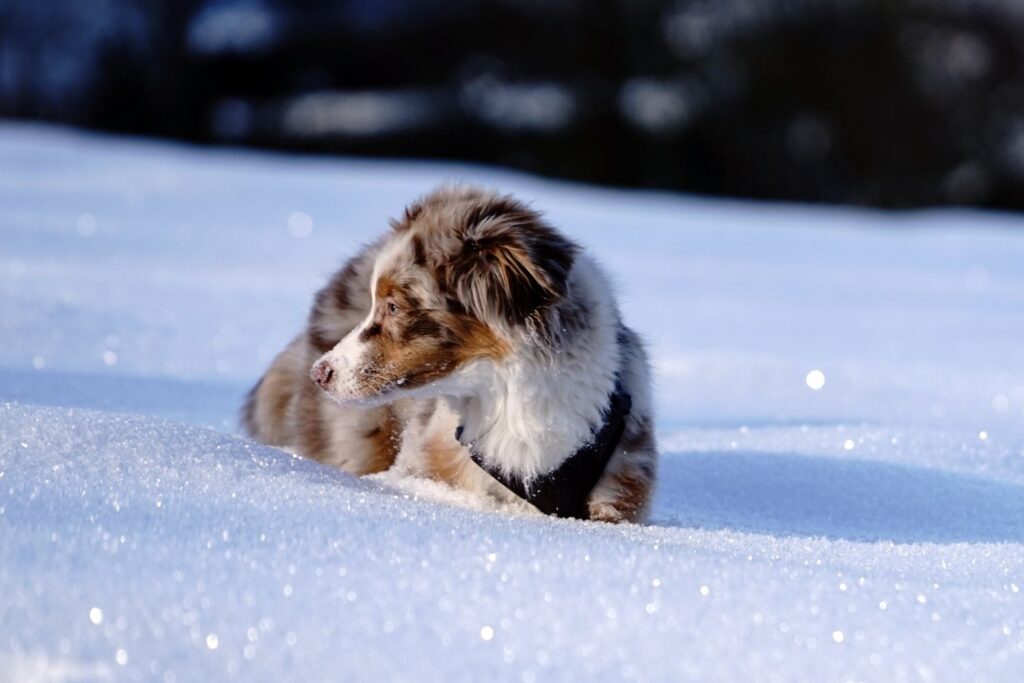
If the forecast hits freezing or lower, normal walks might become risky very quickly. Even brief exposure to temperatures at or below 32 degrees Fahrenheit can lead to frostbite on paws, ears, or tails, especially when wind chill accelerates heat loss. For many dogs, especially small breeds and those with short coats, discomfort sets in long before humans feel clinical cold.
Winter weather guidelines say caution is warranted once the thermometer dips below 32°F, and risk rises sharply as it drops further. Between about 32°F and 20°F, shorter walks with protective gear may be acceptable for hardy breeds, but only under watchful supervision. Below 20°F, experts suggest limiting outdoor time to potty breaks, because hypothermia can develop in minutes. When conditions become dangerously cold for you, they are often worse for a dog’s smaller mass.
2. Smaller or thin-coated dogs lose body heat faster.
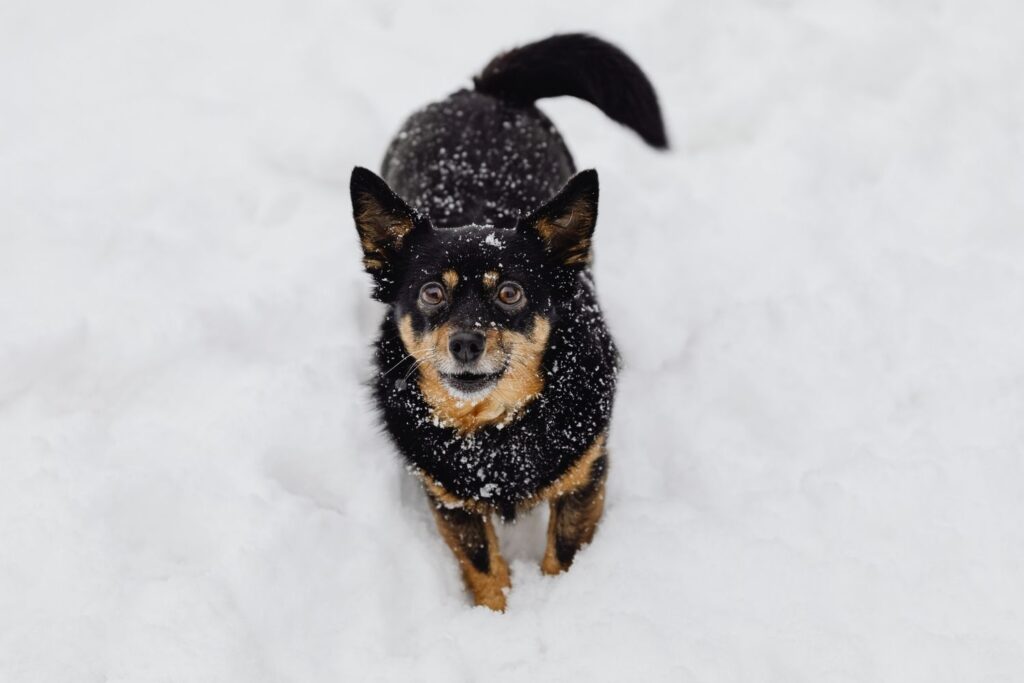
Some dogs are built for cold, like Siberian Huskies and Newfoundlands with dense double coats. Others are not. Short-haired breeds, small toy dogs, puppies, seniors, or dogs with health issues struggle to maintain core temperature when the air is bitter. A bite of wind can feel punishing to a Chihuahua long before it bothers a person in a heavy winter coat.
As temperatures dip below roughly 45°F, cold stress begins for many smaller or less furry dogs, and by the time readings fall under about 20°F, risk is considerable even for medium-sized breeds. Limited blood flow to extremities can cause frostbite quickly on bare pads, and hypothermia looms when shivering intensifies and mobility slows. Observant owners know the signs — shivering, slow gait, whining — and plan activities accordingly when storms approach.
3. Frostbite and hypothermia can develop faster than you expect.
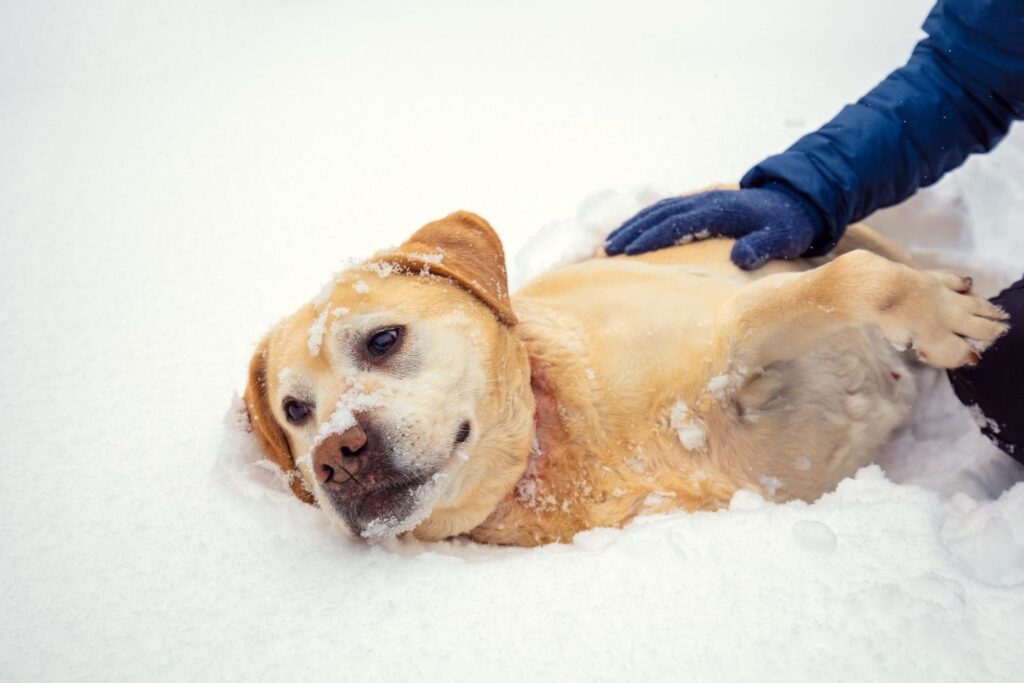
Cold stress doesn’t wait until the thermometer reaches extreme lows. Even moderate winter weather combined with wind and wet ground accelerates heat loss. If your dog’s paws become wet from snow, slush, or ice, the chilling effect intensifies, lowering the threshold where harm begins. Just because a walk feels manageable to you does not mean your dog’s body is handling it the same way.
Frostbite occurs when tissues freeze, especially on pads and ears, and is irreversible without veterinary care if neglected. Hypothermia, a dangerous drop in core body temperature, can follow quickly if your dog stops moving or productivity falls and heat generation slows. In storm conditions with wind and icy surfaces, those mechanisms tighten the window for safe outdoor activity, meaning owners must weigh risks before stepping out.
4. Protective gear can help but is not a full solution.
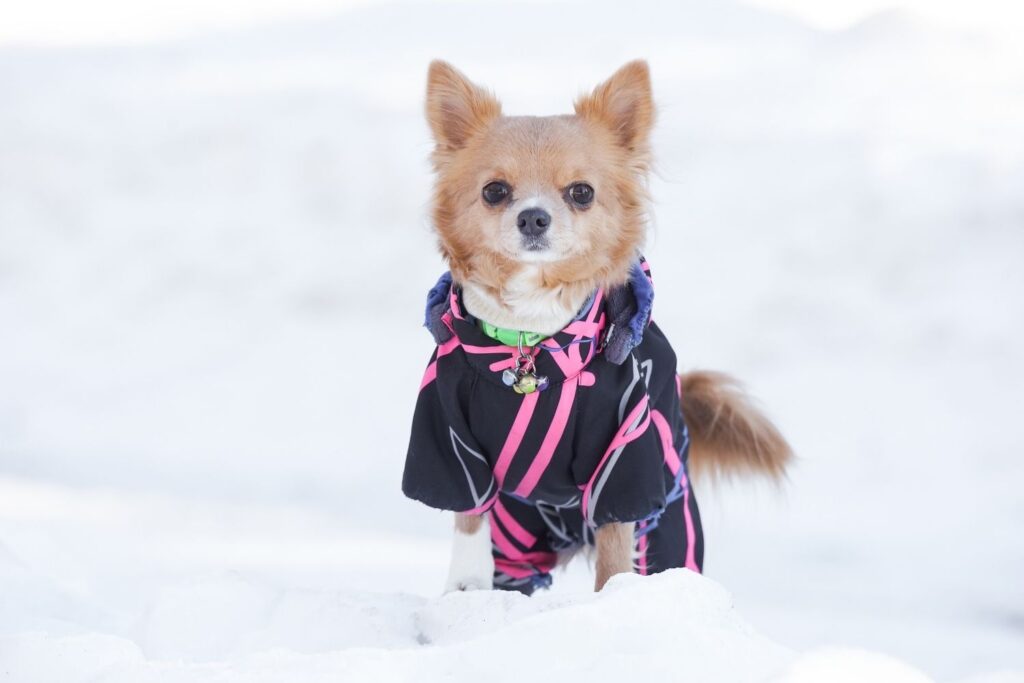
Dog coats, booties, and insulated harnesses are now common gear for winter walks, and in milder cold they can make a difference. A protective jacket helps retain body heat for dogs with thin fur, while booties shield paws from ice, salt, and freezing surfaces. But gear has limits: it does not stop wind chill from drawing heat out, and booties often come off during spirited walking or skidding on slick sidewalks.
Even with protective equipment, experts still recommend limiting outdoor time as temperatures plunge toward dangerous thresholds. If the forecast drops below about 20°F, clothing becomes adjunctive rather than sufficient protection, meaning the priority should be safety rather than endurance. Pet owners should check fit, watch for signs of distress, and be prepared to turn back early if conditions worsen during a walk.
5. Storm hazards extend beyond cold air alone.

It’s not just temperature that complicates dog walks this weekend; the context of a winter storm multiplies danger. Snow and ice make footing treacherous for humans and pets, leading to slips or twisted limbs, while salted pavement and de-icing chemicals can irritate or burn sensitive paw pads. Frozen bodies of water or thin ice present additional risks, especially for curious dogs who venture too close. These layered hazards can turn a simple outing into an emergency in minutes.
The presence of toxic substances like antifreeze and rock salt compounds the problem, because dogs often lick their paws after being outside, ingesting harmful chemicals covertly. The combination of freezing air, slick ground, and chemical exposures creates a suite of hazards that require owners to think beyond just “how cold is it” and consider total storm impact on their dog’s safety and well-being.
6. Wind chill can make safe temperatures suddenly dangerous.
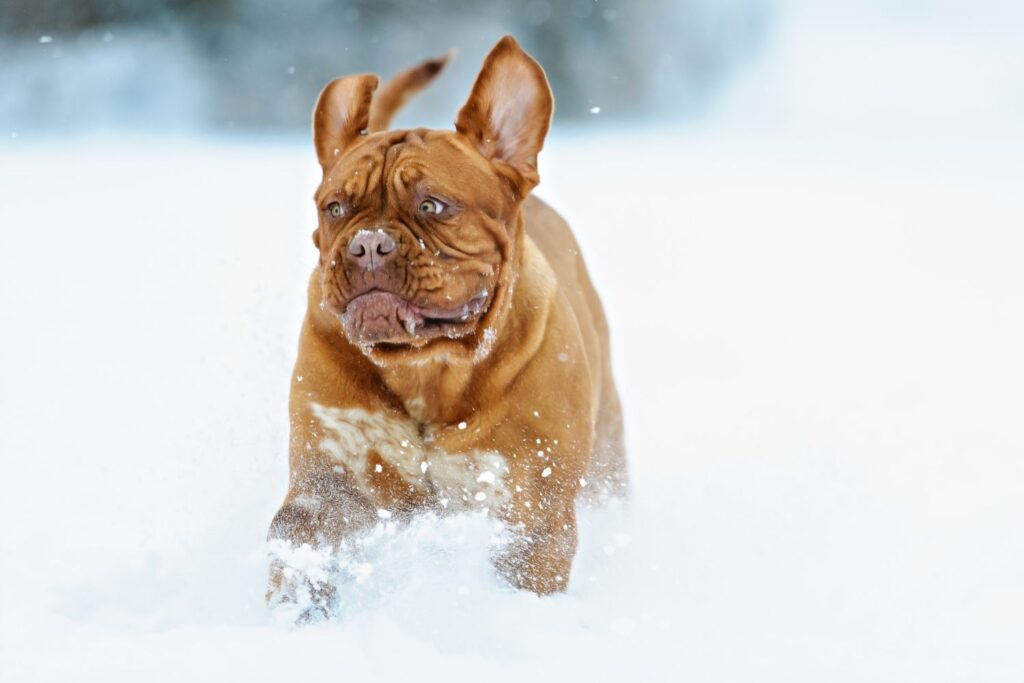
Even when air temperatures look manageable, wind can drastically change the risk equation. Strong gusts strip heat from a dog’s body faster than still air, lowering effective temperature well below the forecast number. What feels brisk to you may feel punishing to an animal closer to the ground where wind tunnels between buildings and parked cars. This rapid heat loss increases stress before owners realize conditions have shifted.
Wind chill shortens the safe window for outdoor exposure. Dogs generate heat through movement, but wind counteracts that benefit quickly. During storms, gust patterns can change mid walk, leaving owners farther from home than planned when danger escalates. That unpredictability is what makes wind chill particularly hazardous during winter systems.
7. Snow and ice reduce your dog’s ability to regulate itself.
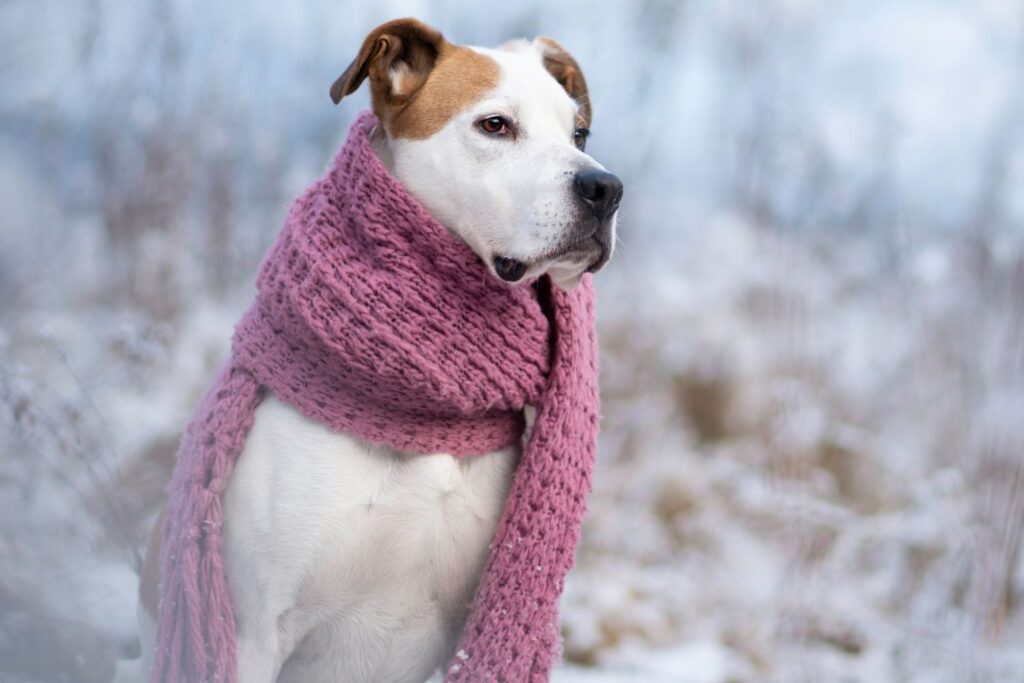
Snow packed between toes and ice clinging to fur disrupt a dog’s natural insulation. Each step becomes harder, forcing the body to expend more energy just to move forward. Fatigue sets in faster, and tired muscles generate less heat. Dogs may not signal distress immediately, pushing past discomfort until their body temperature drops sharply.
Icy conditions also limit a dog’s ability to retreat quickly. Slipping slows progress and increases exposure time. When movement becomes inefficient, heat loss accelerates. This is why short walks can become risky during storms, even if temperatures alone seem borderline acceptable.
8. Older dogs and puppies face elevated cold weather risks.

Age dramatically alters how dogs respond to cold. Puppies lack fully developed temperature regulation, while senior dogs often have reduced circulation and joint stiffness that limits movement. When muscles and joints resist motion, heat production drops, leaving these dogs vulnerable sooner than healthy adults. Storm conditions amplify those vulnerabilities.
Health conditions common in older dogs, including arthritis and heart disease, reduce tolerance for cold stress. Puppies, meanwhile, may not recognize danger at all. Owners should treat these groups as high risk during storms, prioritizing indoor solutions when temperatures and wind intensify beyond mild exposure.
9. Bathroom needs still matter even when walks stop.

Skipping walks does not eliminate a dog’s need to relieve itself. Holding urine too long can cause discomfort or urinary issues, particularly for older dogs. During storms, owners must balance exposure risk with physical necessity, which creates difficult decisions under time pressure and poor conditions.
Short, supervised potty breaks close to home are often safer than full walks. Some owners use cleared areas, indoor pads, or sheltered yards temporarily. The key is minimizing exposure duration rather than forcing routine. Storm conditions require flexibility, not adherence to normal schedules.
10. Indoor enrichment becomes essential during severe cold.

When outdoor activity drops, dogs still need mental and physical engagement. Without it, boredom and anxiety rise quickly, leading to destructive behaviors or restlessness. Cold snaps often disrupt routines longer than expected, making indoor stimulation critical rather than optional.
Puzzle feeders, scent games, training refreshers, and supervised play can offset reduced exercise. These activities burn mental energy without risking exposure. Storm weekends are not failures of routine but moments to adapt. Maintaining engagement indoors helps dogs stay balanced until safe outdoor conditions return.