
Longevity in horses follows patterns owners rarely see.
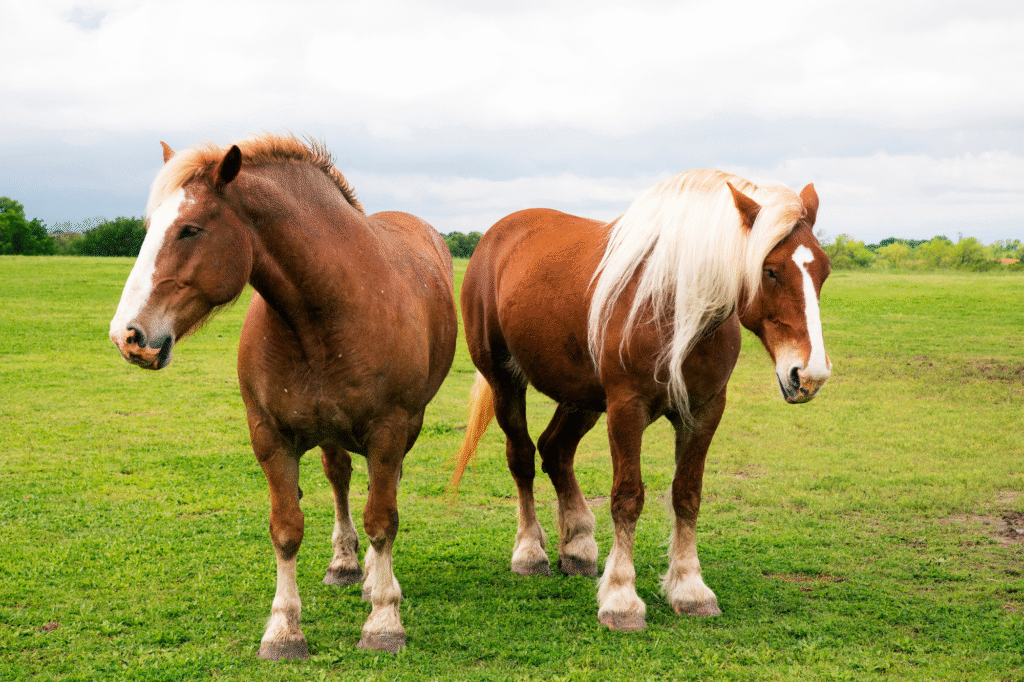
Two horses can share a pasture, a birthday, and a caretaker yet age at startlingly different speeds. One remains alert and mobile into their thirties while another struggles before twenty. Veterinarians see this divide everywhere and it unsettles owners who believe good care guarantees long life. Aging in horses is not random. It reflects genetics, early growth, workload, and invisible stresses that compound quietly. What looks sudden is usually decades in the making long before symptoms ever clearly appear publicly.
1. Genetics establish aging limits long before training begins.

Some horses are born with resilient connective tissue, efficient metabolism, and strong immune regulation. Others inherit vulnerabilities that remain invisible for years, creating confidence that later collapses. Early life rarely signals which bodies will endure sustained stress and which will not.
Breed lines, metabolic efficiency, and tissue quality shape how organs age. Genetics do not determine fate alone, but they establish ceilings. Management decides whether a horse approaches those limits slowly or crashes into them early. Those boundaries exist regardless of training style, nutrition trends, or well intentioned care choices made during formative early developmental years across the lifespan overall.
2. Rapid growth in youth accelerates later physical decline.
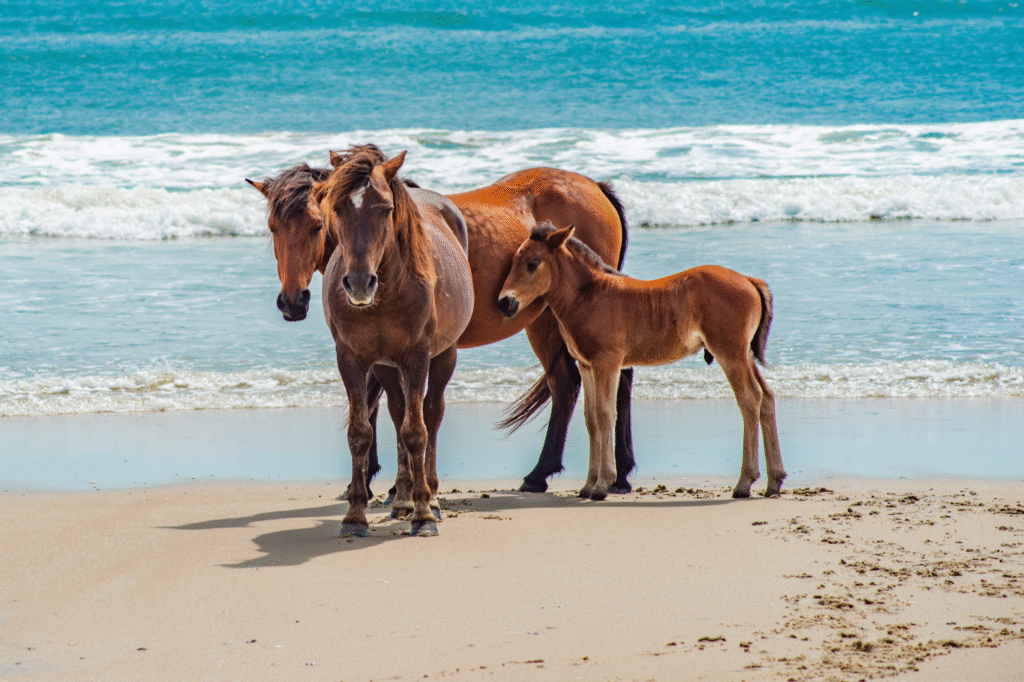
Young horses pushed to grow quickly often impress early buyers and trainers. Height and muscle arrive fast, while bones and joints lag behind, storing damage quietly. The consequences may not appear until years later.
Slower development allows tissue to mineralize and align properly. Feeding intensity, turnout, and patience during youth echo across decades. Longevity frequently traces back to how deliberately growth was managed before work intensified. Horses rushed forward often pay physically long after careers change or end. Those early months quietly decide resilience, durability, and future comfort well beyond youthful performance milestones alone that owners celebrate at first publicly.
3. Intense workloads shorten cellular lifespan over time.

Horses in intense work age faster even without visible injury. Repetitive strain creates microscopic damage that accumulates beneath fitness and muscle tone. Performance masks cost until recovery slows.
Moderate varied workloads preserve tissue repair capacity. Rest intervals matter as much as effort. Longevity reflects not just what a horse does, but how consistently the body is allowed to recover. Without recovery, cells age faster and resilience declines year by year. Training philosophies determine whether aging accelerates or remains gradual even when outward performance still appears strong and applauded by competitive environments that reward intensity over longevity too often long term.
4. Dental balance governs nutrient absorption across decades.
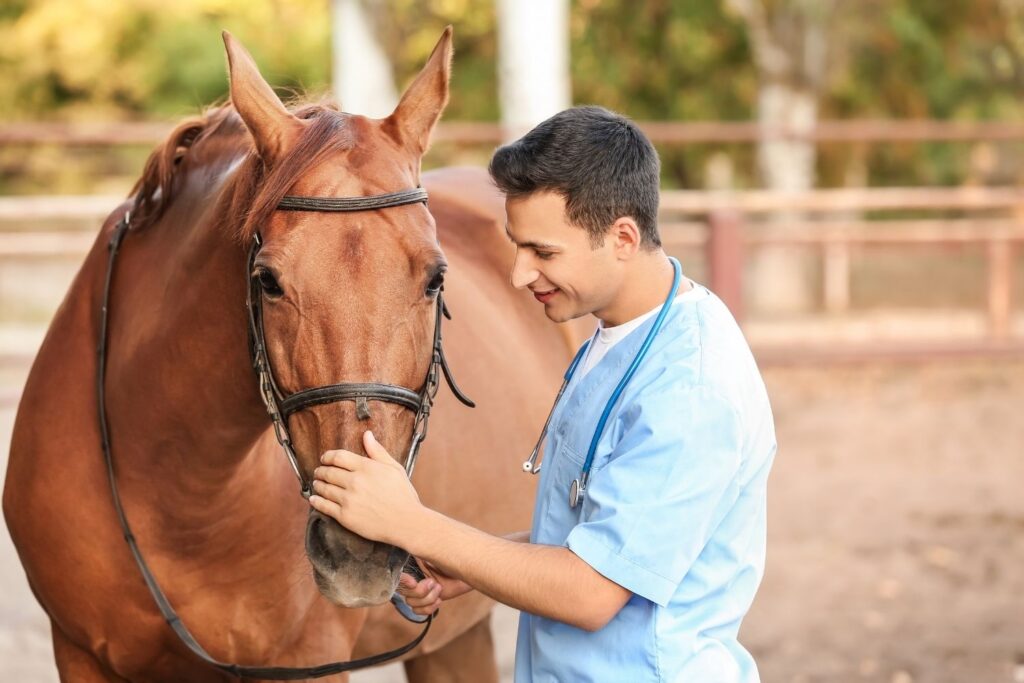
Teeth govern how efficiently horses extract nutrition from feed. Imbalance leads to weight loss, inflammation, and digestive strain that quietly accelerates aging. The decline is gradual and easily missed.
Consistent dental care supports metabolic stability. When chewing remains effective, nutrition fuels repair. When it fails, the entire body ages faster regardless of feed quality. Long term deficiencies reduce immune function and joint resilience. Small dental problems ripple outward across systems over years. Attention delayed allows aging to compound invisibly until reversal becomes far more difficult later than early preventative intervention ever would have been initially noticed by caretakers over time.
5. Metabolic disorders quietly reshape aging trajectories.
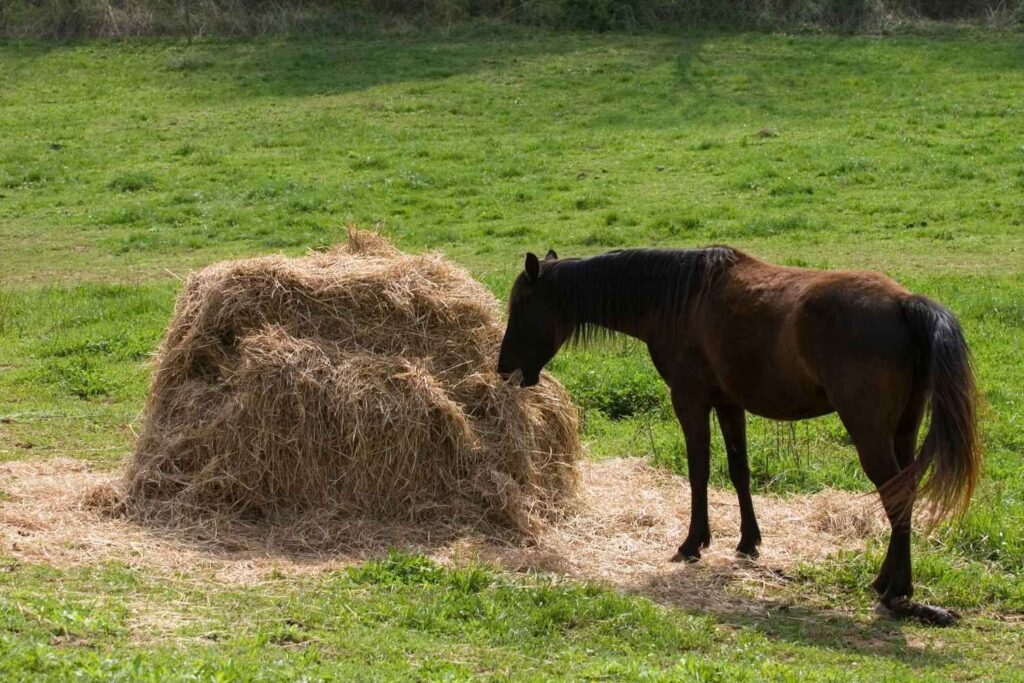
Metabolic disorders alter aging from the inside. Hormonal imbalance and insulin dysfunction increase inflammation and weaken repair processes long before diagnosis. Outward health may appear unchanged.
Early management slows damage. Without intervention, stress compounds and aging accelerates. Metabolic health often determines whether a horse thrives into later decades or declines early. These conditions reshape immune response, circulation, and tissue regeneration. Subtle signs precede visible decline by many years. Routine monitoring determines whether aging remains manageable or silently accelerates beneath normal appearances until multiple systems fail simultaneously leaving fewer effective treatment options available later in life for owners to address safely.
6. Hoof balance influences long term joint preservation.
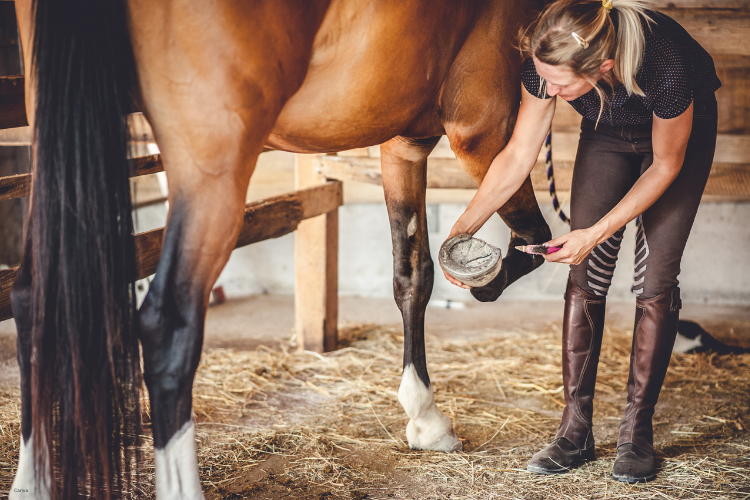
Hooves dictate how force travels through a horse’s body with every step. Even small imbalances shift strain upward into joints, tendons, and the spine. Damage accumulates slowly, making decline feel sudden later.
Consistent, skilled farriery preserves alignment and efficiency. Horses that move comfortably waste less energy and suffer fewer compensatory injuries. Soundness into old age is often traced back to decades of balanced hoof care rather than dramatic medical intervention later when degeneration is already advanced and difficult to reverse.
7. Chronic stress alters hormonal aging mechanisms.

Stress reshapes biology. Horses exposed to constant instability, frequent transport, social disruption, or unpredictable routines show accelerated internal aging even when physically fit. Cortisol remains elevated, suppressing immunity and increasing inflammation.
Stable environments support hormonal balance and cellular repair. Predictable routines reduce physiological wear. Emotional safety is not abstract. It directly influences how tissues heal, how immune systems function, and how long resilience is preserved across the lifespan of the horse.
8. Nutrient balance matters more than calorie abundance.
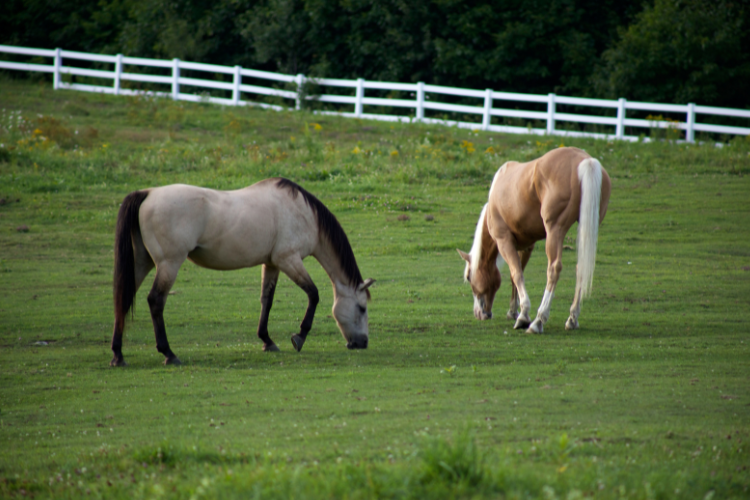
Feeding more does not mean feeding better. Excess calories without proper nutrient balance accelerate metabolic stress. Deficiencies erode tissue repair quietly, long before weight changes signal concern.
Precision nutrition supports longevity. Diets adjusted for age, workload, and health status preserve organ function. Horses age faster when nutrition is mismatched, even if they appear well fed. Balance, not volume, determines whether aging remains gradual or accelerates unseen.
9. Injury rehabilitation decisions shape aging outcomes.
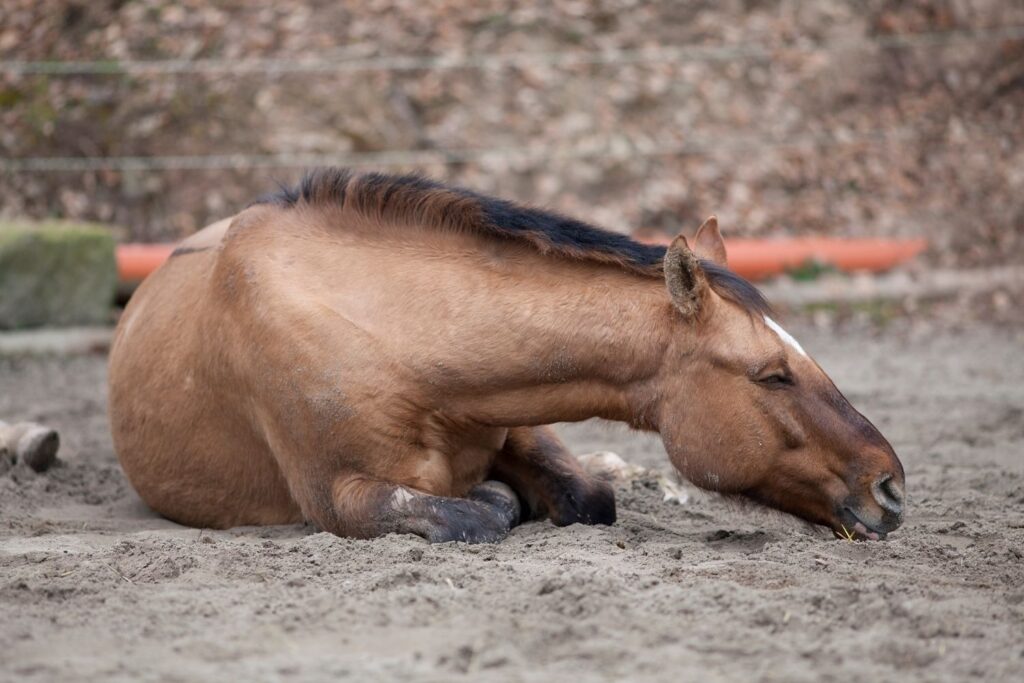
Injuries do not end when wounds close. Poor rehabilitation alters movement permanently, forcing compensation that accelerates joint degeneration and chronic pain. Aging speeds up around unresolved damage.
Horses given time and structured recovery often regain long term soundness. Those rushed back to work age faster regardless of talent or toughness. Injury history frequently predicts lifespan quality more accurately than age itself or competitive success earlier in life.
10. Consistency of care determines biological aging speed.
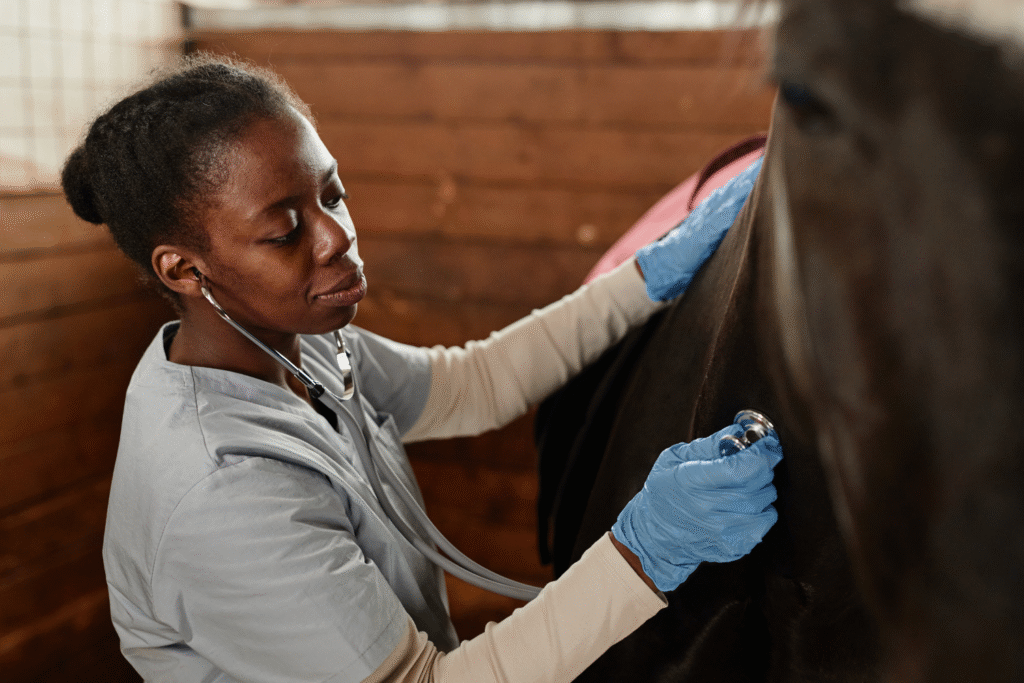
Horses thrive on predictability. Frequent changes in routine, handling, or management force constant adaptation. Each adjustment carries physiological cost that compounds over years.
Long lived horses share stable, attentive care. Consistency allows repair systems to function efficiently. Aging slows when the body is not repeatedly pushed into stress response. Longevity often reflects steadiness more than any single supplement, treatment, or training method applied later.