
Everyday language can quietly damage feline trust.
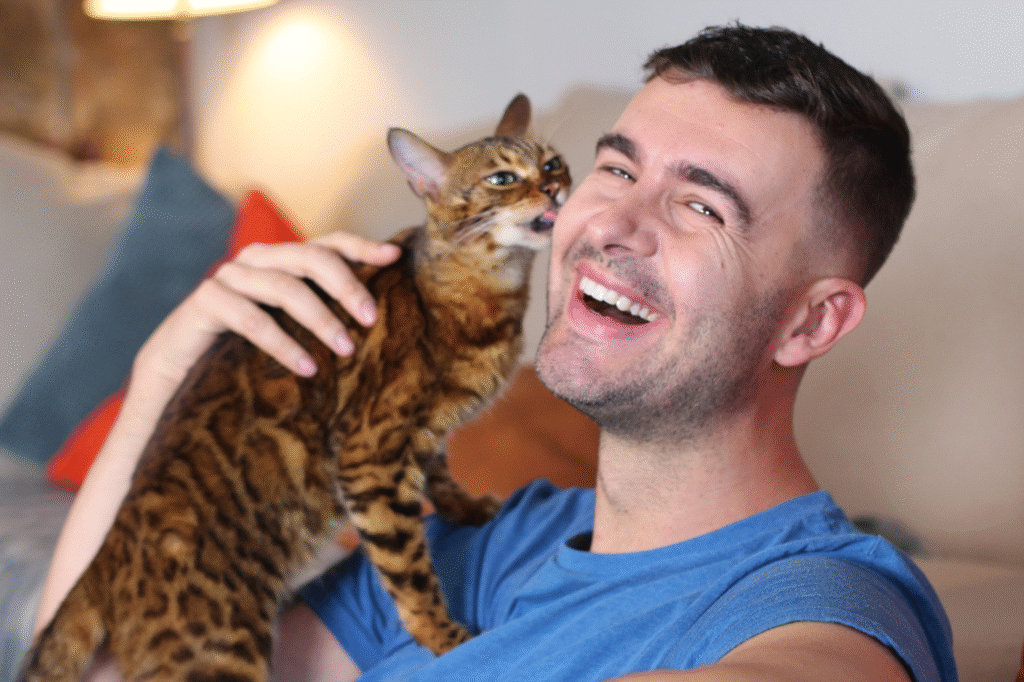
Cats do not build trust through affection alone. They assess safety through patterns, tone, and predictability, especially inside the home. Words humans repeat casually can become markers for stress, restraint, or loss of control. Behaviorists note that cats often react less to actions than to the sounds that reliably precede them. Over time, certain phrases signal trouble before it arrives. The result is distance that feels sudden but has been forming slowly. Understanding how common words become emotional cues helps explain why trust erodes even in calm, loving households.
1. No often signals unpredictability instead of clear boundaries.
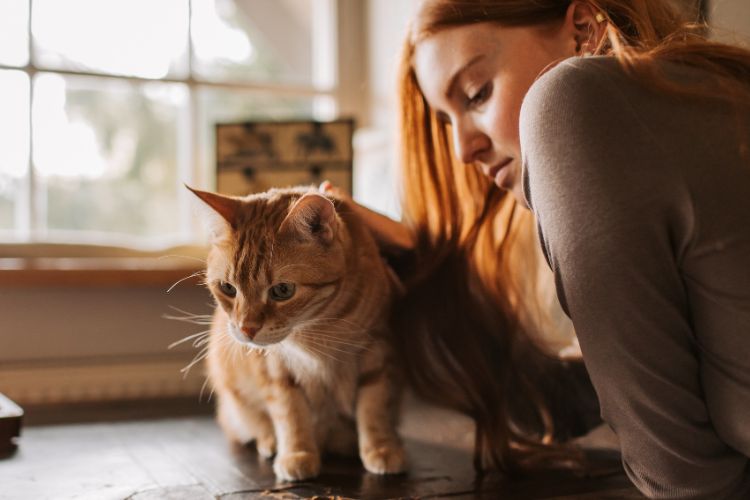
When owners shout no, the sound usually arrives suddenly and with emotional force. For cats, that sharp disruption feels less like guidance and more like threat. Over time, the word becomes associated with tension rather than information.
Cats do not interpret verbal correction as instruction. They learn through consequence and environment. Repeated no teaches avoidance of people, not understanding of behavior. Trust weakens as the cat anticipates interruption whenever interaction begins.
2. Bad attaches rejection directly to the cat.
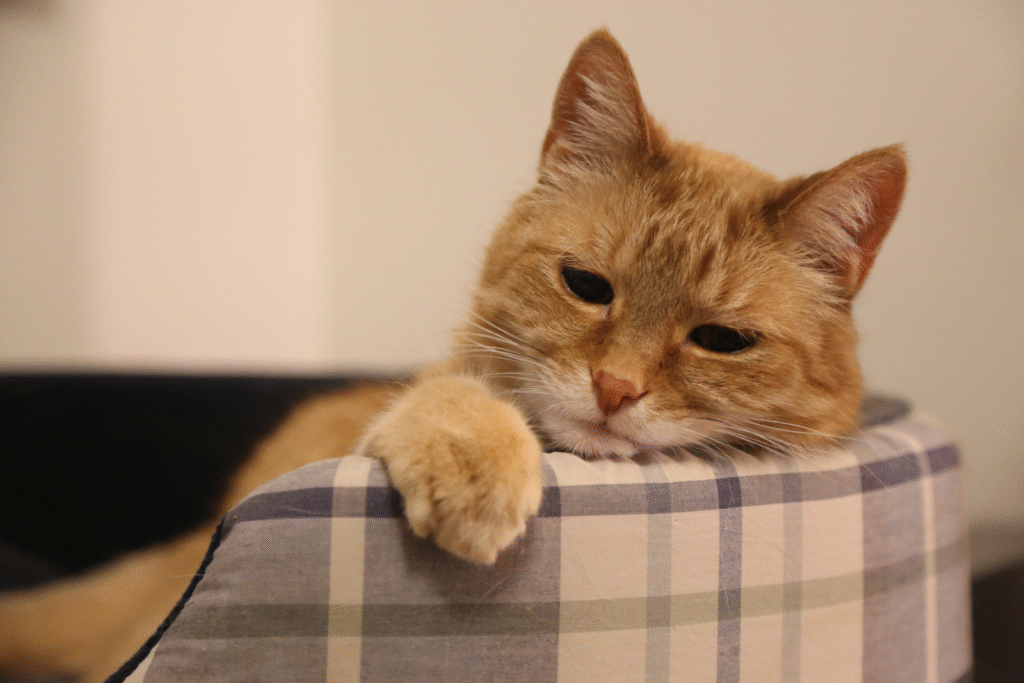
Calling a cat bad ties negative emotion to presence, not action. Tone matters more than meaning, and harsh vocal cues register as social rejection. Over time, this erodes confidence around humans.
Cats do not understand moral labels. They understand safety and risk. When bad accompanies frustration, the cat learns that closeness triggers emotional discomfort. Withdrawal follows, reducing trust and voluntary interaction.
3. Stop creates tension without offering security.
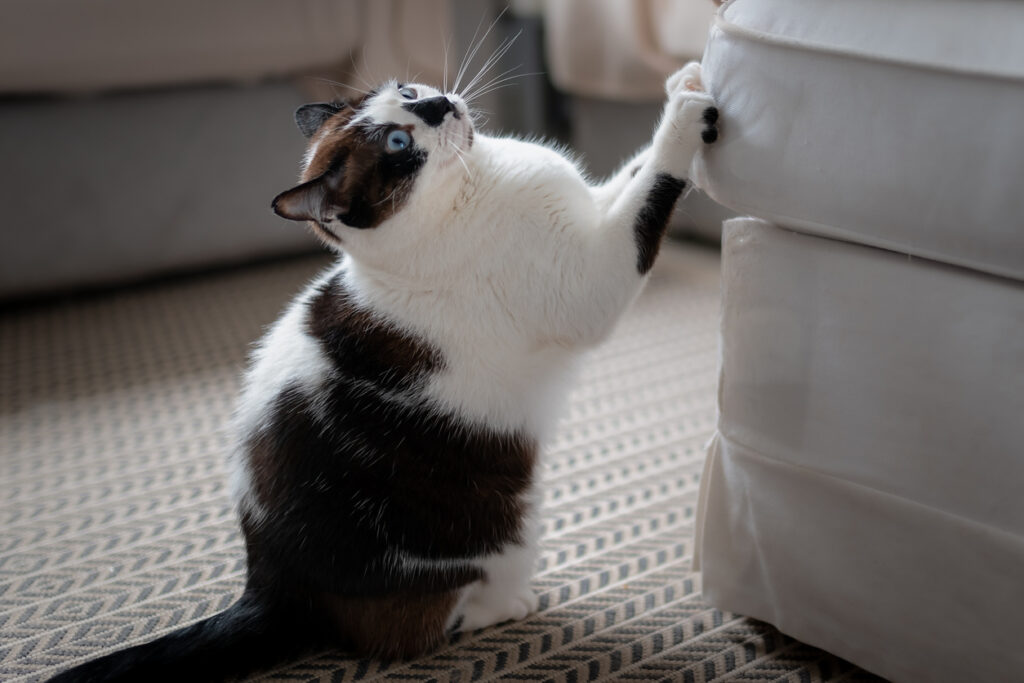
The word stop is often used during natural behaviors like scratching or climbing. The sudden interruption increases startle response rather than clarity.
Without an alternative behavior offered, stop becomes associated with disruption. Cats lose predictability. Trust declines as shared spaces feel less safe and more reactive.
4. Get down challenges a core safety instinct.

Cats seek height to regulate stress. Repeating get down often coincides with physical approach, amplifying perceived threat. Height becomes contested territory.
When vertical access is verbally punished, cats lose a primary coping mechanism. Stress increases. Human voices become linked with forced vulnerability, weakening trust rather than reinforcing safety.
5. Come here removes choice and increases resistance.

Cats value choice in social interaction above almost everything else. When owners say come here, it often predicts restraint, carriers, medication, or nail trimming. The phrase becomes a warning signal rather than an invitation. Over time, cats hesitate, freeze, or retreat the moment they hear it spoken.
Cats learn patterns rapidly and remember outcomes tied to sound. When words consistently precede loss of control, avoidance becomes logical self protection. Trust weakens because communication feels deceptive. Invitations lose meaning when autonomy disappears immediately afterward. Reliability matters more than friendliness in feline relationships built over daily shared experiences with their human caregivers.
6. It’s okay links reassurance directly to distress.

Owners often say it’s okay during stressful moments like vet visits or loud noises. Cats associate the phrase with fear because it consistently accompanies distress. Reassurance becomes a predictor of discomfort rather than safety, undermining emotional signals.
Cats rely on context, not reassurance language. When calming words coincide with restraint, the nervous system links sound to threat. Over time, trust erodes because human speech no longer matches outcomes. Silence or distance begins to feel safer. Predictability matters deeply to feline emotional security within shared environments.
7. Calm down escalates arousal instead of reducing it.
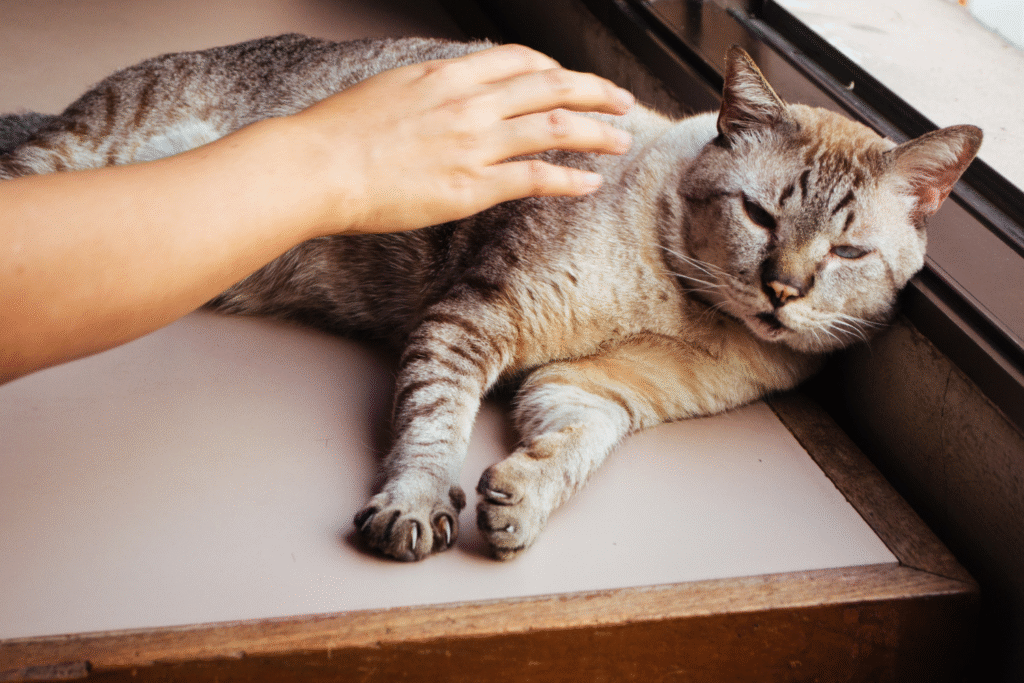
Saying calm down during heightened moments often escalates situations. The phrase is usually spoken louder, faster, and with tension. Cats perceive urgency, not reassurance, and arousal intensifies rather than fades.
Cats regulate stress through reduced stimulation. Verbal commands during arousal add sensory input when the nervous system needs less. Over repeated exposure, human voices become part of the stress trigger itself. Trust suffers because presence no longer signals relief. Lowering tone, slowing movement, and increasing distance support calming far more effectively. Consistency over time rebuilds safety without verbal pressure especially during moments when cats feel overwhelmed by surrounding environments alone.
8. Don’t conditions anticipation of punishment.

The word don’t frequently precedes punishment or force. Cats learn that it signals imminent loss of safety. Anticipation triggers defensive responses before action even occurs.
Without context, don’t offers no information about what is expected. It functions as a threat marker rather than guidance. Over time, cats associate human speech with interruption and danger. Trust diminishes as avoidance becomes the safest option. Predictable environments and nonverbal redirection preserve security without escalating fear responses. Repeated verbal negatives replace learning with anxiety driven withdrawal which erodes relational trust across daily interactions over months and years of shared living inside the same home.
9. Wait creates uncertainty without reinforcement clarity.

Wait is often used inconsistently around food, doors, or movement. Cats cannot predict duration or outcome. Uncertainty increases stress rather than patience.
Cats thrive on clear patterns. When cues shift without reinforcement, anxiety grows. Ambiguous commands create frustration rather than cooperation. Trust declines as communication feels unreliable. Consistency and follow through matter more than verbal instruction in feline learning. Clear routines reduce stress by making outcomes predictable. When cats understand what follows, confidence replaces vigilance. This stability strengthens trust without relying on confusing spoken cues over repeated daily interactions within shared household spaces and routines that cats navigate constantly together.