
Devotion collides with modern household realities.
Across shelters in the United States, intake records reveal a painful pattern. Dogs described as deeply loyal and emotionally bonded are surrendered at disproportionate rates. These are not distant or aloof animals. They are dogs that attach hard and stay close. Families adopt believing loyalty guarantees harmony. Instead, devotion amplifies stress when routines shift, housing tightens, or expectations fail. The outcome is rarely cruelty. It is overload. These dogs remain loyal to the end. The question is why that loyalty so often becomes the very reason families feel they cannot keep them.
1. German Shepherds unravel when family structure suddenly changes.
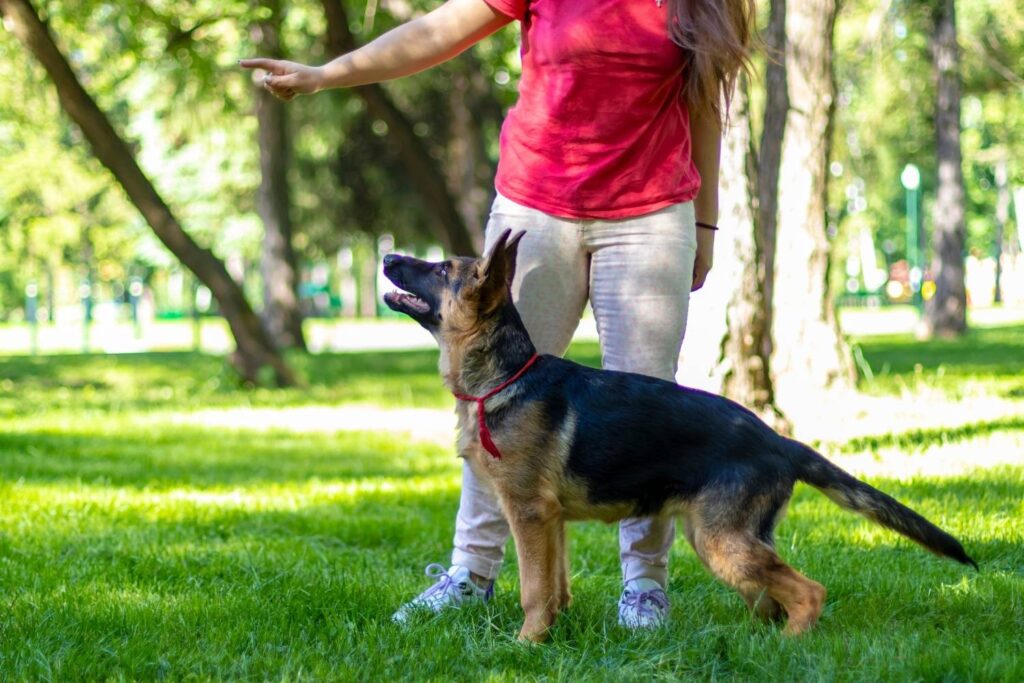
German Shepherds bond deeply to routine, hierarchy, and predictable leadership. When households experience divorce, relocation, or shifting work schedules, these dogs often show anxiety through pacing, guarding behavior, or constant shadowing. Families feel watched and overwhelmed, interpreting the behavior as instability rather than distress. Tension escalates as the dog tries harder to restore order that no longer exists.
Bred for structured partnership, German Shepherds attempt to compensate when stability disappears. Without clear guidance, loyalty intensifies into control behaviors. Families misread devotion as dysfunction, surrendering dogs whose needs exceeded preparation rather than affection.
2. Labrador Retrievers overwhelm families with attachment driven anxiety.

Labradors are intensely people focused and struggle when left alone unexpectedly. Separation anxiety can appear as destruction, nonstop vocalization, or attempts to escape. Families face complaints, property damage, and emotional exhaustion. The dog’s distress dominates daily life.
Developed for constant human collaboration, Labradors experience isolation as threat. Without gradual independence training, anxiety escalates. Families often label the behavior stubborn or manipulative. Loyalty becomes exhausting without support, leading to surrender despite strong emotional bonds on both sides.
3. Border Collies deteriorate rapidly without purposeful engagement.

Border Collies attach strongly to both people and tasks. In inactive households, their intelligence has nowhere to go. Obsessive behaviors emerge, including pacing, herding children, or fixation on objects. Families feel controlled rather than accompanied.
Bred for constant problem solving, Border Collies require mental labor to stay regulated. Loyalty expresses itself as relentless attention. Without outlets, frustration replaces harmony. Families surrender dogs they love, believing they failed, when the environment never matched the breed’s needs.
4. Australian Shepherds struggle inside chaotic family environments.
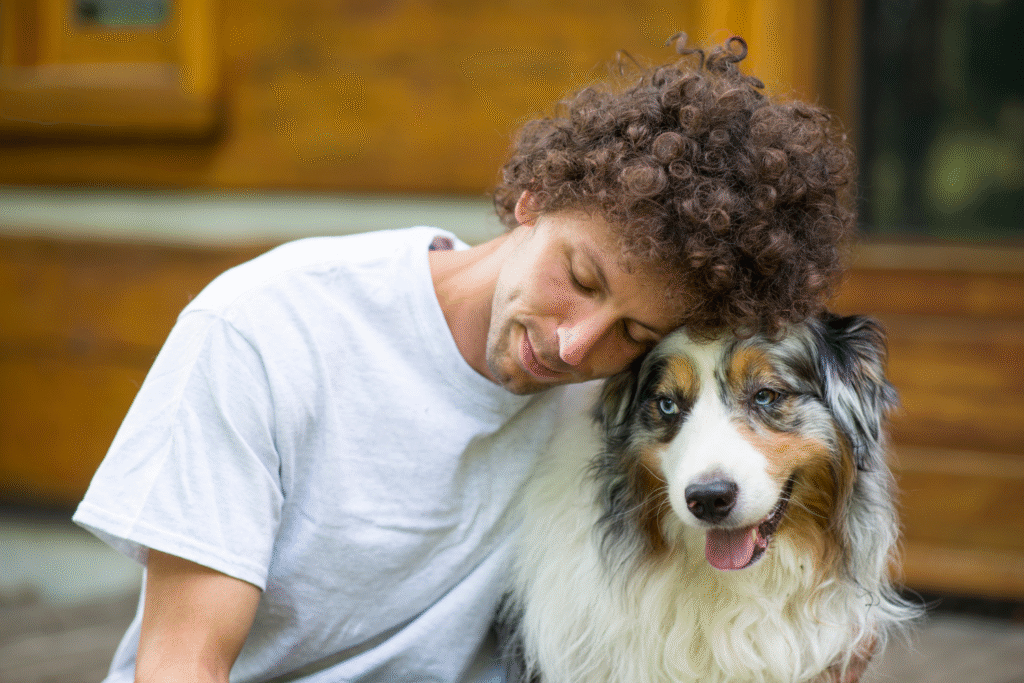
Australian Shepherds monitor their families closely and react strongly to noise, visitors, and schedule changes. In busy homes, they remain constantly alert. Over time, vigilance turns into reactivity. Families feel judged by their own dog.
This breed evolved to manage complex group movement. Without structure, protective instincts escalate. Loyalty becomes hyperawareness. Families fear potential incidents and choose surrender, mistaking stress responses for aggression rather than unmet need for clarity.
5. Pit Bull type dogs lose homes due to external pressure.

Pit Bull type dogs are among the most people oriented and loyal companions. Yet families face breed bans, insurance exclusions, and landlord restrictions. Moves become crises. Love does not override policy.
Despite stable behavior, surrender follows paperwork rather than conduct. These dogs cycle through shelters not because of temperament, but because loyalty offers no protection against systemic barriers. Families grieve while dogs lose homes repeatedly, punished for identity rather than actions.
6. Dobermans unravel when emotional bonds are disrupted.

Dobermans form intense attachments to their primary people and orient their entire sense of safety around that bond. When schedules change, babies arrive, or attention shifts, anxiety emerges quickly. Families may notice clinginess, pacing, or defensive behavior that feels sudden and alarming.
Bred for personal protection, Dobermans interpret emotional distance as danger. Without reassurance and structure, stress escalates. Families misread anxiety as aggression. Loyalty becomes frightening rather than comforting. Surrender follows when emotional needs exceed what busy households believe they can manage.
7. Boxers exhaust families with relentless social dependence.

Boxers are playful, affectionate, and deeply people oriented. Their loyalty shows through constant contact seeking, physical closeness, and demand for interaction. In busy homes, this becomes overwhelming. Families feel followed and unable to rest.
Originally bred for companionship and work, Boxers expect engagement. Without outlets, behavior turns intrusive. Jumping, mouthing, and attention seeking escalate. Families grow exhausted rather than bonded. Surrender reflects burnout, not lack of love, when loyalty requires more energy than households can sustain long term.
8. Huskies overwhelm owners with conflicting loyalty and independence.
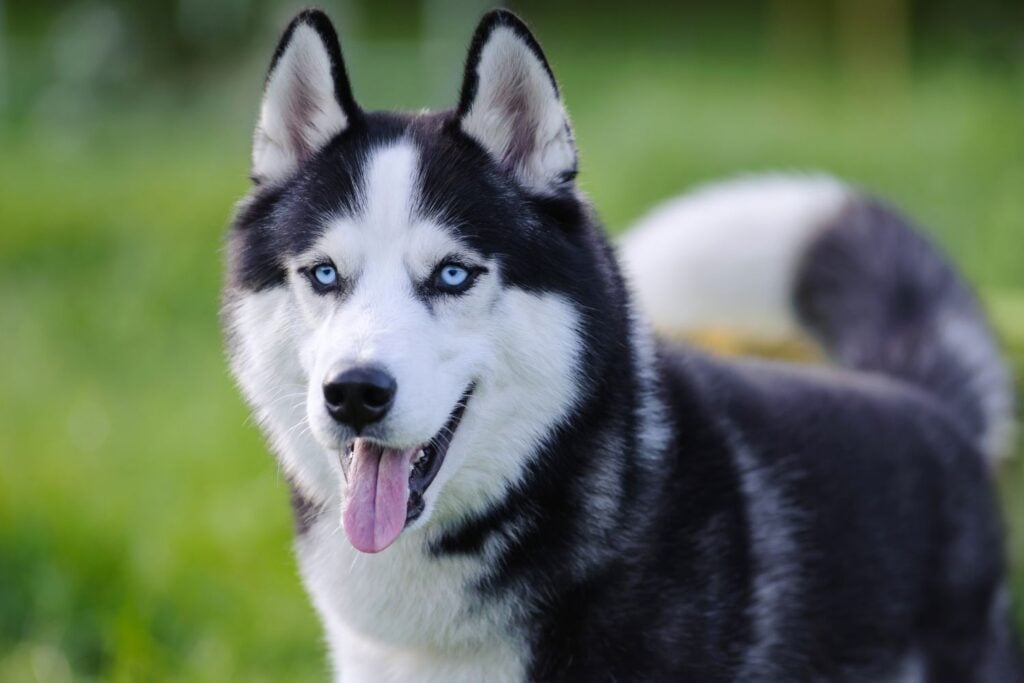
Huskies bond strongly but retain independent instincts. Families expect obedience from a loyal dog and instead face escape attempts, vocalization, and defiance. The mismatch creates frustration and fear.
Bred for endurance and decision making, Huskies struggle in confined routines. Loyalty does not override instinct. Without extensive exercise and structure, behavior deteriorates. Families surrender dogs they adore, realizing affection alone cannot meet the breed’s physical and mental demands.
9. Rottweilers lose homes over misunderstood protective instincts.
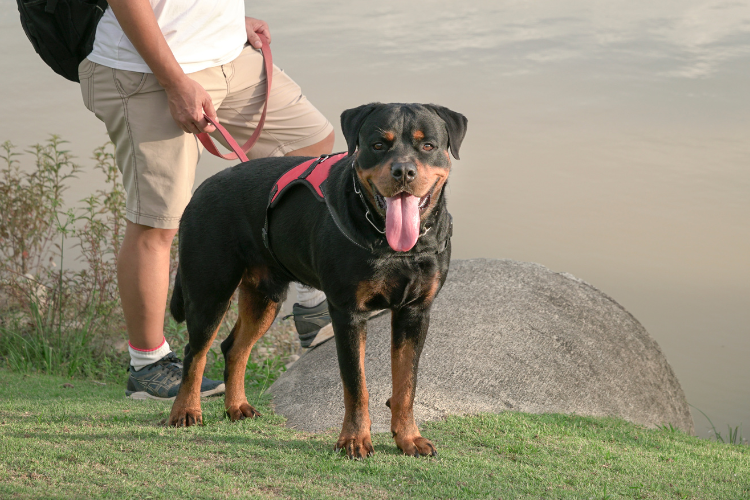
Rottweilers form deep bonds and take protection seriously. In family environments, this can surface as guarding behavior that alarms visitors or neighbors. Families fear liability even when incidents never occur.
Bred to guard livestock and people, Rottweilers require experienced leadership. Without it, protection escalates into tension. Families surrender out of fear, mistaking devotion for danger rather than guided responsibility.
10. Great Danes strain families through size amplified dependence.
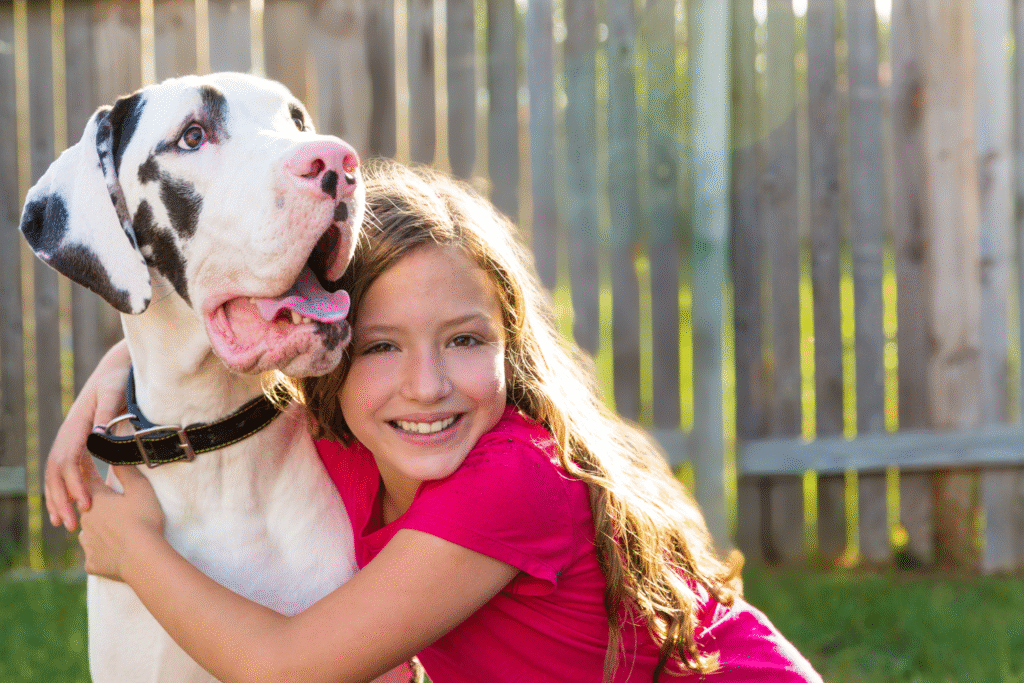
Great Danes are gentle and deeply attached, often leaning emotionally and physically on their families. Their size magnifies neediness and medical costs, creating stress.
Families underestimate the demands of giant breeds. Space, vet bills, and aging care overwhelm budgets. Loyalty remains constant. Capacity collapses. Surrender becomes a practical decision, not an emotional one.
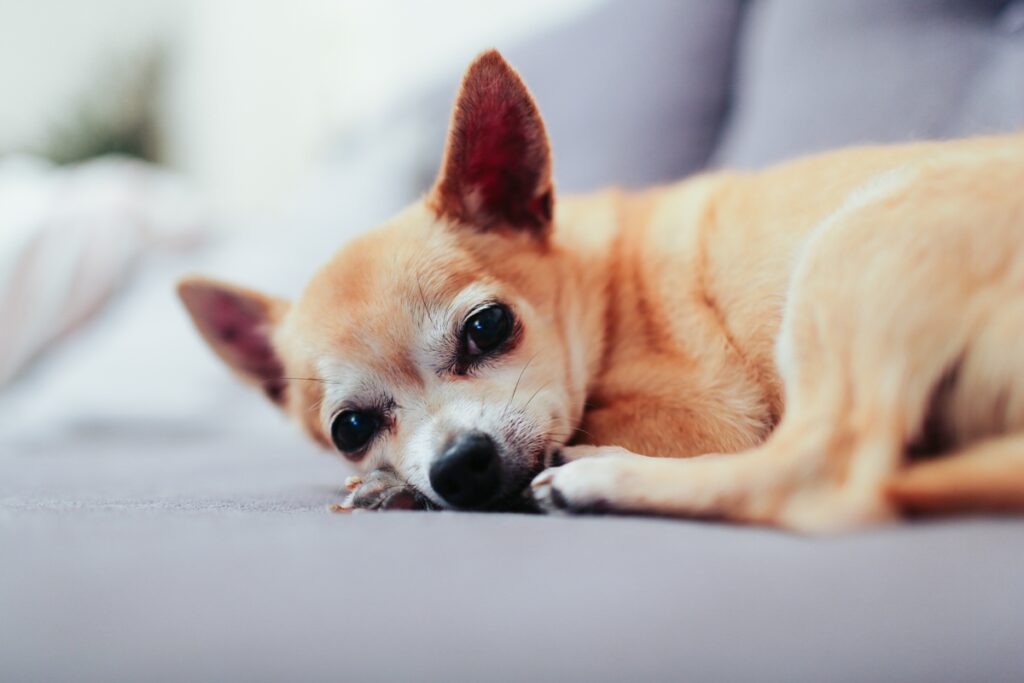
11. Chihuahuas suffer when fierce loyalty turns defensive.

Chihuahuas bond intensely to one person and struggle in busy or changing households. Fear based aggression emerges when they feel unprotected. Families label behavior unstable.
Small size hides emotional intensity. Without security, loyalty becomes defensive. Families surrender dogs believing they are problematic, missing that devotion drove the behavior.