
New discoveries expose rivalry beneath sacred ground.

For generations, Jerusalem’s religious past was framed as a slow march toward dominance by a single tradition. Recent excavations are unsettling that story. Archaeologists working in hills, valleys, and border zones around the ancient city are uncovering shrines, temples, and cult spaces that suggest competition rather than consensus. These sites overlap in time, geography, and ritual purpose. The evidence points to a contested sacred landscape where belief systems coexisted, clashed, and borrowed from one another. What emerges is not a unified religious center, but a volatile spiritual frontier.
1. Multiple sanctuaries operated within close proximity.
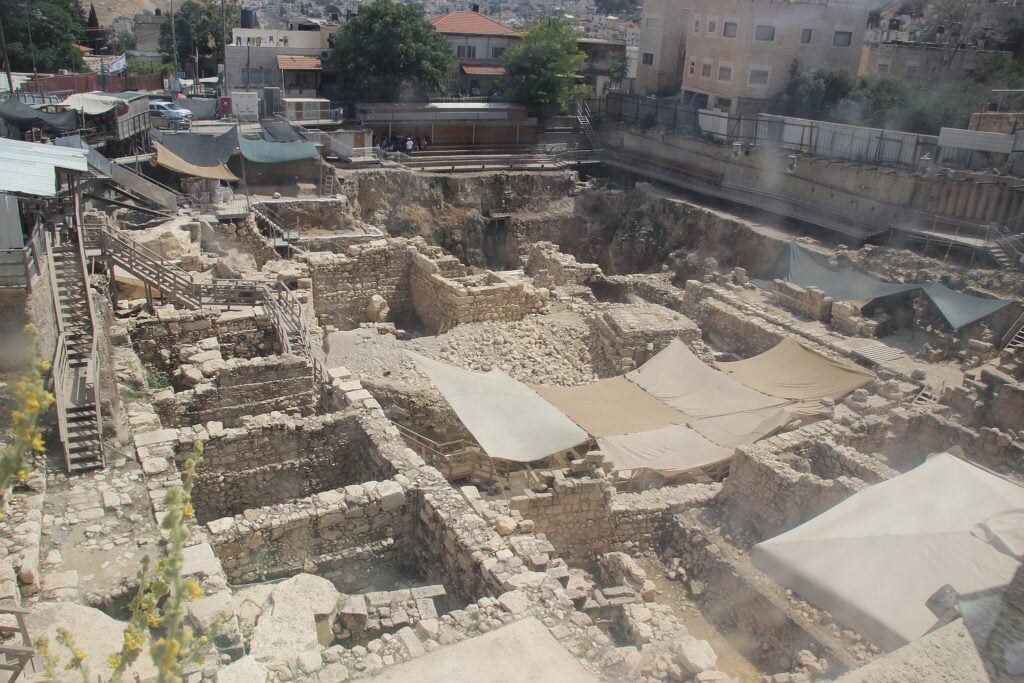
Archaeologists long assumed major cult activity clustered in officially sanctioned centers. New discoveries challenge that model. Excavations reveal temples and ritual installations functioning within short distances of each other, sometimes within the same generation. This density suggests competition for worshippers, offerings, and legitimacy. Sacred space appears crowded rather than centralized.
Field surveys and excavations around Jerusalem document overlapping ritual sites dated to the biblical period, according to the Israel Antiquities Authority. Researchers argue that proximity implies active religious pluralism, where competing practices operated simultaneously rather than sequentially, reshaping assumptions about how belief was organized and contested in the region.
2. Ritual objects reflect competing theological identities.

Artifacts recovered from these sites show striking variation. Altars, figurines, and offering vessels differ in style and symbolism even when found nearby. Such contrasts suggest distinct theological frameworks rather than regional decoration preferences. The material culture hints at deliberate differentiation.
Analysis of cultic assemblages indicates intentional divergence in ritual practice, as reported by the Hebrew University of Jerusalem. Scholars note that these differences likely signaled identity to worshippers, reinforcing boundaries between groups while operating within a shared cultural and political environment shaped by constant religious negotiation.
3. Sacred architecture reveals ideological messaging.

Temple layouts are not neutral. Orientation, entryways, and restricted zones communicate authority and belief. Newly uncovered structures near Jerusalem display architectural choices that diverge from centralized worship norms described in later texts. These deviations raise questions about who sanctioned these spaces and why.
Architectural analysis suggests these temples were designed to assert legitimacy and permanence, as discovered by researchers publishing through the American Schools of Oriental Research. The buildings themselves acted as arguments in stone, projecting theological claims in a landscape where multiple traditions competed for recognition and followers.
4. Rural cult sites complicate urban religious narratives.

Jerusalem’s dominance in religious history often overshadows surrounding regions. Yet discoveries in rural zones reveal vibrant cult activity beyond the city’s core. These sites suggest belief was negotiated at local levels, sometimes independently of urban authority.
Small shrines and installations indicate community driven worship practices that may have resisted central control. Their existence complicates narratives of top down religious reform, implying a fragmented spiritual landscape where local traditions persisted alongside emerging centralized doctrines.
5. Offerings indicate overlapping ritual calendars.
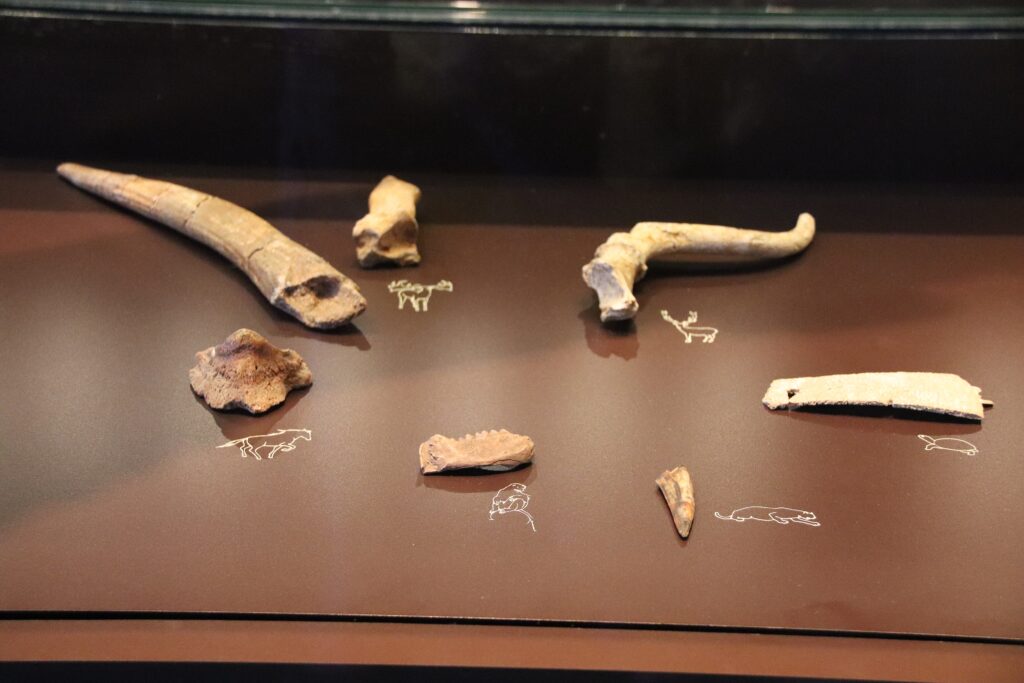
Evidence from faunal remains and offering deposits suggests multiple ritual cycles operating simultaneously. Seasonal patterns do not align neatly across sites, implying distinct religious calendars in use at the same time. This temporal overlap hints at competing sacred rhythms shaping daily life.
Such variation suggests worshippers navigated multiple traditions, choosing rituals based on circumstance rather than allegiance. The coexistence of differing calendars underscores how religious identity during the biblical period was fluid, situational, and shaped by proximity rather than strict doctrinal boundaries.
6. Household shrines suggest belief crossed private spaces.

Religion was not confined to temples alone. Excavations near Jerusalem uncovered small scale installations inside domestic settings, indicating worship moved easily between public and private life. These finds challenge the idea that belief was strictly regulated by authorities. Instead, devotion appears woven into daily routines, blurring lines between sanctioned ritual and personal practice. That overlap complicates assumptions about enforcement and conformity.
The presence of household shrines suggests families adapted belief systems to local needs. Rather than choosing one tradition, people may have blended practices depending on circumstance. This flexibility hints at lived religion shaped by proximity, habit, and survival rather than centralized doctrine alone.
7. Cult distribution mirrors political fragmentation patterns.

The locations of these sites are not random. Many appear along border zones tied to shifting political control. This pattern suggests religious installations tracked power boundaries and responded to governance instability. Sacred space may have functioned as both spiritual refuge and political signal.
When authority weakened, local cults seem to flourish. Their placement reflects negotiation rather than obedience. By mapping these installations, archaeologists see belief responding dynamically to political pressure, revealing religion as both identity marker and adaptive strategy during uncertain periods.
8. Shared symbols hint at cross cult borrowing.

Despite theological competition, many sites share iconographic elements. Similar motifs appear across otherwise distinct installations, raising questions about influence and exchange. Rival groups did not exist in isolation. They watched and borrowed from one another.
This shared symbolism suggests porous boundaries between traditions. Rather than rigid separation, belief systems interacted constantly. Borrowing may have softened conflict or intensified it by escalating symbolic competition. Either way, religious identity appears negotiated through imitation as much as opposition.
9. Sacred violence evidence remains notably absent.
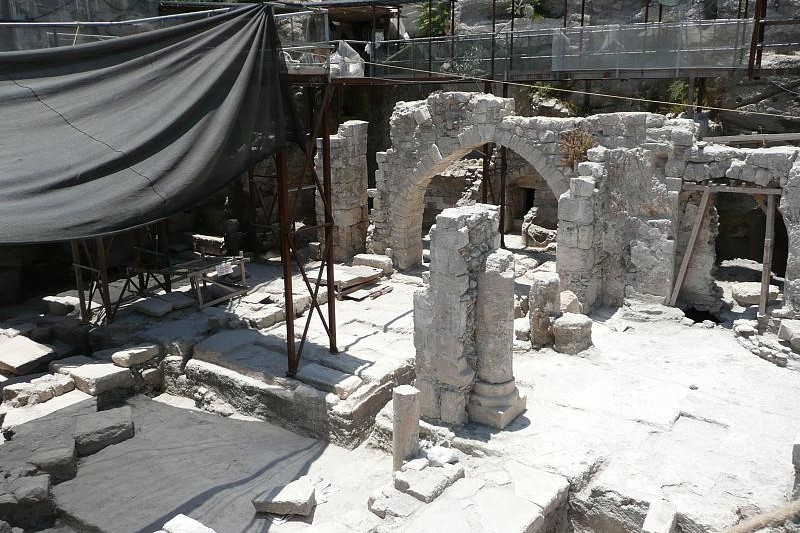
Despite signs of rivalry, archaeologists find little physical evidence of ritual destruction or conflict at these sites. Temples were modified, reused, or abandoned rather than violently erased. That absence challenges assumptions about constant religious warfare.
Competition may have played out through presence rather than force. Building, maintaining, and attracting followers could have mattered more than suppression. This suggests religious struggle unfolded through endurance and visibility, not outright elimination, complicating later narratives shaped by ideological consolidation.
10. Archaeology reframes biblical religious uniformity.

Textual traditions emphasize convergence toward centralized worship, yet the ground tells a messier story. The diversity of installations suggests belief remained contested longer than written sources imply. Uniformity appears aspirational rather than descriptive.
Archaeological evidence forces historians to reconcile scripture with lived reality. Religious identity in the biblical period was not a straight line. It was a contested field shaped by geography, politics, and daily life, revealing a battleground defined by coexistence as much as conflict.