
These places look engineered, yet geology insists otherwise.
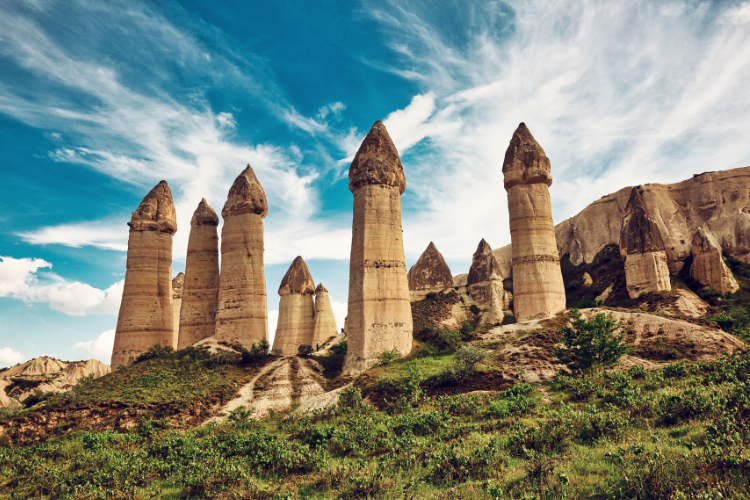
Across continents, certain rock landscapes stop visitors mid step. Phones rise, conversations pause, and the same question surfaces in different languages. How did this happen naturally. Hoodoos disrupt expectations because erosion rarely looks intentional. At some sites, the density overwhelms. At others, isolation or scale feels wrong. Bryce Canyon is the reference point, but it is not alone. From deserts to high plateaus, these formations challenge intuition by presenting balance, repetition, and structure where people expect randomness, collapse, and disorder.
1. Bryce Canyon overwhelms visitors with impossible repetition.

Bryce Canyon National Park presents thousands of narrow stone spires packed tightly together. The density erases normal depth perception. Visitors struggle to tell where one formation ends and another begins, creating the impression of deliberate arrangement rather than erosion.
The bafflement comes from repetition at scale. Erosion usually removes material unevenly, yet here it produces consistent vertical forms across entire amphitheaters. Freeze thaw cycles fracture limestone predictably, but the result still feels architectural. The canyon forces visitors to accept process through volume, even when instinct resists the explanation.
2. Cappadocia confuses geology with human architecture.
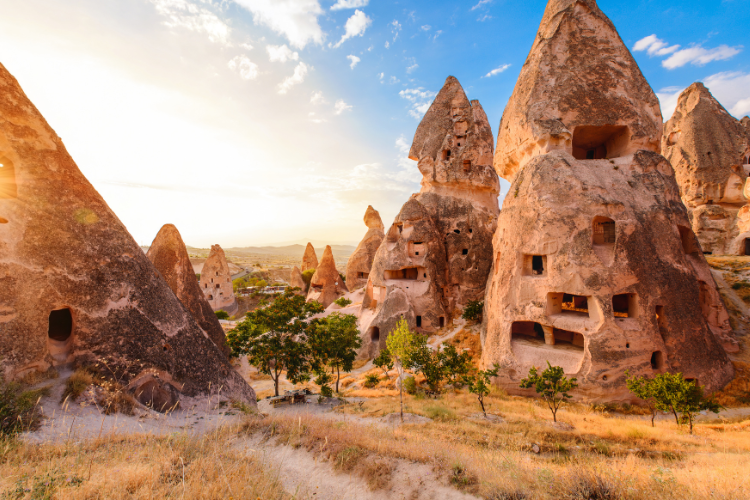
In central Turkey, tall hoodoos rise from volcanic deposits shaped by wind and rain. Many contain carved rooms, churches, and passageways that blur boundaries between natural and constructed forms.
Visitors struggle to separate origin from modification. The formations existed long before human use, yet centuries of habitation reinforce the illusion of design. The confusion comes from overlap. Erosion created the shapes, but human presence reinforces the sense of intention, making natural explanation feel incomplete without cultural context.
3. Drumheller’s hoodoos appear too isolated to be natural.
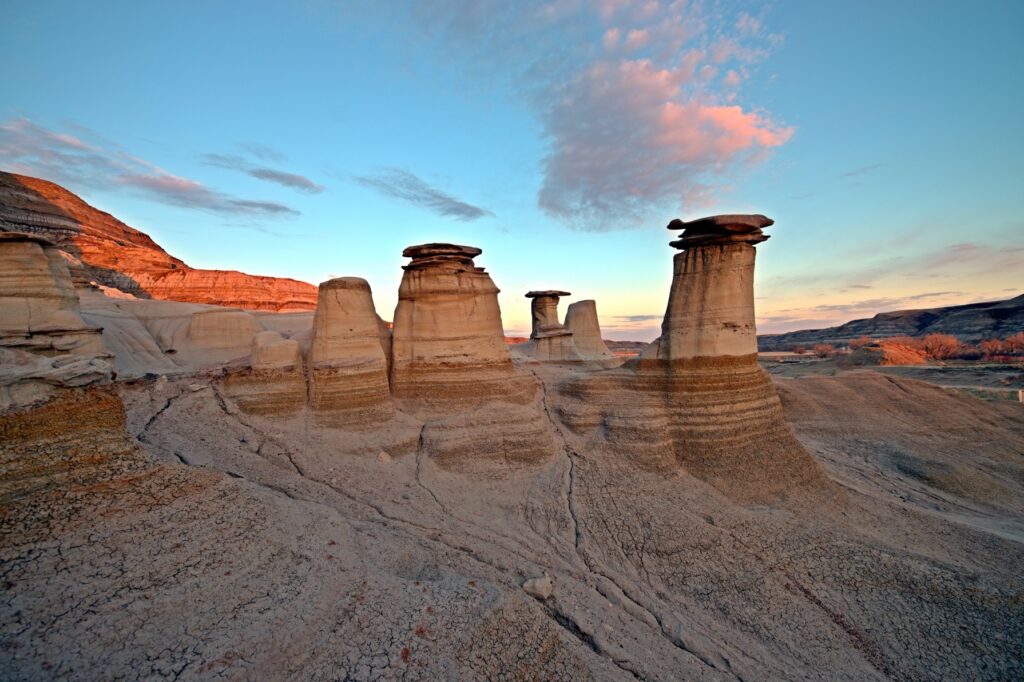
In Alberta’s badlands, hoodoos stand alone or in small groups, separated by wide open terrain. Their isolation draws intense focus to individual shapes rather than patterns.
Tourists expect erosion to leave chaos behind, not singular columns. Without surrounding repetition, each hoodoo feels anomalous. Differential erosion explains their survival, but visually they appear misplaced. The bafflement comes from scarcity. Natural processes feel less believable when outcomes appear selective instead of widespread.
4. Makoshika’s hoodoos interrupt an otherwise eroding landscape.
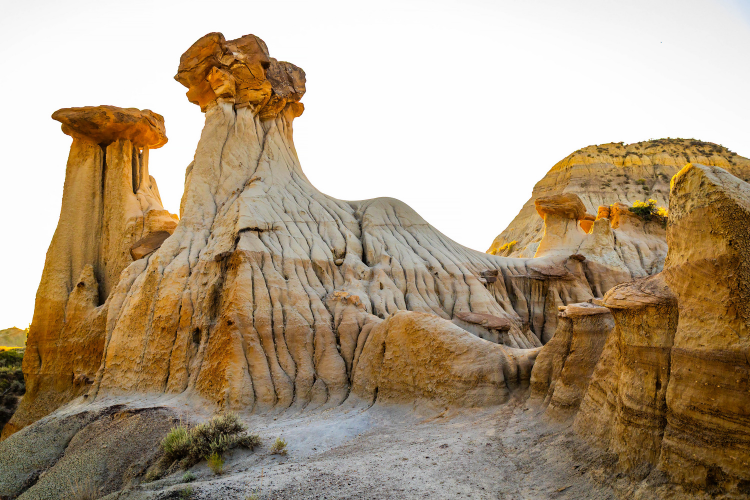
Makoshika State Park in eastern Montana features broad slopes actively breaking down. Amid that decay, isolated hoodoos remain upright, resisting collapse longer than nearby material.
Visitors struggle with contrast. Everything else looks temporary, yet these columns persist. The confusion arises from timing. Erosion is visible everywhere, but its uneven pace leaves remnants that feel inconsistent. The hoodoos challenge expectations by surviving in a setting defined by rapid change rather than stability.
5. Goblin Valley unsettles visitors through unfamiliar proportions.
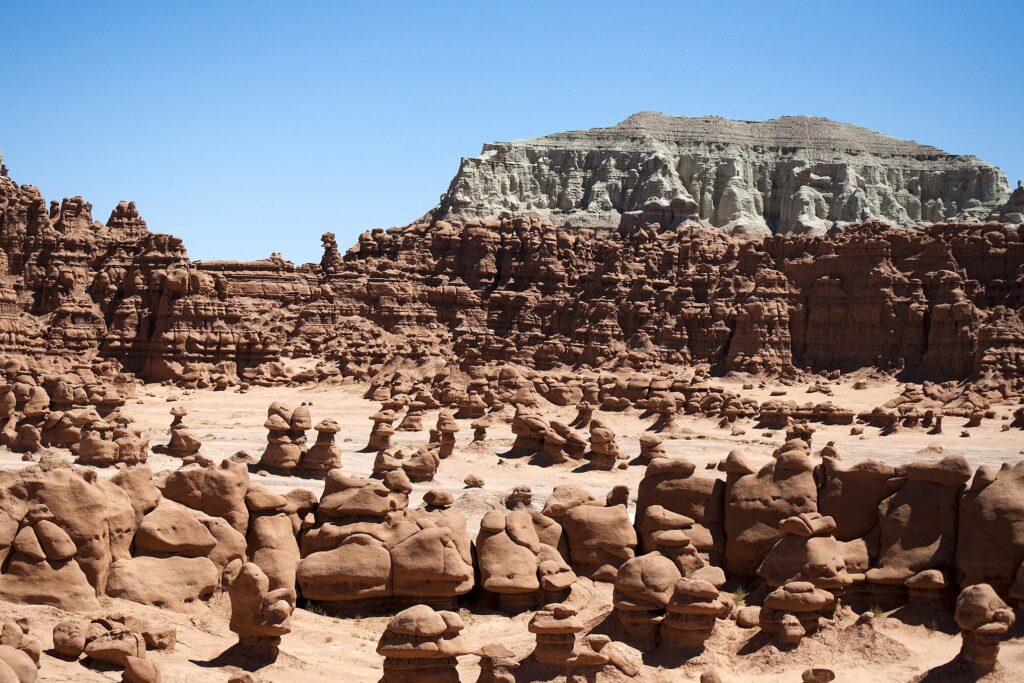
Goblin Valley State Park in Utah features short, rounded hoodoos that lack the height people associate with the term. Their squat shapes feel more sculpted than eroded.
Tourists arrive expecting spires and encounter clusters of bulbous forms instead. The bafflement comes from mismatch between label and appearance. Erosion operates differently on softer sandstone, producing shapes that resemble figures rather than pillars. The unfamiliar proportions make visitors question classification rather than process.
6. Grand Staircase Escalante hides hoodoos in vastness.
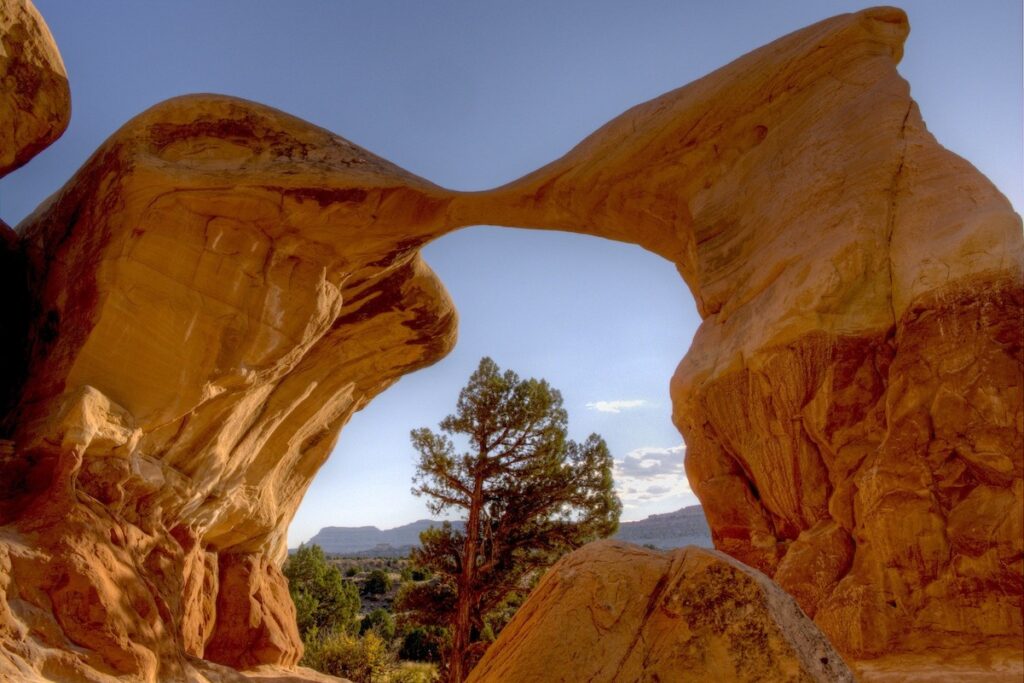
Within Grand Staircase Escalante National Monument, hoodoos exist but are dispersed across immense terrain. Visitors often encounter them unexpectedly rather than seeking them out.
The confusion comes from scale of landscape rather than formation. Hoodoos appear small against expansive cliffs and plateaus, making them feel incidental. Erosion explains their presence, but the setting diminishes visual authority. The bafflement lies in discovery rather than dominance, challenging assumptions about where dramatic geology should appear.
7. Zhangjiajie’s stone pillars feel structurally impossible.
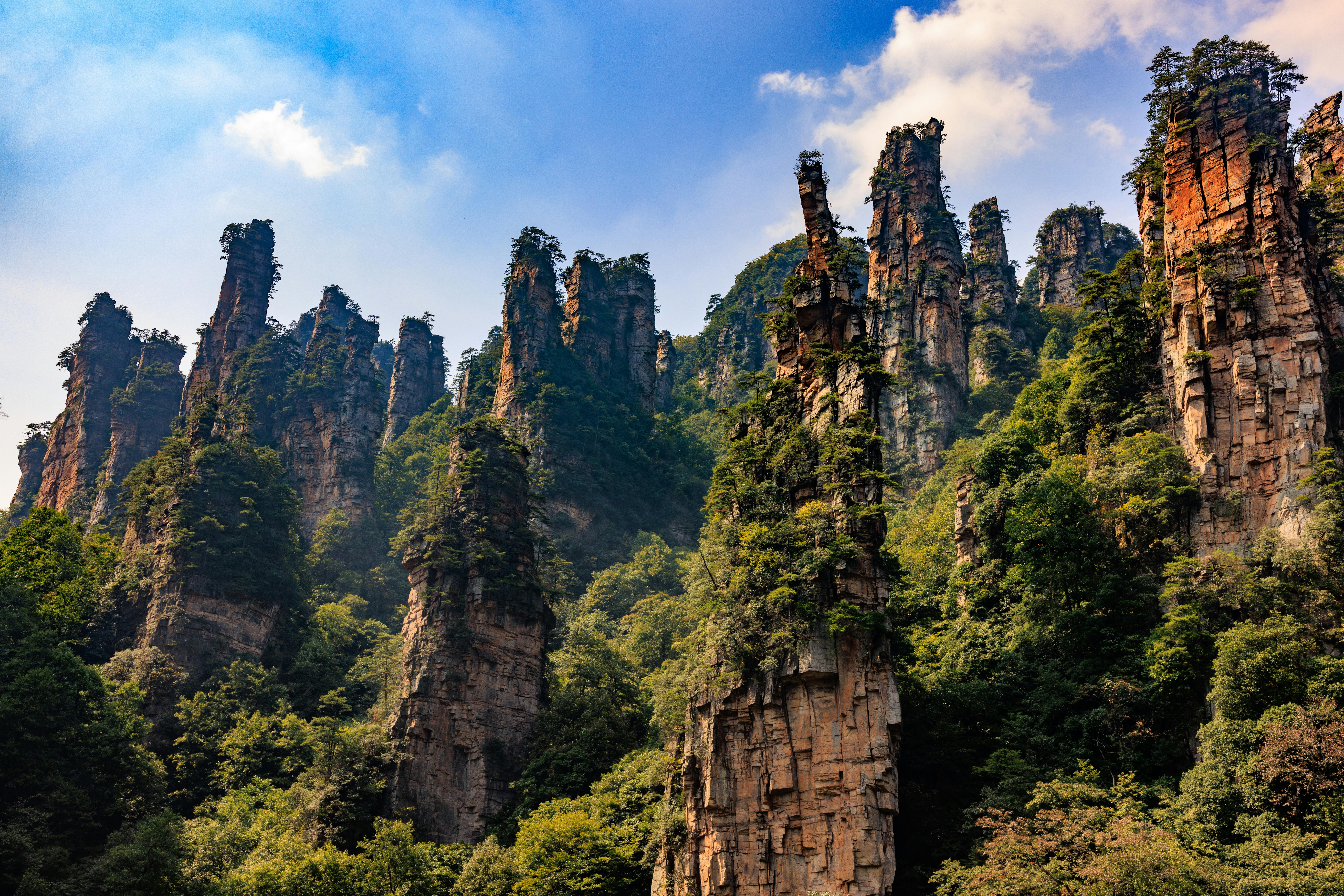
In China’s Zhangjiajie region, towering sandstone pillars rise dramatically from forested valleys. Their height and narrow bases suggest instability rather than erosion.
Visitors struggle to reconcile scale with gravity. The pillars appear too tall to survive without support. Weathering along vertical joints isolates columns, but the explanation feels abstract compared to visual impact. The bafflement stems from vertical exaggeration. These formations stretch erosion beyond what most people believe natural processes can sustain.
8. Bisti De Na Zin disorients through constant variation.

In northwestern New Mexico, Bisti De Na Zin Wilderness contains hoodoos of wildly different shapes packed into a small area. No two appear alike.
Tourists expect consistency within a landscape. Instead, variation dominates. The confusion arises from unpredictability. Erosion responds to subtle changes in sediment and mineral content, producing diverse outcomes. Without repetition, visitors struggle to recognize process. The hoodoos feel experimental rather than systematic, resisting pattern recognition entirely.
9. Toadstool Geologic Park looks deliberately staged.
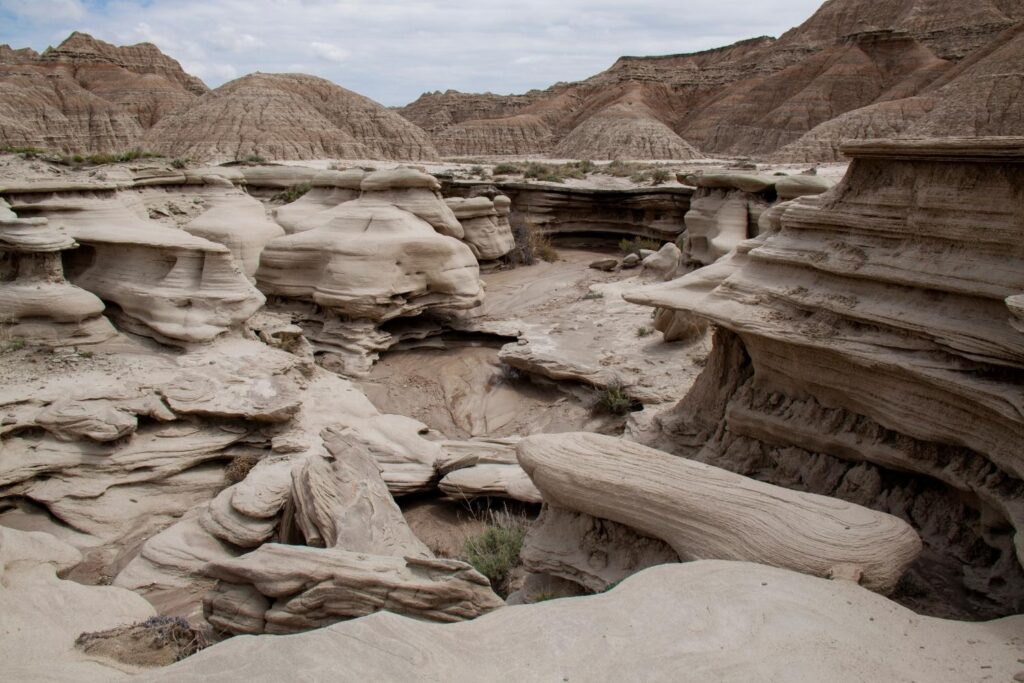
In Nebraska, thin columns capped with flat rocks resemble mushrooms arranged across rolling terrain. Their spacing feels intentional.
The bafflement comes from balance. Each capstone appears precisely placed, protecting fragile stems beneath. Differential erosion explains the form, but the symmetry challenges intuition. Visitors perceive staging rather than chance. The park confronts people with shapes that look curated despite forming through slow removal rather than placement.
10. Chiricahua’s hoodoos resemble frozen movement.

In southeastern Arizona, hoodoos rise from volcanic deposits fractured by ancient eruptions. Many appear mid collapse, leaning or twisting.
Visitors struggle with implied motion. The formations look caught in action, as if paused during failure. Erosion and cooling fractures created instability, yet time froze the result. The bafflement comes from dynamic appearance. These hoodoos suggest movement in a landscape defined by stillness, confusing cause and moment.