
A common behavior can escalate faster than owners expect.

Resource guarding is one of the most misunderstood dog behaviors seen in homes, shelters, and training facilities. It can appear suddenly, intensify quickly, and leave owners shaken when a friendly dog growls, snaps, or freezes over food or objects. Trainers see it across breeds, ages, and backgrounds, often triggered by stress or insecurity rather than aggression. Left unaddressed, it can worsen and become dangerous. Understanding where it comes from, which dogs are more prone, and how professionals approach treatment matters more than blame or punishment.
1. Resource guarding begins as a survival instinct.
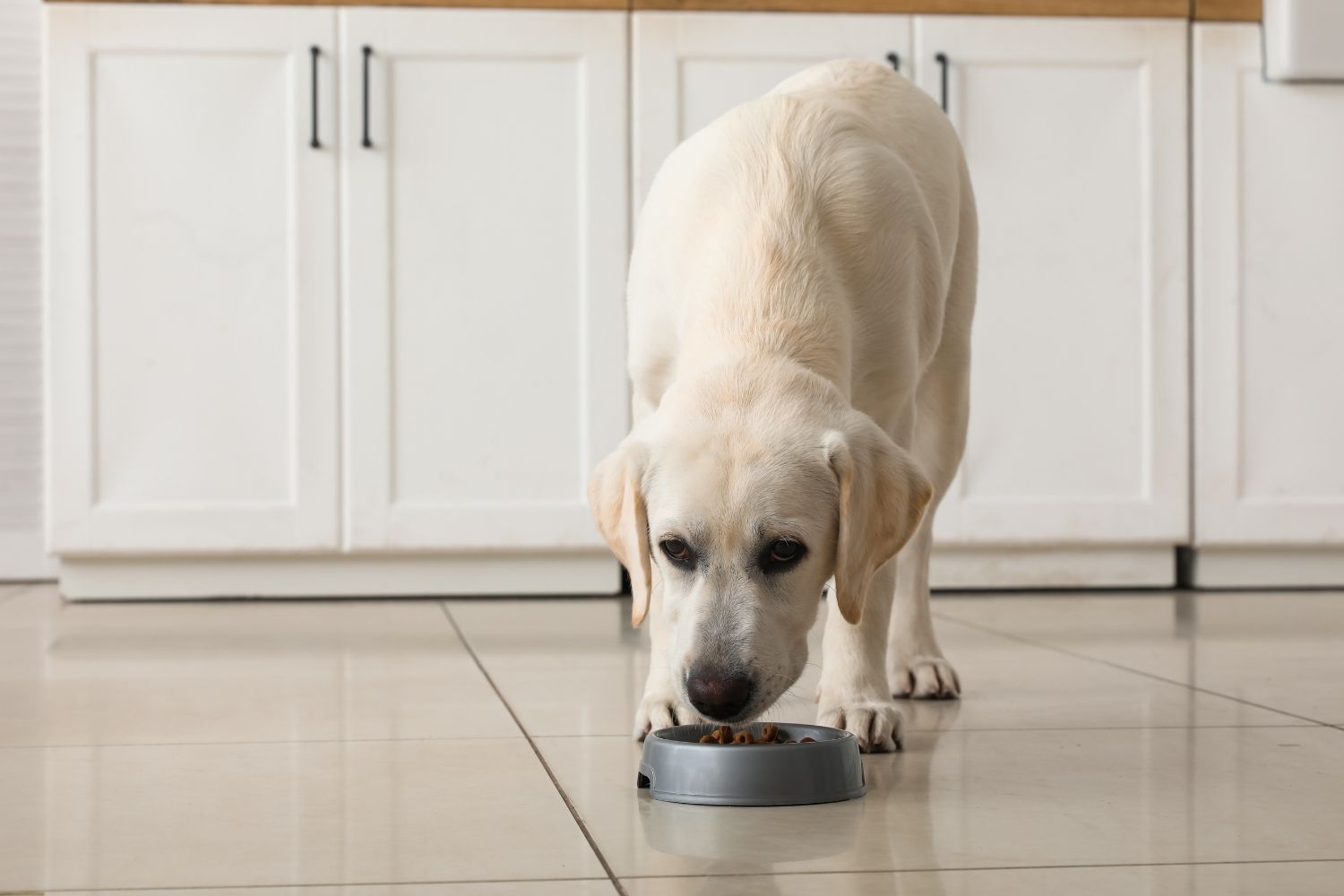
Resource guarding rarely starts as aggression. It often begins as subtle tension, stiffness, or hovering over food or toys. Owners may miss early signs, assuming the behavior is harmless or temporary. The risk comes when warnings are ignored and escalation follows without much notice.
Dogs evolved to protect valuable resources in uncertain environments. Food, space, and objects once meant survival. That instinct can surface in modern homes during stress or insecurity. When dogs feel resources might be taken, guarding becomes a learned response reinforced by outcomes.
2. Breed tendencies can influence guarding intensity.
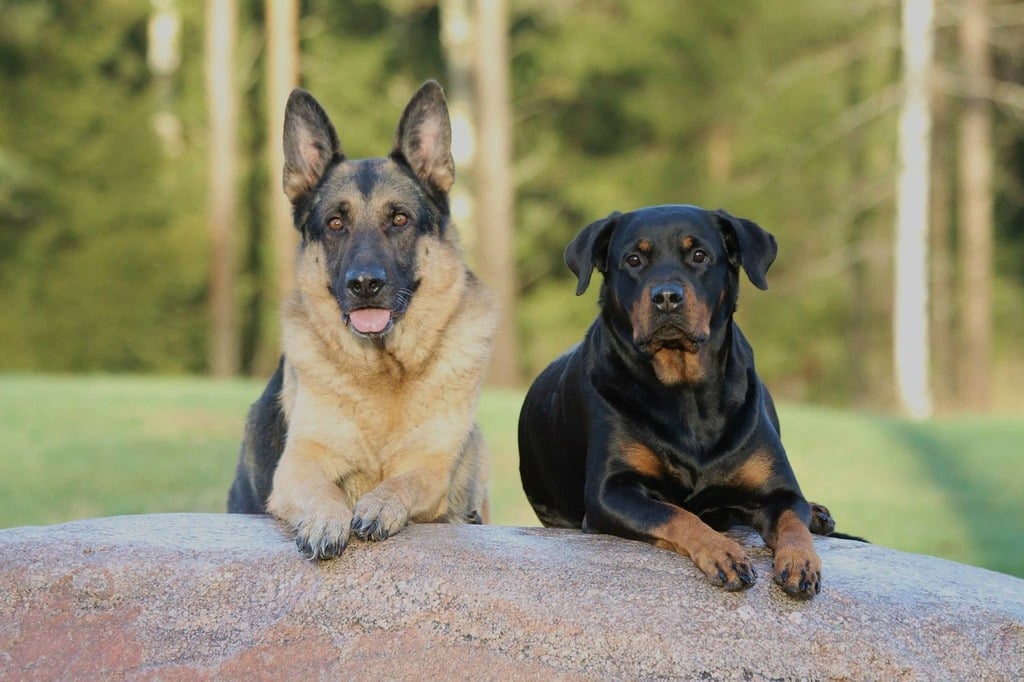
Not all dogs guard equally, and breed history plays a role. Some breeds were selected for independence, persistence, or assertiveness. Those traits can amplify guarding behaviors under certain conditions.
Genetics do not cause resource guarding alone, but they influence thresholds. Dogs bred for guarding, working, or survival tasks may respond more strongly to perceived threats. Environment still matters, yet breed tendencies can shape how quickly and intensely guarding appears.
3. Labrador Retrievers can develop food guarding unexpectedly.
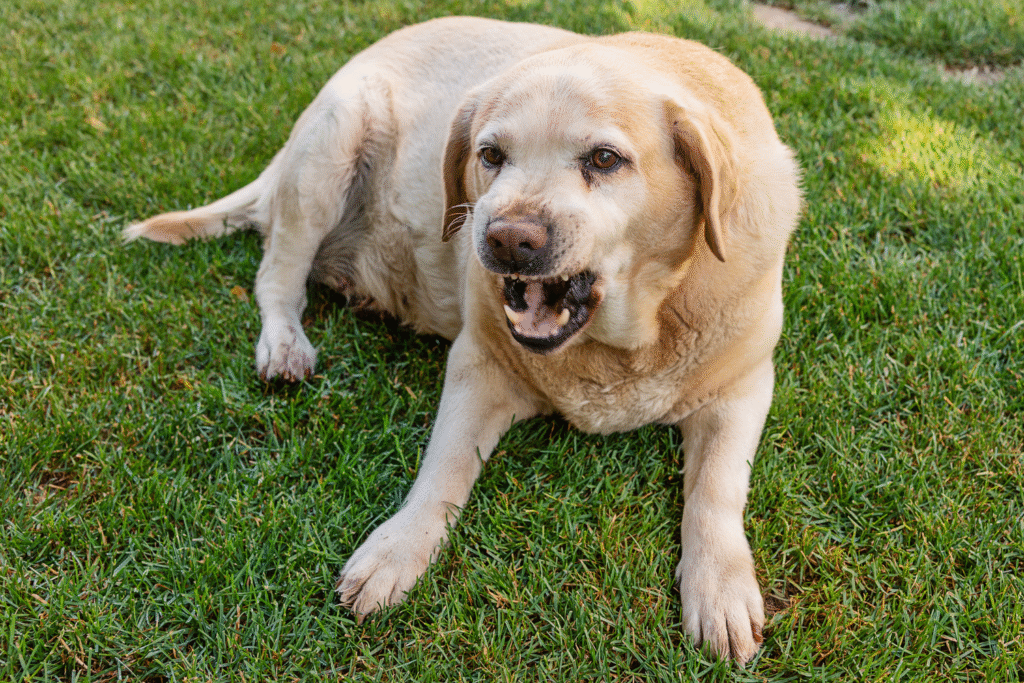
Labradors are often seen as easygoing and friendly. That reputation can mask early warning signs. When guarding appears, it shocks owners who assumed the breed was immune.
Labs are highly food motivated. Inconsistent feeding routines, competition, or past deprivation can trigger guarding. Their size and strength raise stakes quickly. Without early intervention, behavior can escalate from growling to snapping despite otherwise gentle temperament.
4. German Shepherds may guard space and objects.

German Shepherds are attentive and protective by nature. Their awareness can shift into guarding when boundaries feel threatened. The behavior often centers on space, toys, or favored people.
Because they are intelligent and observant, Shepherds notice patterns fast. If guarding succeeds once, it may repeat. Stress, lack of structure, or unclear leadership can increase intensity. Their confidence can make intervention more complex.
5. Cocker Spaniels often guard food bowls intensely.
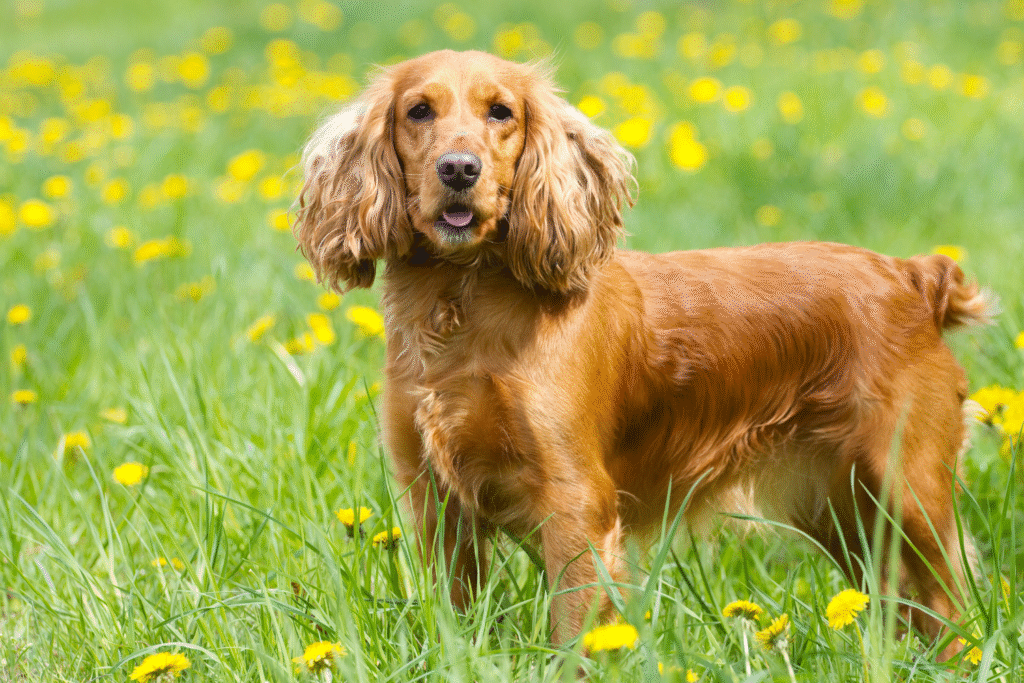
Cocker Spaniels appear small and affectionate, which can lead owners to underestimate risk. Guarding behavior may go unnoticed until it escalates suddenly.
The breed has a documented history of guarding tendencies, especially around food. Genetics, anxiety, and sensitivity contribute. Because warnings can be subtle, owners may misread signals. Early recognition is critical to prevent bites.
6. Rottweilers can guard possessions with determination.

Rottweilers are confident and powerful dogs. When guarding emerges, it carries significant physical risk. The behavior often centers on toys, food, or territory.
Their determination means once guarding patterns form, they persist. Inconsistent rules or confrontational handling can worsen responses. Calm, structured training is essential. Ignoring early signs allows the behavior to solidify.
7. Dachshunds frequently guard valued items.

Despite small size, Dachshunds can be intense guarders. Owners may dismiss growling because the dog seems harmless. That dismissal can lead to escalation.
The breed’s independent nature and hunting background influence guarding. Items like food, beds, or toys become high value quickly. Because warnings are often ignored, Dachshunds may skip signals and bite without prolonged display.
8. Australian Cattle Dogs guard resources under stress.

Australian Cattle Dogs are driven and alert. Guarding often appears when mental stimulation is lacking. Boredom and frustration increase risk.
The breed thrives on purpose. When resources become the only control point, guarding emerges. High intelligence means patterns form fast. Structured outlets and predictability reduce pressure that fuels guarding behavior.
9. Chihuahuas may guard food or people intensely.

Chihuahuas are frequently involved in guarding incidents despite their size. Their behavior is often laughed off until it becomes serious.
Small dogs experience threats more acutely. Guarding can feel necessary for safety. When humans invade space without reading signals, escalation follows. Respecting boundaries reduces risk significantly.
10. Mixed breed dogs show guarding shaped by experience.
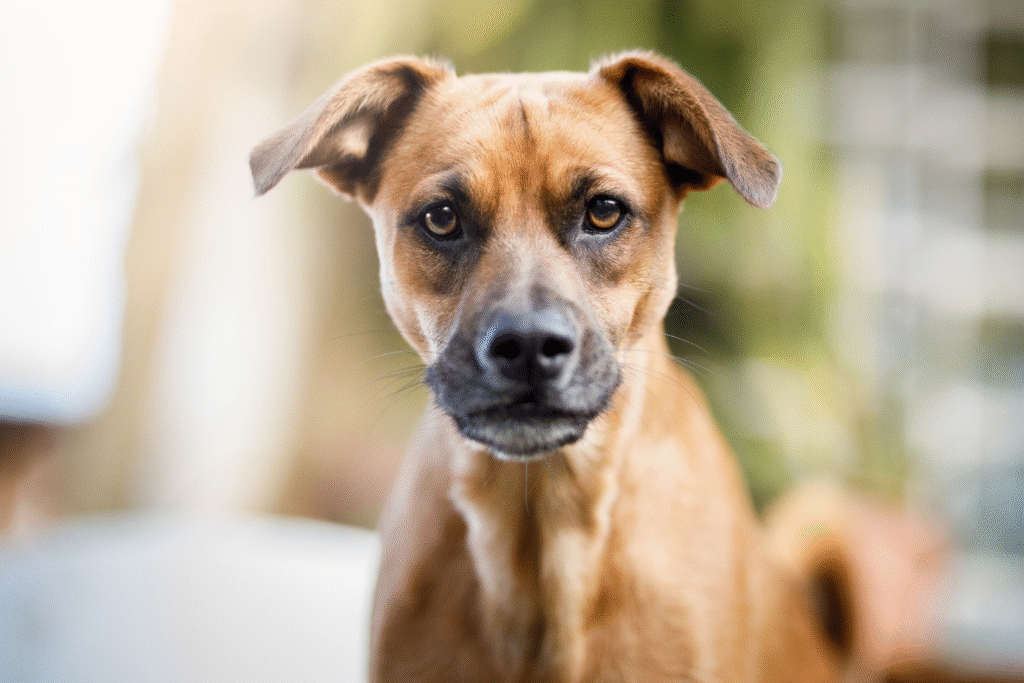
Resource guarding is not limited to purebreds. Mixed breed dogs often display behaviors shaped by early life experiences. Shelter dogs are particularly vulnerable.
Past scarcity, competition, or trauma heightens sensitivity. Guarding may appear suddenly in new homes. Without context, owners misinterpret behavior. Understanding history matters as much as breed when assessing risk.
11. Punishment almost always makes guarding worse.

Many owners respond to guarding with confrontation. That reaction increases fear and reinforces the behavior. Dogs learn faster protection is necessary.
Punishment suppresses warning signals but not emotion. Growling disappears, biting follows. Professional guidance focuses on changing emotional response, not forcing compliance. Safety improves when fear is reduced, not challenged.
12. Structured training can reduce guarding safely.

Effective intervention focuses on trust and predictability. Dogs learn that resources are not threatened. Progress requires patience and consistency.
Techniques include desensitization, controlled exchanges, and management. Success depends on timing and calm delivery. While improvement is possible, rushed approaches increase danger. Professional support often determines outcomes when guarding has already escalated.