
Treatment meant to help can quietly create danger.

Medications prescribed to dogs are meant to heal, yet side effects often unfold slowly and without drama. Vets across the United States report that many adverse reactions go unnoticed until damage is already underway. Subtle changes in appetite, posture, or behavior are easy to dismiss, especially when a dog seems otherwise stable. The risk grows when multiple drugs overlap or when owners rely on familiar human medications. Understanding which side effects matter, when they appear, and why they escalate can change outcomes before harm becomes permanent.
1. Pain medications can trigger internal bleeding.
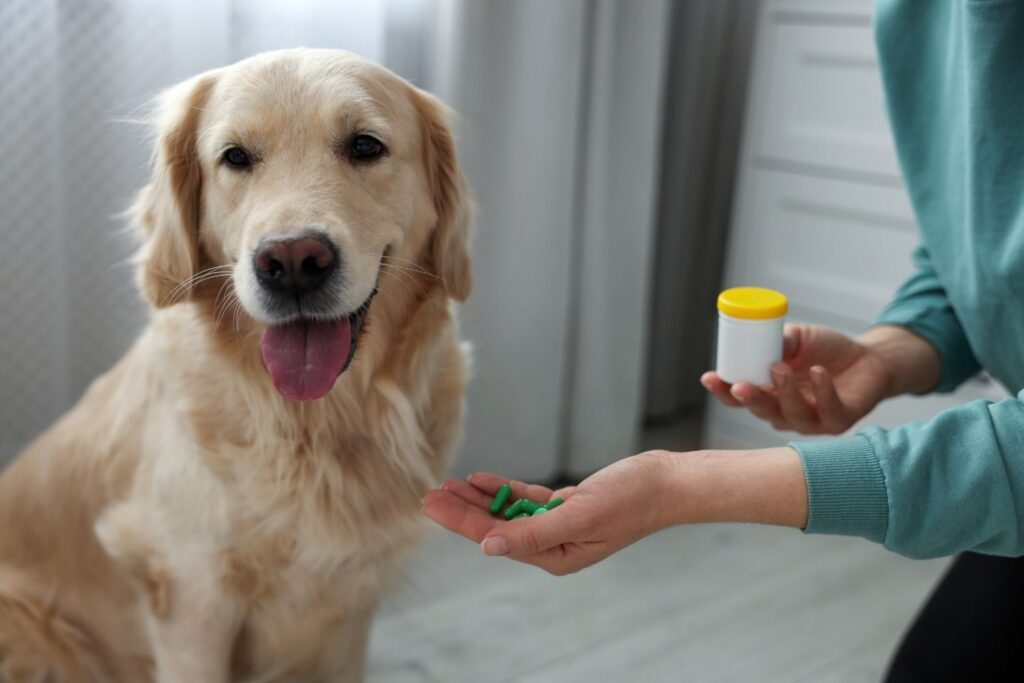
Pain relief often brings visible improvement, which makes warning signs easy to overlook. A dog may move better while internal damage quietly progresses. Vomiting, dark stool, or fatigue may appear late, creating urgency without clear cause.
Nonsteroidal anti inflammatory drugs reduce inflammation but also weaken stomach and intestinal protection. Ulcers and bleeding can follow, especially with long term use or incorrect dosing. Risk increases when combined with steroids or dehydration. Early monitoring matters because damage can escalate rapidly once bleeding begins.
2. Steroids suppress immunity while masking serious illness.
Steroids can make dogs feel dramatically better in days. That improvement may hide underlying infections or organ stress. Owners often mistake short term relief for recovery, delaying further evaluation.
These drugs suppress immune response and alter metabolism. Infections may spread unnoticed, wounds heal slower, and blood sugar rises. Long term use increases risk of diabetes and muscle loss. The danger lies in what steroids conceal as much as what they cause directly.
3. Antibiotics can disrupt digestion and nutrient absorption.

Antibiotics often stop infection quickly, creating a sense of resolution. Digestive changes may seem minor at first. Loose stool or reduced appetite is easy to dismiss during recovery.
These medications alter gut bacteria essential for digestion and vitamin production. Prolonged imbalance can lead to chronic diarrhea, weight loss, or secondary infections. Puppies and seniors face greater risk. Without intervention, gastrointestinal disruption can persist long after the original illness resolves.
4. Flea and tick preventives may affect the nervous system.

Preventives are widely used and trusted, which lowers suspicion when changes occur. Tremors, restlessness, or unusual behavior may appear days later. Owners often attribute symptoms to stress instead.
Certain preventives affect neural pathways in insects and can impact sensitive dogs. Neurologic side effects are uncommon but real. Dogs with seizure history face higher risk. Monitoring behavior after dosing helps catch reactions before escalation.
5. Heart medications can cause dangerous blood pressure drops.
Cardiac drugs aim to stabilize circulation, yet dosing errors or sensitivity can tip balance. Weakness or collapse may appear suddenly. These events feel alarming without clear explanation.
Medications that dilate blood vessels or slow heart rate can lower pressure too far. Reduced blood flow affects kidneys and brain. Elderly dogs are especially vulnerable. Regular monitoring helps prevent silent hypotension from becoming an emergency.
6. Anesthesia can impact body temperature and recovery.
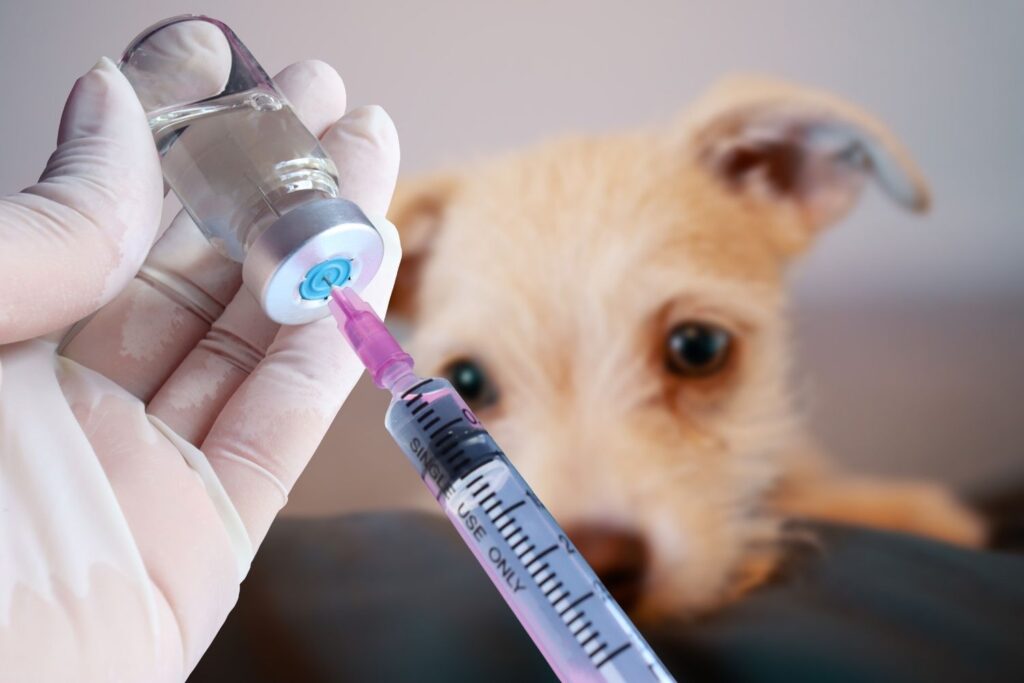
Surgical success often overshadows anesthetic effects. Dogs may seem slow or disoriented longer than expected. Owners assume rest is normal.
Anesthesia disrupts temperature regulation and cardiovascular stability. Hypothermia delays healing and stresses organs. Smaller dogs lose heat quickly. Careful warming and monitoring reduce complications that may otherwise appear hours after discharge.
7. Thyroid medications can alter behavior and metabolism.

Hormone replacement often improves energy and coat quality. Subtle changes may still signal imbalance. Restlessness or weight shifts are easy to miss.
Excess dosing accelerates metabolism, stressing heart and muscles. Behavioral changes mimic anxiety. Regular blood testing ensures levels stay therapeutic. Without adjustment, long term overstimulation can cause harm despite initial improvement.
8. Chemotherapy drugs suppress bone marrow function.

Cancer treatment prioritizes survival, but side effects accumulate quietly. Fatigue or pale gums may seem expected. Owners brace for nausea, not blood changes.
Chemotherapy can reduce white and red blood cell production. Infection risk rises while oxygen delivery falls. Timing matters because suppression peaks days after treatment. Monitoring allows intervention before complications become life threatening.
9. Human medications can overwhelm canine organs.

Familiar drugs feel safe because humans use them daily. Accidental ingestion or intentional dosing happens often. Symptoms may appear delayed.
Dogs metabolize drugs differently. Acetaminophen damages liver cells, while ibuprofen harms kidneys and stomach. Even small amounts can be toxic. Rapid treatment helps, but prevention remains critical because damage progresses quickly.
10. Supplements can interact with prescribed treatments.
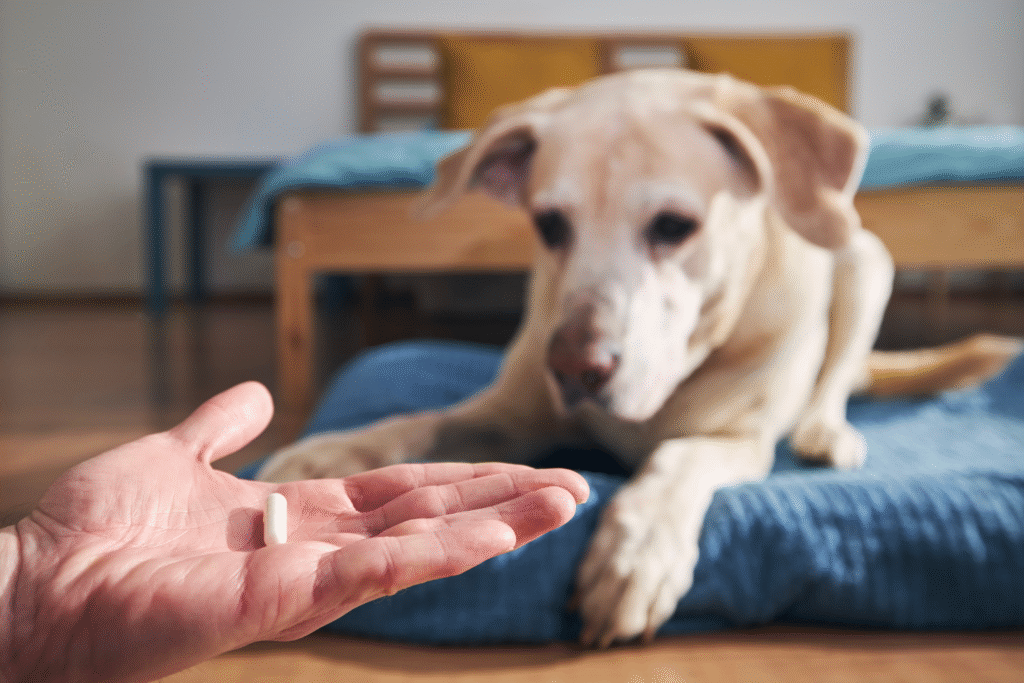
Supplements seem gentle and natural. Owners add them without mentioning vets. Interactions often go unnoticed until problems arise.
Some supplements alter drug absorption or blood clotting. Others stress liver or kidneys when combined with medications. Transparency matters. What appears supportive can undermine treatment effectiveness or safety when interactions are overlooked.