
Beneath calm surfaces, survival rules the river.
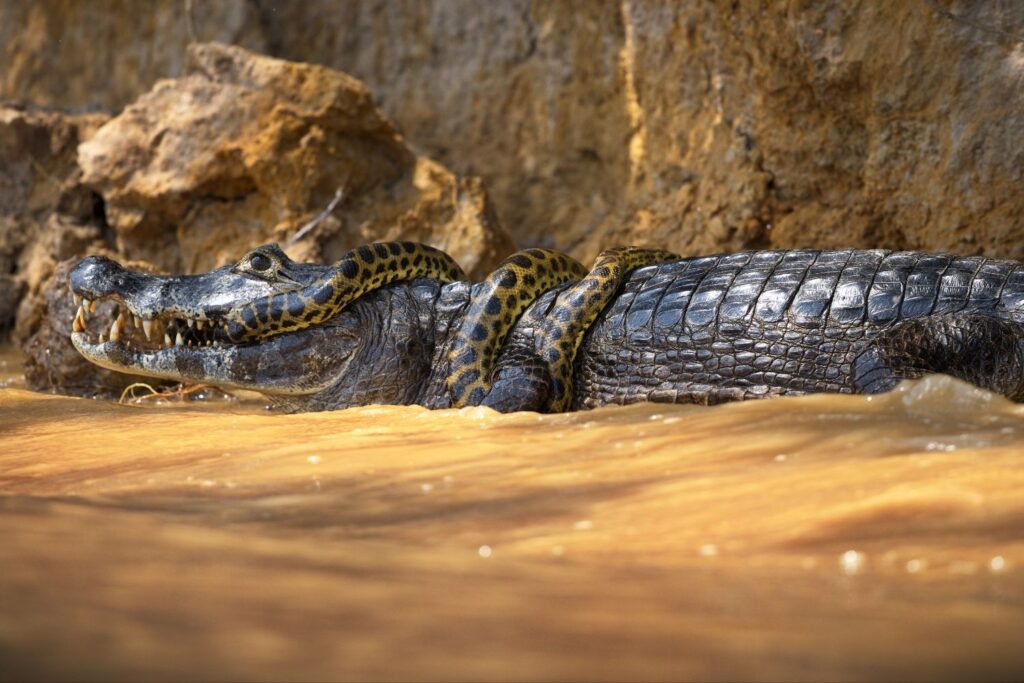
Amazonian rivers appear calm, yet danger moves beneath the surface. From flooded forests to murky channels near Manaus and Iquitos, animals evolved to hunt, defend, and survive in low visibility water. Swimmers, fishermen, and river communities share space with predators that rely on speed, electricity, venom, or sheer mass. Encounters are rare but consequences can be severe when they happen. Understanding which species pose the greatest risk helps explain why locals treat these waters with caution year round daily seriously.
1. Bull sharks patrol far inland without warning.
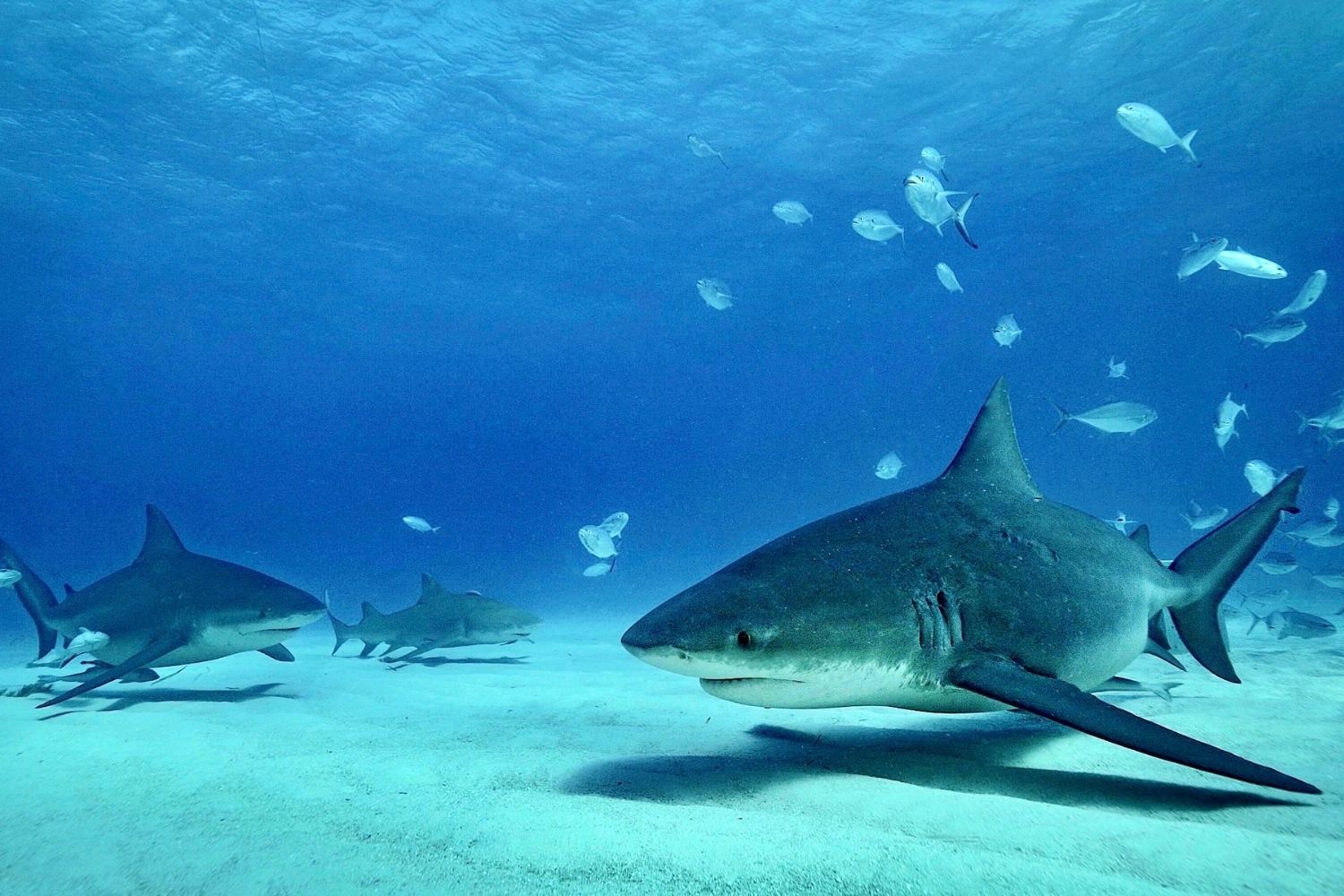
Bull sharks move far inland through the Amazon basin, defying expectations about saltwater predators. Murky conditions limit visibility, increasing accidental encounters. Their size and power make any surprise meeting dangerous. Fishermen report sightings near river mouths and flooded plains where humans regularly swim during seasonal floods affecting nearby riverine villages.
Bull sharks tolerate freshwater by regulating salt levels efficiently. This adaptation allows them to patrol deep channels and shallow edges alike. Their opportunistic diet includes fish, mammals, and carrion. Attacks remain rare, yet the combination of poor visibility and territorial behavior keeps risk present for swimmers, boaters, and subsistence fishers.
2. Black caimans dominate river predators at night.
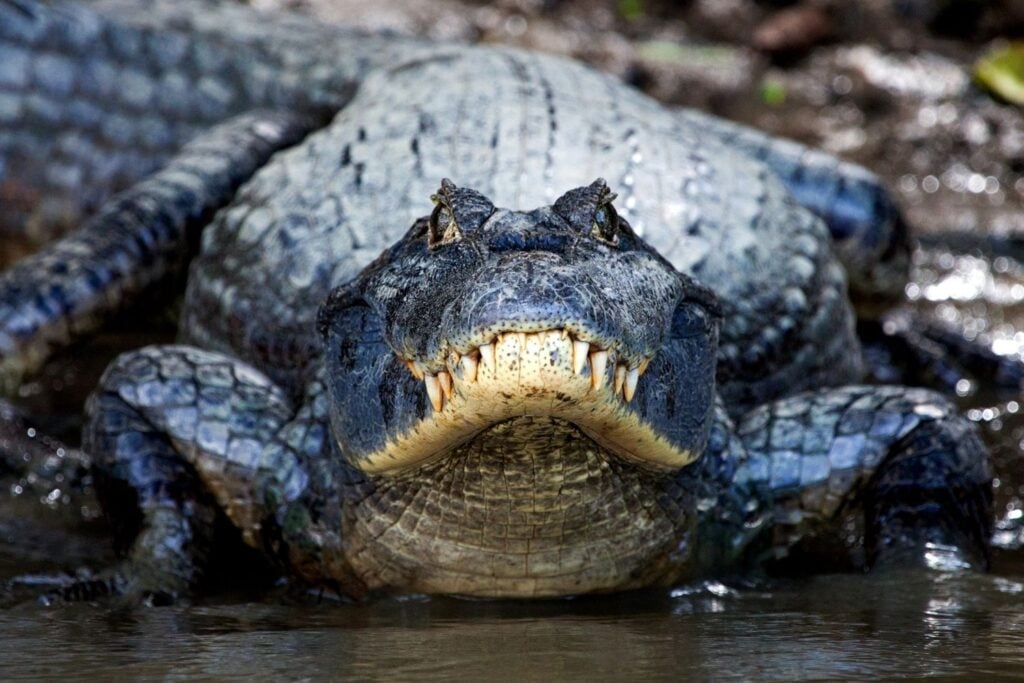
Black caimans blend into dark water, making detection extremely difficult after sunset. Large individuals exceed dangerous sizes, capable of overpowering boats or livestock. Nighttime fishing increases risk as visibility drops. Communities along remote tributaries respect their presence deeply due to past fatal encounters during routine activities.
These reptiles rely on ambush tactics, striking with explosive force. Fish, birds, and mammals form their primary diet. Humans are not typical prey, yet mistaken identity occurs. Limited escape options in narrow waterways heighten danger, especially during breeding seasons when aggression increases significantly.
3. Electric eels weaponize electricity in shallow water.
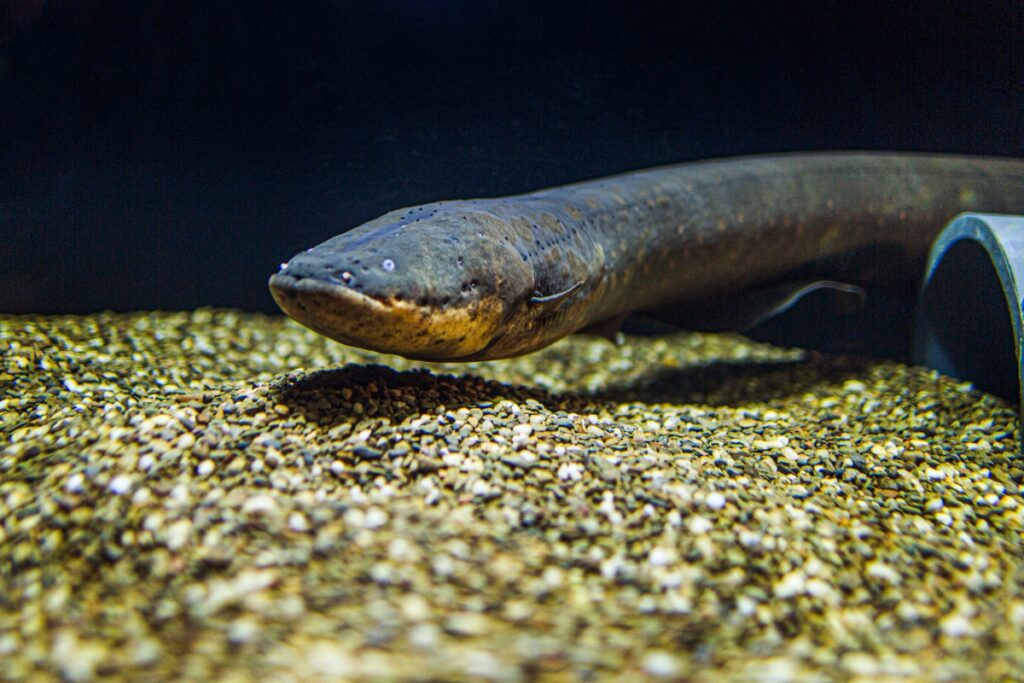
Electric eels lurk in slow moving streams and flooded forests where footing is uncertain. Sudden shocks can incapacitate swimmers instantly. Loss of muscle control increases drowning risk even without direct injury. Encounters often happen accidentally while wading.
They generate powerful electric discharges to hunt and defend. Multiple shocks can occur in rapid succession. The eel’s ability to leap and shock simultaneously adds danger. In confined waters, escape becomes difficult, making brief contact potentially life threatening for humans nearby.
4. Piranhas exploit panic and exposed flesh quickly.

Piranhas gain notoriety during low water seasons when food becomes scarce. Swimmers with cuts or struggling animals draw immediate attention. Group feeding amplifies damage in seconds, escalating minor incidents rapidly.
Their razor sharp teeth slice flesh efficiently. While attacks on healthy humans are uncommon, circumstances matter. Drought conditions, blood in water, and splashing increase risk. Local warnings intensify during dry months when piranha behavior becomes more aggressive and unpredictable.
5. Green anacondas ambush silently in flooded forests.
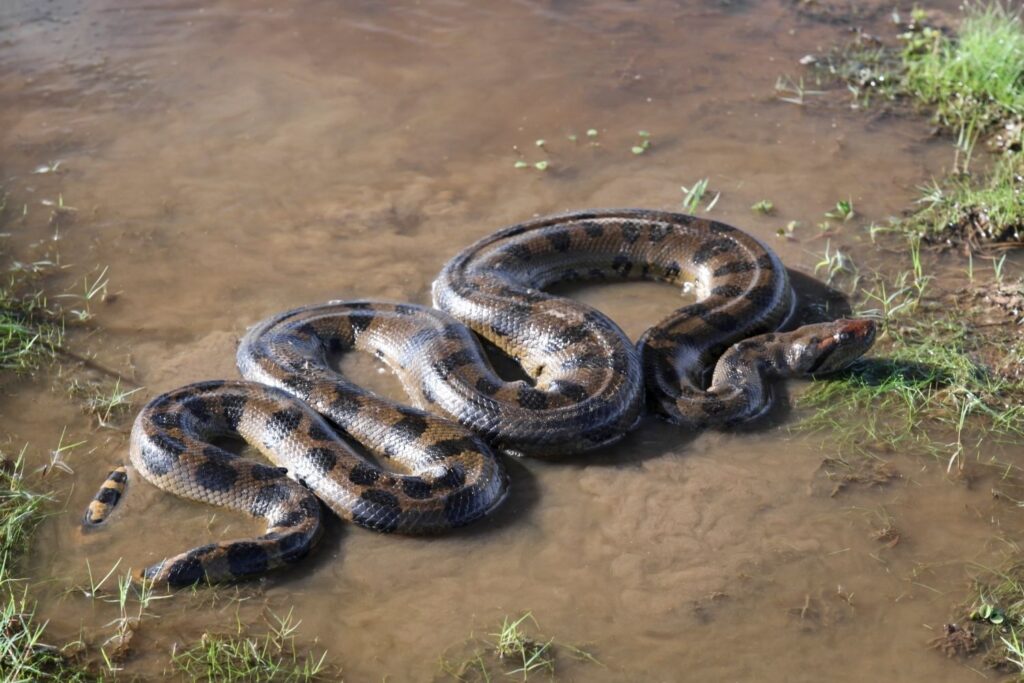
Anacondas disappear beneath floating vegetation, making detection nearly impossible. Their immense strength poses danger if contact occurs. Swimmers entering flooded forests risk startling these massive constrictors at close range.
They rely on ambush rather than pursuit. Large prey is subdued through constriction and drowning. Human attacks are rare but possible. Restricted movement in dense vegetation increases vulnerability, especially during seasonal floods when human and anaconda territories overlap more frequently.
6. Freshwater stingrays strike when stepped on accidentally.
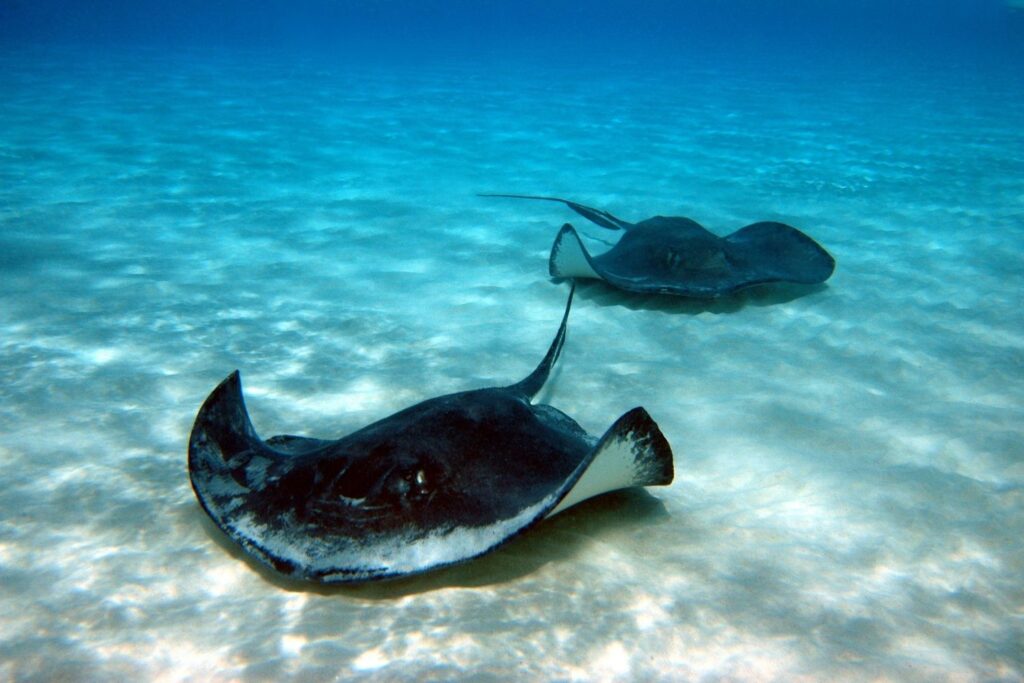
Stingrays rest buried in sandy river bottoms, invisible to approaching feet. Waders and swimmers risk sudden stings when stepping unknowingly. Pain is immediate and intense, causing panic.
Their venomous barbs deliver severe injury. Infection risk follows without treatment. While not aggressive, defensive strikes occur reflexively. Remote locations complicate medical care, making otherwise survivable injuries potentially dangerous in isolated Amazonian communities.
7. Candiru provoke fear through rare parasitic behavior.
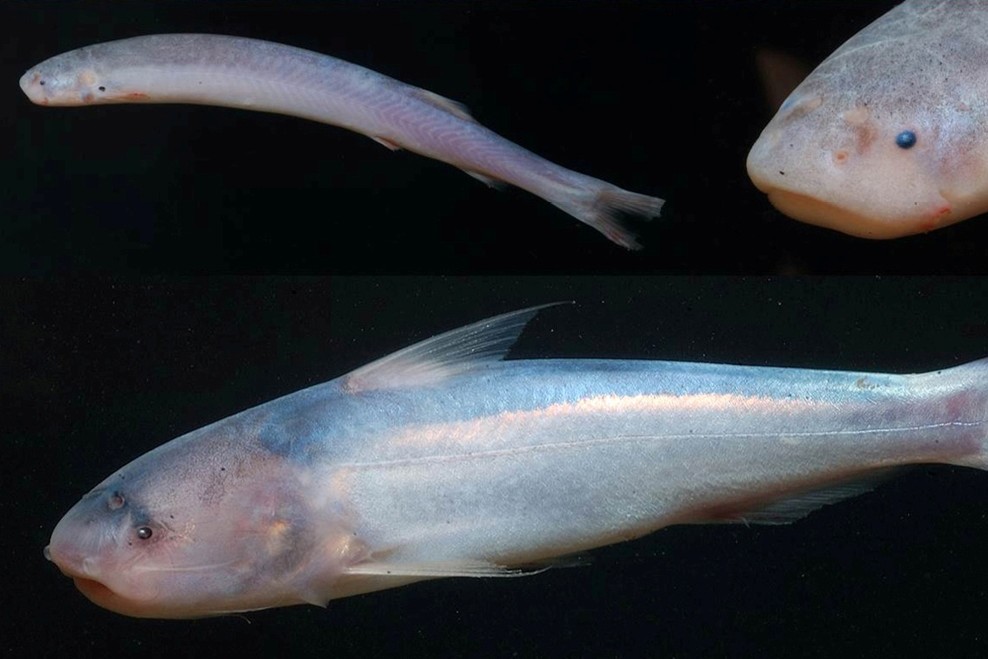
Candiru are small and difficult to see in murky water. Local legends amplify fear due to extreme stories. Anxiety surrounds bathing or swimming in certain regions.
These fish normally parasitize other fish gills. Human incidents are exceedingly rare but traumatic. Scientific debate continues regarding frequency. Fear itself shapes behavior, leading communities to avoid specific waterways during vulnerable activities despite limited documented cases.
8. Payara fish inflict severe bite injuries.
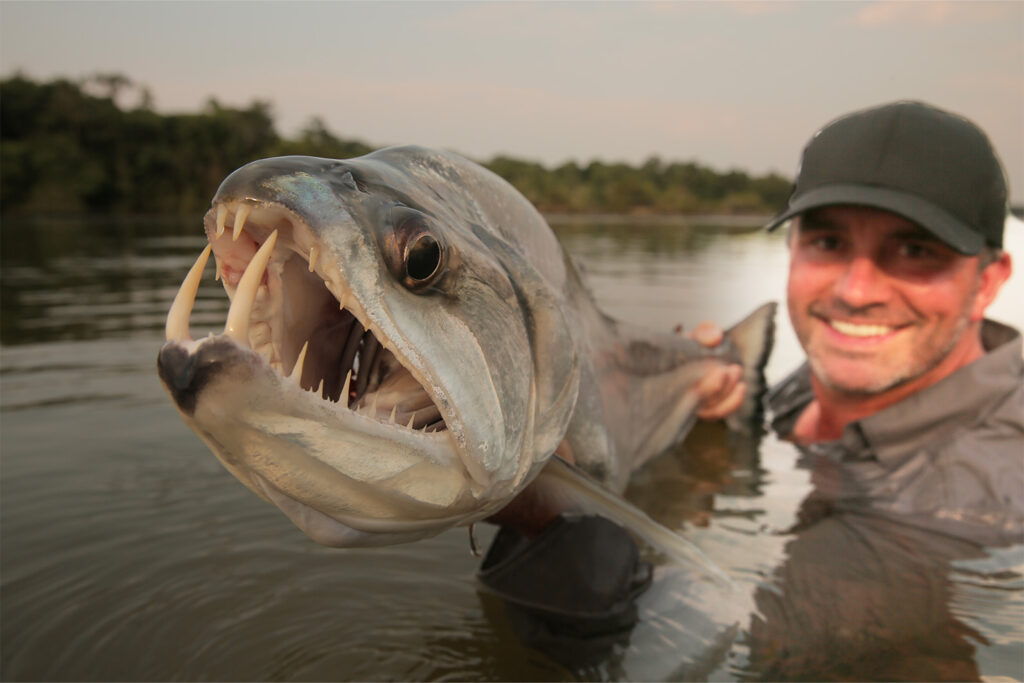
Payara possess elongated fangs capable of puncturing flesh deeply. Anglers risk injury when handling catches. Accidental bites occur during struggling removal from hooks.
They are aggressive predators feeding on fish. Human attacks are uncommon but severe when they occur. Deep puncture wounds bleed heavily. Remote river settings complicate treatment, elevating danger beyond the initial injury.
9. Arapaima can injure through sheer size and force.

Arapaima grow to massive lengths and surface explosively to breathe. Sudden movement near boats can cause collisions. Swimmers may be struck unexpectedly.
Though not aggressive, their bulk creates hazard. Defensive thrashing injures nearby humans. In shallow waters, limited space increases impact risk. Fishermen approach cautiously, respecting their strength and unpredictable movements.
10. Giant otters defend territories aggressively in groups.
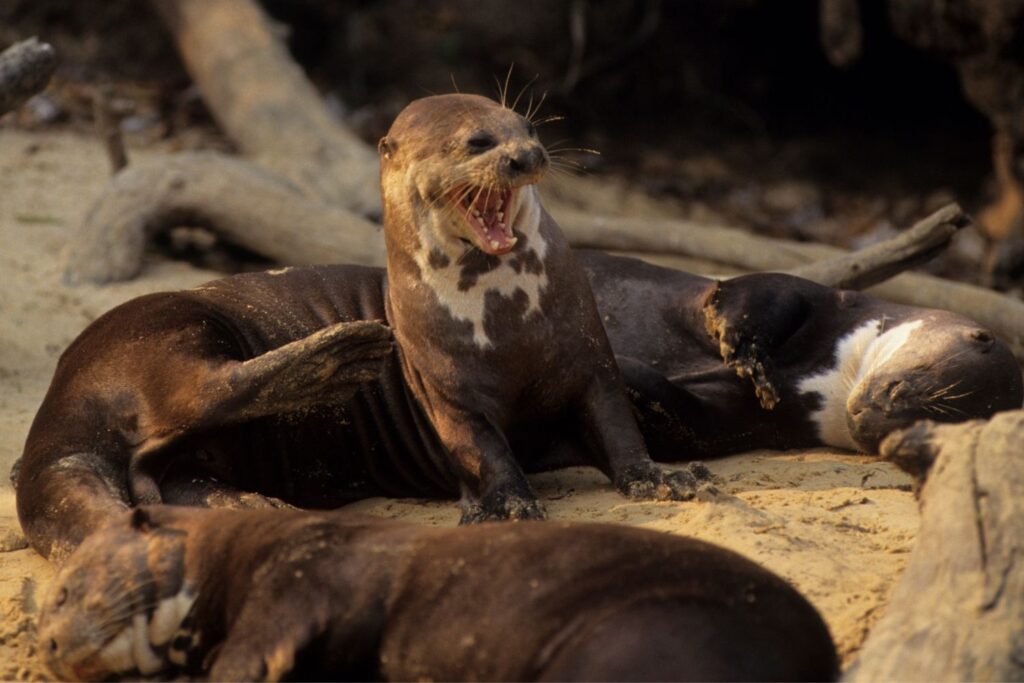
Giant otters patrol river sections cooperatively, reacting strongly to perceived threats. Swimmers entering their territory may trigger defensive behavior. Vocal warnings often precede escalation.
They possess strong jaws and coordinated attacks. While fatalities are rare, injuries can be serious. Encounters usually involve surprise or proximity to dens. Territorial defense intensifies during breeding seasons, raising risk for humans nearby.