
The atmosphere noticed what policy did first.

China’s tree planting push was sold as a straightforward fix, stop erosion, slow deserts, store carbon. Billions of seedlings later, satellite maps show greener land, but climate records show something else shifting too. Rainfall patterns began changing in ways that did not match older expectations. Some places saw wetter seasons, others felt drying pressure, and the timing of storms started to look different. The unsettling part is scale. When land changes this much, the sky may respond.
1. The Great Green Wall unfolded across northern China.
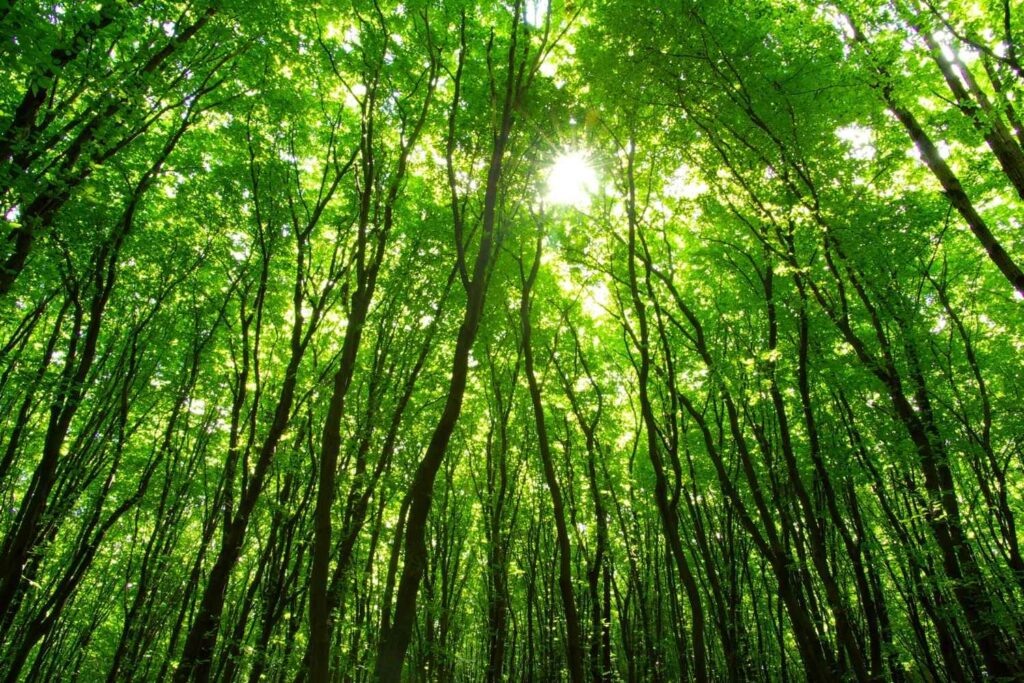
Stretching from Xinjiang through Inner Mongolia to Heilongjiang, the Three North Shelterbelt Project reshaped millions of hectares. Entire counties converted open land into forest belts meant to block wind and trap soil. The scale was continental.
As planting accelerated in the 1990s and 2000s, vegetation cover rose sharply. That transformation altered how land exchanged heat and moisture with the air. The first hints that rainfall might respond emerged as weather records diverged from twentieth century patterns, raising questions scientists were not yet prepared to answer.
2. Some regions gained rain, then planning got harder.

Farmers noticed changes before statisticians did. Rains came later, sometimes heavier, sometimes missing critical planting windows. The problem was not drought everywhere, but unpredictability.
Climate data from northern China showed altered seasonal rainfall distribution. Summer precipitation clustered into fewer, more intense events in some regions, while spring rains weakened. These shifts became clearer as forest cover expanded, as reported by Science, complicating long standing assumptions about land and sky behaving independently.
4. The Loess Plateau revealed hidden water costs.
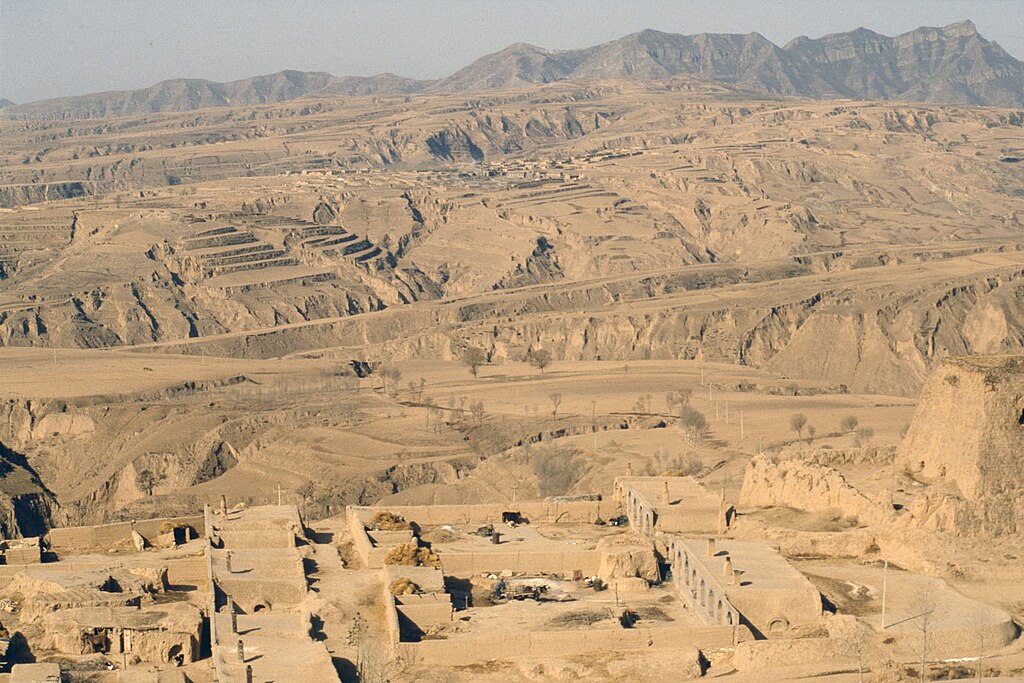
The Loess Plateau became a flagship success of Grain for Green, hillsides stabilized, erosion slowed. Yet underground, soil moisture told a different story.
Deep soil layers showed long term drying beneath forests. Trees accessed water faster than recharge could replace it. Over time, reduced soil moisture limited later evaporation, shifting when and where rain could form. The land looked restored, but its hydrology had fundamentally changed.
4. Evapotranspiration turned into a climate lever.
Each tree moves water from soil into air. Billions doing so at once changes atmospheric moisture budgets. This was not theory anymore, it was measurable.
Researchers examining land surface feedbacks found increased evapotranspiration across reforested zones. That added vapor influenced humidity and cloud formation locally and downwind. The link between afforestation and precipitation change across northern China was identified, according to Water Resources Research, reframing trees as active climate agents rather than passive carbon sinks.
5. Species choices mattered more than planners admitted.
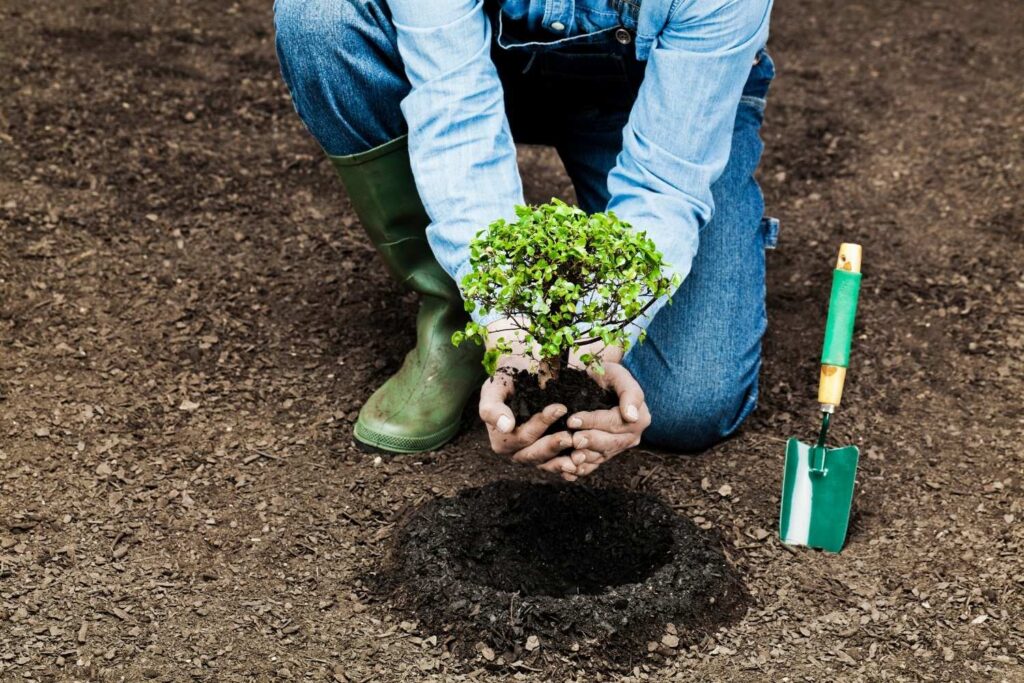
Not all trees behave the same. Some grow fast, drink heavily, and survive poorly without irrigation or deep moisture. When those species dominate planting zones, the water tradeoff becomes sharper and more politically sensitive.
Large projects often used hardy, fast growing varieties to show quick results. As stands matured, water demand rose. That can reduce runoff and recharge, especially in arid and semiarid regions. A greener landscape can still be hydrologically stressed, creating pressure beneath the canopy even while hillsides look restored.
6. Groundwater declines became part of the story.
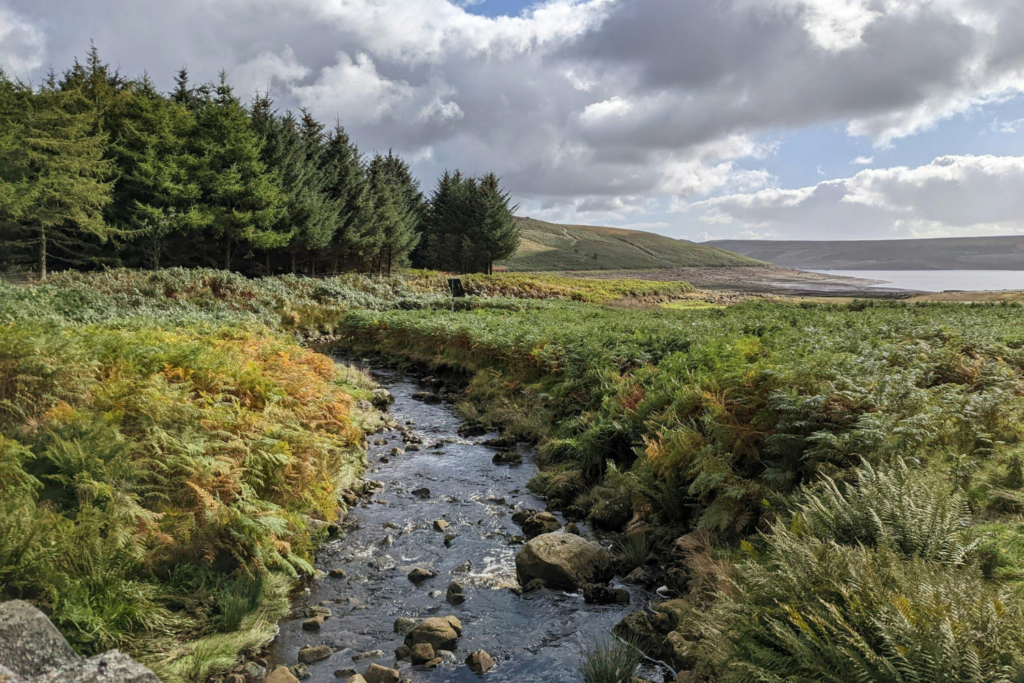
Rainfall changes attract headlines, but groundwater loss changes livelihoods. When trees pull more water from soil, recharge can slow, and wells feel it later. The delay makes the problem easy to deny until it becomes expensive.
In some northern regions, restoration increased evapotranspiration enough to reduce water yield. Lower streamflow and declining groundwater levels can follow, particularly where planting density is high. That does not mean restoration failed, but it means success carries costs that must be budgeted like any other infrastructure decision.
7. Monsoon interactions raised uncomfortable questions.
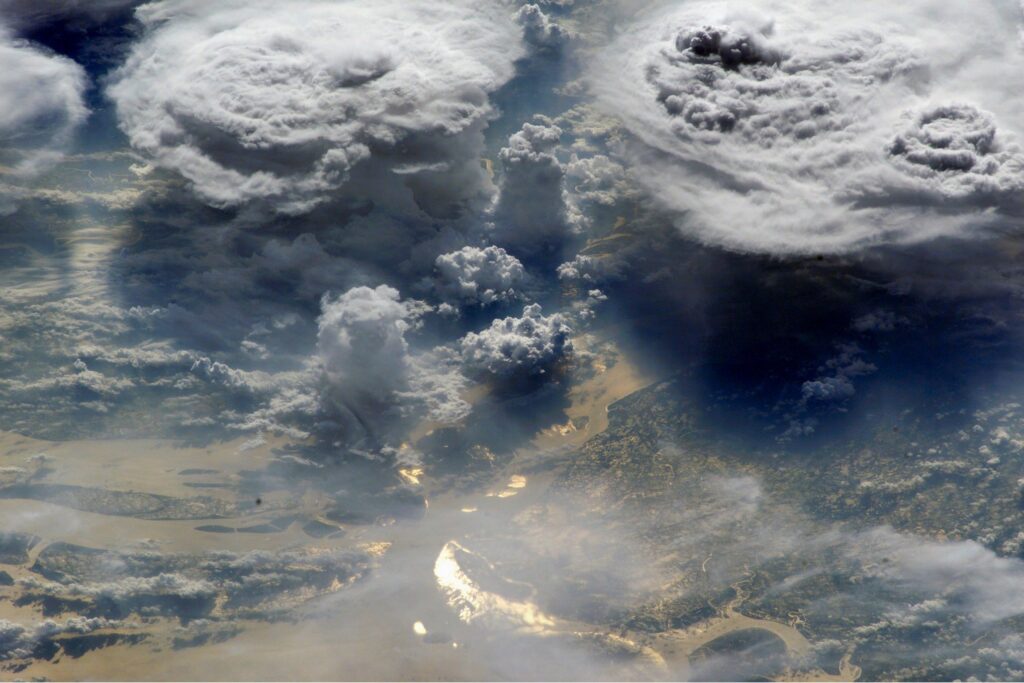
China’s rainfall depends heavily on monsoon dynamics, which are sensitive to land temperature and humidity patterns. Altering those patterns at scale risks nudging monsoon behavior in subtle ways that models struggle to pin down confidently.
Expanded vegetation can change surface roughness and heat exchange, affecting boundary layer development. That can influence how moist air moves inland and where it rises. Even small shifts in monsoon pathways can alter storm clustering, changing which provinces receive consistent rains and which face longer dry spells between events.
8. Dust reduction changed the sky’s chemistry too.

Planting trees reduced blowing dust in many areas, which sounds purely beneficial. Yet dust also affects cloud formation by providing particles that water can condense around. Changing dust loads can therefore change rain processes.
Lower airborne dust can reduce certain cloud condensation nuclei in downwind air masses. That may alter droplet size, cloud lifetime, and where precipitation ultimately falls. This adds another layer of complexity, vegetation reshapes rainfall not only through moisture pumping, but also by changing what the air carries.
9. Models started failing in ways that mattered.

Climate models are only as good as the assumptions baked into them. For years, land cover changes were treated as secondary compared with greenhouse gases. Large scale greening exposed that shortcut by producing measurable regional effects.
Researchers are now updating simulations to better represent vegetation feedbacks, especially moisture recycling and surface energy changes. The lesson is uncomfortable. Environmental policy can become a climate experiment when deployed at continental scale, and predictions may lag behind reality by years.
10. The lesson is not stop planting trees.

Trees can protect soil, store carbon, and stabilize ecosystems, all real gains. The warning is that scale changes everything. A nation sized intervention can reshape weather patterns and water security in ways that demand constant adjustment.
Future projects may need different species mixes, lower planting density in water limited zones, and tighter monitoring of moisture budgets. Restoration will likely succeed best when forestry, hydrology, and meteorology plan together, because rainfall is not just something forests receive, it is something forests can influence.