
The journey outward may quietly close the door behind.
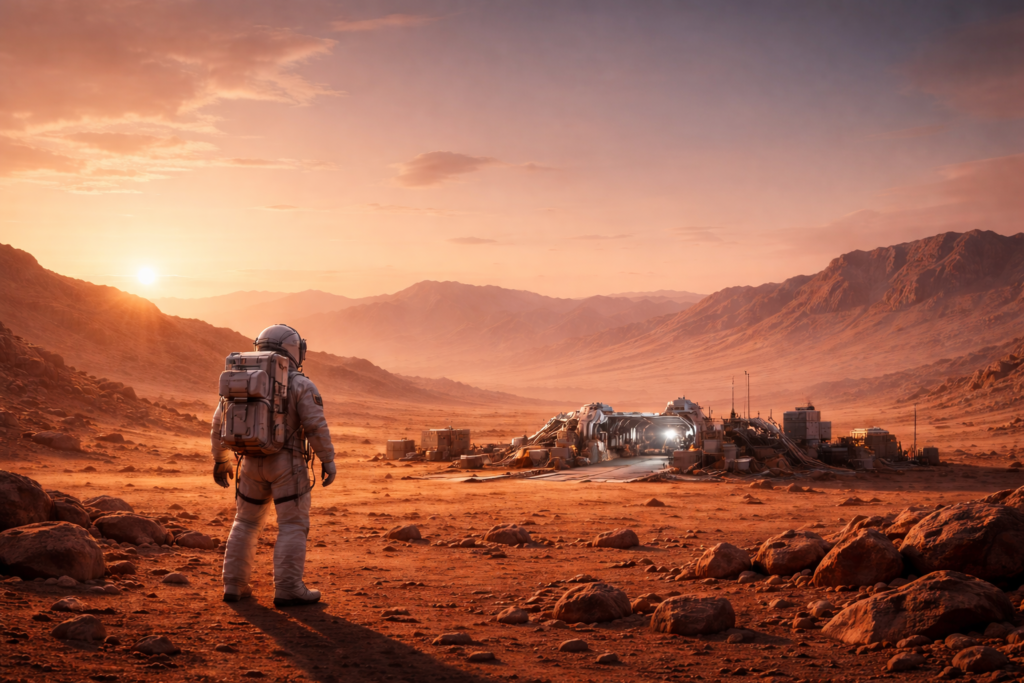
Mars is often described as the next destination, a place humanity is preparing to visit and eventually settle. What is discussed far less is what happens after arrival. Recent mission planning has quietly shifted its tone, raising questions that do not fit neatly into launch timelines or return windows. Engineers, doctors, and mission designers are circling the same unresolved problem from different angles. The concern is not a single obstacle, but a chain of uncertainties that only becomes clear once someone actually steps onto the surface.
1. Mars gravity may permanently alter the human body.
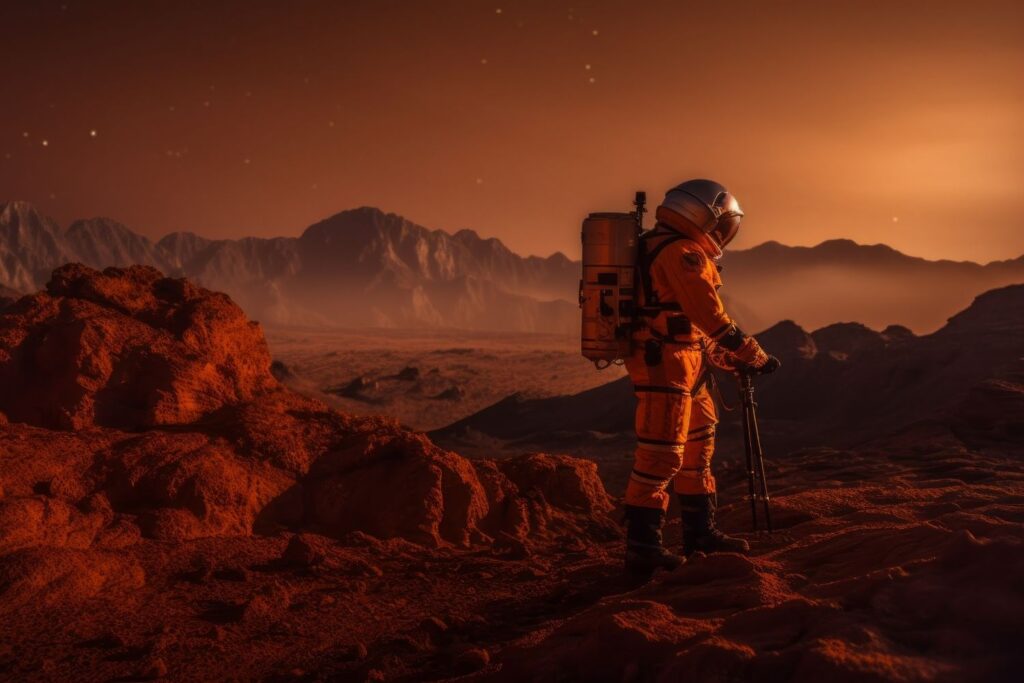
Mars gravity is only about thirty eight percent of Earth’s. Over long periods, bones lose density, muscles weaken, and the cardiovascular system reshapes itself. Astronauts already experience these effects after months aboard the International Space Station, where recovery on Earth can take years.
Extended exposure on Mars could push those changes beyond reversibility. Bones may become too fragile, muscles too degraded, and blood pressure regulation too altered to tolerate Earth gravity again. These risks are not theoretical. They are tracked continuously in astronauts, according to NASA.
2. Re adapting to Earth gravity carries life threatening risks.
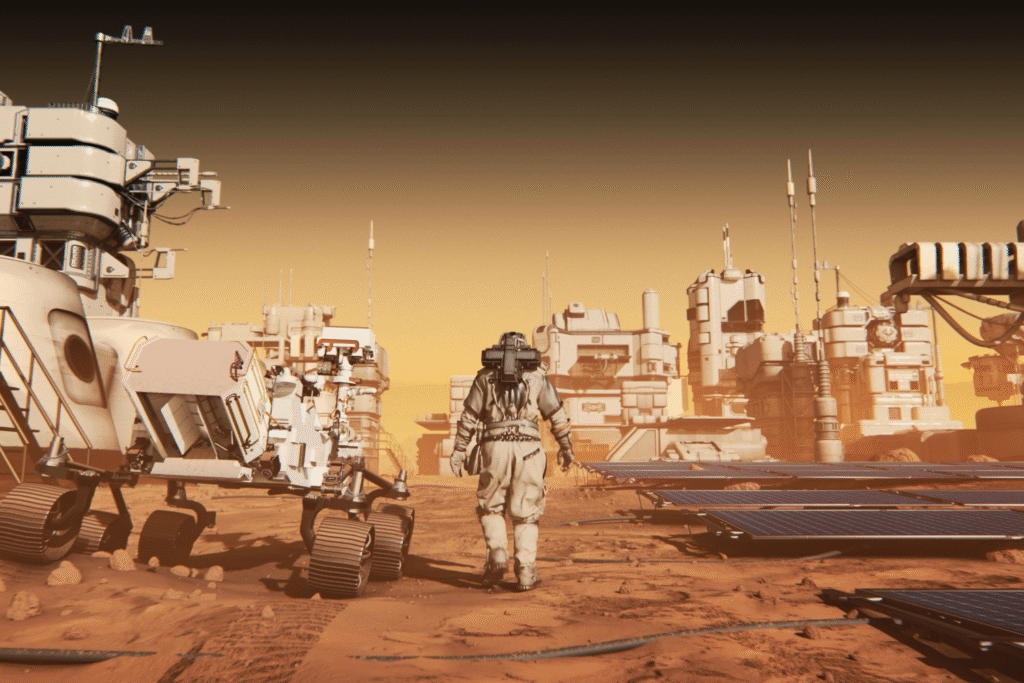
Mars gravity is roughly one third of Earth’s. Extended exposure would permanently alter muscles, bones, and cardiovascular systems. Even with exercise, full adaptation back to Earth gravity remains unproven.
As stated by the European Space Agency, prolonged reduced gravity leads to bone density loss and muscle atrophy that may not fully recover. Reentry into Earth’s gravity could overwhelm weakened systems, turning return itself into a life threatening physiological event.
3. Space radiation exposure cannot be undone.
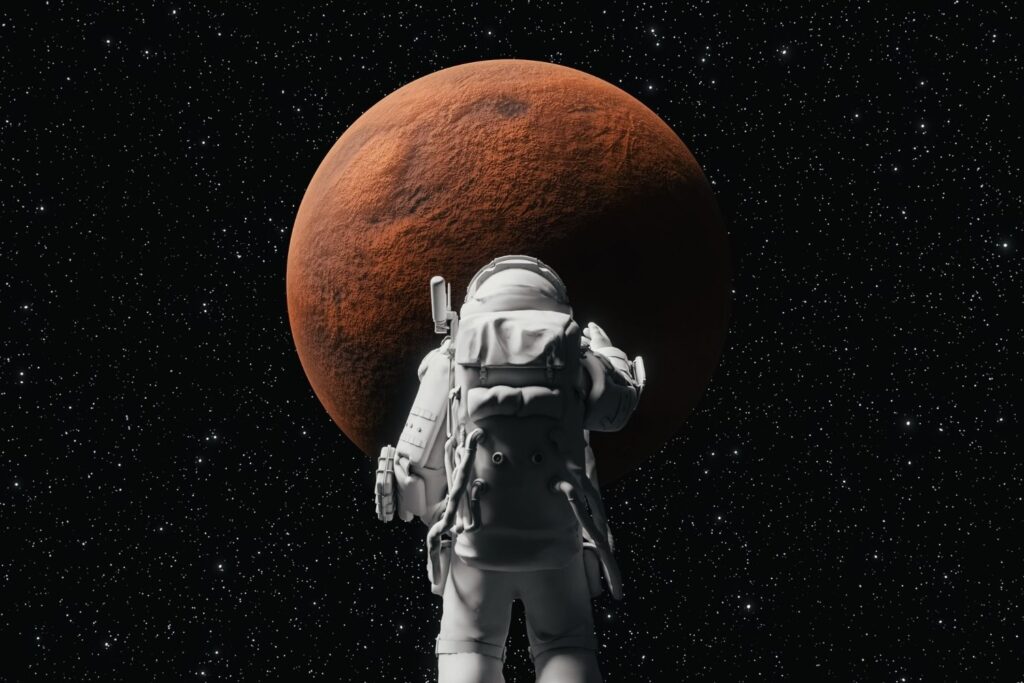
Beyond Earth’s magnetic shield, astronauts are exposed to cosmic radiation that damages DNA and tissue. Mars offers limited protection, leaving crews exposed for years.
Radiation increases cancer risk, accelerates neurological decline, and damages the cardiovascular system. These effects accumulate and cannot be reversed by returning home. Long term exposure during Mars missions exceeds any previous human experience, as stated by NASA studies on deep space radiation environments.
3. Fuel and mass constraints make return missions unlikely.
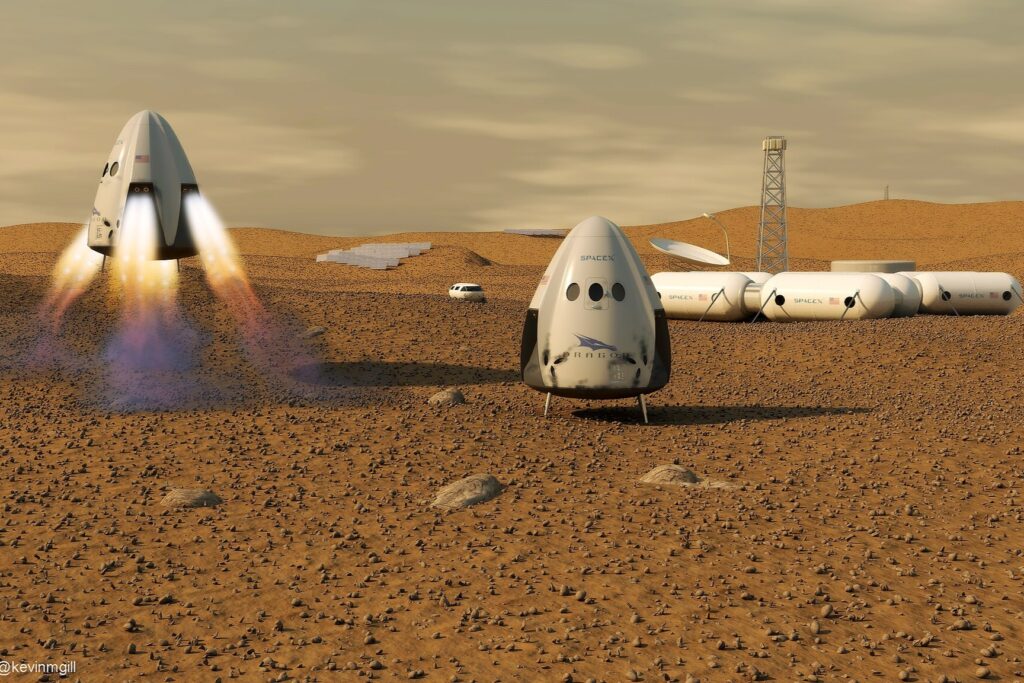
Getting humans to Mars is difficult. Bringing them back is exponentially harder. A return vehicle would require fuel manufactured on Mars or transported at enormous cost and risk. Every added kilogram compounds complexity.
As reported by NASA mission architecture assessments, current launch systems struggle to support round trip mass requirements. Any failure in fuel production or storage on Mars would strand crews, making return dependent on flawless systems operating years from Earth support.
4. Medical emergencies cannot be evacuated or treated.
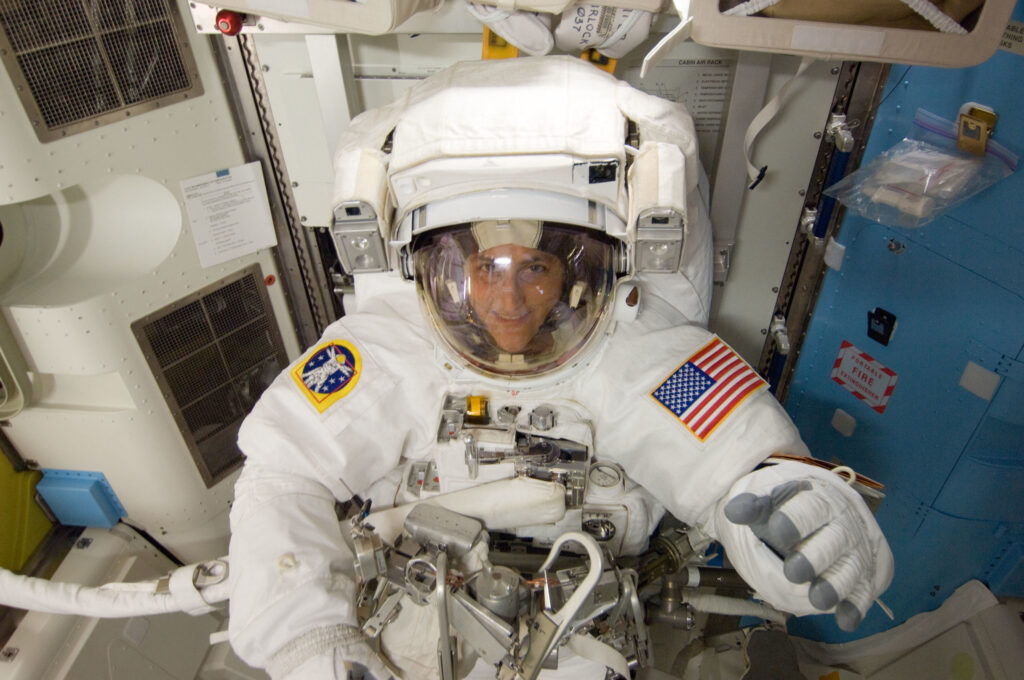
On Earth orbit missions, astronauts can return quickly if something goes wrong. Mars removes that option entirely. A medical crisis could unfold with no evacuation path and limited treatment capacity.
Even advanced onboard medicine cannot replace hospitals. Delayed communication further limits real time guidance. A serious illness or injury could render a crew member unable to survive a return journey even if a spacecraft were available.
5. Psychological separation may permanently alter decision making.
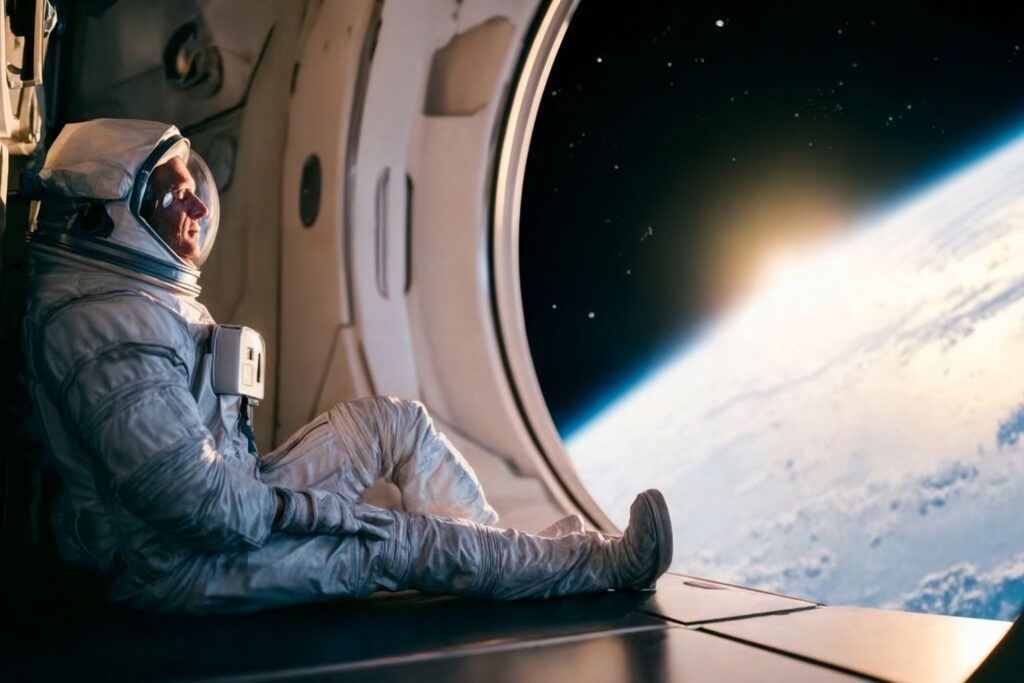
Mars missions involve years of isolation, distance, and delayed communication. Over time, cognitive framing may shift. Earth becomes abstract, while Mars becomes home.
Long duration isolation studies show changes in risk tolerance, attachment, and identity. Returning may feel destabilizing rather than comforting. Psychological adaptation to Mars could make reintegration into Earth society deeply difficult or undesirable.
6. Planetary protection rules complicate reentry approval.
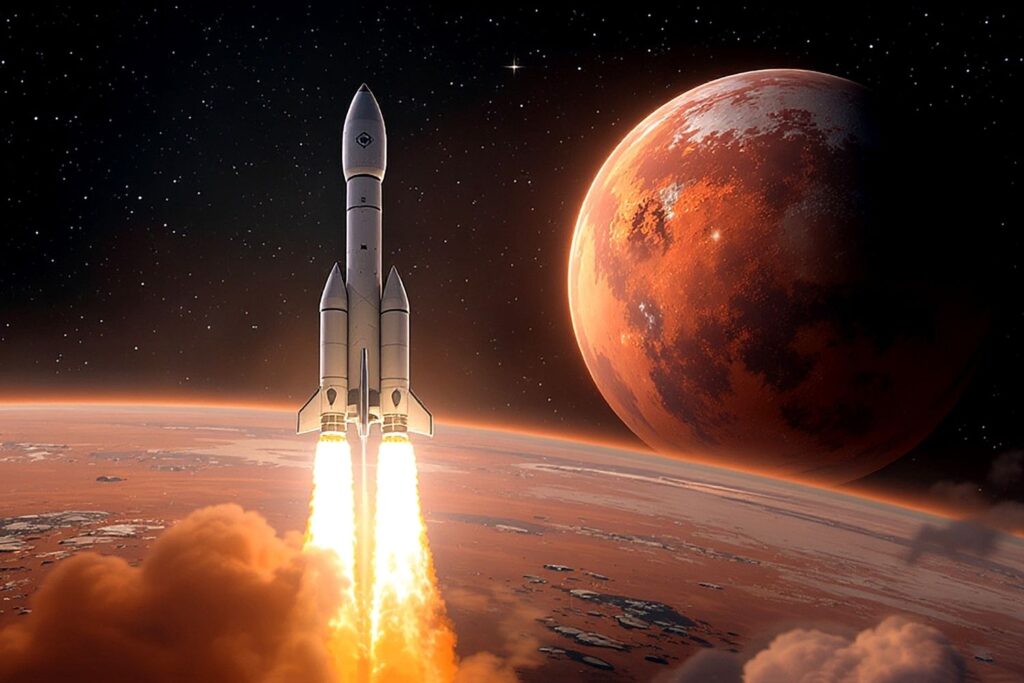
Any human returning from Mars would carry biological uncertainty. Even unlikely contamination scenarios trigger strict planetary protection concerns.
Protocols may require extended quarantine or permanent isolation. The ethical and political implications of reintroducing potential unknown organisms could delay or block return approval entirely.
7. Mission timelines exceed human career horizons.
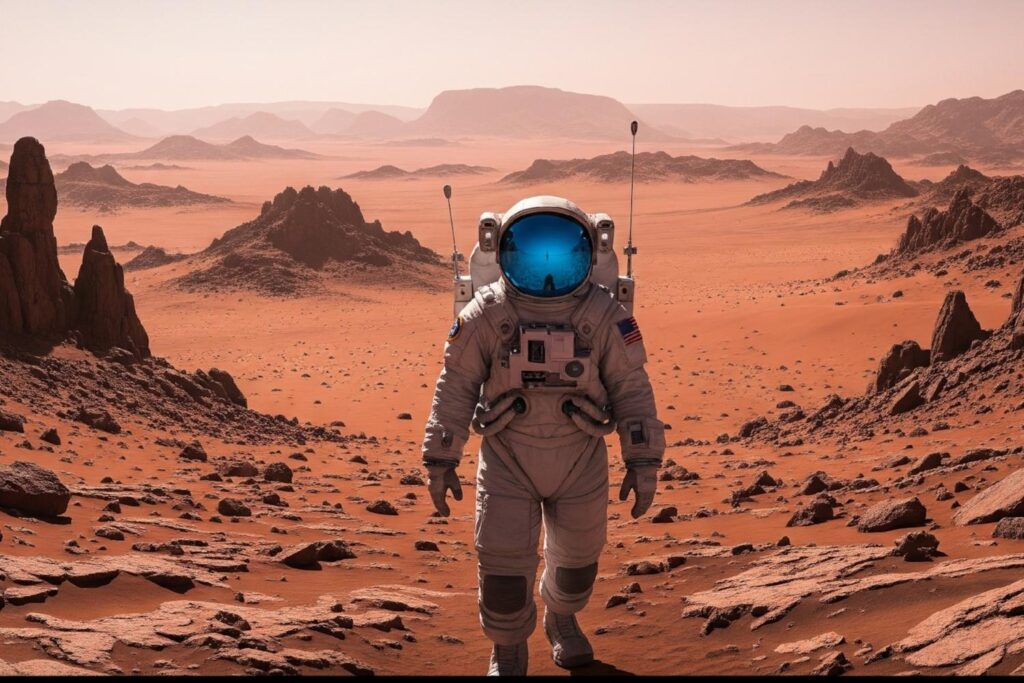
Mars missions span decades from planning to return. Astronauts who land may be near the end of their operational lifespan before a return window opens.
Age related health changes alone could disqualify return travel. A crew member might survive Mars but no longer meet Earth reentry or rehabilitation thresholds years later.
8. Infrastructure will prioritize staying, not leaving.
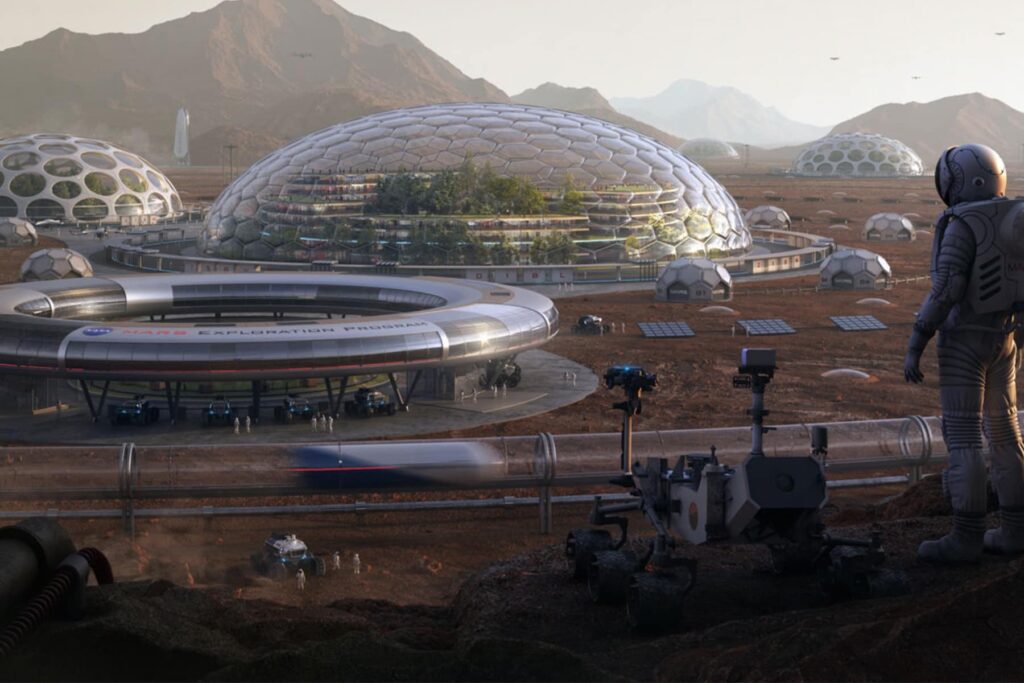
Early Mars missions will focus on survival, habitats, and resource use. Return systems add risk without immediate benefit to settlement goals.
Once infrastructure is built to stay, incentives to invest in return capability diminish. Mars becomes a destination optimized for permanence rather than transit.
9. Political will may not extend to return funding.

Launching to Mars delivers spectacle and legacy. Funding a safe return years later competes with new priorities and administrations.
History shows political momentum fades. A return mission may lose backing long before it launches, leaving crews dependent on commitments that no longer exist.
10. Mars arrival may redefine what survival means.
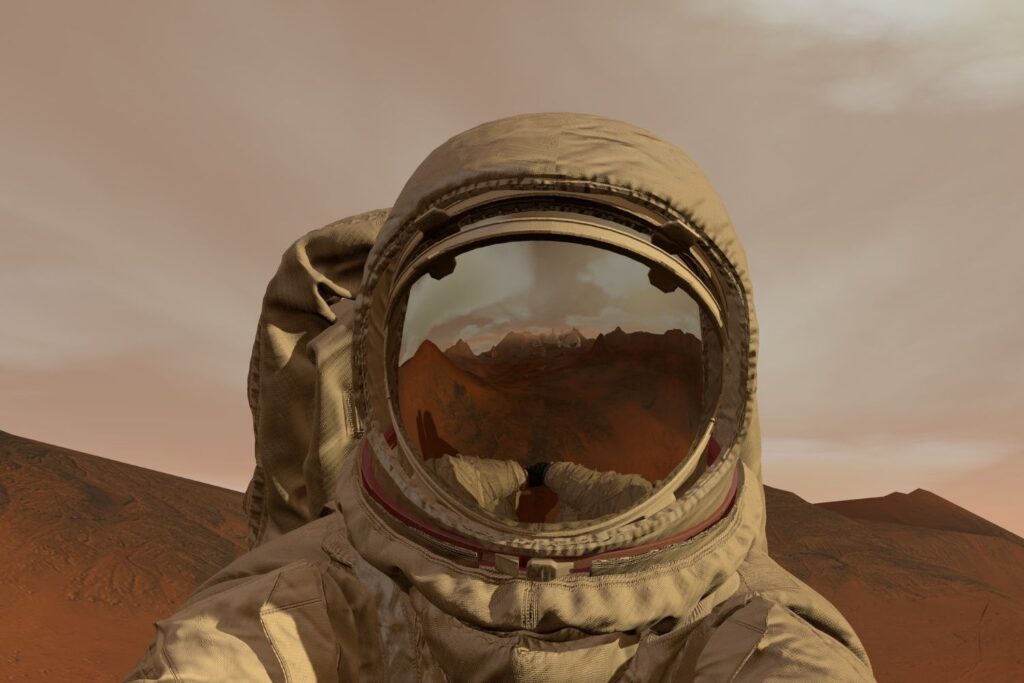
Stepping onto Mars would mark a transition, not a visit. Survival there demands total adaptation. Returning to Earth would mean undoing that transformation.
The first humans on Mars may not be trapped, but changed. The costs of return could outweigh the risks of staying, making Earth a place they remember rather than reach again.