
One satellite breakup exposed how fragile orbit has become.
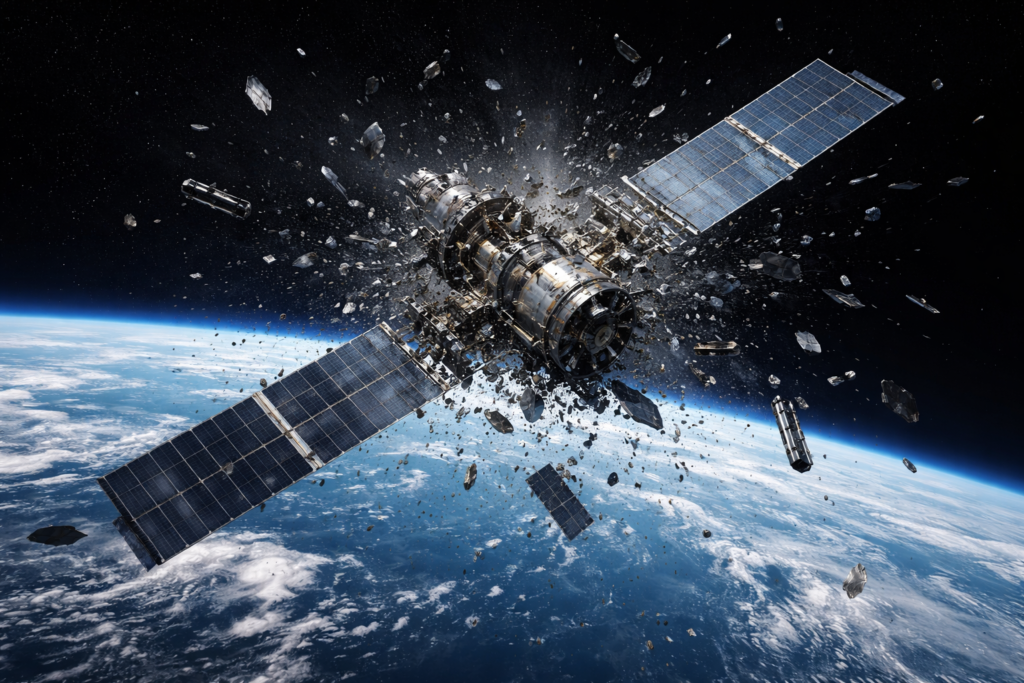
Earth’s orbit once seemed resilient, large enough to absorb isolated mistakes. That assumption collapsed after a single destructive event sent debris racing through one of the most crowded regions above the planet. What followed revealed how dependent modern life has become on space based systems that cannot be easily protected or repaired. The danger is not theoretical. It now moves overhead every ninety minutes. One shattered object changed how agencies calculate risk, forcing a reckoning with consequences that cannot be undone or quickly contained.
1. Cosmos 1408’s Destruction Turned Routine Orbit Into Immediate Risk
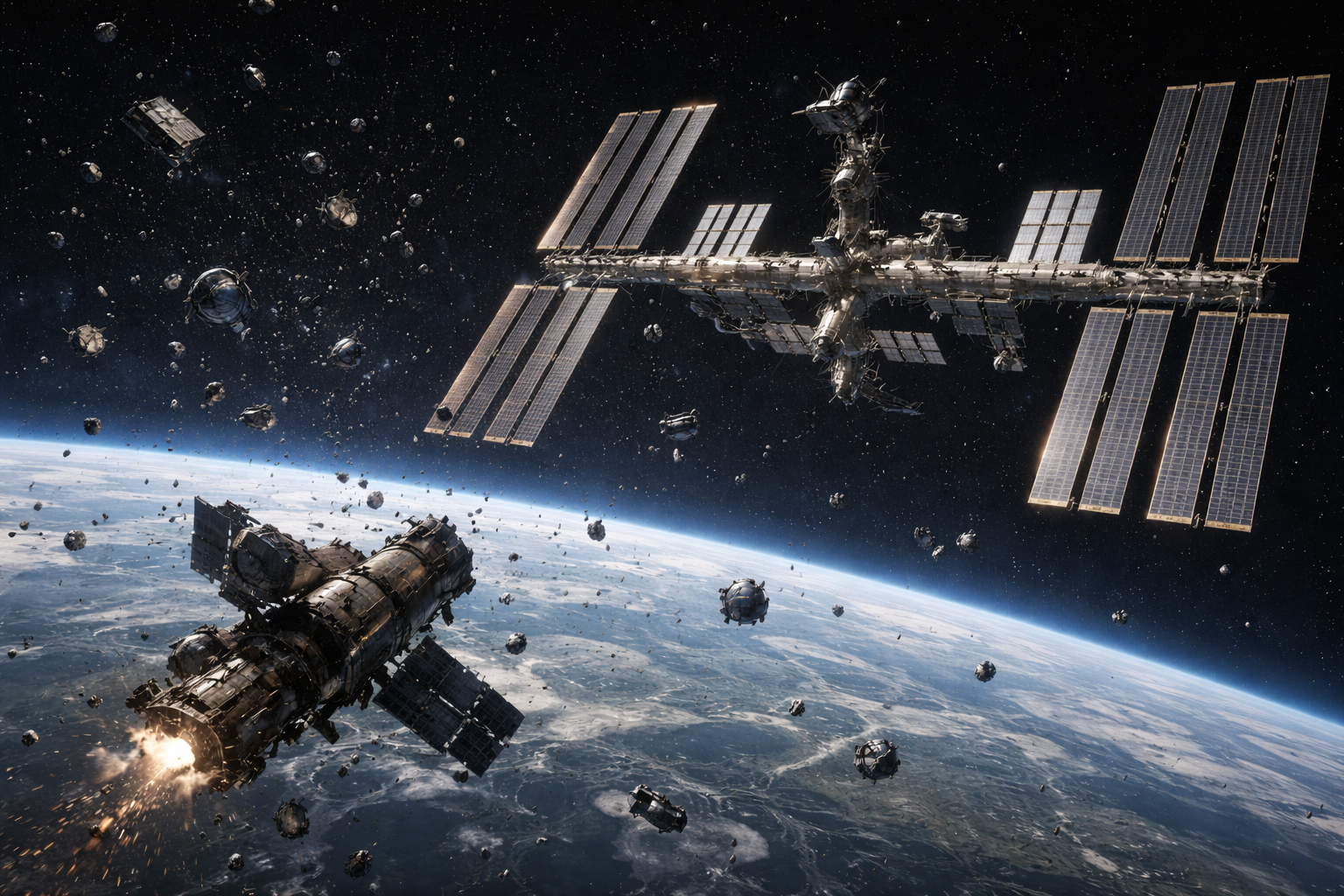
Cosmos 1408 was a defunct Russian military satellite deliberately destroyed during an anti satellite missile test in November 2021. When the strike occurred, the satellite shattered instantly, sending thousands of fragments into low Earth orbit. Within hours, debris crossed paths with active satellites and crewed spacecraft, forcing emergency maneuvers instead of routine monitoring.
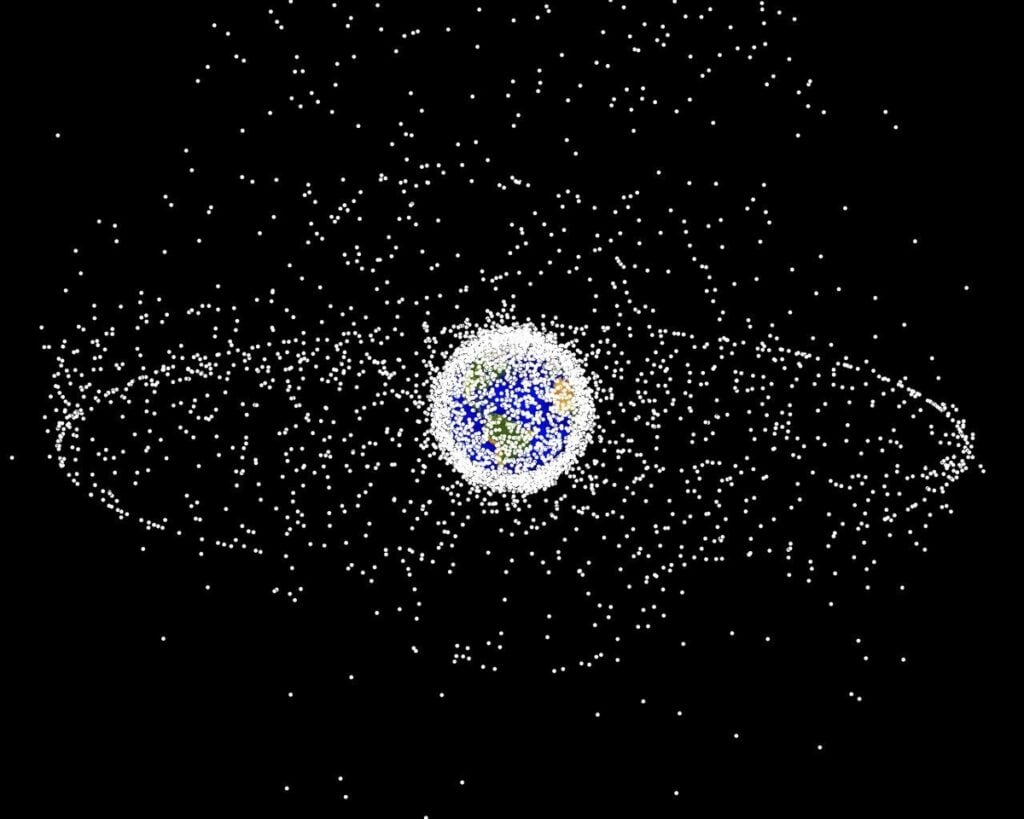
The breakup happened around 480 kilometers above Earth, an altitude where debris lingers. Many fragments remain in orbit today, each capable of triggering further collisions and compounding long term risk.
2. Debris from one breakup multiplied collision probabilities rapidly.
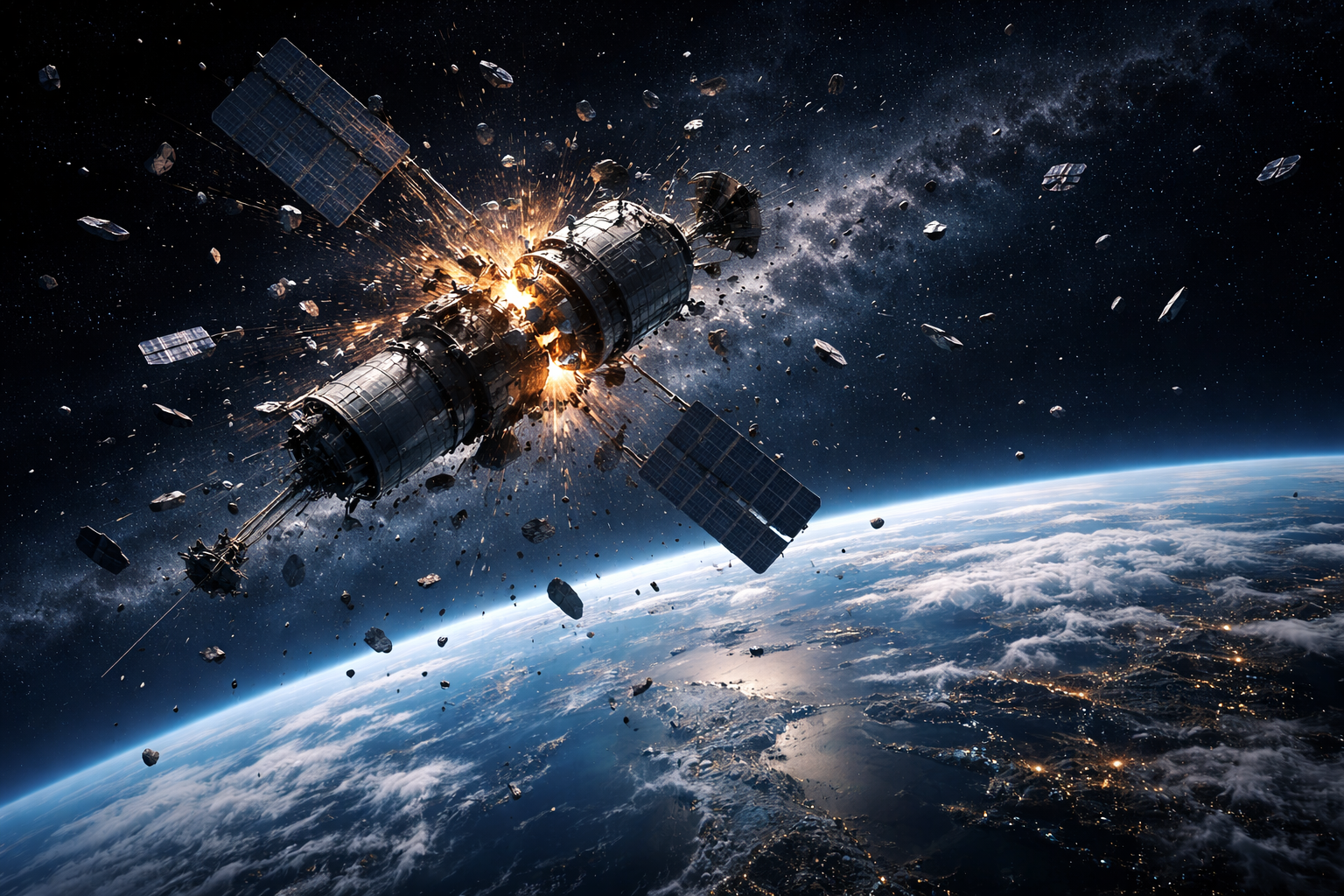
Each fragment travels faster than a rifle bullet, turning even paint sized pieces into lethal hazards. One impact can generate thousands more objects, compounding danger beyond linear growth. The risk does not remain localized.
As fragments disperse, collision probability rises across multiple orbital paths. Satellites must maneuver more often, consuming limited fuel. The environment becomes increasingly unstable. Avoidance shifts from precaution to necessity. Once density reaches certain thresholds, containment becomes mathematically unlikely rather than operationally difficult.
3. Tracking systems cannot see the most dangerous debris.
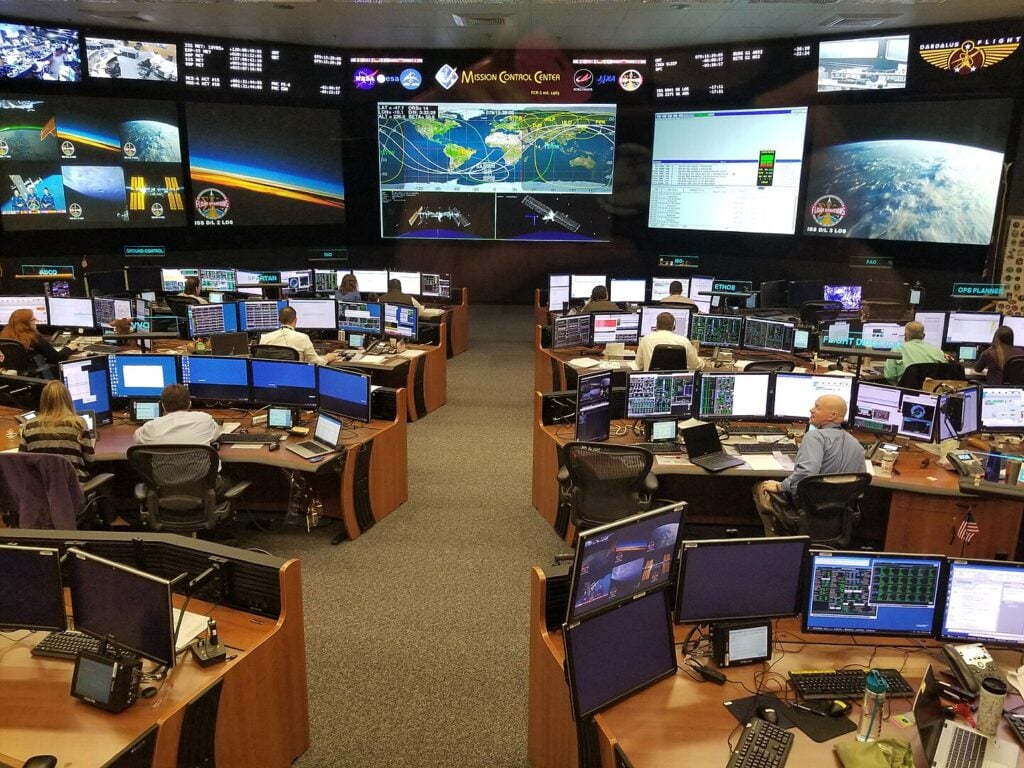
Radar networks track larger objects reliably, but smaller fragments remain invisible. These untracked pieces still carry enough energy to cripple spacecraft. Operators must act without full awareness of surrounding threats.
Collision warnings rely on incomplete data. Decisions are made with uncertainty baked in. As debris populations increase, blind spots expand. Safety margins shrink even when tracking systems perform as designed. The danger grows not because systems fail, but because the environment exceeds their limits.
4. Satellite operators now face constant evasive decisions.
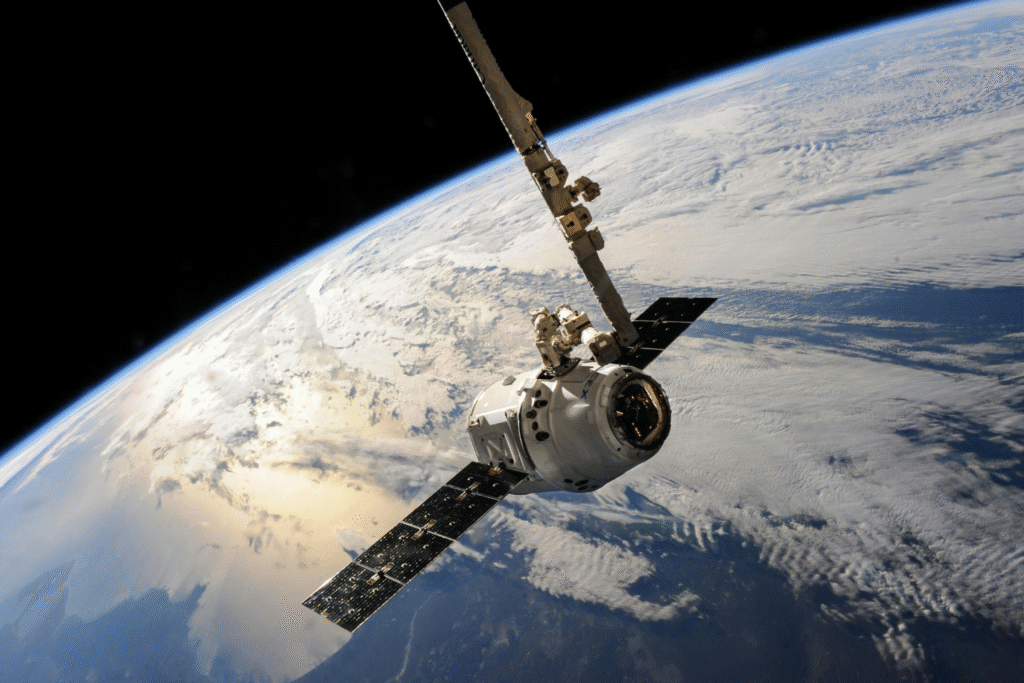
Conjunction alerts arrive with increasing frequency. Each maneuver reduces satellite lifespan by burning fuel that cannot be replaced. Ignoring alerts risks sudden failure.
Operators weigh probabilities under time pressure. Some maneuvers prove unnecessary. Others arrive too late. This constant strain reshapes satellite management into reactive risk avoidance. Long term mission planning gives way to short term survival, degrading reliability across entire constellations.
5. Civilian infrastructure depends on unstable orbital systems.
Navigation, communication, and weather forecasting rely on uninterrupted satellite service. A single collision can disrupt coverage across regions instantly. Redundancy offers limited protection when replacements face the same hazards.
Air travel routing, emergency response timing, and financial transactions all depend on orbital stability. A major debris cascade could disable multiple services simultaneously. Recovery would take years. The threat reaches far beyond space agencies into daily life.
6. Military assets face equal exposure to debris hazards.
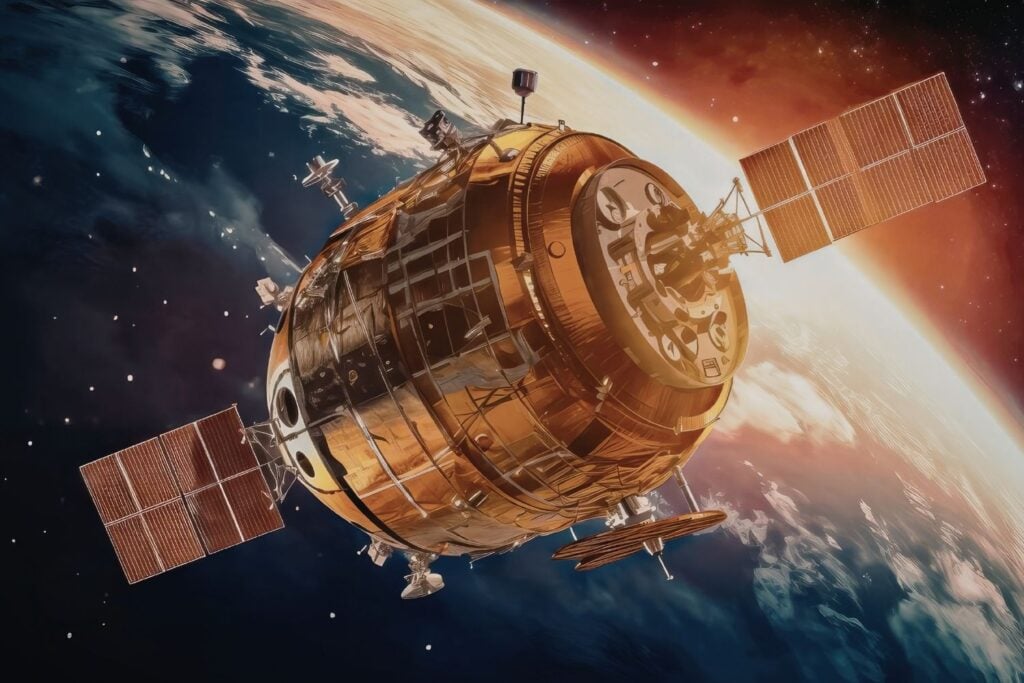
Defense satellites occupy predictable orbits optimized for coverage, not agility. Debris fields do not distinguish between civilian and military targets. Strategic systems face non hostile threats with severe consequences.
Surveillance, early warning, and secure communication platforms operate under increasing uncertainty. Even accidental collisions can degrade deterrence capabilities. Orbital debris introduces strategic risk independent of intent, complicating defense planning across nations.
7. Cleanup technology remains far behind debris growth.
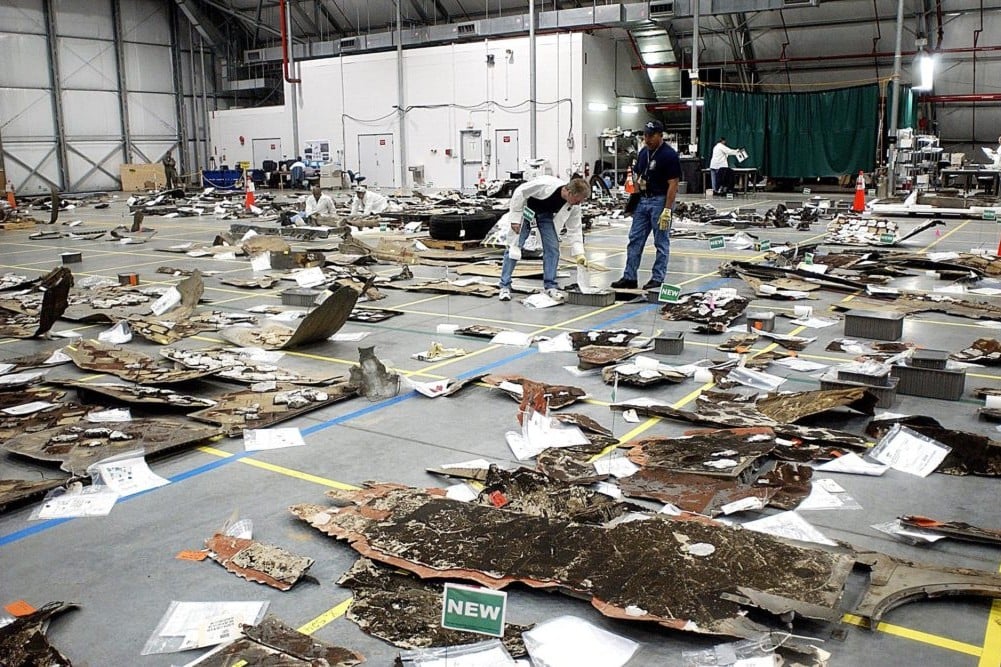
Removing debris requires precision, fuel, and cooperation. Capturing one object barely dents the overall population. Demonstrations show promise but lack scale.
Legal questions complicate removal efforts. Ownership of debris remains disputed. Without clear authority, cleanup stalls. Meanwhile, debris continues accumulating. The gap between problem growth and solution capacity widens each year.
8. Existing space rules fail to prevent harmful actions.

International agreements discourage interference but lack enforcement. Consequences remain diplomatic rather than practical. Accountability does not match the scale of damage.
Without binding restrictions, nations act independently in shared orbital space. Military tests and accidental collisions impose global costs. Governance lags behind technology, allowing risk to spread unchecked across generations of spacecraft.
9. Launching new satellites grows increasingly hazardous.
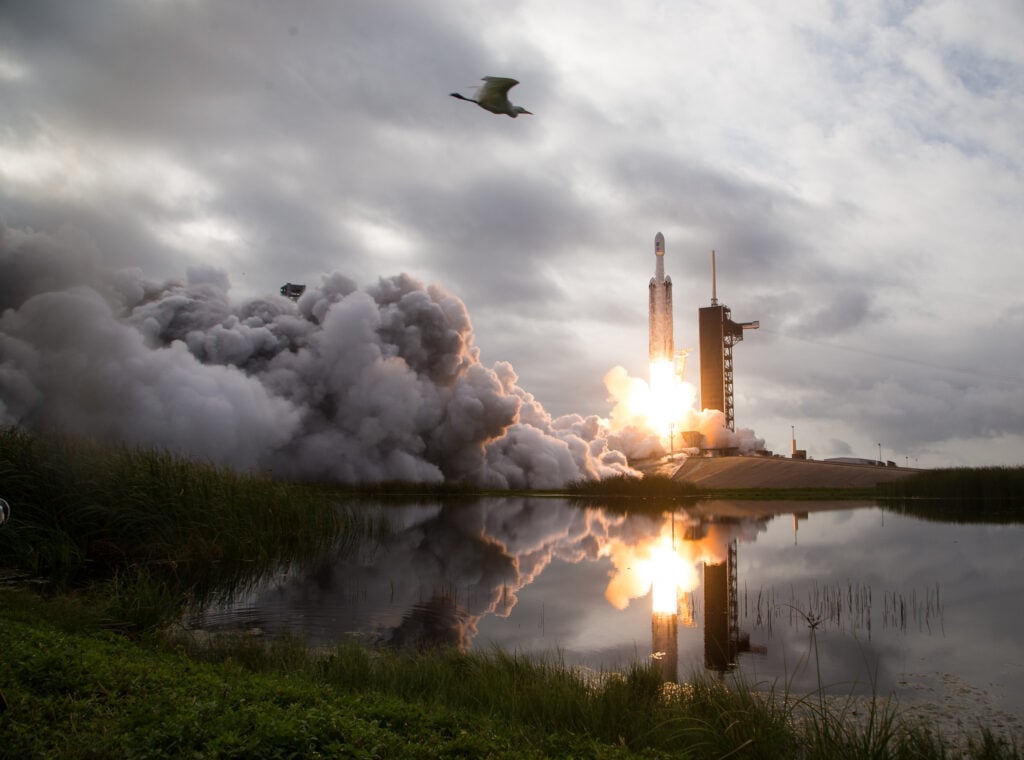
Rockets must pass through debris filled corridors during ascent. Deployment phases face elevated collision risk. Insurance costs rise as probabilities shift.
Mission planners adjust trajectories and schedules to avoid hazards. Some orbital bands approach saturation. Over time, certain altitudes may become unusable. Access to space grows more complex and expensive with each fragment added.
10. The crisis exposes how fragile space dependence truly is.
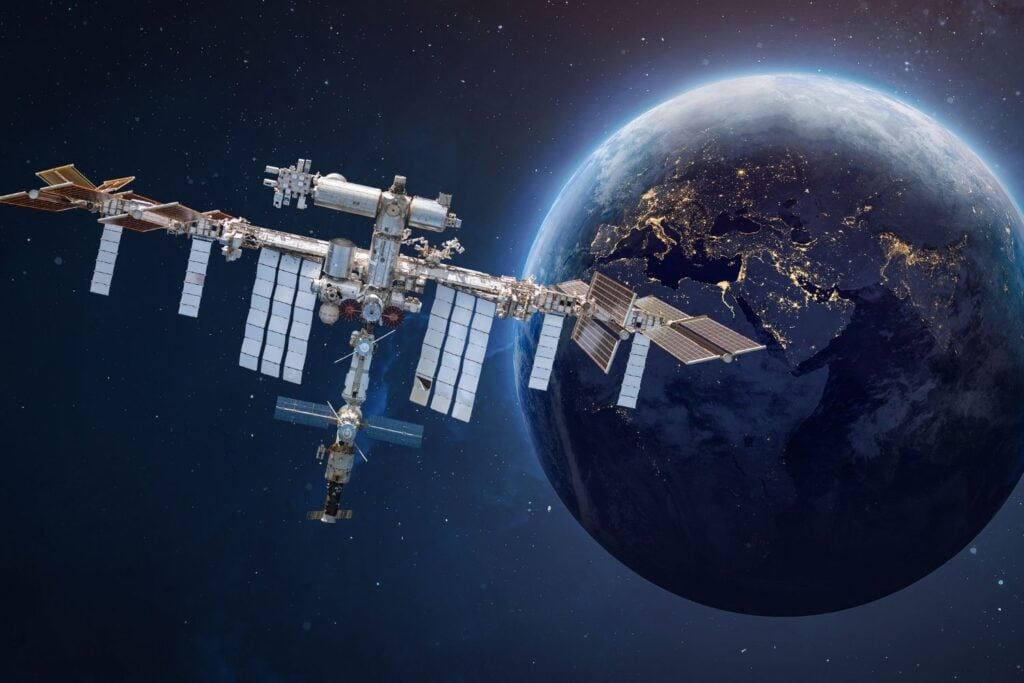
Modern society assumes satellites will function without interruption. That assumption weakens each year. Recovery from widespread orbital disruption would take decades.
The destruction of Cosmos 1408 did not create space debris, but it accelerated exposure. The crisis now unfolds continuously. Each orbit compounds risk. Unlike disasters on Earth, orbital damage cannot be cleaned or reversed quickly.