
Their solution worked long before science named it.
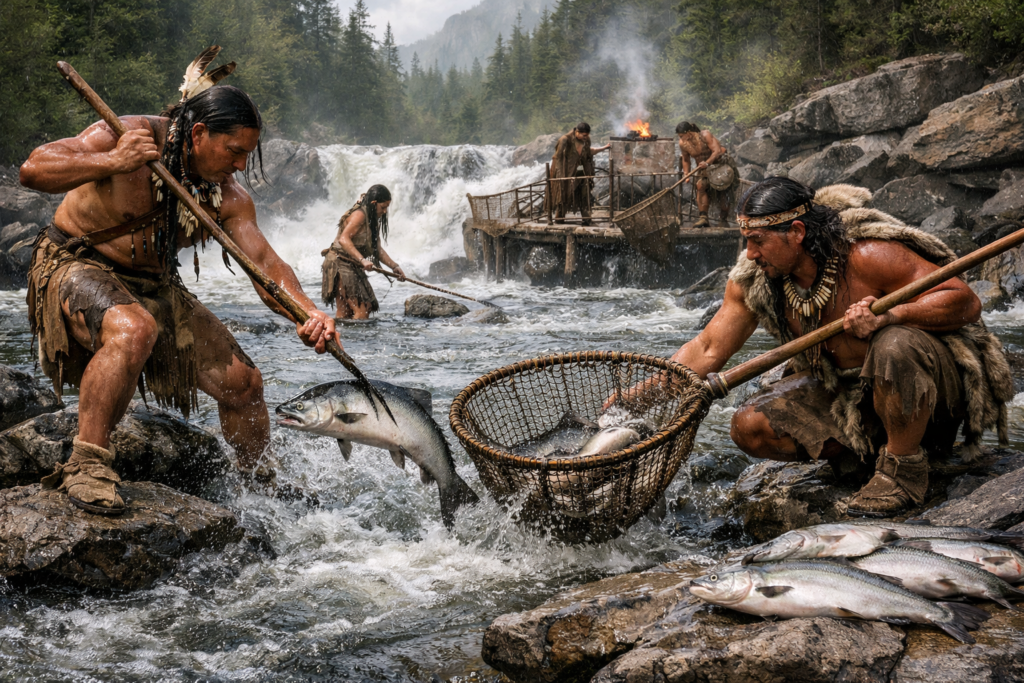
Salmon once moved through Pacific Northwest rivers in numbers almost impossible to imagine today. Entire cultures depended on their return, yet overharvest or mismanagement could have collapsed food systems long before colonial contact. Instead, Indigenous nations developed systems that kept salmon runs resilient across centuries of climate shifts and population changes. The methods were practical, enforced, and deeply social, but rarely framed as science until recently. As modern fisheries struggle, researchers are looking backward with new urgency, realizing this was not accidental success.
1. Fish weirs controlled harvest without collapsing salmon runs.

Salmon abundance created a paradox. Taking too many fish in peak season could starve communities later. Early mistakes would have carried severe consequences, making restraint essential rather than optional.
Pacific Northwest tribes built fish weirs that selectively harvested salmon while allowing enough to pass upstream. These structures regulated timing and volume rather than maximizing short term yield. According to research summarized by regional archaeologists, weirs were dismantled after harvest to ensure escapement. The system balanced immediate needs with future survival, embedding sustainability into daily practice.
2. Harvest limits were enforced through cultural authority.
Rules without enforcement fail quickly when food security is at stake. Salmon scarcity could trigger conflict, hunger, or migration if unchecked.
Tribal leaders regulated fishing rights through lineage, ceremony, and social accountability. Fishing locations were owned, inherited, and monitored. Violations carried social consequences, not just punishment. As stated by anthropologists studying Coast Salish governance, these systems functioned as effective resource law. Compliance was reinforced through shared dependence rather than coercion, keeping pressure off salmon populations.
3. Seasonal timing prevented damage to spawning cycles.
Catching salmon at the wrong moment could devastate entire runs. Timing mattered as much as technique, especially when multiple species returned at different intervals.
Tribes carefully timed harvests to avoid peak spawning windows. Fishing paused when runs weakened or environmental conditions shifted. Oral calendars tracked water temperature, moon cycles, and fish behavior. As reported by fisheries historians, this timing protected genetic diversity within salmon populations. The result was resilience across decades that modern management struggles to replicate.
4. Habitat engineering protected spawning grounds upstream.
Healthy salmon runs depend on more than harvest control. Degraded habitat can erase even careful fishing practices.
Tribes actively maintained riverbanks, removed debris selectively, and protected side channels. Beavers, wood placement, and flow patterns were managed to support juvenile salmon. These interventions stabilized streams without disrupting natural dynamics. Habitat stewardship ensured that spawning grounds remained productive even during floods or drought cycles.
5. Knowledge passed through generations without written records.
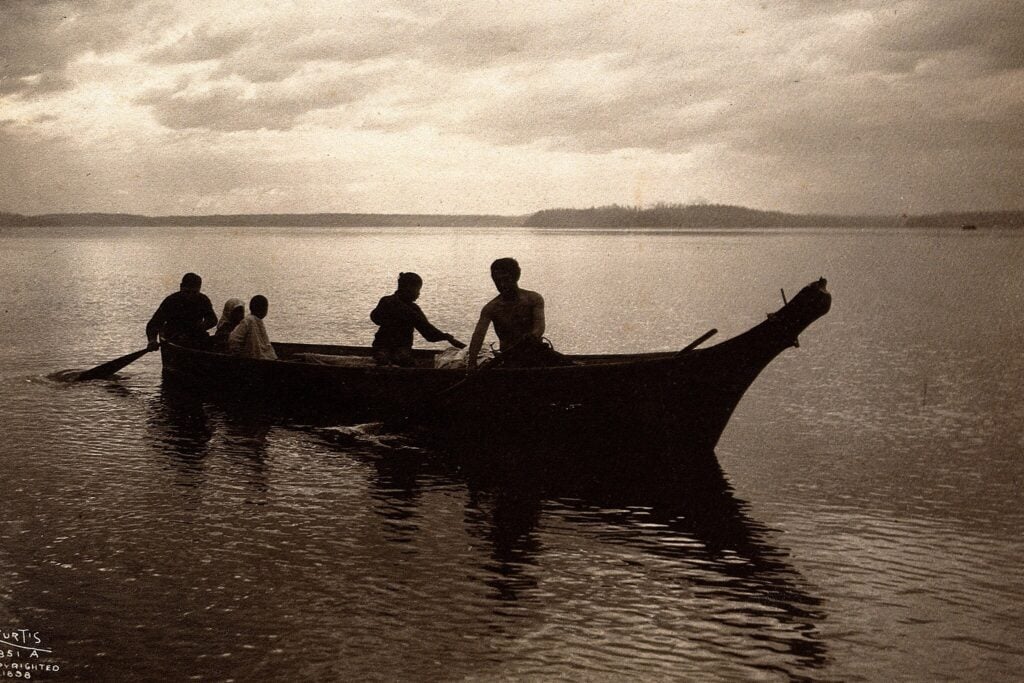
Losing ecological knowledge could have been catastrophic. Each generation faced changing river conditions and climate variability.
Ecological understanding was embedded in stories, rituals, and apprenticeships. Children learned by observing elders fish and prepare salmon. Errors were corrected through shared memory rather than experimentation alone. This continuity allowed adaptation without resetting knowledge each generation, preserving stability across centuries.
6. Trade networks reduced pressure on local runs.

Overreliance on a single river increased risk during poor seasons. Flexibility became a survival strategy.
Tribes traded dried salmon across vast distances, exchanging surplus for other resources. This reduced incentive to overfish local runs during shortages. Regional exchange networks spread risk and buffered scarcity. Economic interdependence indirectly protected salmon populations from localized collapse.
7. Spiritual beliefs reinforced restraint without constant oversight.
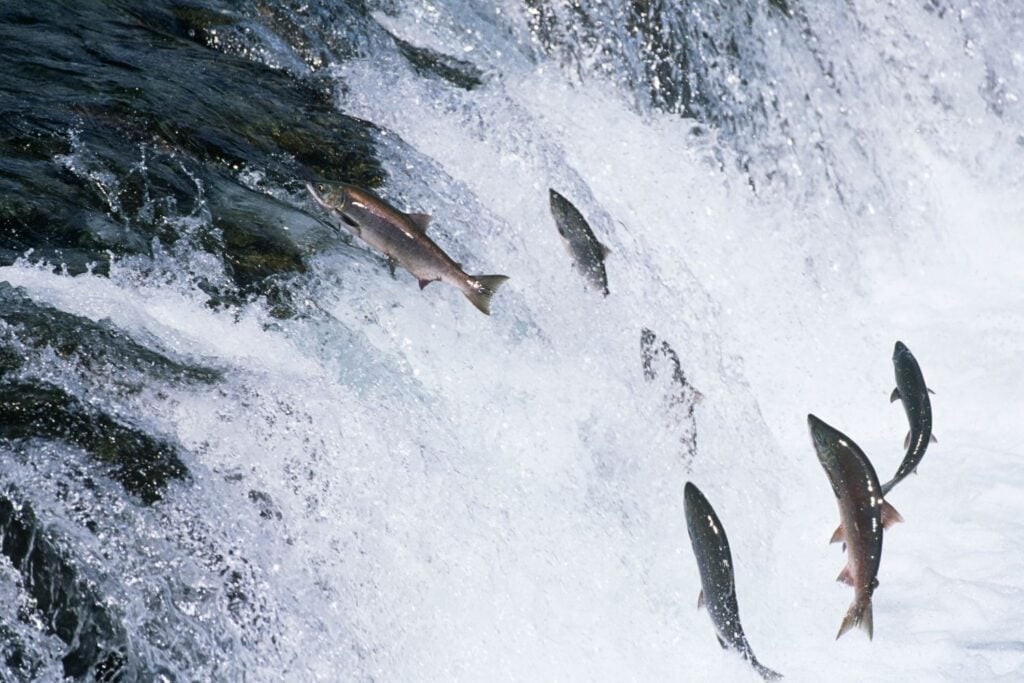
Rules enforced only by authority can erode. Belief systems provided additional reinforcement beyond leadership.
Salmon were viewed as sentient participants in reciprocal relationships. Disrespecting them risked future absence. Rituals honored first catches and thanked returning runs. This worldview discouraged waste and excess. Behavioral restraint emerged organically rather than through constant enforcement.
8. Selective harvesting preserved stronger genetic stock.
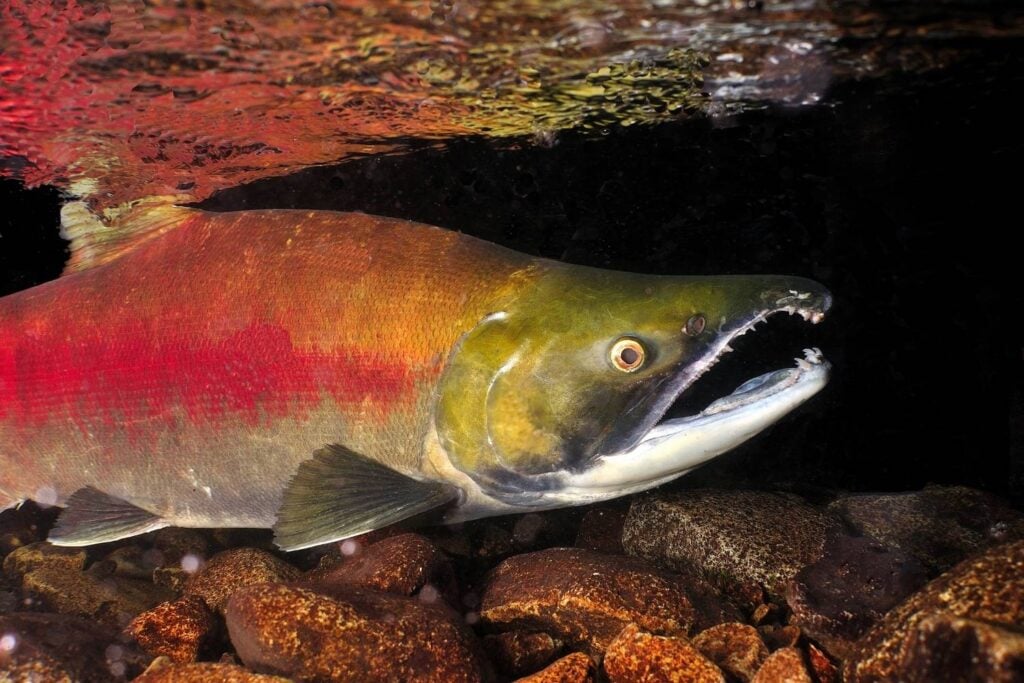
Taking the largest or weakest fish indiscriminately alters population health. Unintentional selection can weaken future runs.
Fishing methods targeted specific sizes and species at appropriate times. Nets, traps, and spears reduced bycatch compared to industrial methods. Strong breeders continued upstream. Over generations, this maintained robust salmon genetics aligned with local river conditions.
9. Modern science is only beginning to validate it.
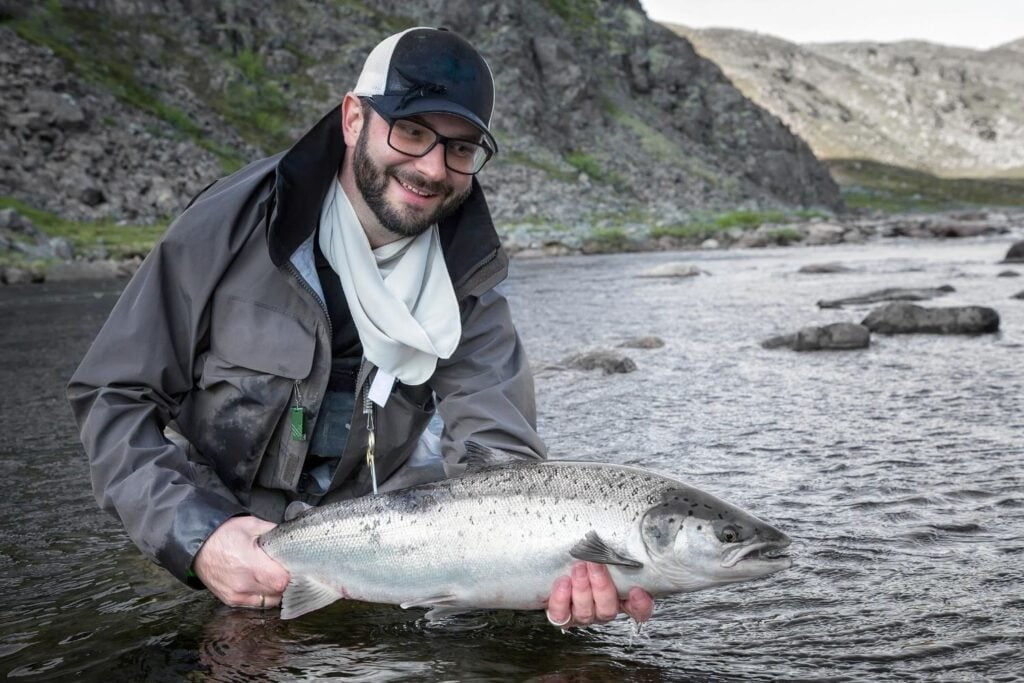
For centuries, these systems were dismissed as primitive. Industrial management replaced them with rigid quotas and infrastructure.
Recent ecological studies now echo Indigenous practices, emphasizing escapement, habitat complexity, and local control. Co management efforts increasingly incorporate tribal knowledge. What once sustained salmon across millennia is now resurfacing as a model for recovery, long after its effectiveness was proven.