
Even beloved animals are no longer exempt.

New Zealand has spent decades trying to protect species found nowhere else on Earth. Now the country is escalating its response, widening the scope of a national eradication effort that already stirs fierce debate. Officials say the survival clock is ticking for native birds, reptiles, and insects that evolved without mammalian predators. The announcement adds new urgency and new controversy, because animals long tolerated near homes are now part of the problem. What happens next will reshape ecosystems, policy, and public sentiment nationwide.
1. New Zealand expands Predator Free 2050
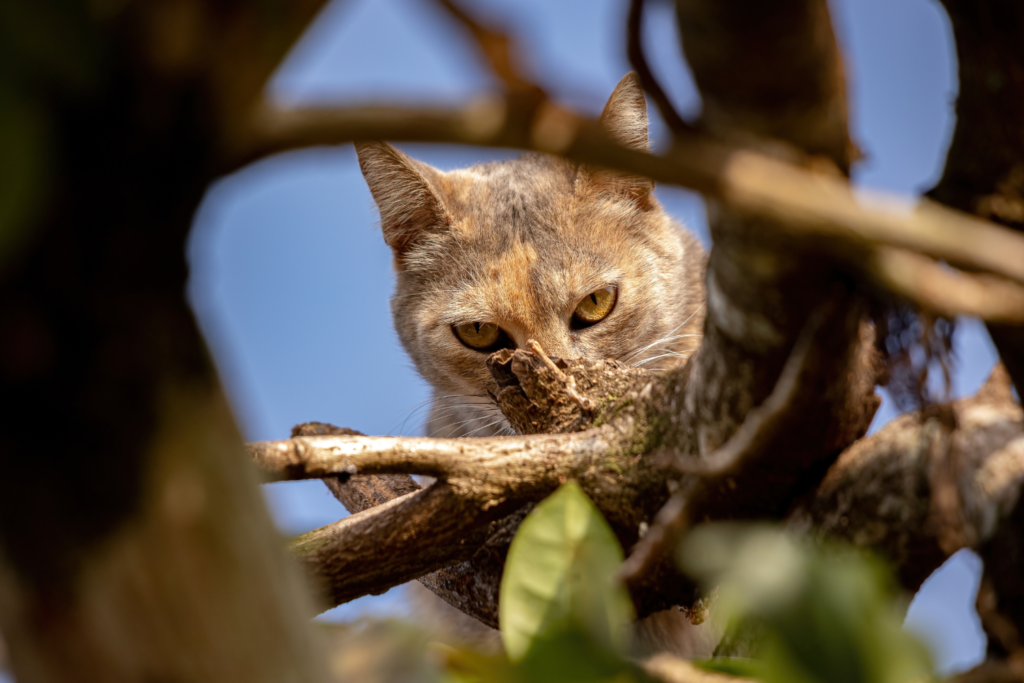
The announcement stunned many residents because cats occupy a complicated cultural space. They are family pets, barn animals, and emotional companions, yet they also hunt relentlessly. Including them marks a turning point in how seriously the government views ecological collapse. It also forces the public to confront uncomfortable tradeoffs between affection and ecological responsibility.
Officials clarified the policy targets feral and unmanaged populations, not household pets. Still, enforcement boundaries remain contentious. Cats kill millions of native animals annually, many of which cannot fly or escape. The plan reframes cats as ecological actors rather than moral exceptions. That shift alone has triggered nationwide debate and deep emotional resistance.
2. Native wildlife faces extinction without immediate intervention.
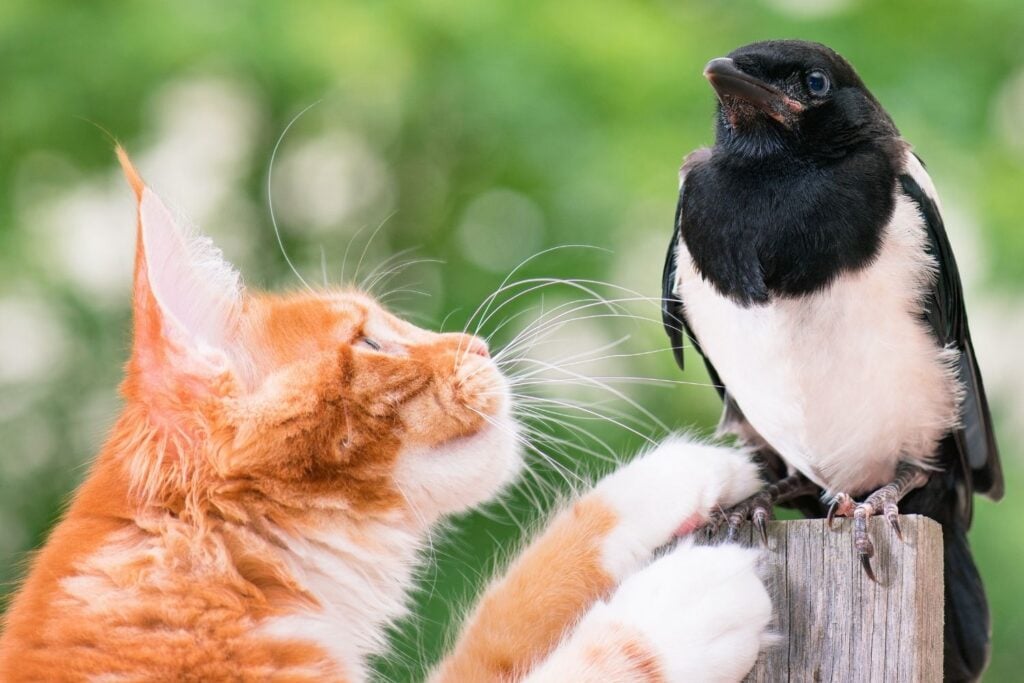
Many New Zealand species evolved without ground predators. Birds nest on the forest floor. Lizards bask openly. Survival strategies never included hiding from mammals. Once predators arrived, those traits became liabilities almost overnight.
Introduced predators disrupted food webs faster than species could adapt. Some birds lost entire generations in a single breeding season. Conservationists warn remaining species are nearing irreversible decline. Delay increases the likelihood that recovery becomes impossible. The plan is framed as emergency response, not ideology. Officials argue inaction guarantees loss rather than neutrality.
3. Rats remain the most destructive invasive predator nationwide.
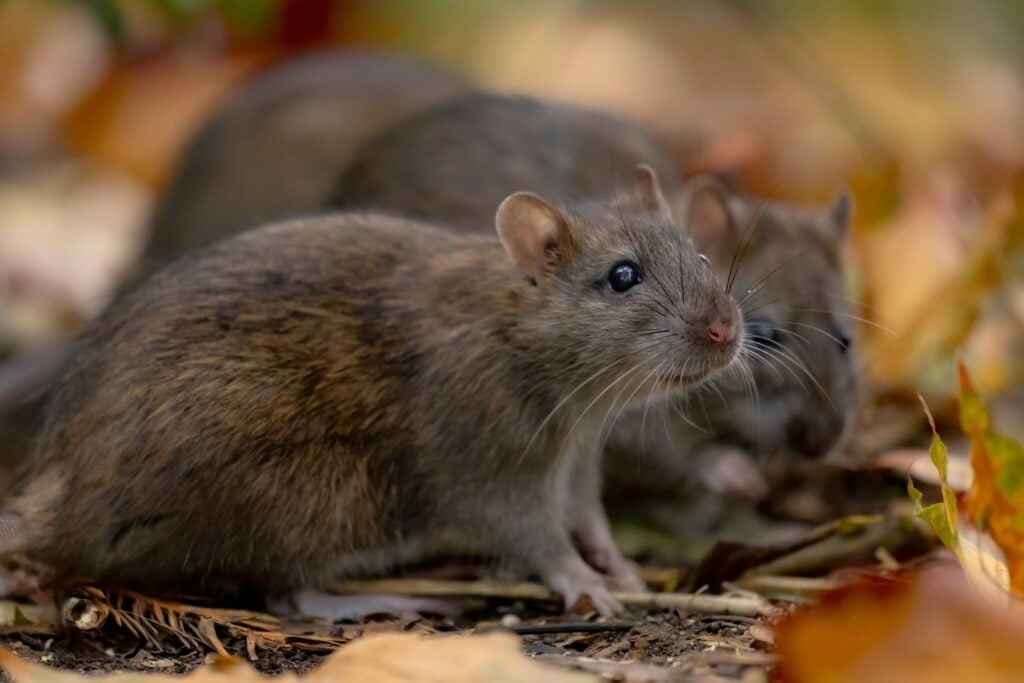
Rats reach nearly every ecosystem, from dense cities to remote alpine valleys. They consume eggs, chicks, insects, seeds, and even native snails. Their ability to thrive in nearly any environment makes them uniquely dangerous. Small populations can devastate wildlife silently.
Rats reproduce rapidly and recover quickly after control efforts. Even brief lapses allow populations to rebound. Removing rats often produces immediate ecological recovery. Bird nesting success increases. Forest regeneration accelerates. Because of this outsized impact, rats remain a primary focus of nationwide eradication planning.
4. Stoats devastate bird populations faster than expected.
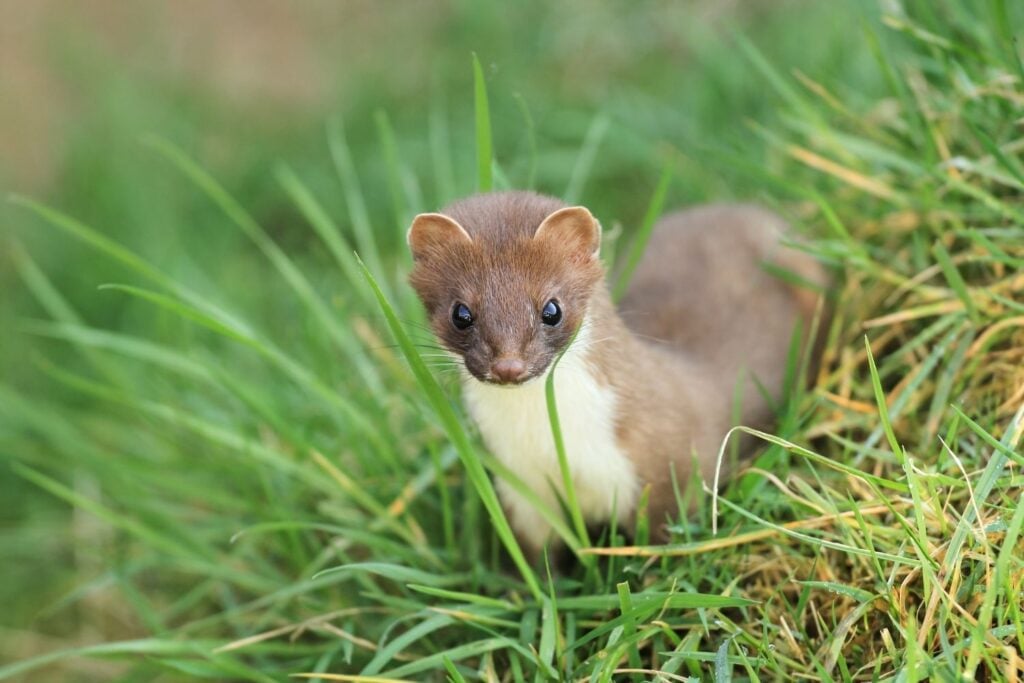
Stoats were introduced to control rabbits, a decision that backfired catastrophically. Instead of limiting rabbits, stoats adapted to hunting birds with lethal efficiency. Native species lacked defenses against such fast, agile predators. Entire populations collapsed within decades.
Stoats hunt by scent and movement, entering nests and burrows easily. They kill adult birds as well as eggs and chicks. Some species experience sharp population drops within a single breeding cycle. Control must be continuous because reinvasion occurs quickly. Without sustained pressure, conservation gains vanish almost immediately.
5. Possums quietly destroy forests and native species.
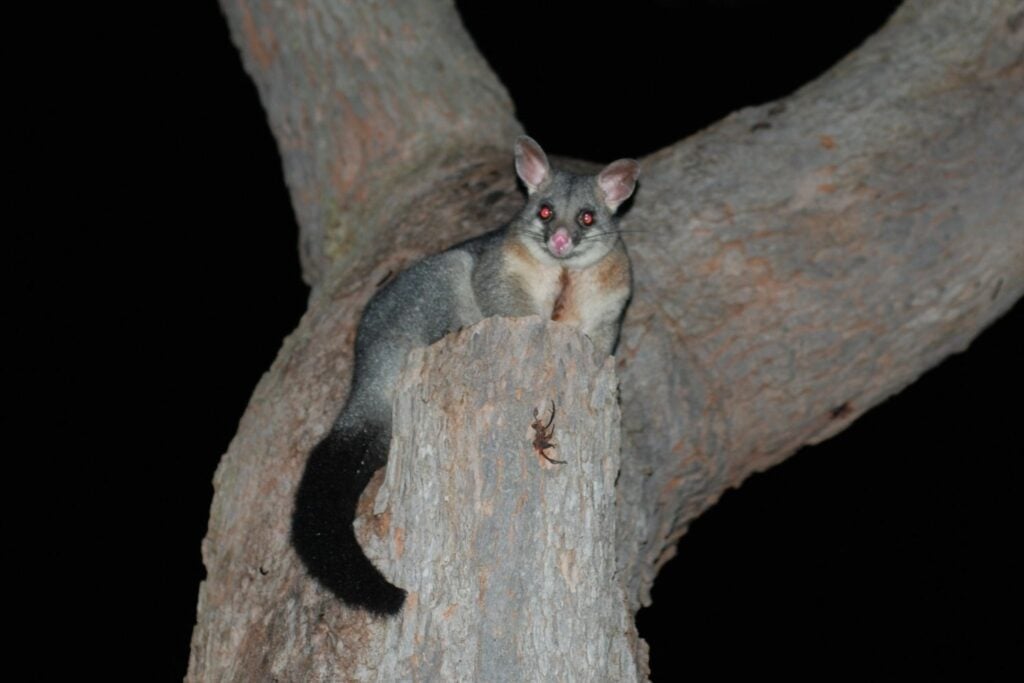
Possums are often associated with tree damage rather than direct predation. That framing understates their true ecological footprint. They eat eggs, chicks, insects, and native plants indiscriminately. Their browsing weakens entire forest systems.
Defoliation reduces food sources for birds and insects. Tree loss destabilizes soil and water systems. Forest decline compounds predator pressure by removing shelter. Removing possums restores canopy health and stabilizes habitats. Their impact unfolds slowly, but the damage accumulates across generations if left unchecked.
6. Feral cats hunt even when food is plentiful.

Unlike many predators, cats hunt for stimulation as much as hunger. This makes their impact persistent and unpredictable. Even well fed cats continue killing wildlife. Hunting behavior does not shut off when prey numbers decline.
Feral cats target birds, reptiles, and small mammals across urban and rural landscapes. They adapt easily to human dominated environments. Their presence fragments already vulnerable populations. This behavior is a key reason cats were added to the plan. Management efforts focus on feral colonies rather than owned animals.
7. Islands show what predator removal can achieve.

New Zealand’s offshore islands provide living proof that eradication works. Once predators are removed, ecosystems rebound rapidly. Birds return to historical nesting grounds. Insects reappear in numbers unseen for decades.
Plant regeneration follows quickly without browsing pressure. Soil health improves. These successes guide mainland strategy development. The challenge lies in scale and reinvasion risk. Islands can be sealed. The mainland cannot. Still, island results demonstrate what sustained effort can accomplish.
8. New technology enables large scale eradication efforts.

Earlier efforts relied heavily on traps and poisons alone. Modern tools dramatically expand reach and precision. Automated traps reduce labor demands. Remote sensors improve detection rates. Data mapping identifies reinvasion corridors.
Genetic research may eventually limit reproduction in target species. Detection dogs locate predators with high accuracy. These advances reduce non target risks. They make national scale action more realistic than before. The plan depends on continuous technological progress to remain effective.
9. Public resistance threatens progress as much as predators.

Including cats has sparked intense emotional backlash. Many residents view the policy as personal rather than ecological. Misinformation spreads quickly through social media. Trust becomes fragile.
Officials emphasize community cooperation as essential. Education campaigns aim to separate feral control from pet ownership. Without public buy in, enforcement weakens. Resistance can stall or derail long term goals. Social acceptance may ultimately determine whether ecological success is possible.
10. Failure would permanently alter New Zealand’s natural heritage.
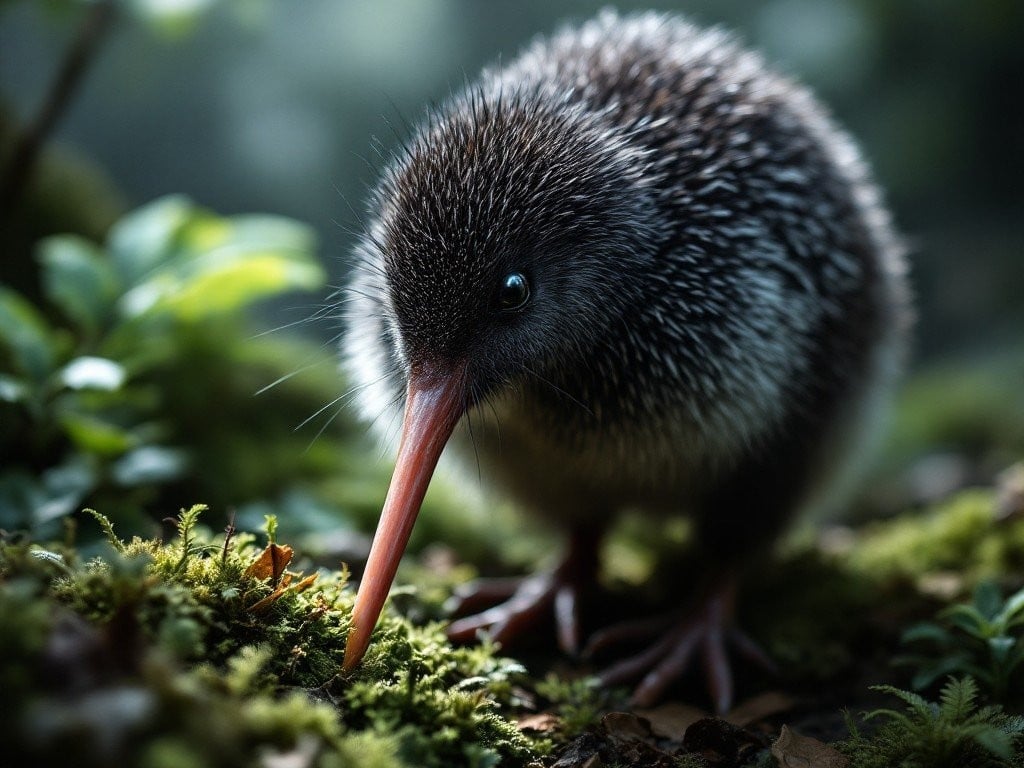
If the plan fails, extinction becomes the default outcome for many species. Recovery windows are already closing. Some populations hover near minimum viable numbers. Delays increase both cost and ecological loss.
Officials describe this as a once in a generation opportunity. Partial success may not be enough. The stakes extend beyond biodiversity into national identity. New Zealand’s wildlife defines its global image. Losing it would be irreversible.