
Something left the Sun, and Earth is watching.
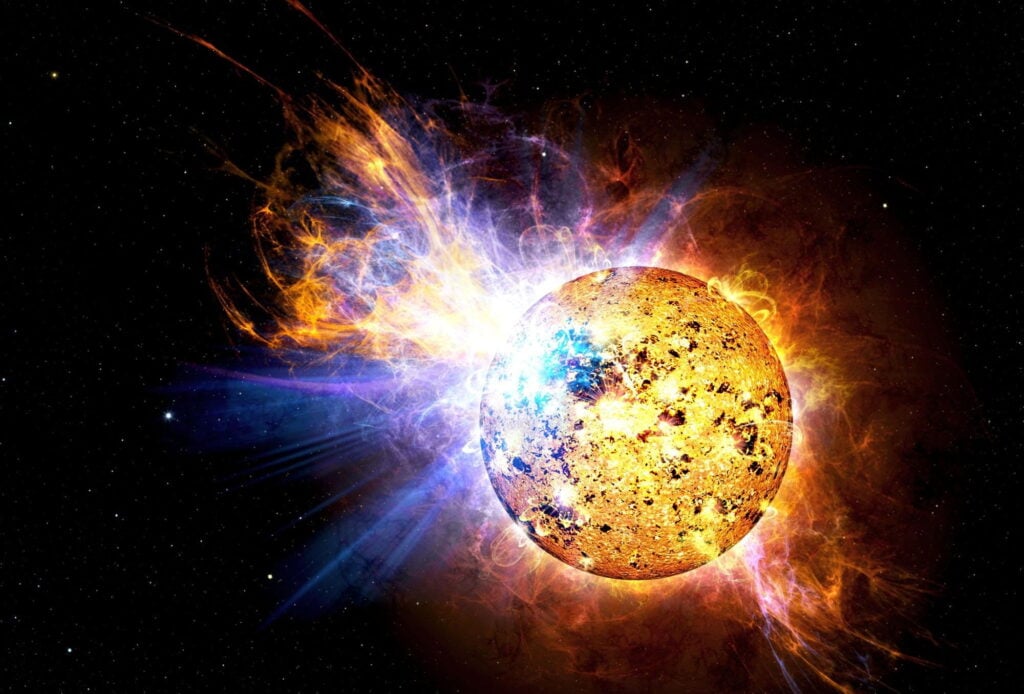
Late last week, solar monitoring systems detected unusual activity building on the Sun’s surface. At first, it registered as another surge among many during an active solar cycle. Then trajectories tightened. Models shifted. Forecast windows narrowed. What mattered was not panic but timing. Space weather does not announce consequences all at once. It unfolds across days, sometimes minutes, as charged material crosses millions of miles. By the time effects become visible on Earth, the deciding moments may already be locked in.
1. The eruption occurred during an already unstable solar period.
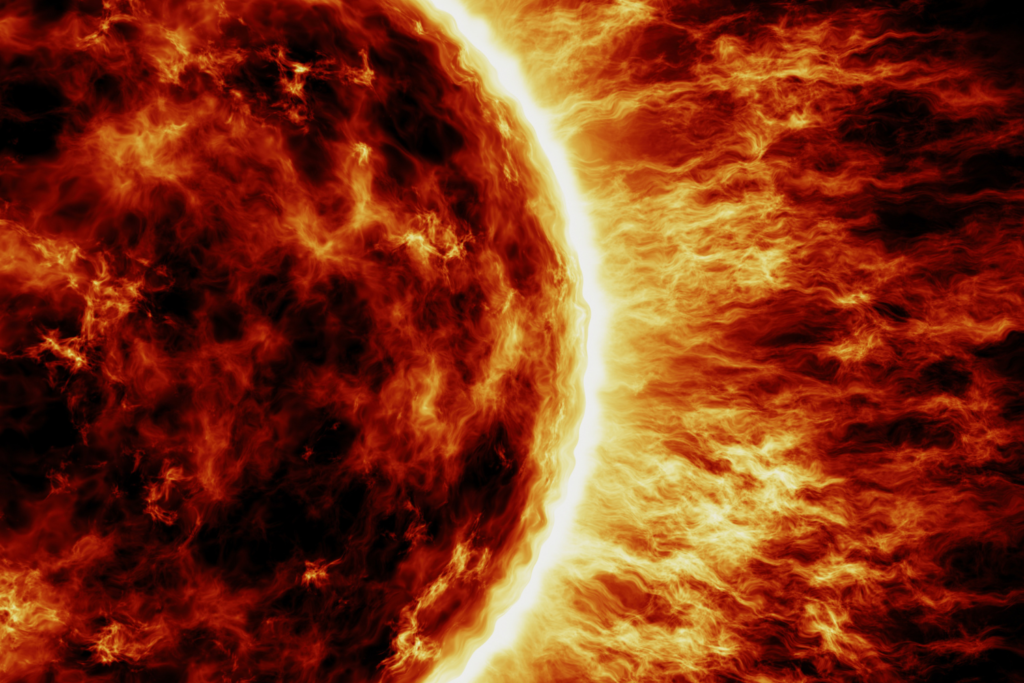
On February 1, solar observers recorded a sudden release of energy from an active region facing Earth. The event stood out not only for its intensity but also for its orientation, which immediately raised concern among forecasters. Early readings suggested material was not dispersing harmlessly into deep space. Instead, trajectories hinted at interaction with Earth’s magnetic environment.
Solar cycles naturally fluctuate, but clusters of strong eruptions increase risk. According to NOAA Space Weather Prediction Center, periods of heightened solar instability amplify the chance that eruptions interact with Earth rather than passing by. This context matters. It shapes how quickly scientists move from observation to warning.
2. Scientists classified the flare among the strongest categories.
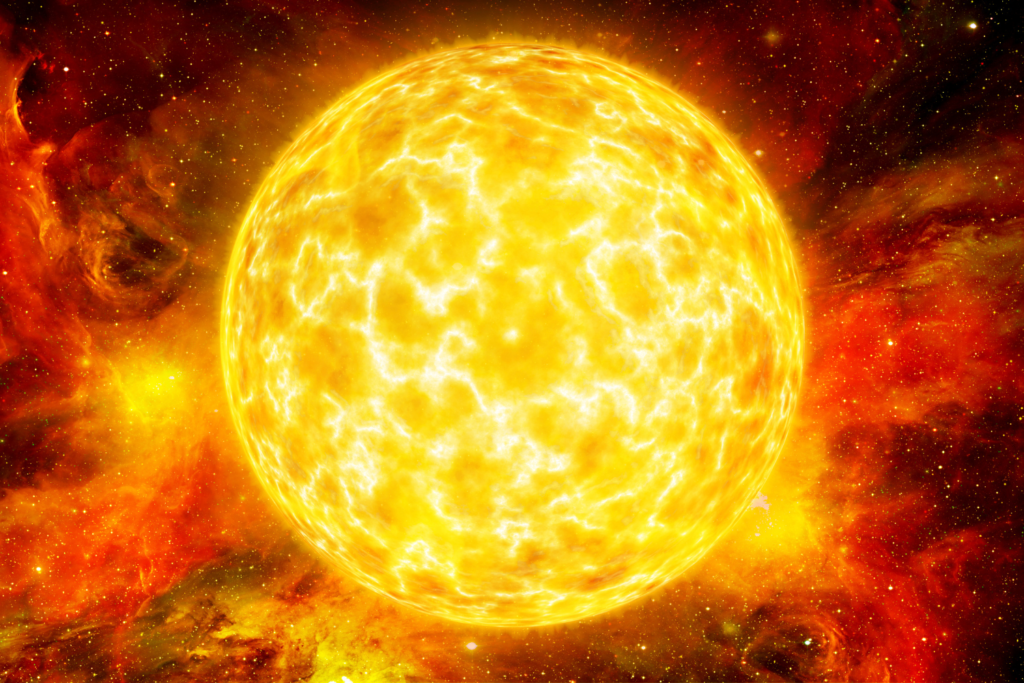
As additional data arrived, analysts identified the eruption as an X8 class solar flare. That classification places it among the most powerful flares scientists regularly observe. Such flares release intense bursts of radiation capable of disrupting high frequency radio communication almost instantly. Their effects travel at the speed of light.
X class flares matter because they stress technological systems before particles even arrive. As stated by NASA, the danger is not limited to strength alone. Direction, magnetic alignment, and follow up activity all determine whether consequences escalate or fade. One measurement rarely tells the whole story.
3. A massive plasma cloud followed the initial flash.

The flare did not occur in isolation. It launched a coronal mass ejection, a vast cloud of charged particles threaded with magnetic fields. This material expands as it travels, forming a moving wall of plasma. Its speed determines how much warning Earth receives.
Unlike radiation, this cloud takes days to arrive. As reported by the European Space Agency, the internal magnetic structure of a coronal mass ejection controls how strongly it couples with Earth’s magnetosphere. Small differences in orientation can mean the difference between mild auroras and infrastructure stress.
4. Forecast models narrowed the Earth encounter window.
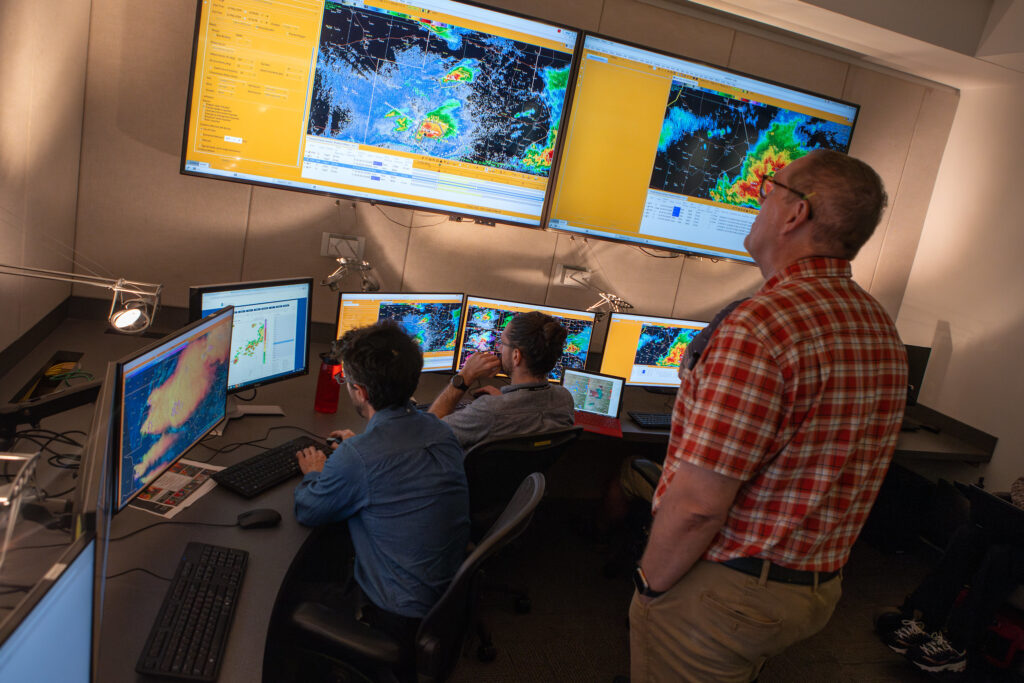
As tracking instruments refined measurements, forecasts began converging on a narrow arrival window. Current projections place the interaction between February 5 and 6. This window reflects probability rather than certainty. Space weather prediction remains an evolving process.
Each update reshapes expectations. Changes in speed, density, or magnetic alignment can reduce or amplify impacts. This uncertainty complicates preparation. Grid operators and satellite controllers must balance caution against disruption, often making decisions with incomplete information only hours before arrival.
5. A glancing interaction can still strain systems.
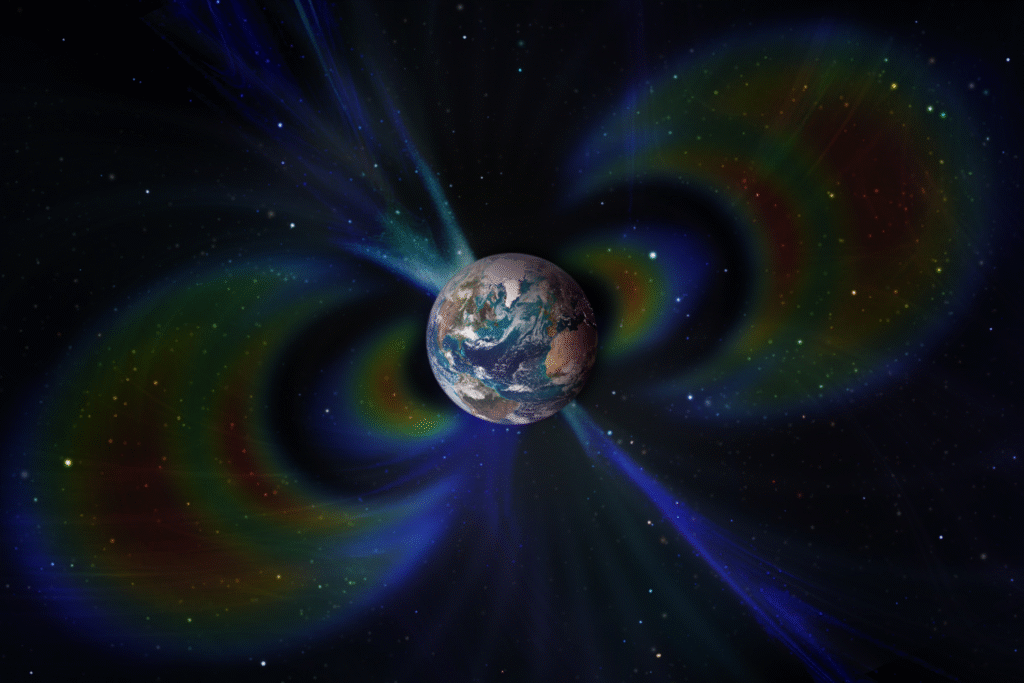
A direct collision is not required for disruption. Even a partial encounter can compress Earth’s magnetic field sharply. That compression transfers energy into the upper atmosphere. The result can be geomagnetic storms with uneven effects.
Such storms induce electrical currents in long conductors. Power grids, pipelines, and undersea cables are especially vulnerable. Historical cases show that glancing blows can still trigger transformer damage, navigation errors, and localized outages. The absence of catastrophe does not equal absence of consequence.
6. Satellites face heightened exposure during solar storms.
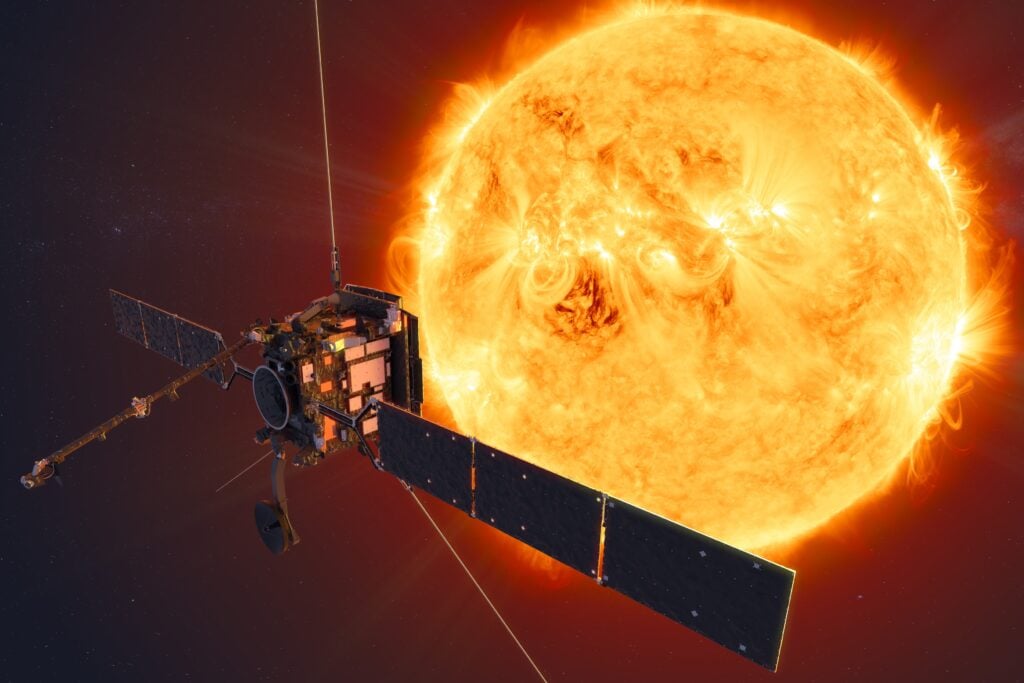
Orbiting satellites operate beyond Earth’s atmospheric shield. When energetic particles surge, onboard electronics face increased radiation stress. Sensors can glitch. Panels degrade faster. Systems may misinterpret signals.
Operators often place satellites into safe configurations to reduce risk. This can temporarily disrupt communications, navigation services, and weather monitoring. Even when systems recover quickly, cumulative exposure shortens operational lifespans. The cost is rarely immediate but steadily accumulates with each major solar event.
7. Astronaut safety becomes a parallel concern.
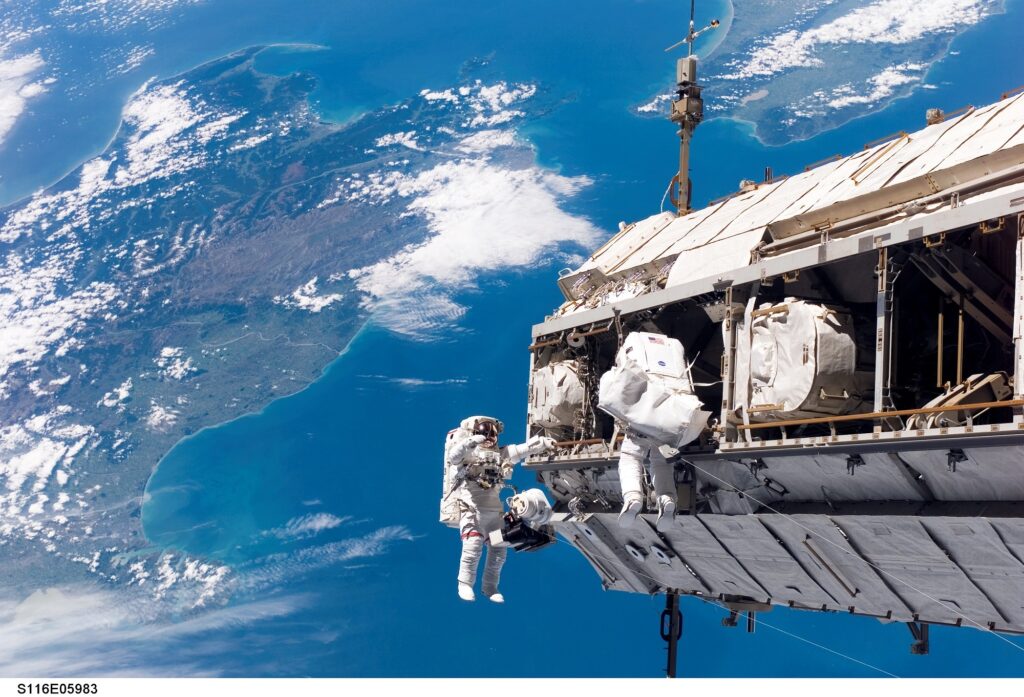
Human exposure adds another layer of risk. Astronauts aboard the International Space Station experience higher radiation levels during solar disturbances. While shielding offers protection, it is not absolute. Timing matters.
Mission controllers adjust activity schedules to reduce exposure. Spacewalks may be postponed. Crew movement inside the station can be modified. These precautions reflect a recognition that solar storms are not abstract. They pose real biological risks when humans leave Earth’s surface.
8. Earth’s magnetic alignment influences the outcome.
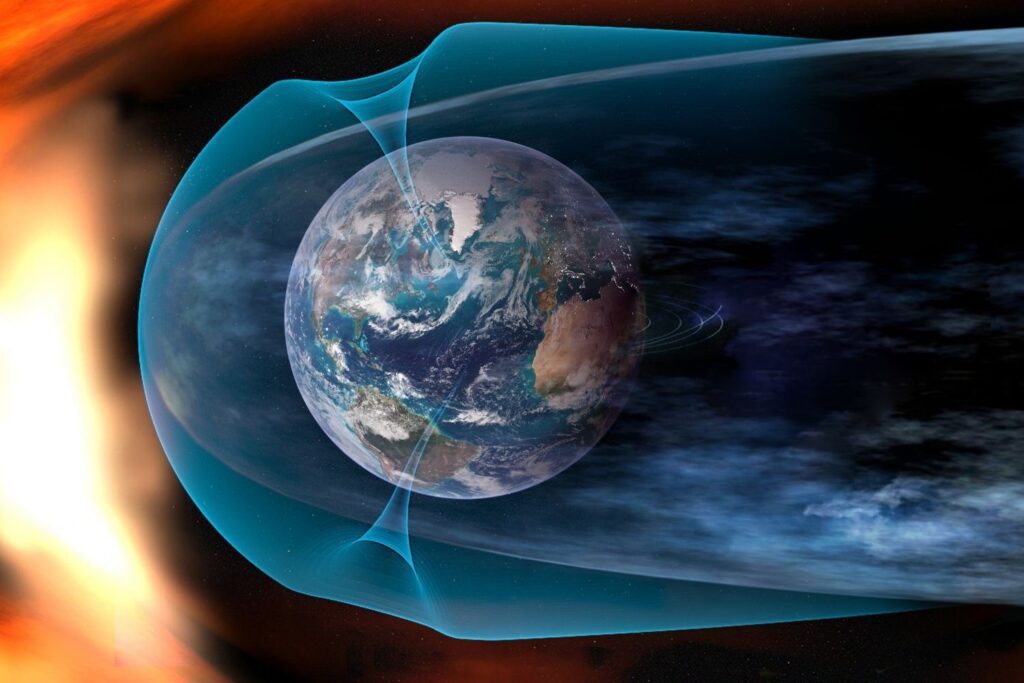
The orientation of Earth’s magnetic field at arrival plays a critical role. A southward alignment allows solar energy to enter more efficiently. A northward alignment offers greater resistance. This factor changes hourly.
Because alignment cannot be controlled, forecasts remain probabilistic. Scientists monitor it in real time. This uncertainty explains why similar solar eruptions produce vastly different outcomes. Prediction improves as arrival nears, but complete certainty remains elusive until interaction begins.
9. Past storms offer warnings without guarantees.
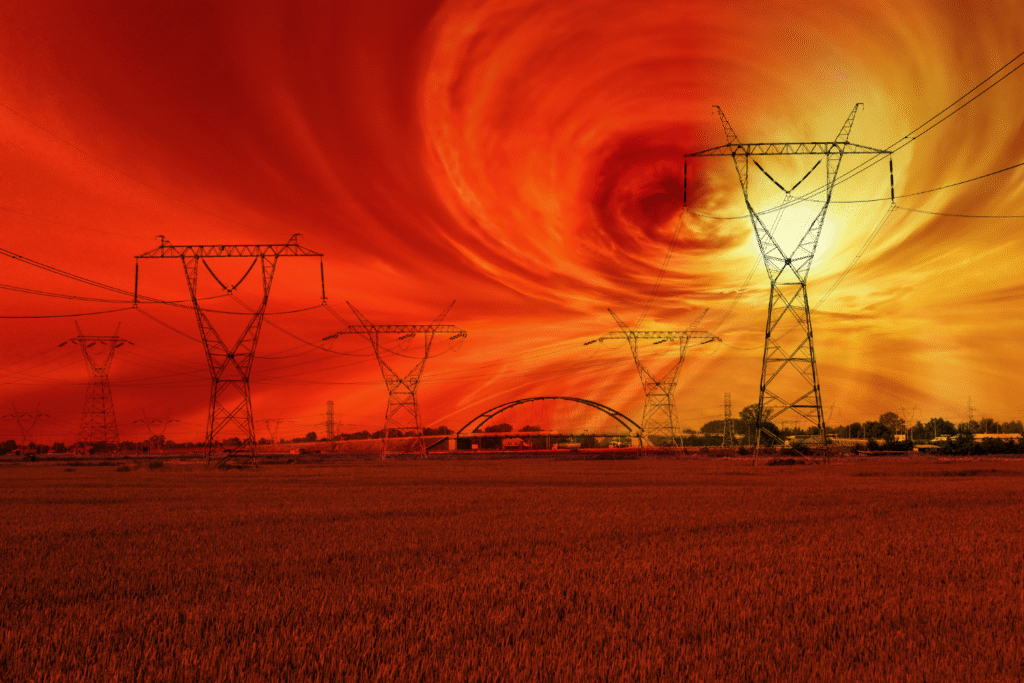
History provides context but not reassurance. Past solar storms disrupted telegraph systems, satellites, and regional power grids. Each incident revealed vulnerabilities not previously anticipated. Modern systems are more resilient but also more interconnected.
Interdependence introduces new risks. Failures can cascade across networks. A disruption in one sector may ripple into others. Experience helps planners prepare, yet every solar storm introduces unique variables that resist perfect modeling.
10. The event reflects a broader solar trend.
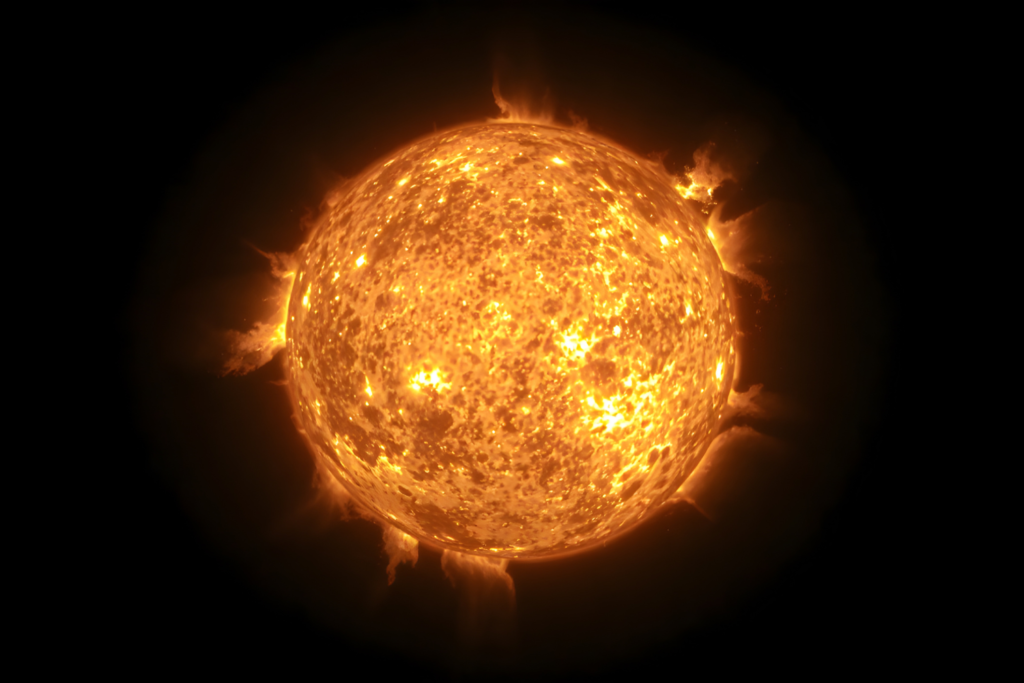
Solar activity is increasing as the Sun moves toward a predicted peak later this decade. Strong eruptions may become more frequent. This trend raises baseline risk rather than signaling imminent disaster.
The lesson is vigilance, not alarm. Space weather is now an environmental factor modern societies must track continuously. It shapes infrastructure planning, satellite design, and astronaut safety. Each event adds data, refining understanding while reminding observers that Earth remains connected to a restless star.