
The ground is remembering what history blurred.
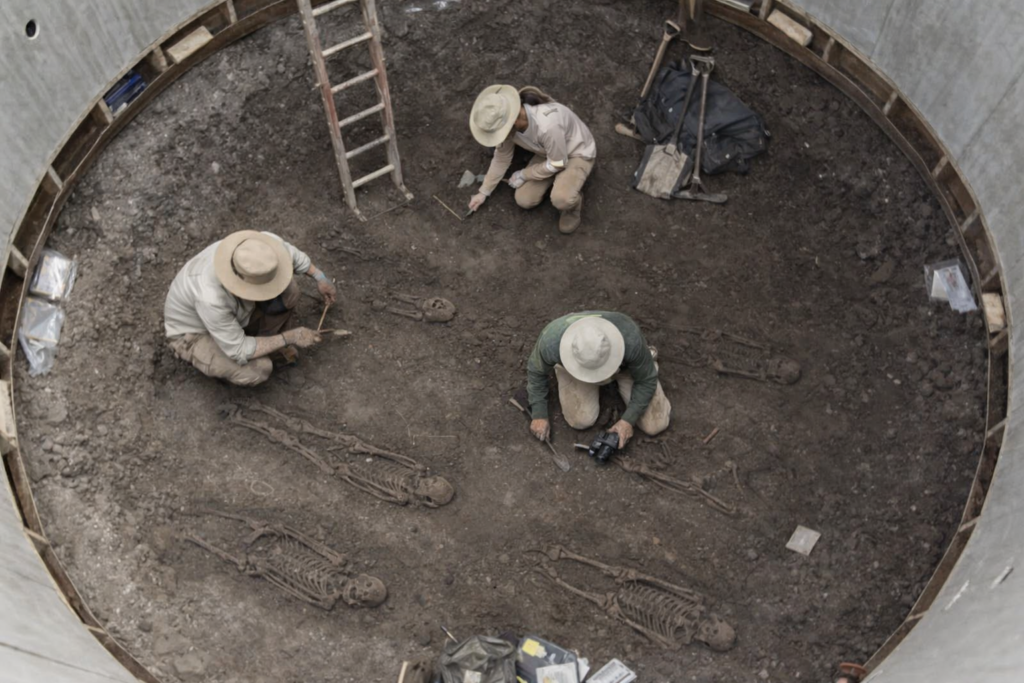
Construction crews across Europe are stopping mid-dig. Archaeologists are being called to sites that were never meant to resurface. Beneath roads, fields, and city blocks, patterns are emerging that do not match ordinary burial. Bodies appear in numbers, arranged with urgency rather than care. These discoveries hint at moments when society broke from custom under extreme pressure. What lies below is not only evidence of death, but proof of how communities reorganized space, belief, and authority when survival eclipsed ritual.
1. London’s Charterhouse Square exposed emergency plague burials.
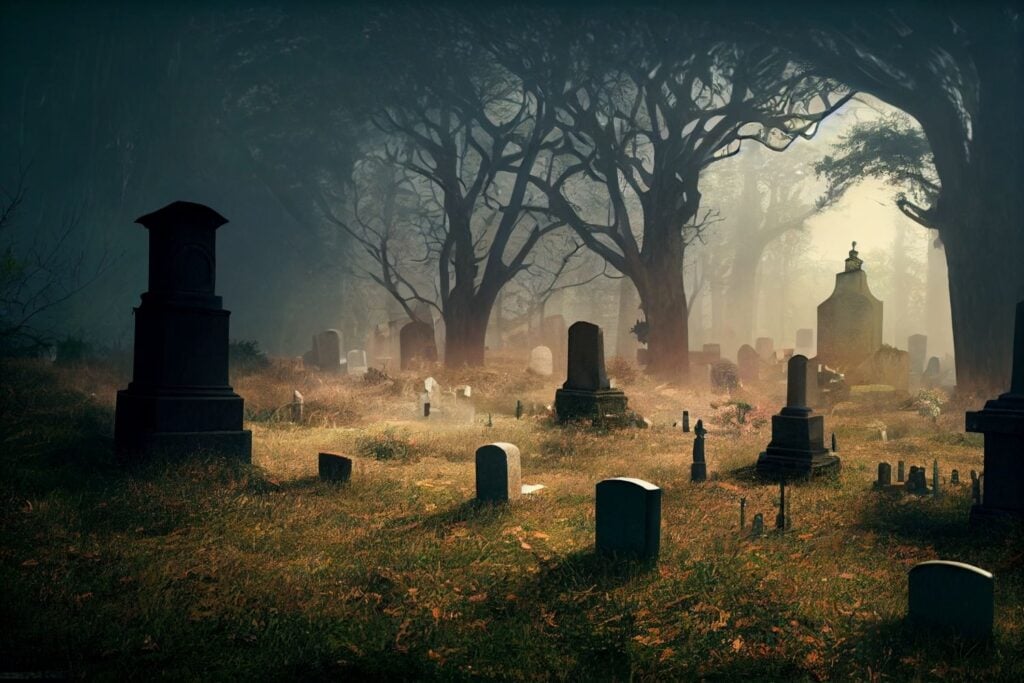
Excavations near Charterhouse Square in London revealed a mass grave dating to the Black Death of 1348–1350. The burial pit contained dozens of individuals placed rapidly, without coffins, beneath what was then open ground beyond the medieval city walls. Its location suggests authorities sought distance from dense populations.
According to the Museum of London Archaeology, the site functioned as an emergency response zone rather than a formal cemetery. The pit’s layout shows layered placement, indicating sustained mortality over weeks. This was not chaos but managed urgency. Officials adapted urban space quickly. The city expanded burial boundaries outward. Fear reshaped geography.
2. East Smithfield confirmed planned epidemic burial grounds.
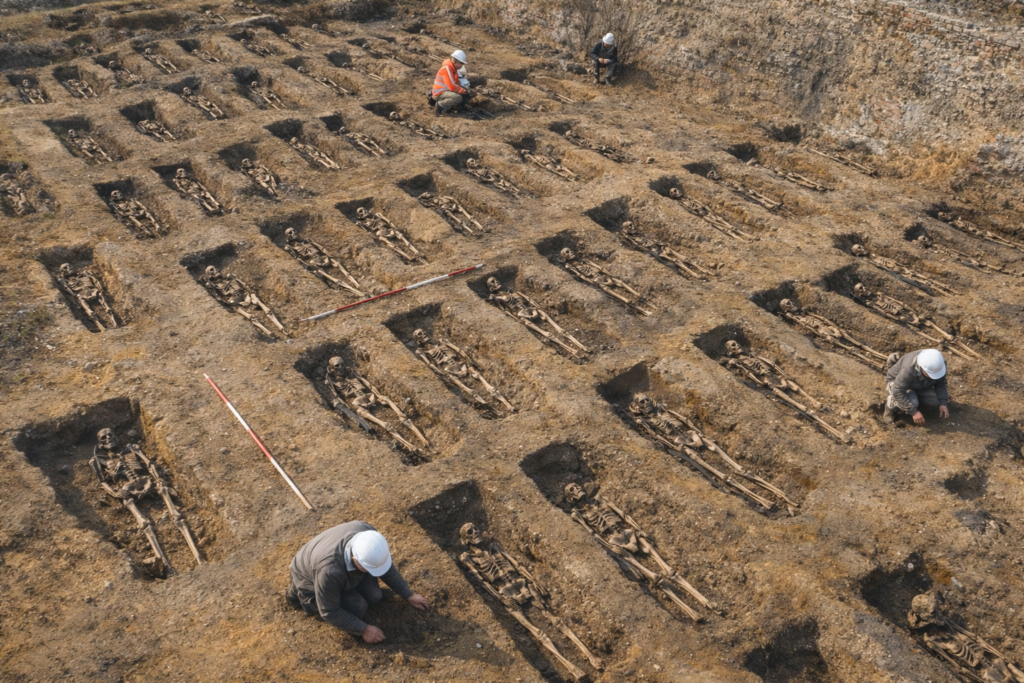
Just outside medieval London, the East Smithfield cemetery was established specifically during the Black Death. Unlike ad hoc pits, this site was organized, consecrated, and administered by civic authorities. Its creation marked a shift toward centralized epidemic management.
As reported by the University of Cambridge, East Smithfield operated between 1348 and 1350 and held thousands of victims. Graves were densely packed but orderly. This suggests foresight amid crisis. Authorities anticipated sustained mortality. Spatial planning replaced improvisation. Burial became infrastructure. Disease forced bureaucratic adaptation earlier than once believed.
3. Lübeck’s Heiligen Geist cemetery revealed northern coordination.
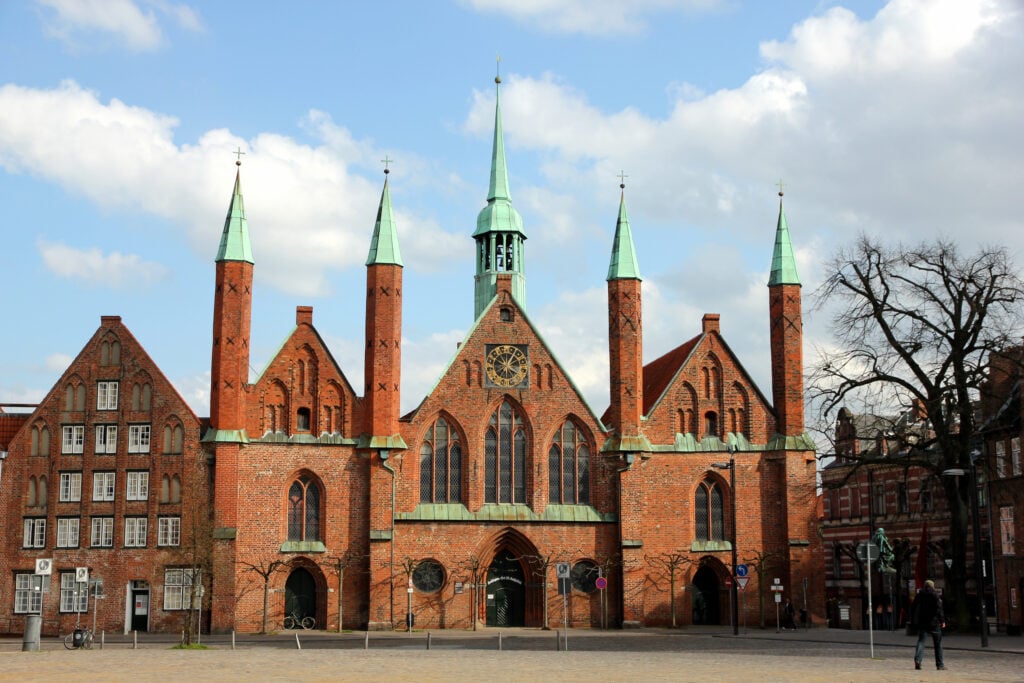
In Lübeck, Germany, excavations at the Heiligen Geist hospital cemetery uncovered mass burials linked to fourteenth-century plague outbreaks. These graves were positioned near institutional care centers, indicating coordination between medical and burial responses.
As discovered by the Max Planck Institute, skeletal remains showed rapid interment with minimal ritual variation. Isotopic data suggests victims came from diverse social backgrounds. Plague collapsed class boundaries in death. Burial strategy prioritized efficiency. Urban institutions assumed control. Epidemic response became systemic, not familial.
4. Hereford’s mass pit exposed rural epidemic logistics.
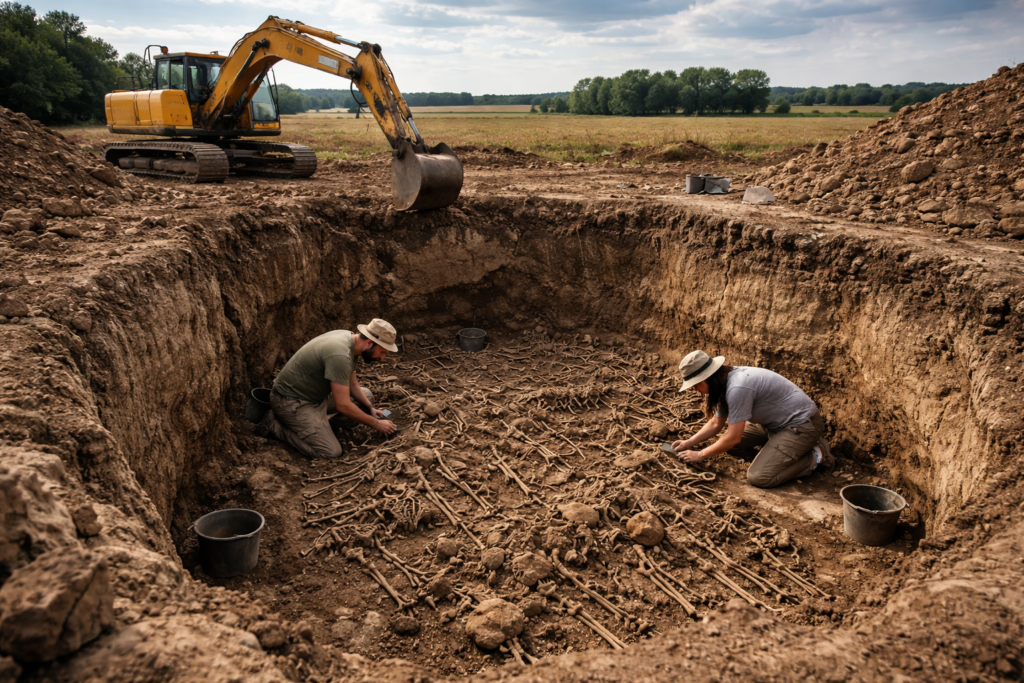
In Hereford, England, archaeologists uncovered a plague pit containing dozens of individuals buried during the mid-fourteenth century. Unlike London sites, this pit lay within a smaller market town context. Its scale overwhelmed local burial customs.
Bodies were arranged tightly, indicating limited space and time. The pit’s placement suggests authorities used marginal land quickly. Rural communities lacked redundancy. Epidemics erased buffer systems. Once cemeteries filled, improvisation followed. Disease forced rapid decisions. Geography dictated response severity.
5. Ellwangen’s graves showed monastery involvement in crisis.
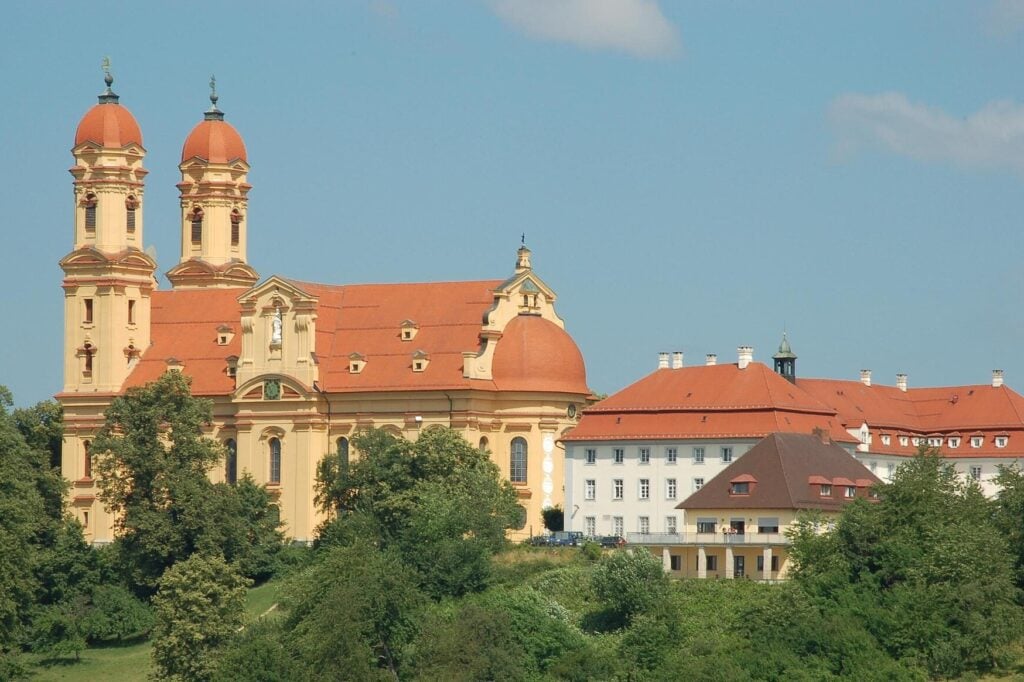
In Ellwangen, Germany, mass burials near a Benedictine monastery date to plague waves between 1350 and 1400. The graves suggest monastic institutions played a role in epidemic management beyond spiritual care.
Burials followed partial order but lacked individual markers. This reflects institutional capacity stretched thin. Monasteries became logistical hubs. Religious authority merged with public necessity. Caregiving and burial overlapped. Crisis blurred sacred and civic roles. Survival reshaped ecclesiastical function.
6. Toulouse revealed roadside epidemic burial practices.
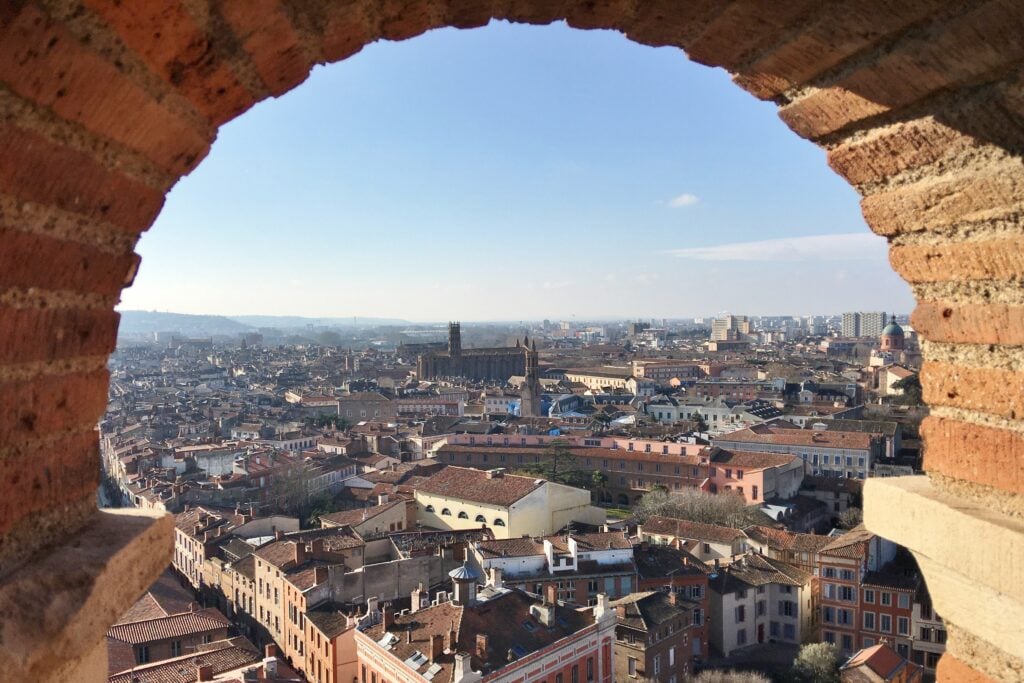
Outside medieval Toulouse, France, archaeologists identified plague burials along major roadways dating to the late fourteenth century. These graves sat beyond parish boundaries, suggesting exclusion from normal burial rights.
Roadside placement reduced urban contamination risk. It also signaled social distancing before germ theory. Burial sites doubled as containment measures. Movement corridors became death zones. Travel routes carried risk. Spatial planning reflected fear. Epidemic logic overrode spiritual geography.
7. Basel’s cemetery showed repeated epidemic reuse.
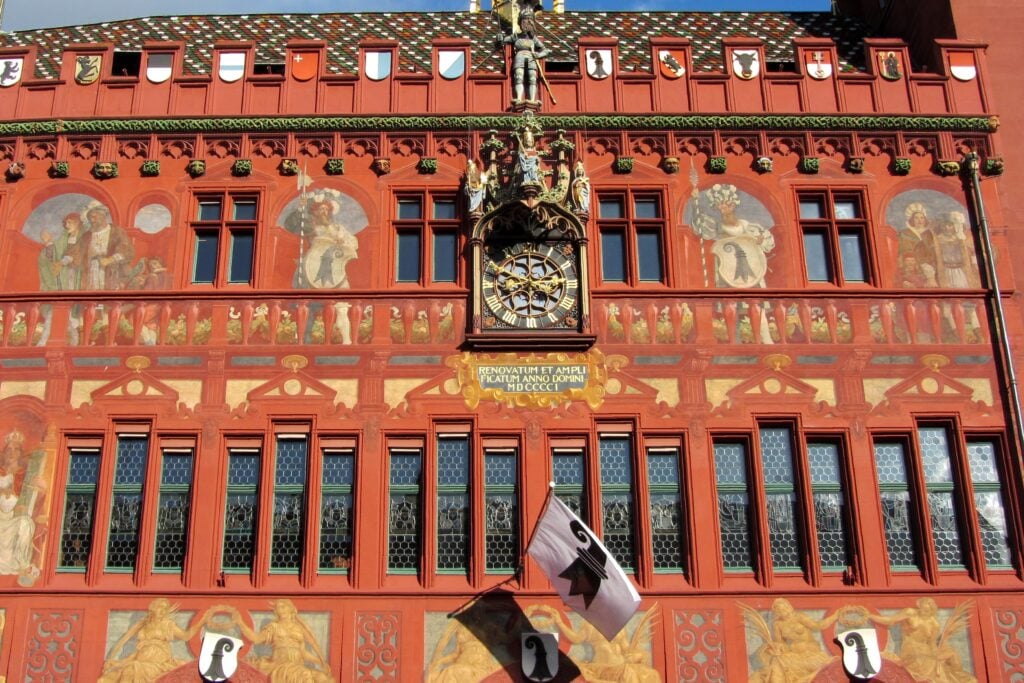
In Basel, Switzerland, plague pits within St. Johann cemetery show reuse across multiple outbreaks between 1348 and 1500. Graves cut into earlier layers, compressing generations of crisis into single spaces. This stacking reveals how epidemics returned often enough to force difficult spatial compromises.
This reuse indicates institutional memory. Authorities recognized recurring threats and planned accordingly. Burial grounds became permanent emergency assets rather than temporary solutions. Epidemics were expected, not singular. Space was rationed with grim efficiency. The dead accumulated history. Crisis became normalized within urban planning.
8. York’s burials highlighted child mortality surges.
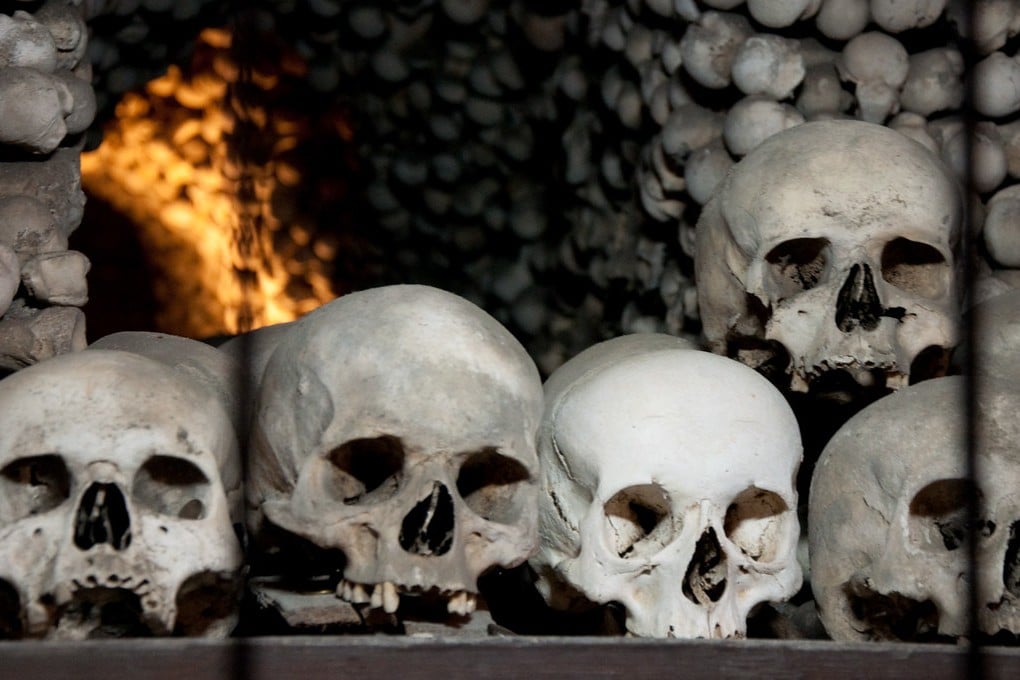
Mass graves in York, England, revealed disproportionate numbers of children during plague outbreaks dating to the late fourteenth century. Their presence disrupts assumptions that children were shielded or spared. The burials suggest entire households collapsed quickly.
Family units failed under rapid transmission. Care systems were overwhelmed before isolation was possible. Child mortality reflects how closely daily life was shared. Burial urgency erased protective rituals. Grief was compressed into speed. The social cost extended beyond numbers. Demographic scars likely reshaped the city for generations.
9. Bergen’s harbor burials tied trade to disease.
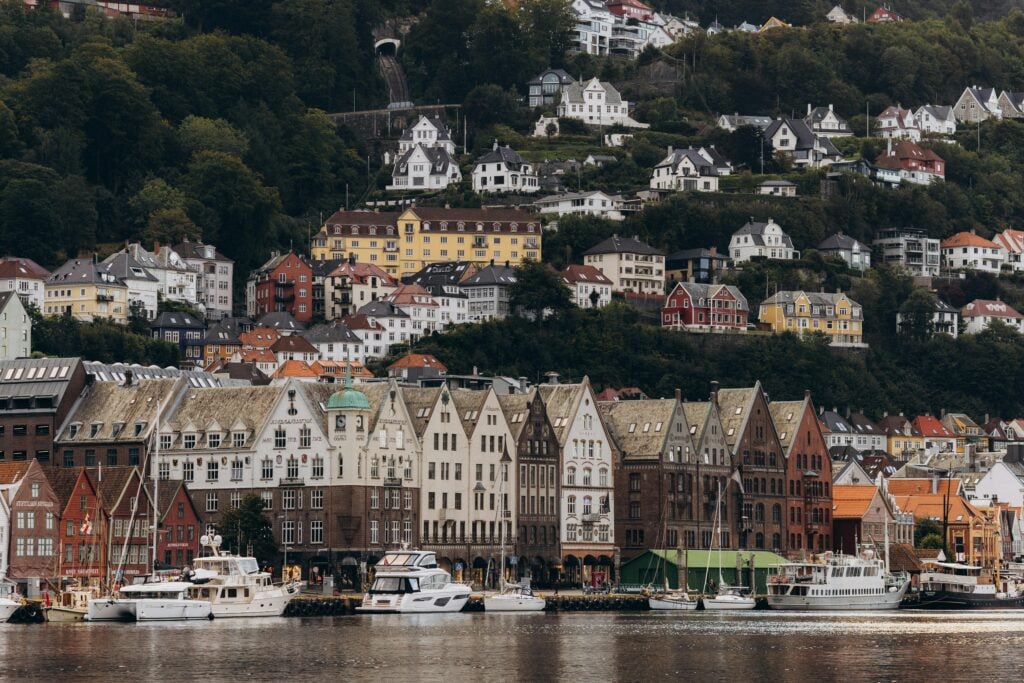
In Bergen, Norway, plague graves near harbor zones date to outbreaks in the fourteenth and fifteenth centuries. Their placement directly links maritime trade routes to epidemic spread. Ports acted as first points of exposure.
Burial near docks suggests deliberate containment. Authorities isolated risk zones spatially to protect inland populations. Commerce carried death alongside goods. Global connection had consequences long before modern globalization. Epidemics exposed trade vulnerability. Geography revealed cause. Harbors became thresholds between survival and collapse.
10. Prague’s mass graves reshaped cemetery hierarchies.
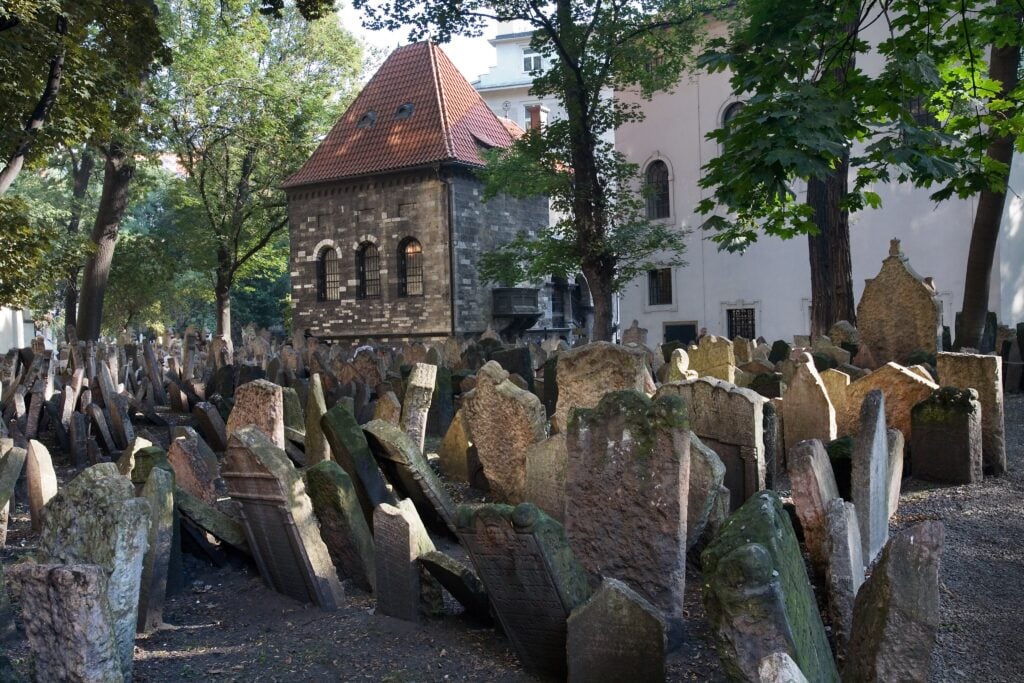
In Prague, Czech Republic, plague pits disrupted long-standing cemetery order during outbreaks between 1380 and 1450. Mass graves cut through elite burial zones, ignoring social rank. Emergency overwhelmed tradition.
Hierarchy collapsed under pressure. Death equalized space in ways daily life never allowed. Authority redefined sacred boundaries temporarily. Emergency burial trumped lineage and status. Memory was sacrificed for speed. Epidemics reordered social maps. Power yielded to necessity, even in highly stratified cities.
11. These graves are redefining medieval resilience.
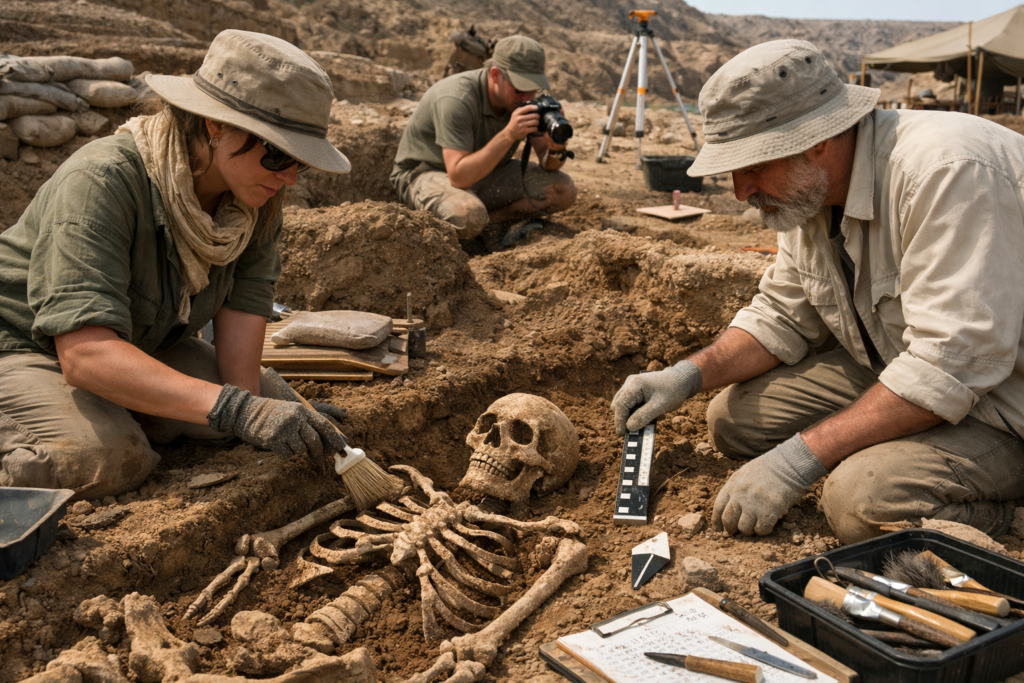
Across Europe, these sites show epidemic response was structured rather than chaotic. Communities adapted space, authority, and belief under extreme pressure. Decisions were made quickly, but not blindly.
The graves record planning under fear. They preserve governance under collapse. Survival demanded innovation without precedent. The ground holds strategy as much as tragedy. Each excavation adds complexity. History is not finished surfacing.