
What looks like aloofness may mask something deeper.
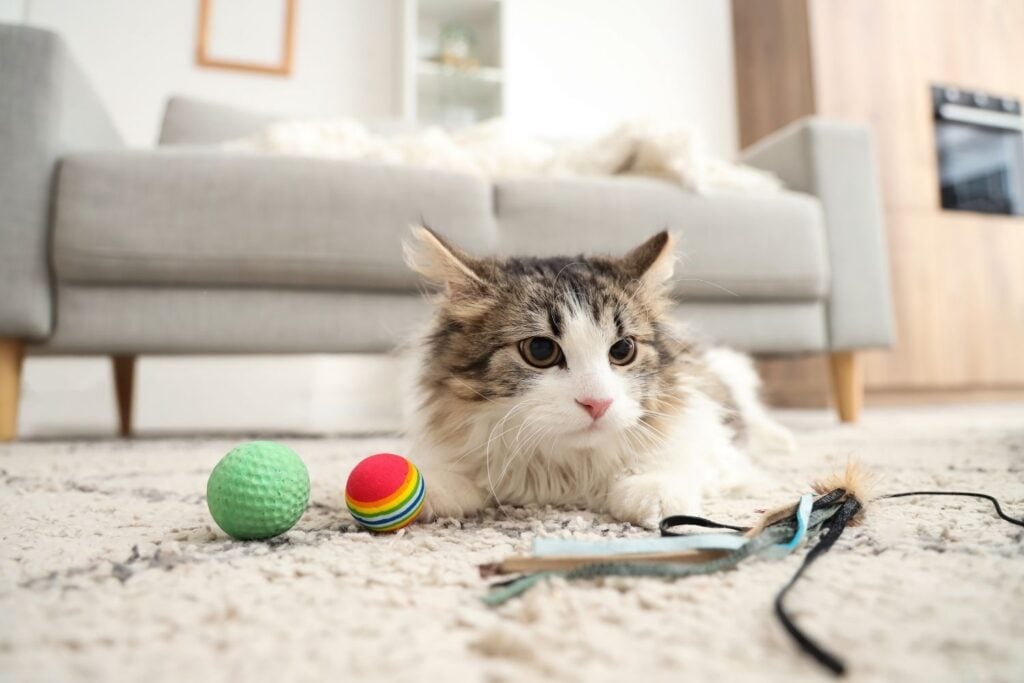
Play is often treated as a universal language of cats, yet many owners notice something unsettling. One cat stalks toys relentlessly, while another ignores every string, laser, and ball. This contrast raises quiet concern about development, temperament, and well being. Veterinarians and behaviorists say play avoidance is rarely random. It often traces back to timing, environment, biology, or early experience. Understanding why some cats never engage the same way reveals hidden pressures shaping their behavior long before toys ever appeared.
1. Early kittenhood missed a narrow developmental window.
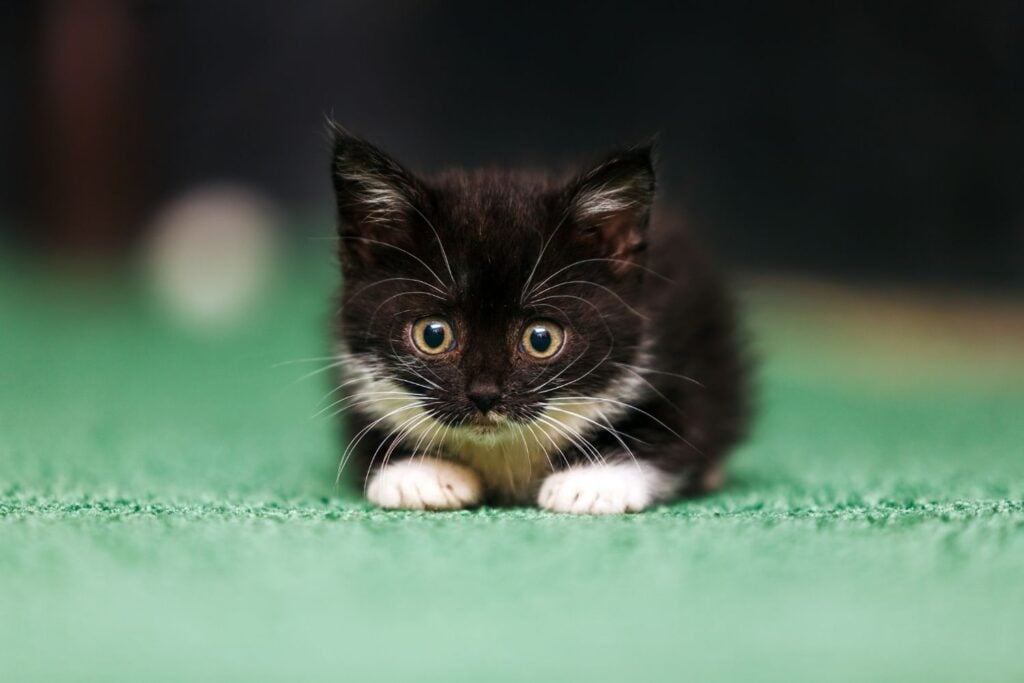
Play behaviors form rapidly during the first weeks of life, then fade in flexibility. When that period passes without stimulation, something essential can be lost. Owners often notice the absence years later, mistaking it for stubborn personality.
During weeks four through nine, kittens learn motor skills, social cues, and hunting sequences through play. If isolation, illness, or poor conditions interrupt this phase, the brain may not wire for playful engagement. The cat grows functional but uninterested. This is not refusal. It is missed neurological opportunity that cannot be fully recreated later.
2. Chronic stress shuts down playful curiosity entirely.
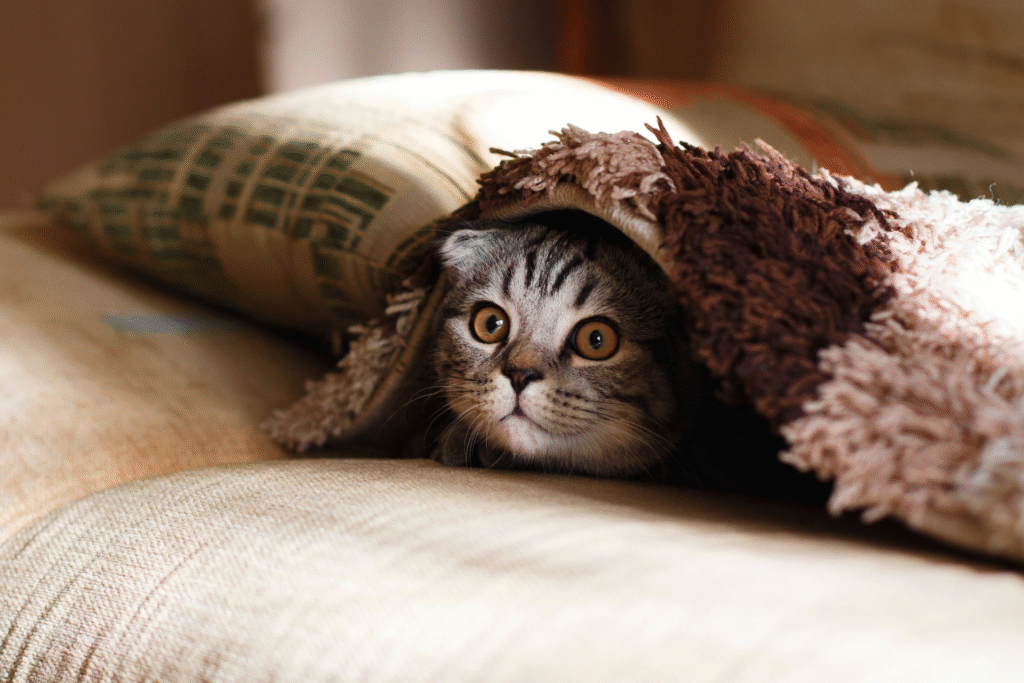
Play requires safety. Without it, the brain stays in survival mode. Cats living under constant stress often appear calm but disengaged, conserving energy instead of exploring.
Environmental pressure can come from loud homes, unpredictable humans, or other animals. Stress hormones suppress exploratory behavior over time. The cat learns stillness is safer than engagement. Even when conditions improve, the habit remains. Play feels unnecessary or even risky. What looks like boredom may be a long practiced coping strategy shaped by earlier instability.
3. Pain quietly replaces play with guarded stillness.
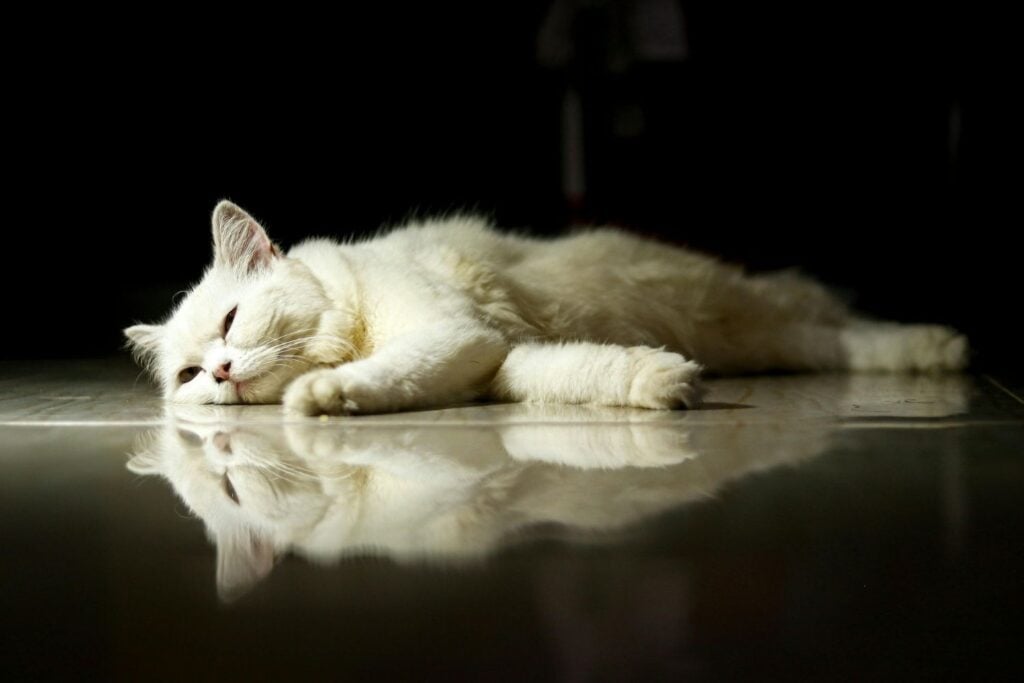
Cats hide discomfort with impressive skill. Subtle pain often goes unnoticed until play disappears completely. Owners assume disinterest, missing an early warning sign.
Joint issues, dental disease, or abdominal discomfort can make movement unpleasant. Chasing, pouncing, or twisting triggers avoidance. Over time, the cat stops initiating play entirely. The absence becomes normal. Without obvious limping or vocalization, pain remains invisible. Play avoidance becomes the symptom owners overlook longest, delaying diagnosis and relief.
4. Genetics influence how reward systems respond to play.
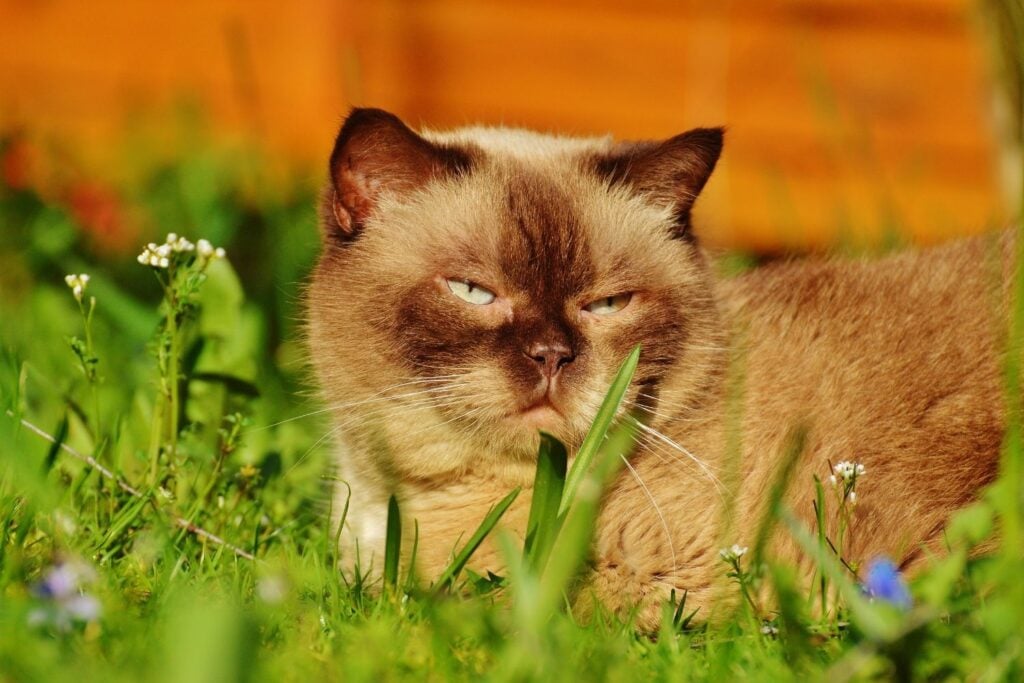
Not all brains seek stimulation the same way. Some cats are wired for observation rather than interaction. This difference is biological, not behavioral.
Breed tendencies and inherited neurochemistry affect dopamine response. Certain cats simply experience less internal reward from play. They may prefer watching windows, tracking sounds, or resting near people. Their brains process satisfaction differently. Attempts to force play often fail because motivation never activates. The cat is not uncurious. It is differently rewarded.
5. Orphaned kittens miss critical social play modeling.
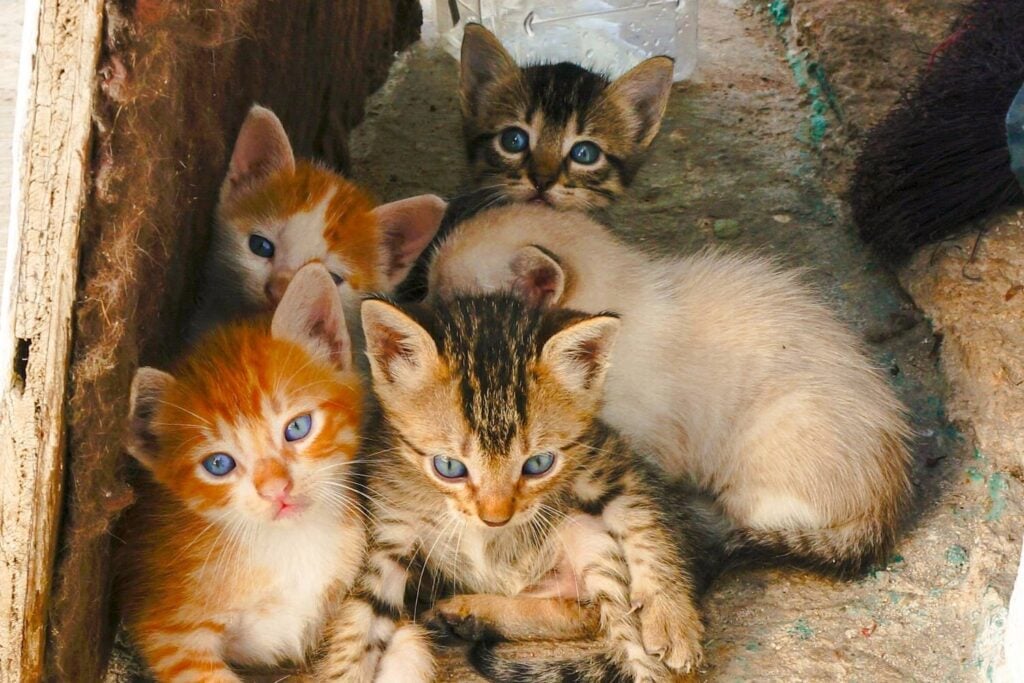
Play is learned through interaction. Without siblings or maternal guidance, many cats never understand its purpose. Solitary upbringing shapes solitary habits.
Kittens raised alone lack mock fighting, chasing, and turn taking. These experiences teach rules and enjoyment. Without them, toys feel meaningless. The cat never learned how play works socially or physically. Later exposure feels confusing, not fun. What seems like indifference is often unfamiliarity masked as avoidance.
6. Overstimulation early can permanently blunt interest.
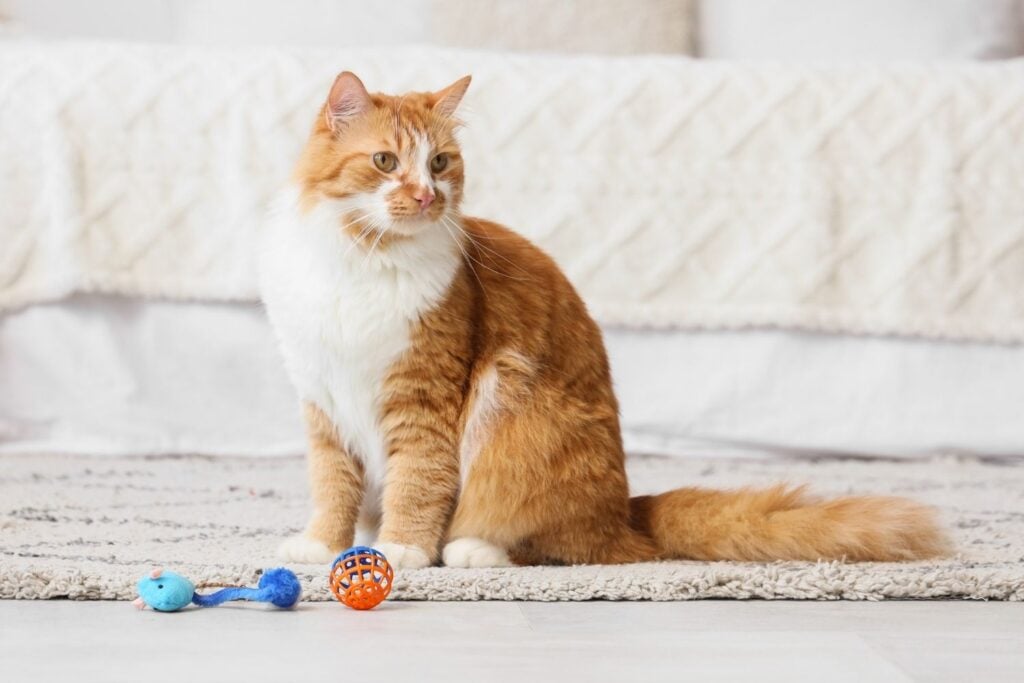
Too much play can backfire. Constant forced interaction overwhelms developing cats. Instead of curiosity, they associate play with intrusion.
Kittens repeatedly handled, chased, or overstimulated may shut down engagement to regain control. The nervous system adapts by dampening response. As adults, these cats tolerate presence but avoid interaction. Play becomes something to endure, not initiate. The early message was not fun. It was pressure.
7. Indoor environments reduce hunting drive expression.
Play mimics hunting. Without environmental triggers, the instinct fades. Some homes unintentionally remove all cues that spark engagement.
Sterile spaces lack movement, textures, and variation. Without windows, insects, or vertical territory, the brain receives little stimulation. Over time, hunting circuits weaken from disuse. Toys feel artificial and disconnected. The cat adapts to stillness. Play was never reinforced by meaningful context, so interest dissolved.
8. Human play styles often misalign with feline instincts.
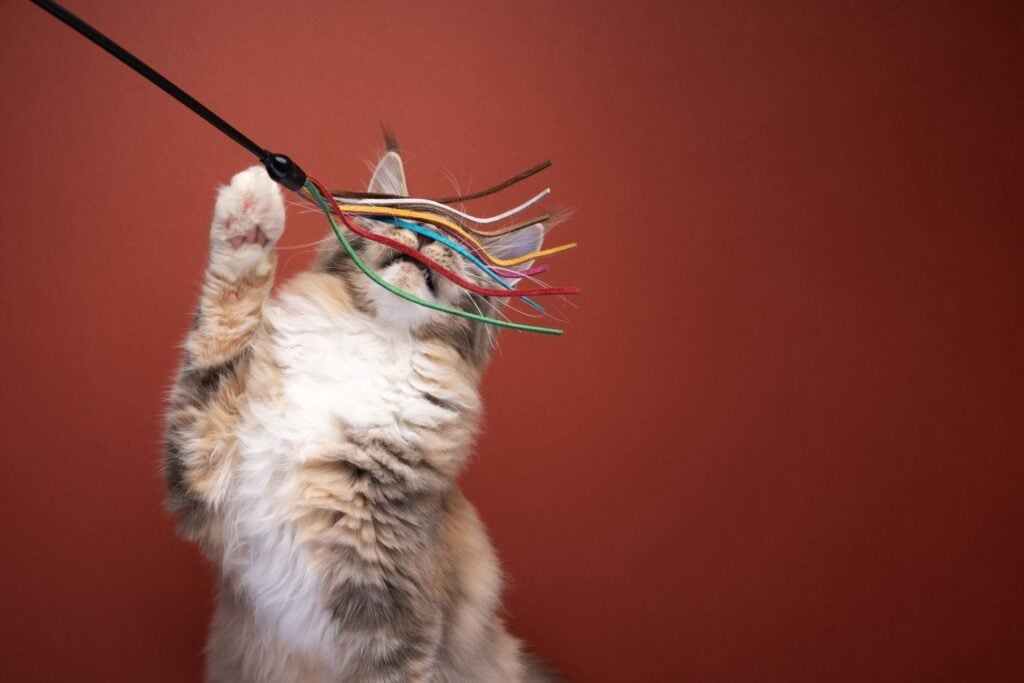
Many owners play like people, not predators. Fast waving toys or constant noise overwhelm rather than entice. The cat disengages.
Cats prefer slow build ups, pauses, and realistic movement. Erratic or aggressive play disrupts focus. When toys behave unnaturally, the brain rejects the scenario. The cat learns to ignore attempts rather than adjust. Miscommunication replaces curiosity. Play never clicks because the language is wrong.
9. Aging brains lose flexibility without early reinforcement.
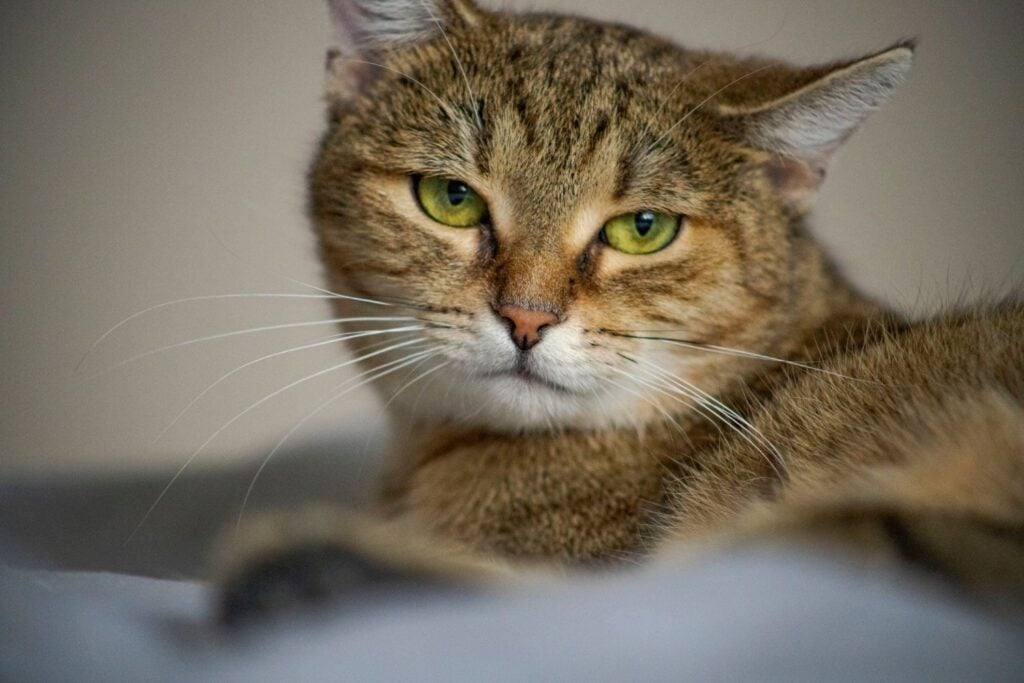
Neural plasticity declines with age. Cats who did not play young rarely start later. The brain resists new patterns.
Without early repetition, play circuits weaken. Adult cats prioritize energy conservation. Learning new behaviors feels inefficient. Even when health is good, motivation remains low. This is not stubbornness. It is neurological economy reinforced by years of low payoff experiences. As cats age, unfamiliar actions carry more perceived risk. The brain favors predictable routines over experimentation. Play becomes cognitively unnecessary rather than physically impossible.
10. Learned helplessness discourages experimentation.
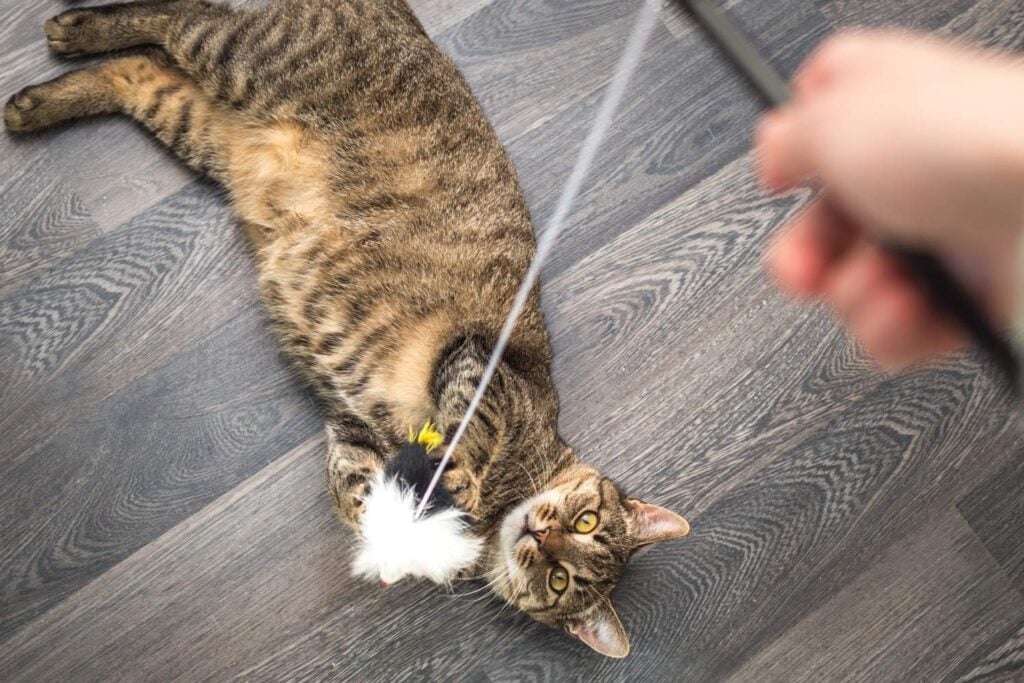
Repeated failed attempts at play teach cats to stop trying. When toys never respond meaningfully, effort disappears.
Cats quickly assess cause and effect. If batting objects produces no outcome, engagement fades. Over time, the cat learns nothing changes. This discourages future attempts. The absence of play becomes self reinforcing. Curiosity dims not from apathy, but from learned inefficiency reinforced through repetition. The brain stops offering play as an option. Initiative disappears long before interest fully does. What looks like indifference often began as repeated disappointment.
11. Personality differences are often misinterpreted as problems.
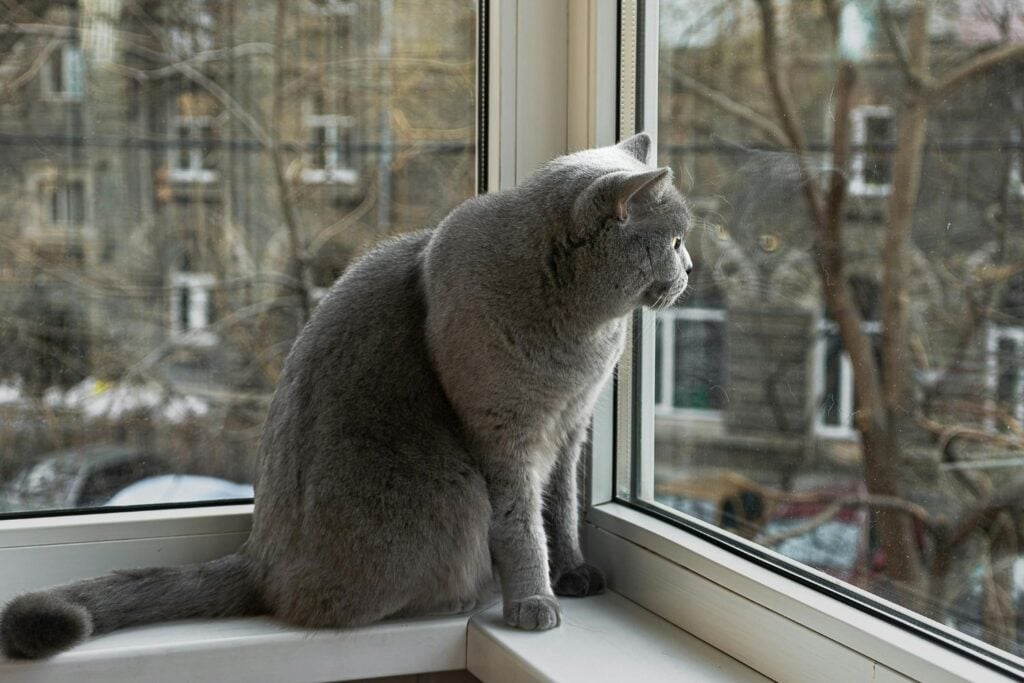
Some cats are simply observers. They engage mentally rather than physically. Stillness does not mean deficiency.
Certain cats prefer passive stimulation like watching birds, monitoring rooms, or following routines. Their satisfaction is internal. Playfulness is not a universal metric of wellness. Mislabeling calm cats as broken creates unnecessary concern. These cats often show engagement through proximity rather than motion. Their alertness is quiet but constant. Confusing temperament with dysfunction leads owners to chase behaviors that were never missing.