
Something flared where endings are supposed to be silent.
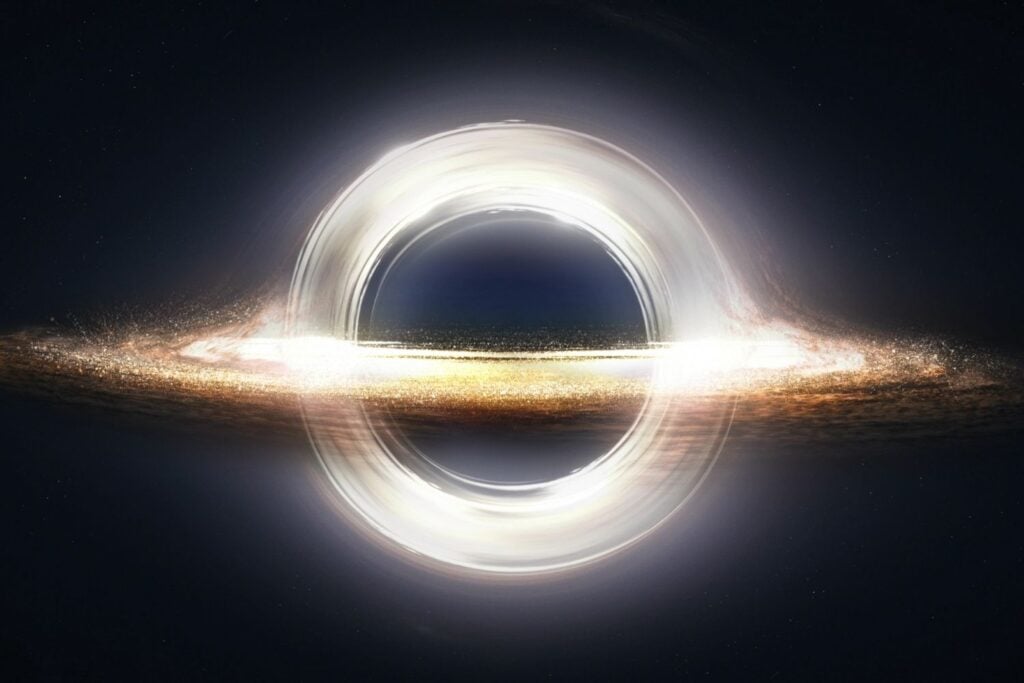
Telescopes built to watch distant catastrophes recorded a signal that refused to behave. It appeared suddenly, lingered far longer than expected, then fractured into phases that should not coexist. The data arrived clean, repeatable, and deeply uncomfortable. Black holes are meant to consume, not announce. Yet this event did not resemble a collapse, a merger, or a routine flare. It sat in between categories that physics prefers kept apart. What unsettled researchers most was not what they saw, but how little of it fit.
1. Astronomers detected a burst where silence was expected.
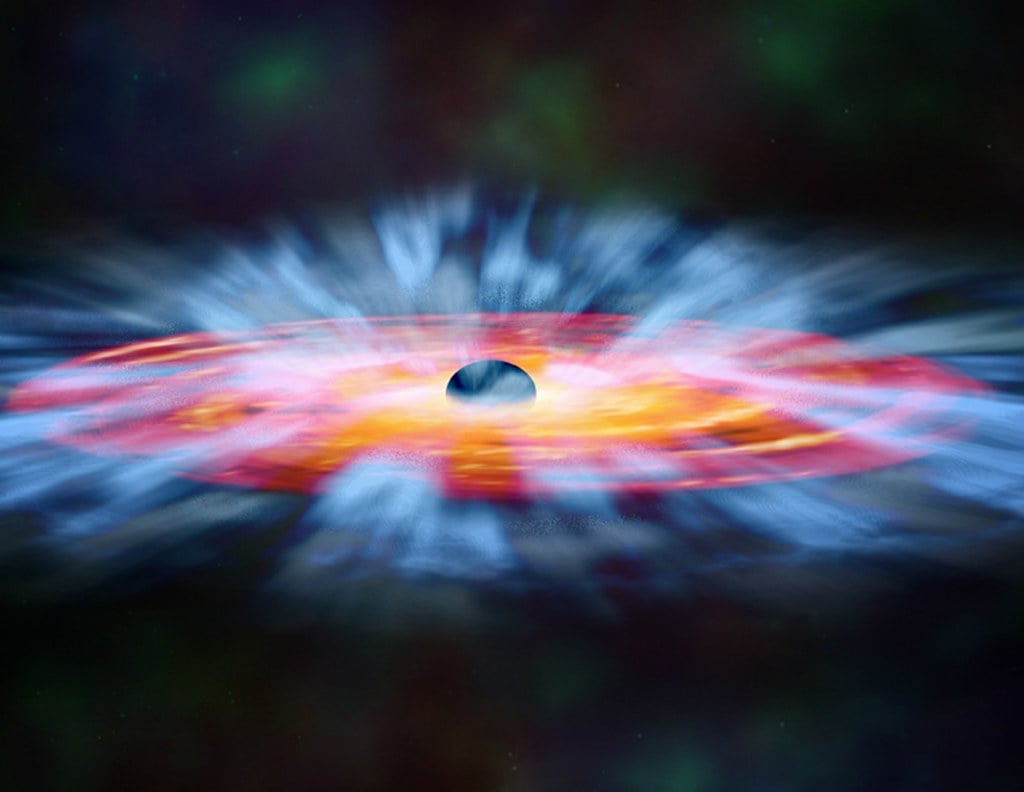
On July 2, 2025, space based instruments registered an intense gamma ray signal emerging from deep extragalactic space. The event did not match patterns associated with known supernovae or compact object collisions. Instead, it unfolded in multiple phases, each challenging expectations about energy release near black holes.
According to NASA, the burst was first detected by the Fermi Gamma ray Space Telescope during routine sky monitoring. Its duration alone set it apart. Rather than seconds, it persisted for hours. That behavior forced astronomers to reconsider whether the source represented a familiar process at all.
2. The event lasted far longer than any known burst.
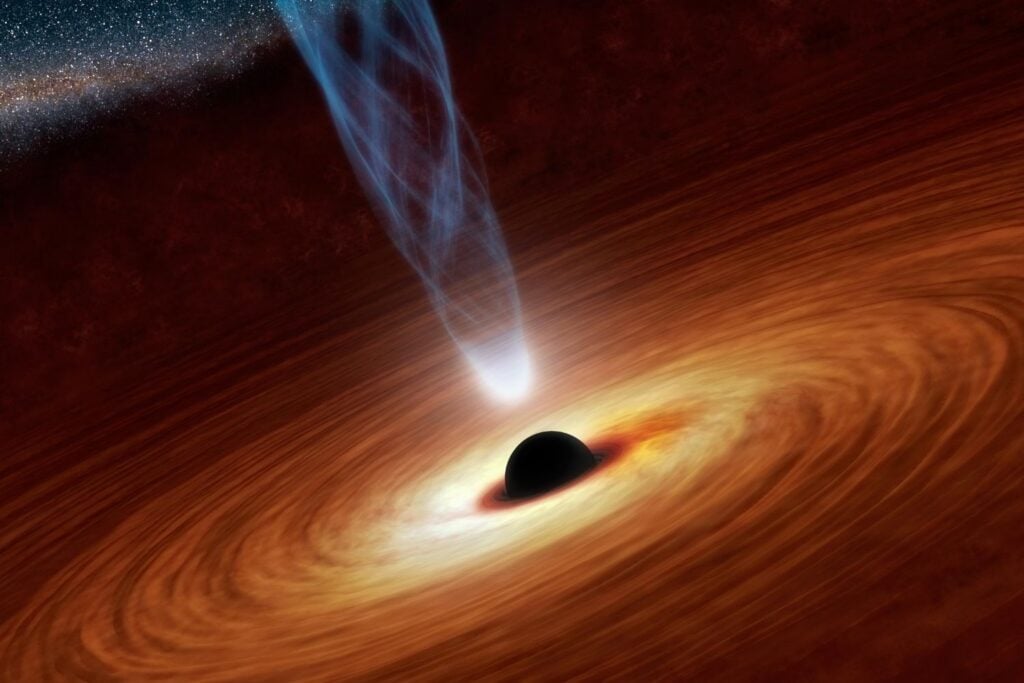
Typical gamma ray bursts fade quickly. This one did not. It appeared, weakened, then reignited in separate episodes over an extended period. The persistence raised immediate red flags among high energy astrophysicists.
As reported by the European Space Agency, the prolonged emission suggests sustained energy injection rather than a single catastrophic release. That distinction matters. It implies an engine that remained active long after it should have shut down. Existing black hole models struggle to accommodate such behavior without invoking rare or poorly understood mechanisms.
3. Its energy profile hinted at black hole involvement.
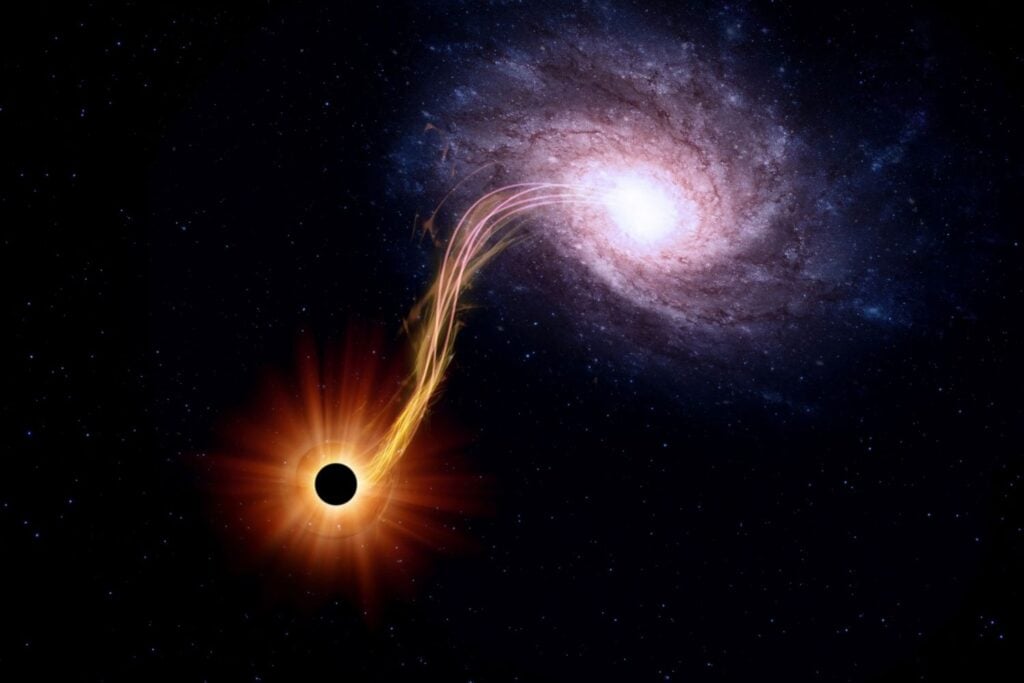
The burst’s spectral signature showed extreme energies consistent with matter interacting near a black hole. Yet the structure did not align cleanly with known accretion or tidal disruption patterns.
As stated by Nature, researchers analyzing the signal proposed a connection to black hole formation or extreme accretion instability. The emission appeared too organized for chaos, yet too erratic for steady feeding. This placed the event in a theoretical gap, where models exist mostly on paper rather than in observation.
4. The source appears linked to a distant galaxy.
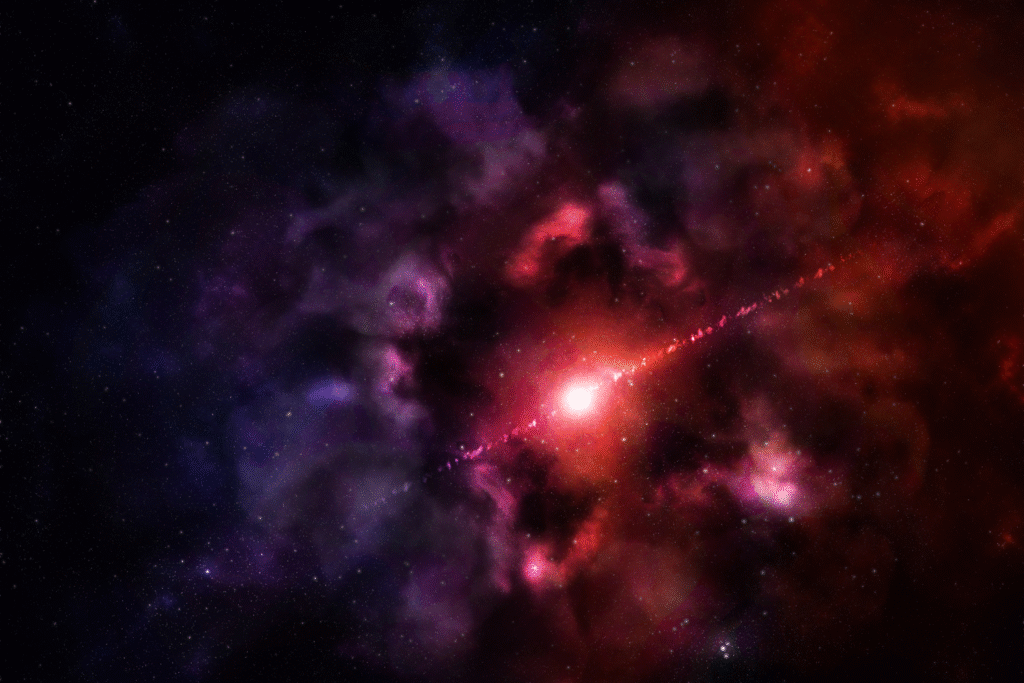
Follow up observations traced the burst to a galaxy billions of light years away. Its redshift places it deep in cosmic history, when massive stars and black holes were more common.
Distance complicates interpretation. Signals weaken and blur over such scales. Yet the clarity of this detection suggests extraordinary power at the source. Whatever happened was not subtle. It left a mark visible across vast stretches of space and time.
5. Some physicists suspect an extreme accretion instability.
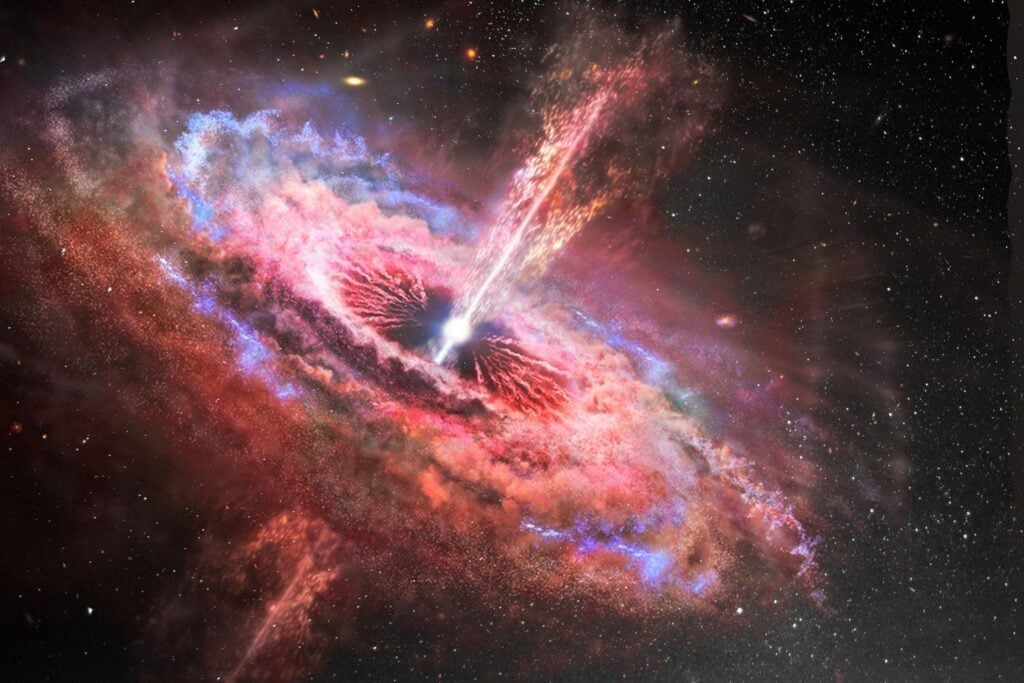
One explanation involves a black hole undergoing a violent feeding episode unlike anything previously documented. Instead of steady accretion, matter may have arrived in surges.
Such instability could release energy intermittently, producing repeated bursts. This idea stretches existing accretion disk models. It also raises questions about how often such events occur undetected. If true, black holes may be far more dynamic than textbooks suggest.
6. Others point to a rare tidal disruption scenario.
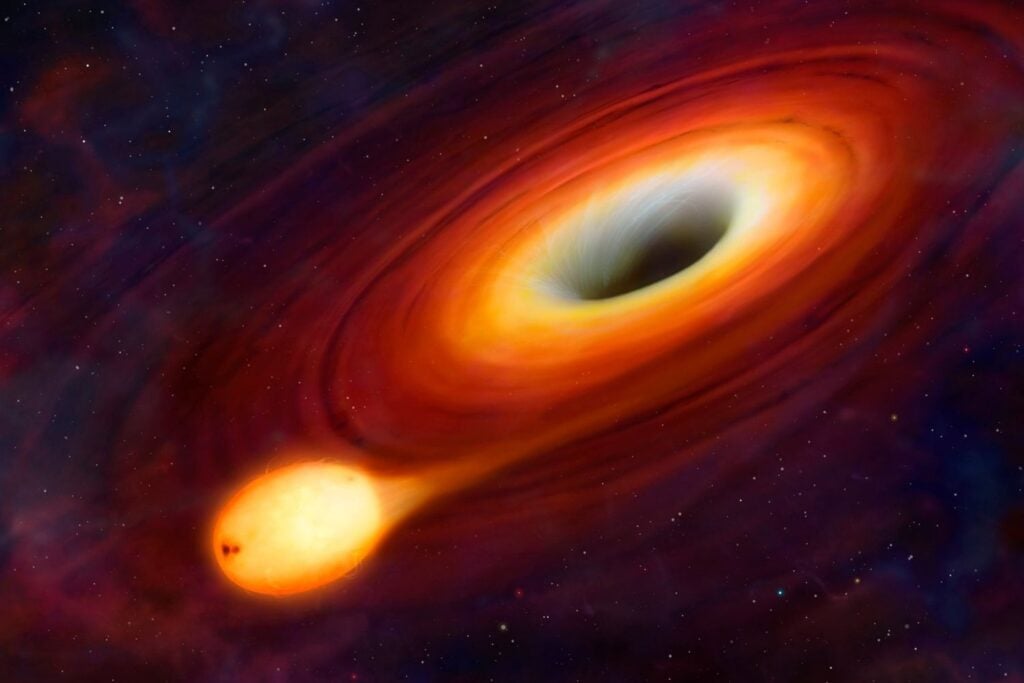
Another hypothesis involves a star torn apart in stages rather than all at once. Each pass near the black hole could release energy before the final destruction.
This staged disruption would explain repeated flaring. Yet simulations show such scenarios are rare and finely tuned. The alignment, mass, and orbit must be precise. The odds trouble researchers, but the physics remains plausible.
7. The signal forced a reexamination of burst classification.
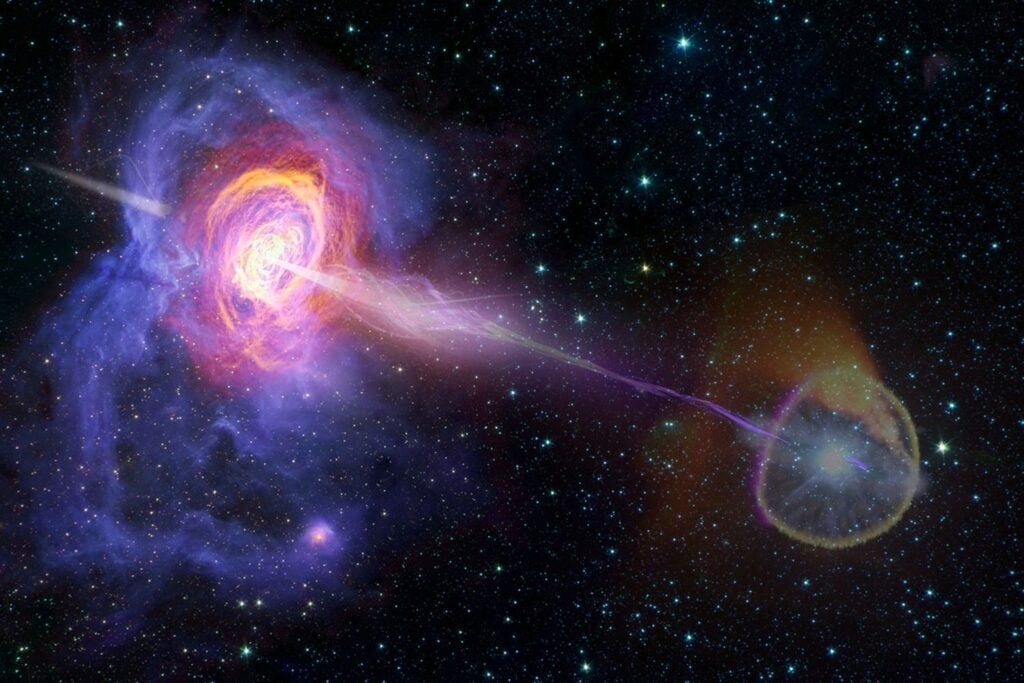
The event did not fit neatly into existing gamma ray burst categories. Long duration bursts usually trace back to massive star collapse. Short bursts come from compact mergers.
This signal borrowed traits from both while conforming fully to neither. Classification systems exist to simplify nature, not constrain it. This event exposed the limits of those systems. When categories fail, theory must adjust.
8. Instruments may be revealing unseen cosmic behavior.
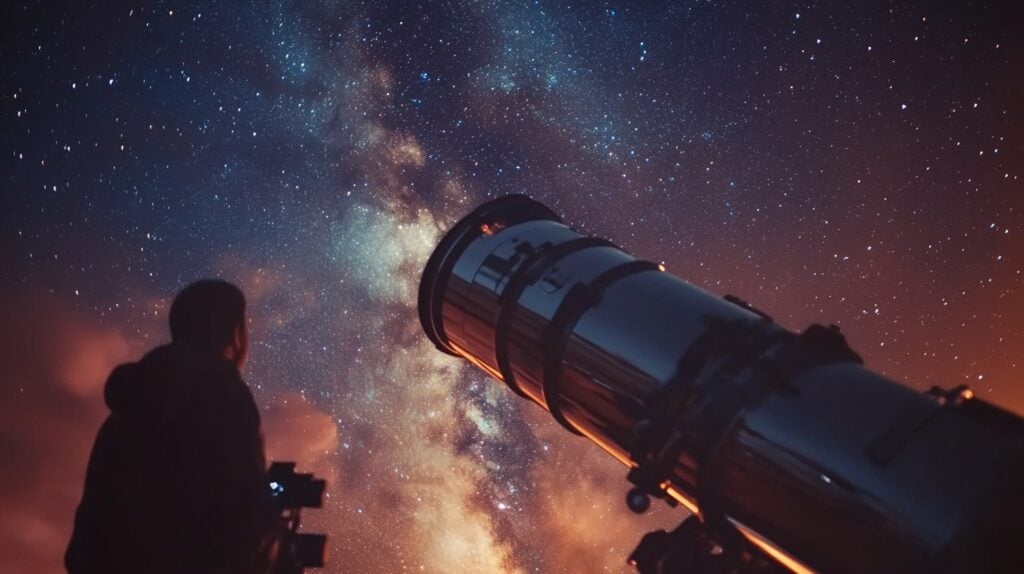
Detection sensitivity has improved dramatically. Events once invisible now register clearly. This raises a possibility that such phenomena are not new, only newly observed.
If similar bursts occurred in the past, they may have gone unnoticed. The universe may be revealing behaviors long hidden by technical limits. Observation, not physics, may be what changed.
9. The finding pressures black hole stability assumptions.
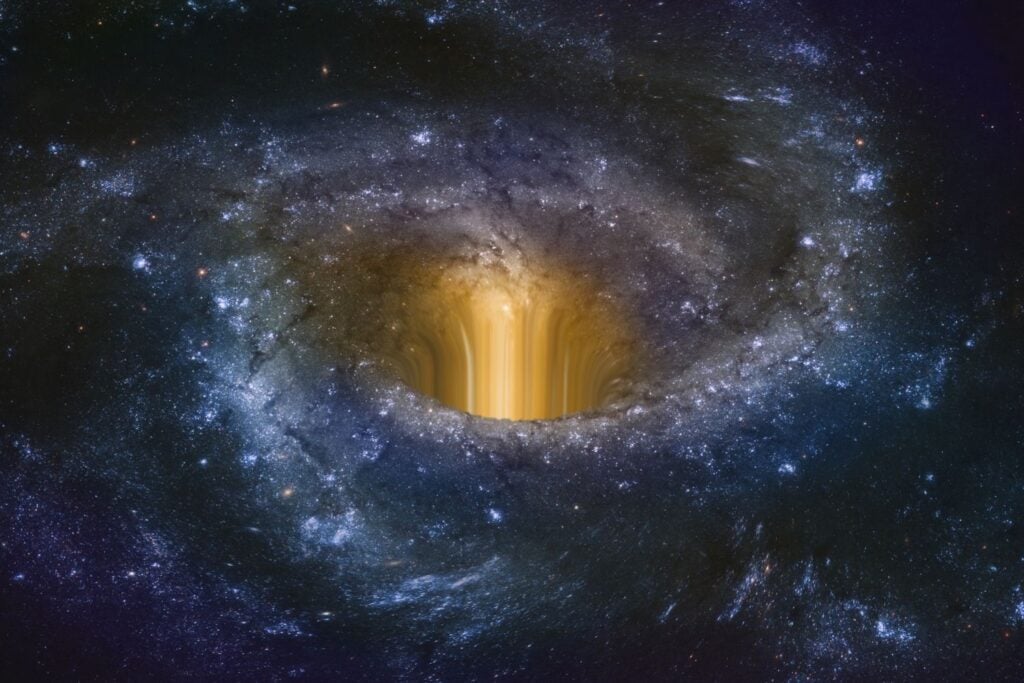
Black holes are often treated as endpoints. Once formed, they evolve slowly. This event suggests moments of violent activity may punctuate that stability.
If black holes can enter eruptive phases, models of galaxy evolution and feedback may need revision. Energy release shapes surroundings. Even rare events can leave lasting influence. Stability may be conditional rather than absolute.
10. The mystery remains unresolved but scientifically disruptive.
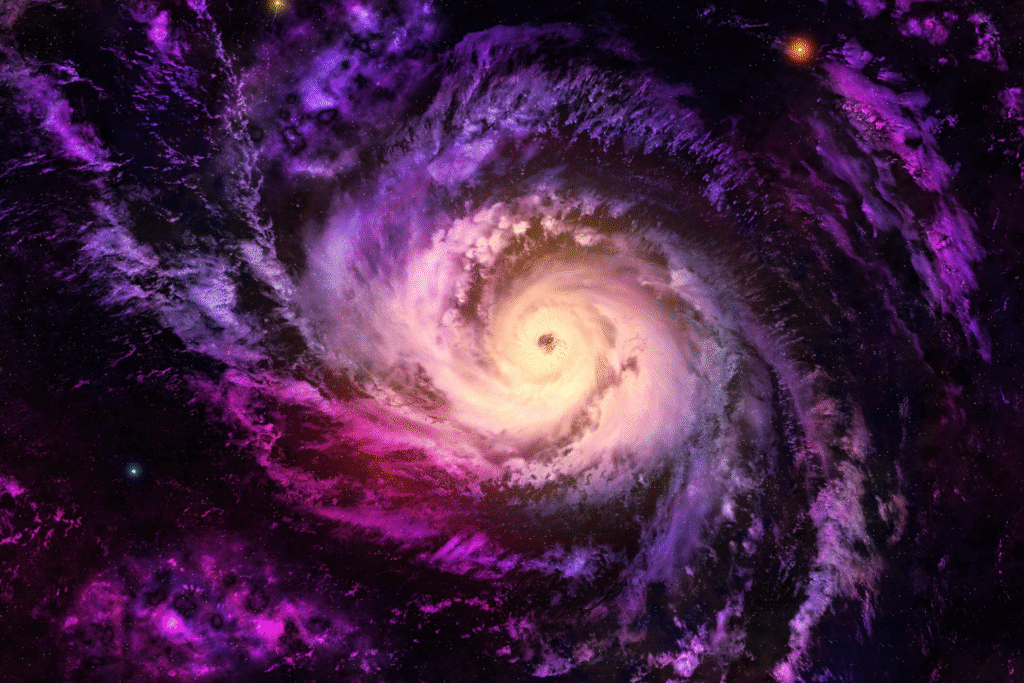
No single explanation fully accounts for all observed features. Each theory resolves one tension while creating another. This unresolved state is not failure.
It is friction. Physics advances when reality refuses to conform. This event reopened questions long considered closed. Black holes may not be as quiet as assumed. The universe has not finished surprising those who watch it closely.