
A remote island decision is stirring mainland outrage.

The plan did not arrive quietly. It moved through approvals, environmental documents, and agency briefings before most Californians noticed. Then the details surfaced. Catalina Island, long marketed as a protected escape just off the Los Angeles coast, would soon become the site of an aggressive wildlife operation. Officials argue the action is necessary, overdue, and rooted in ecological damage. Critics see something else entirely. What began as land management has become a flashpoint, pulling a normally invisible decision into public view and forcing a wider conversation about control, responsibility, and how far intervention should go.
1. State agencies approved a full deer eradication plan.

California wildlife officials signed off on a plan to eliminate the entire mule deer population on Catalina Island. The decision followed years of environmental assessments and internal reviews focused on habitat damage. Approval meant the strategy could move from theory to action. Once authorized, timelines, contractors, and enforcement protocols began forming quickly.
The plan allows sharpshooters to remove deer across the island, including from vehicles. Supporters say the approach reduces prolonged stress on animals. Critics argue it removes ethical distance between management and killing. The approval shifted the issue from policy to practice. That transition intensified scrutiny. It also placed accountability squarely on state agencies.
2. Catalina Island’s ecosystem has been under strain.

Deer are not native to Catalina Island and were introduced in the early twentieth century. Their presence altered plant communities that evolved without large grazers. Over decades, browsing pressure increased steadily. Sensitive habitats began to show visible decline.
Native shrubs failed to regenerate. Endemic plant species became threatened. Soil erosion worsened on steep slopes after vegetation loss. Officials argue the island’s isolation magnifies damage because plants cannot recolonize easily. Without intervention, they warn recovery may never occur. That ecological urgency drives the scale of the proposed response.
3. Officials say nonlethal options failed repeatedly.

Wildlife managers evaluated nonlethal alternatives over many years. Contraception programs were tested but required repeated treatment across rugged terrain. Logistical challenges limited coverage. Results failed to reduce population growth meaningfully.
According to KTLA, relocation was rejected due to animal stress and lack of suitable habitats. Partial culls allowed rapid rebound. Managers concluded eradication was the only durable option. That conclusion remains contested. Critics question whether sufficient time and funding were given to alternatives. The disagreement sits at the heart of the controversy.
4. Shooting from vehicles became the flashpoint detail.

Public reaction intensified when details emerged that deer would be shot from vehicles. That image defined the plan for many observers. The method overshadowed ecological arguments almost immediately.
Officials describe vehicle based shooting as controlled and precise. Vehicles provide stable platforms and access remote terrain. Opponents view the method as indistinguishable from a hunt. The optics triggered outrage beyond conservation circles. Emotional response overtook technical discussion. Messaging became difficult to correct once images circulated.
5. Animal welfare groups mobilized almost immediately.

Animal advocacy organizations condemned the plan within days. They framed it as unnecessary and cruel, arguing that eradication crossed an ethical line rather than solving a biological problem. Social media accelerated the response, amplifying outrage well beyond conservation circles. Campaigns escalated quickly.
Petitions gained traction. Protests were planned. Messaging emphasized moral responsibility for introducing the species in the first place. Advocates argued that humans created the problem and were now punishing animals for it. That framing resonated widely, especially with audiences unfamiliar with island ecology. Officials struggled to counter emotionally charged narratives with technical data. Public trust became a secondary casualty of the dispute.
6. Residents and visitors expressed conflicting reactions.

Catalina residents voiced divided opinions. Some supported habitat restoration and long term ecological repair. Others feared safety risks, reputational damage, and a loss of the island’s carefully cultivated image. Community meetings reflected that split, with consensus proving difficult.
Tourism drives the island’s economy. Visitors expect wildlife encounters, not eradication campaigns unfolding in the background. Business owners worried about cancellations, negative press, and lingering unease among guests. Officials promised operations would occur away from populated areas and peak visitor zones. Still, uncertainty persisted. Communication gaps widened concerns as details lagged behind headlines. The social impact became as significant as the ecological one.
7. The plan ties into long term restoration goals.

Agencies frame eradication as the first step. Replanting native vegetation is planned once browsing pressure is removed. Long term monitoring programs would track soil stability, water retention, and species recovery over years rather than seasons. Officials describe the effort as a phased process, not a single action.
Restoration also includes erosion control and invasive plant management. Officials emphasize ecosystem resilience as the central objective rather than rapid visual change. Supporters argue the benefits will emerge slowly but endure. Critics question whether the promised follow through will materialize once public attention fades. Restoration requires sustained funding and political will. Skepticism reflects past projects that stalled after controversy subsided.
8. Catalina’s history complicates present decisions.

Human intervention has shaped Catalina for centuries. Ranching, development, and repeated species introductions altered the island’s landscapes long before modern conservation efforts. Deer are part of that layered legacy rather than an isolated mistake. That history complicates simple narratives of cause and correction.
Removing them raises questions about selective accountability. Why address deer now, and why not other introduced species that also reshape the ecosystem. Officials say impact severity, feasibility, and urgency guide those decisions. Critics see inconsistency and shifting standards. Historical context fuels lingering distrust. The island’s past complicates claims of ecological purity and makes present day choices harder to separate from earlier human actions.
9. Legal challenges are being explored by opponents.

Animal welfare groups signaled intent to pursue legal action. They argue environmental reviews were insufficient. Procedural compliance is being scrutinized closely.
Litigation could delay implementation. Courts may weigh ecological necessity against ethical objections. Agencies prepared legal defenses. The outcome remains uncertain. Legal battles may redefine wildlife authority boundaries. Time itself becomes a strategic factor.
10. The controversy reflects wider wildlife management tensions.
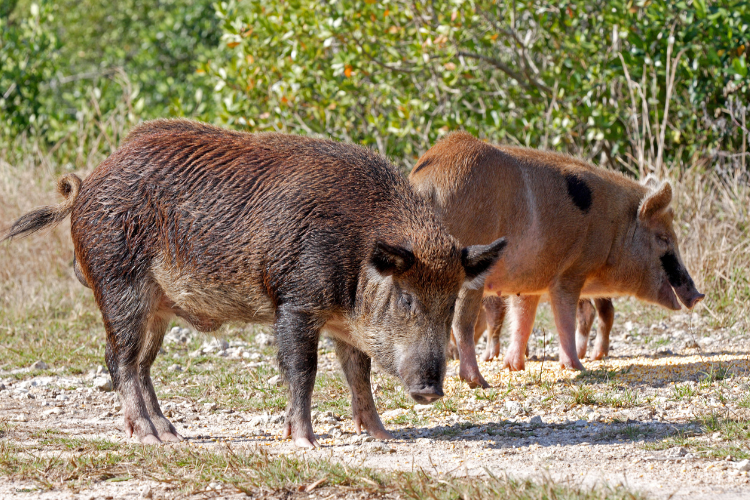
Similar conflicts occur across California. Coyotes, feral pigs, and mountain lions regularly ignite debate, with management decisions often pitting ecological science against public sentiment. Each case tests how much intervention the public will tolerate when wildlife collides with human values. Catalina’s visibility magnified the issue.
The island’s isolation compresses consequences, removing the illusion of reversibility that exists on the mainland. Decisions feel final in a way few other management actions do. Public reaction here may influence future cases well beyond the Channel Islands. Agencies are watching closely to see not just whether the plan succeeds, but how it is explained, defended, and ultimately understood.
11. What happens next will set a precedent.

If the plan proceeds, it will influence island management statewide. Success or failure will shape how future eradication and control efforts are evaluated and approved. Agencies understand the stakes extend far beyond Catalina, touching policies that govern isolated ecosystems from coastal islands to inland preserves. What happens here may become a reference point rather than an exception.
Public response may alter how wildlife agencies communicate controversial decisions for years to come. Restoring trust could prove slower and more complicated than repairing damaged landscapes. The deer remain the visible focus, but governance is the real test. How California balances science, ethics, and transparency in this case may be remembered long after the immediate controversy fades.