
A distant discovery raised hope before doubt followed.
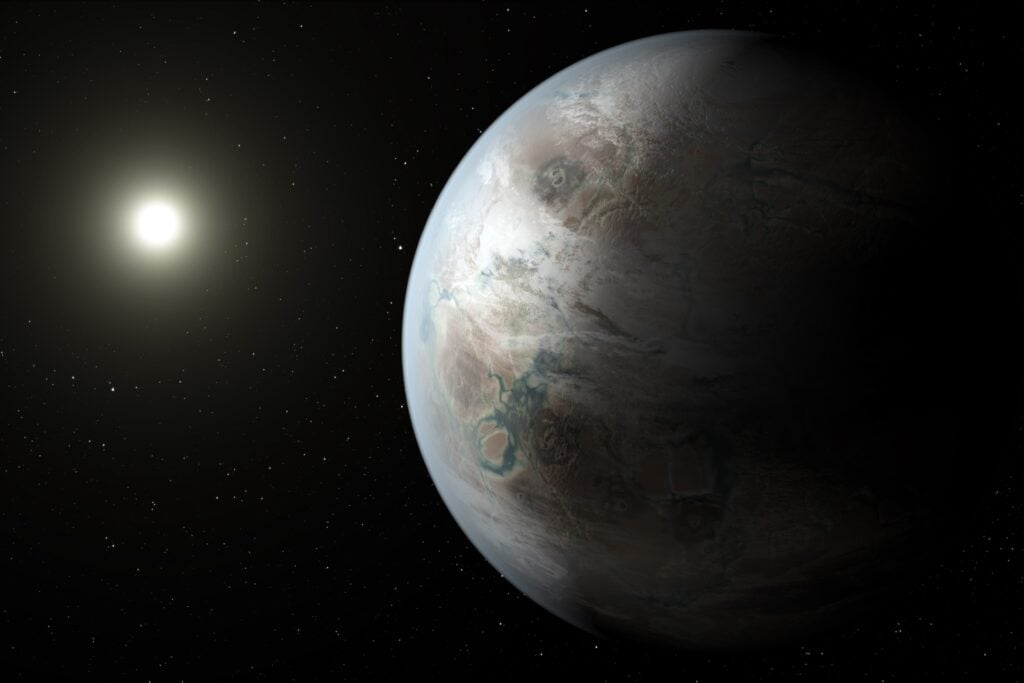
For a brief moment, astronomers believed they were staring at a familiar future reflected far away. Signals from deep space hinted at a world shaped by conditions not entirely foreign, orbiting quietly beyond ordinary reach. The excitement came with restraint, because every promising sign carried uncertainty beneath it. What emerged challenged expectations about how common Earth like planets might be. Yet as more details surfaced, optimism met an unavoidable boundary. The discovery remains compelling, not because it answers questions, but because it exposes how fragile those answers still are.
1. Early signals suggested a planet unlike most others.
Initial data stood out against years of less encouraging results. Among thousands of candidates, this object showed traits that resisted easy dismissal. Researchers hesitated, aware that false positives had reshaped optimism before. The signal persisted across repeated observations, refusing to disappear with closer scrutiny.
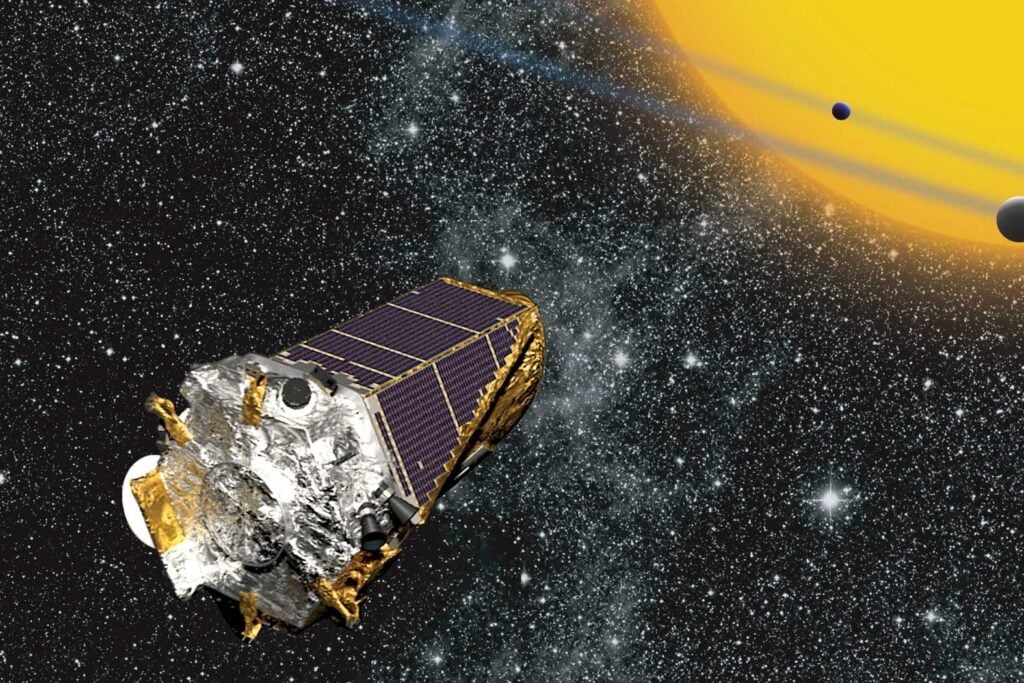
As analysis continued, astronomers identified the object as Kepler 452b, detected by NASA’s Kepler Space Telescope. It orbited a star similar to the Sun, unlike many earlier finds around unstable red dwarfs. That resemblance elevated interest quickly across the scientific community. The consistency of the transit signal strengthened confidence in its planetary nature. Even so, scientists remained cautious, knowing classification alone does not guarantee habitability or long term stability.
2. Its orbit placed it within a familiar thermal range.
Distance from a star often determines everything. Too close and water vanishes, too far and it never forms. This planet occupied a narrow region that scientists watch carefully. The placement alone triggered renewed debate about how many such zones truly exist.
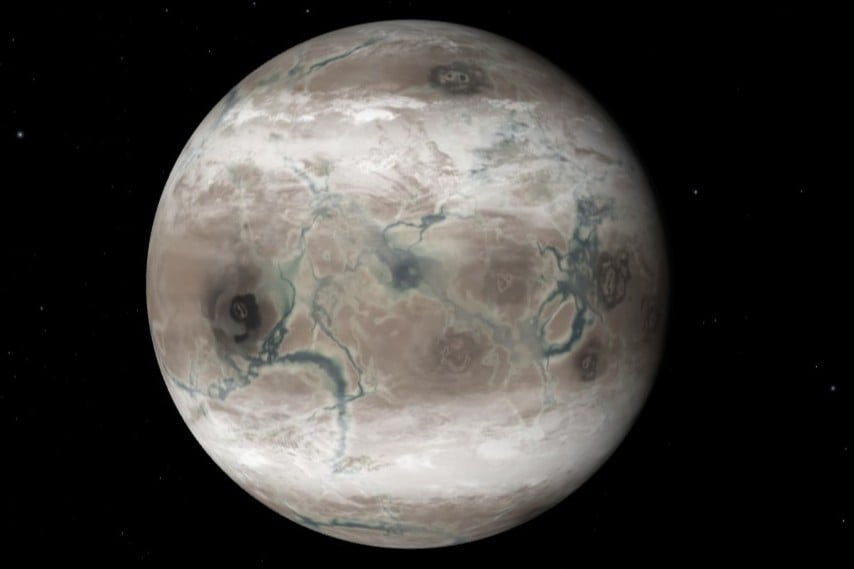
Kepler 452b appeared to orbit within what astronomers call the habitable zone, where temperatures could allow liquid water. The orbit was longer than Earth’s but still comparable in scale. That alignment suggested long term stability rather than extreme seasonal swings. However, orbital placement alone cannot reveal surface conditions. Atmospheric composition, cloud cover, and heat retention remain unknown, leaving interpretation suspended despite promising geometry.
3. Size estimates raised questions about its surface.
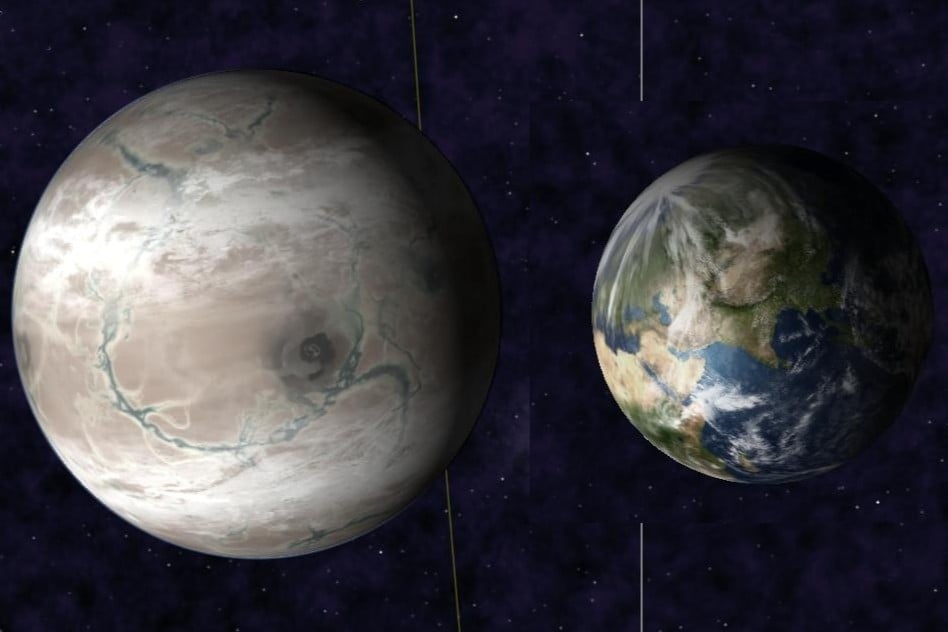
Measurements hinted at a planet larger than Earth, but not overwhelmingly so. That detail complicated assumptions about gravity, geology, and climate. Size alone introduced uncertainty rather than reassurance.
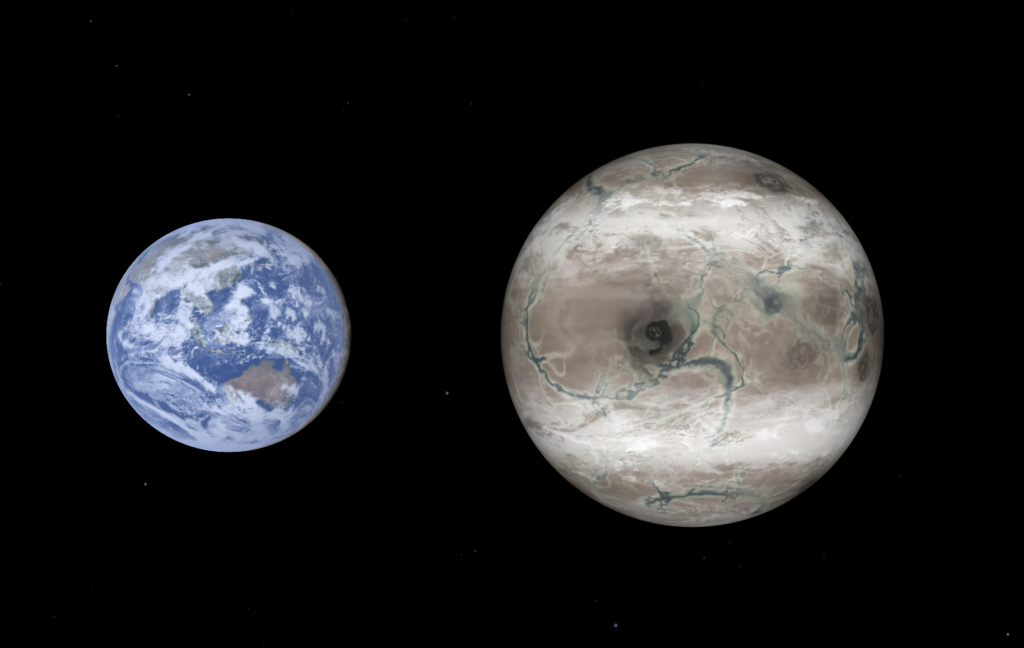
Based on transit depth, Kepler 452b is estimated to be roughly sixty percent larger than Earth. That increase could imply stronger gravity capable of holding thicker atmospheric layers. Some models suggest it may be a super Earth rather than a true Earth analog. A heavier planet could trap heat differently or suppress surface relief. Whether such conditions favor oceans or crushing pressure remains unresolved without direct observation.
4. The host star shaped expectations and concerns.
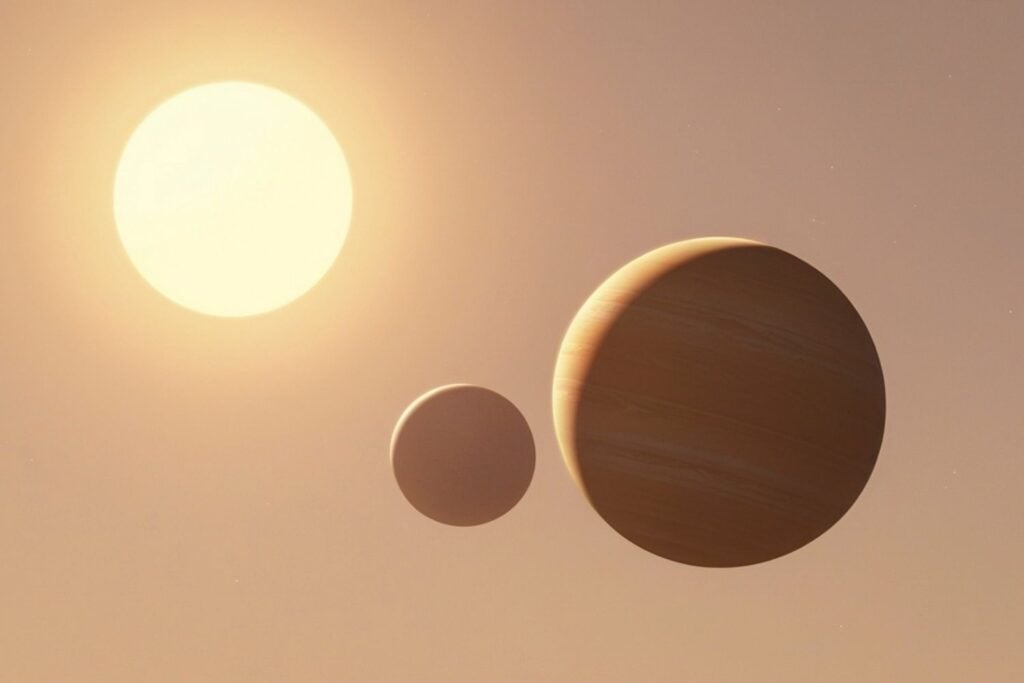
Stars dictate more than warmth. Their age, stability, and radiation patterns shape planetary futures over billions of years. This star’s characteristics became central to the debate.
Kepler 452b orbits a G type star slightly older than the Sun. That maturity suggested long term energy stability, reducing the likelihood of violent stellar flares. A calmer star improves atmospheric survival odds. Yet age also raises concerns. Gradual stellar brightening over time could push planets toward overheating. This balance between stability and slow transformation remains difficult to model from afar.
5. Distance created a barrier no technology can cross.
Discovery does not imply access. The gap between detection and direct study remains enormous. Distance alone limits nearly every method scientists rely on.
Kepler 452b lies about fourteen hundred light years from Earth. That separation prevents direct imaging or atmospheric sampling with current instruments. All available data comes indirectly through starlight dimming during transits. Even upcoming observatories face severe resolution limits at that range. The planet’s promise exists entirely through inference, reinforcing how observational distance defines modern astronomy’s constraints.
6. Atmosphere assumptions may not match reality.
Habitability depends on air as much as orbit. Without the right atmosphere, surface conditions collapse quickly. This unknown remains one of the most destabilizing factors.
Models often assume Kepler 452b retains an atmosphere similar to Earth’s. Yet its larger mass could support dense gases like carbon dioxide or hydrogen. Such compositions could trigger runaway greenhouse effects. Alternatively, the planet might lack a stable atmosphere entirely due to early stellar activity. Without spectral measurements, every scenario remains plausible, weakening confident claims about surface conditions.
7. Geological activity could redefine surface conditions.
A planet’s interior shapes its exterior fate. Heat flow determines volcanism, plate movement, and atmospheric renewal. These processes influence long term climate balance.
If Kepler 452b has active geology, it could recycle carbon and stabilize surface temperatures. However, increased mass may suppress plate tectonics by thickening the crust. A stagnant surface would trap gases or halt chemical cycling. Without tectonic motion, climate regulation could fail over time. These interior processes cannot be observed directly, making geology one of the largest unknowns.
8. Time complicates comparisons with Earth.

Similarity does not imply synchronicity. A planet’s stage of evolution matters as much as its composition. Age introduces silent variables.
Kepler 452b may be older than Earth by more than a billion years. That difference matters significantly. Conditions suitable for life can degrade as stars brighten slowly over time. Oceans can evaporate, atmospheres thin, or temperatures drift upward. Even if life once emerged, it may no longer persist under altered conditions.
9. Detection methods introduce unavoidable bias.
What we find reflects how we search. That limitation shapes every conclusion drawn. Methodology filters discovery.
The Kepler mission favored planets close to their stars that transit frequently. Kepler 452b was detected only because its orbit aligned precisely with Earth’s viewing angle. Countless similar planets may remain hidden due to unfavorable alignment. This selection bias distorts abundance estimates. What appears rare or exceptional may simply be easier to observe, not inherently uncommon.
10. The major limitation is knowledge itself.
Hope persists not because certainty exists, but because questions remain open. That gap defines the discovery’s power. It also marks its restraint.
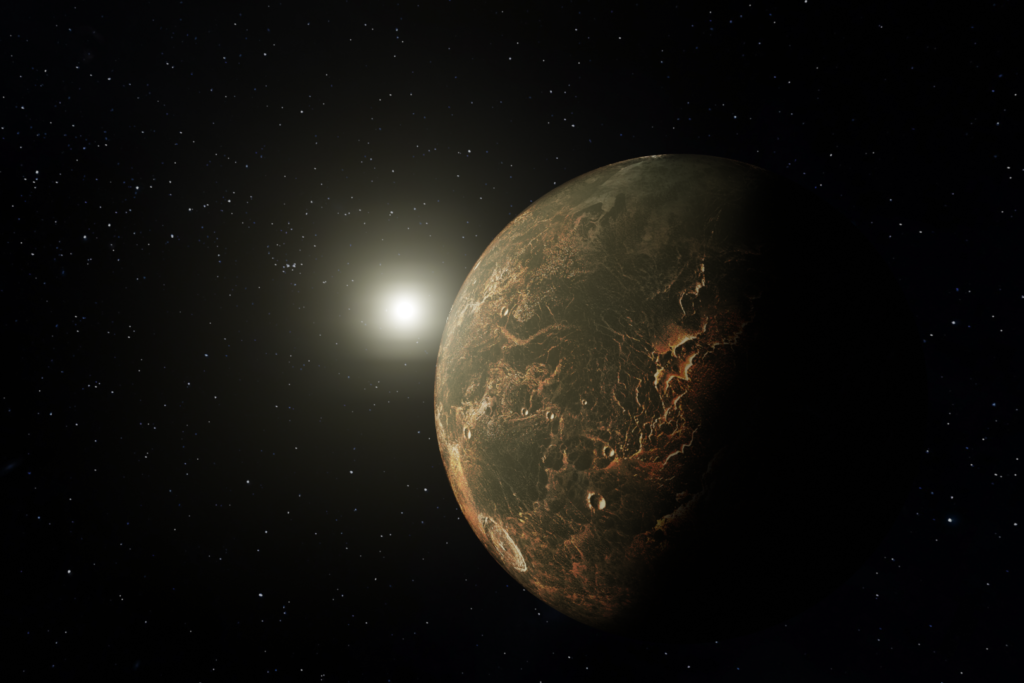
Kepler 452b represents possibility rather than proof. It cannot be visited, sampled, or confirmed as habitable. Every encouraging trait carries an offsetting unknown. The planet forces scientists to confront the limits of indirect observation. Its value lies not in answers delivered, but in how clearly it reveals how much remains beyond reach.